
Update: FDA Authorizes Photobiomodulation for Dry AMD
January 2025: The FDA has authorized light therapy (photobiomodulation) as the first non-invasive treatment for dry age-related macular degeneration. This regulatory milestone validates the growing body of research demonstrating red and near-infrared light's therapeutic potential for retinal health.
Read FDA Update from American Academy of Ophthalmology →Browse Research by Category
Explore our comprehensive collection of peer-reviewed occular photobiomodulation studies organized by ocular condition
AMD & Macular Health
23 StudiesClinical trials and mechanistic research on photobiomodulation for age-related macular degeneration
Dry Eye & MGD
15 StudiesResearch on meibomian gland dysfunction, inflammatory dry eye, and light-based therapies
Diabetic Retinopathy
8 StudiesClinical and preclinical evidence for PBM in diabetic macular edema and retinal vascular health
Optic Nerve & RGC Health
10 StudiesNeuroprotection studies including glaucoma, optic nerve injury, and retinal ganglion cell survival
Retinal Degeneration
12 StudiesPhotoreceptor protection, inherited retinal diseases, and light-induced degeneration models
Reviews & Meta-Analyses
14 StudiesComprehensive reviews, systematic analyses, and bench-to-bedside translational research summaries
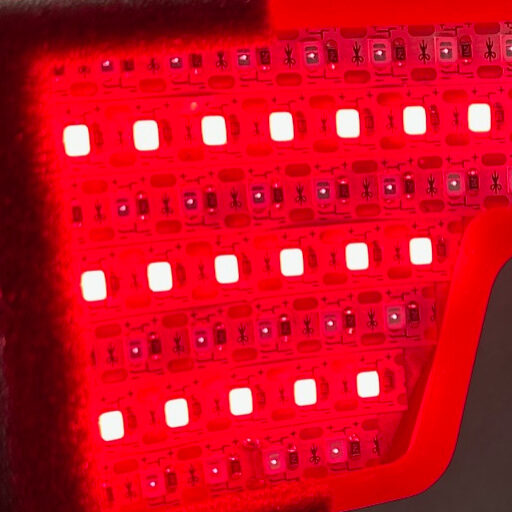
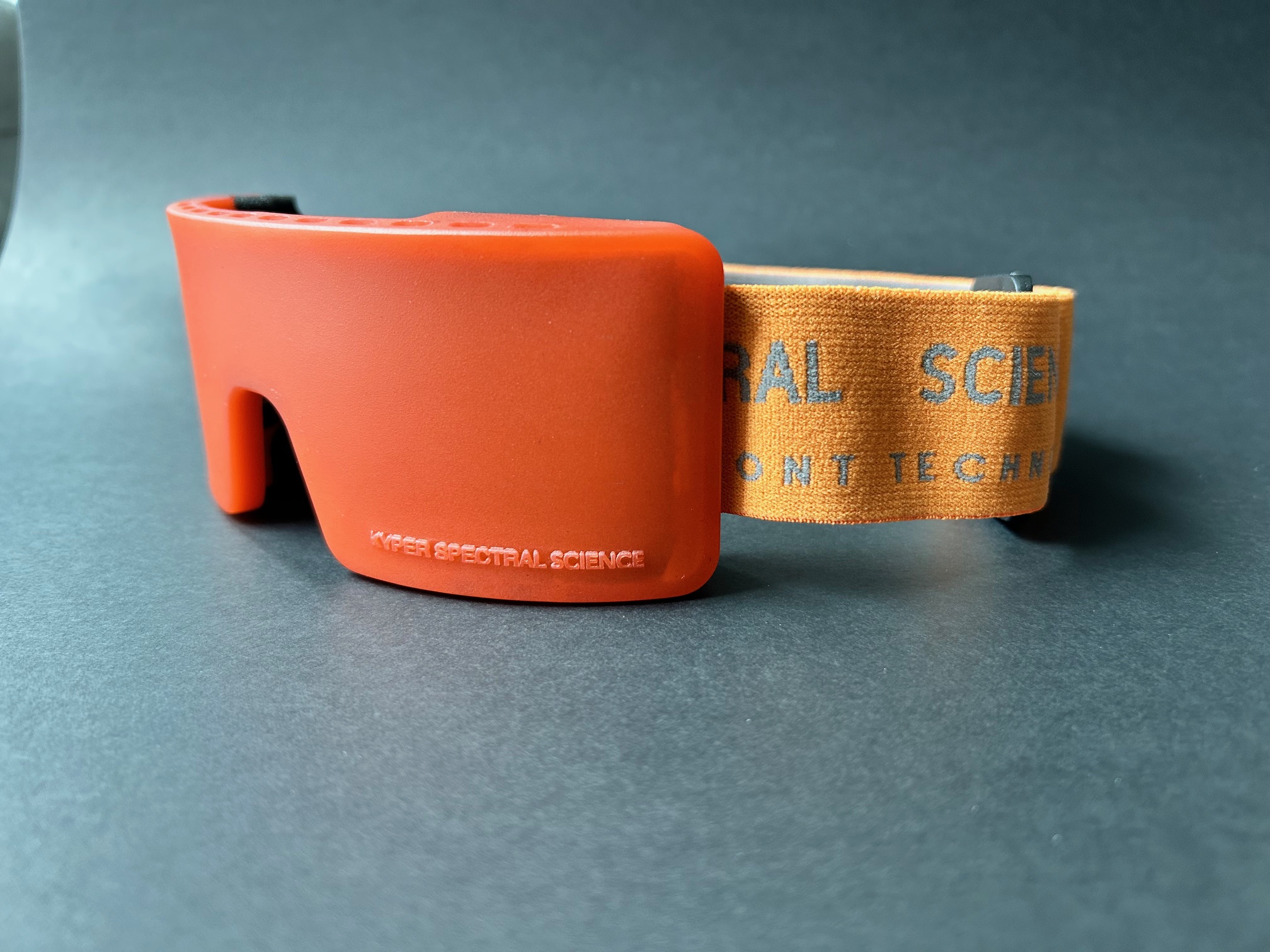
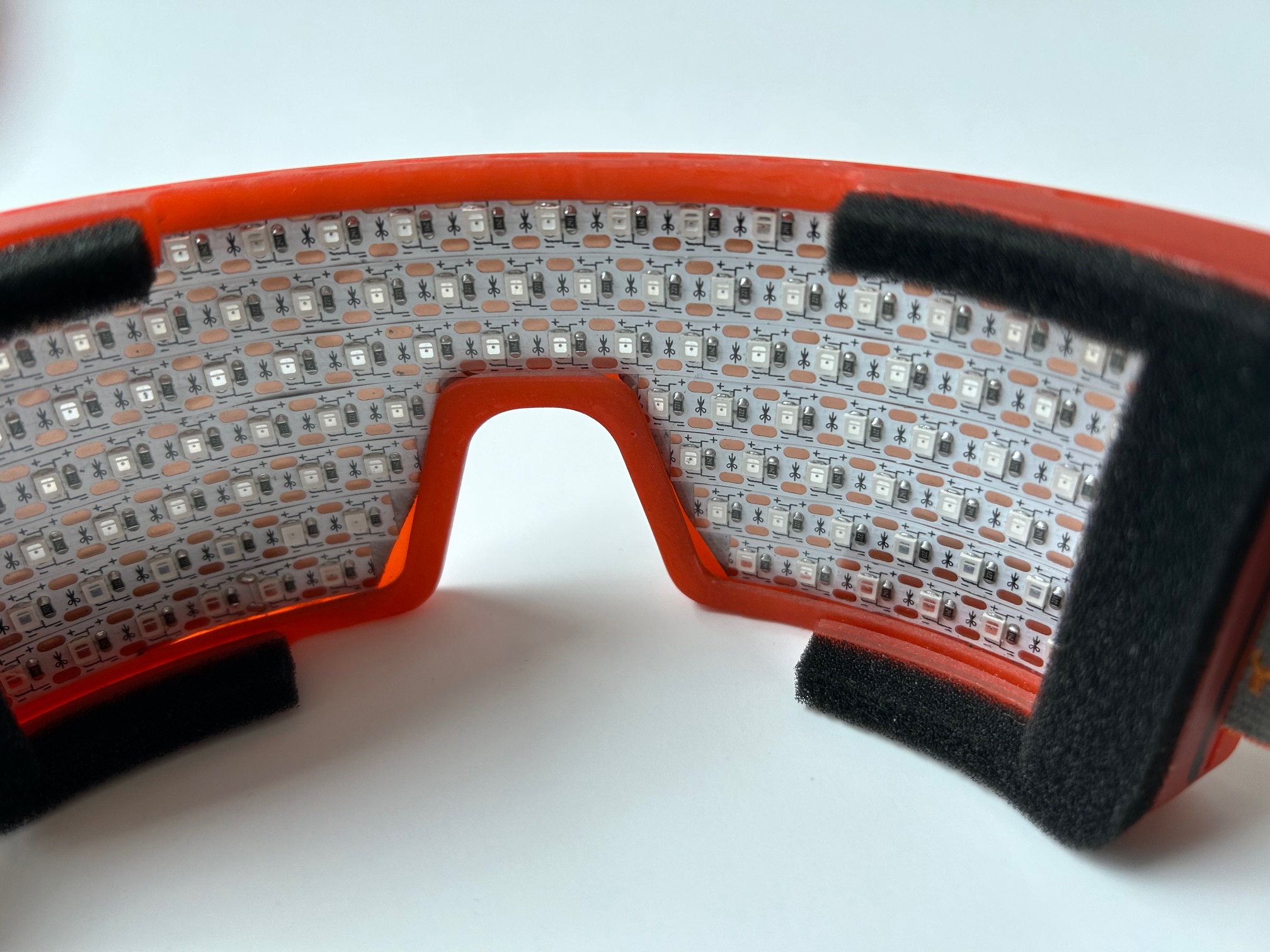
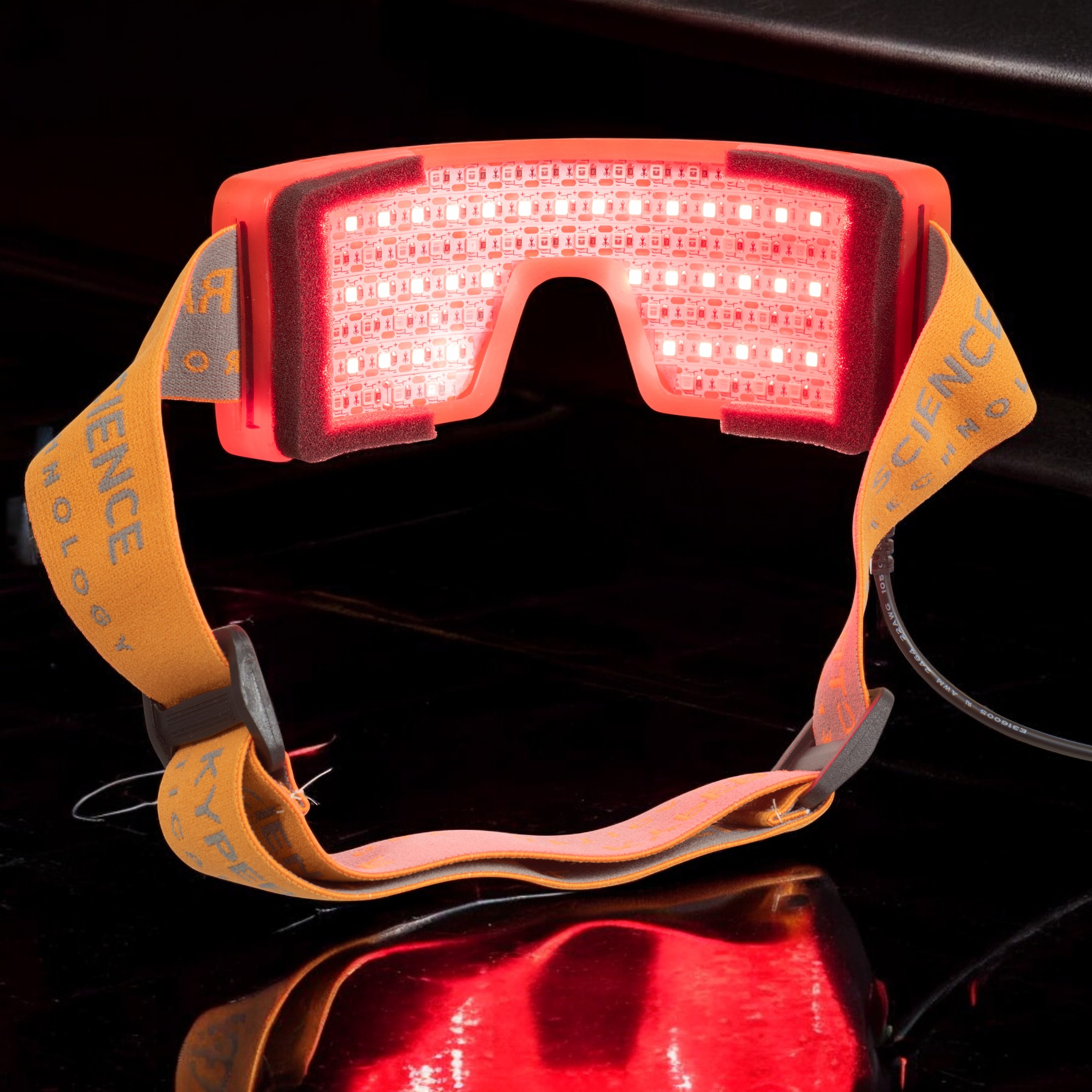
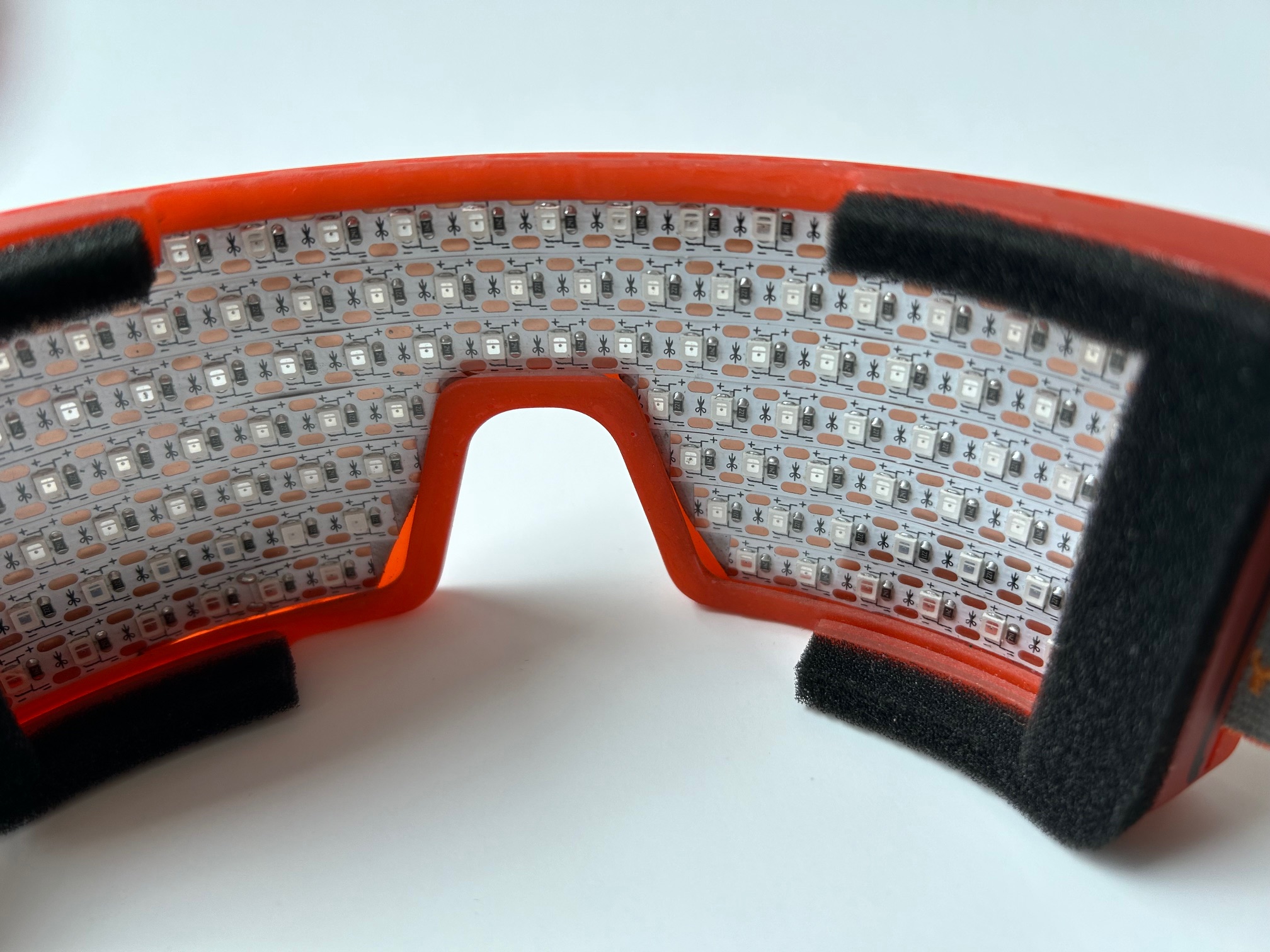
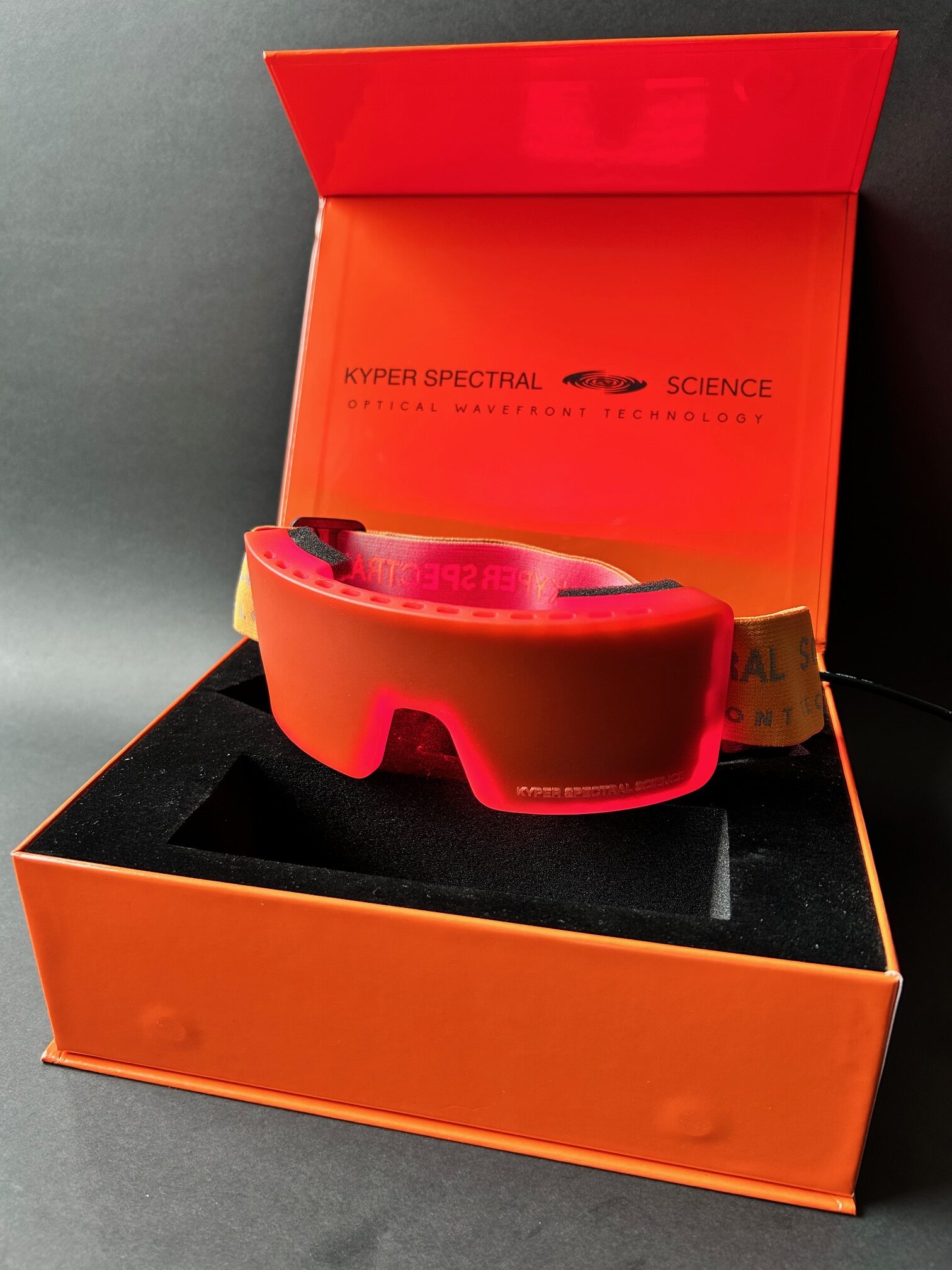
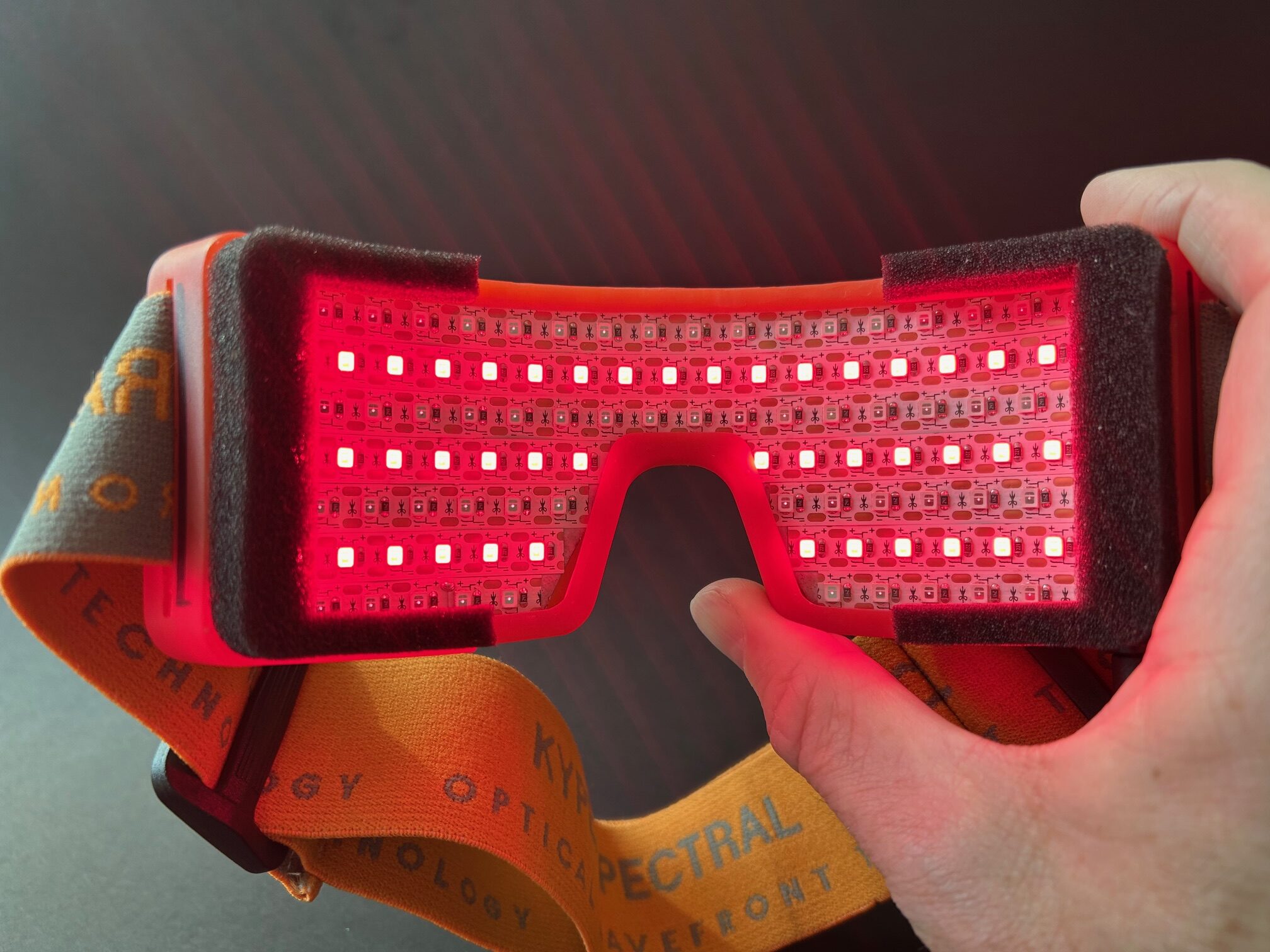
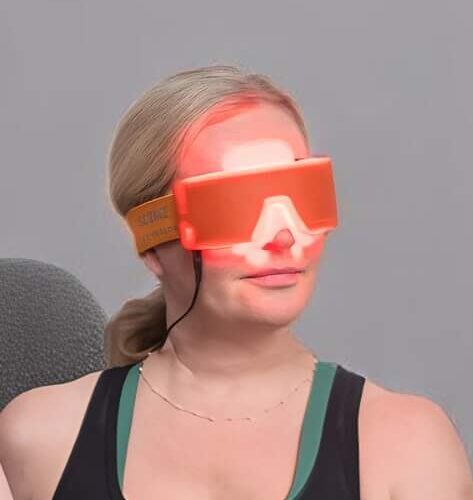
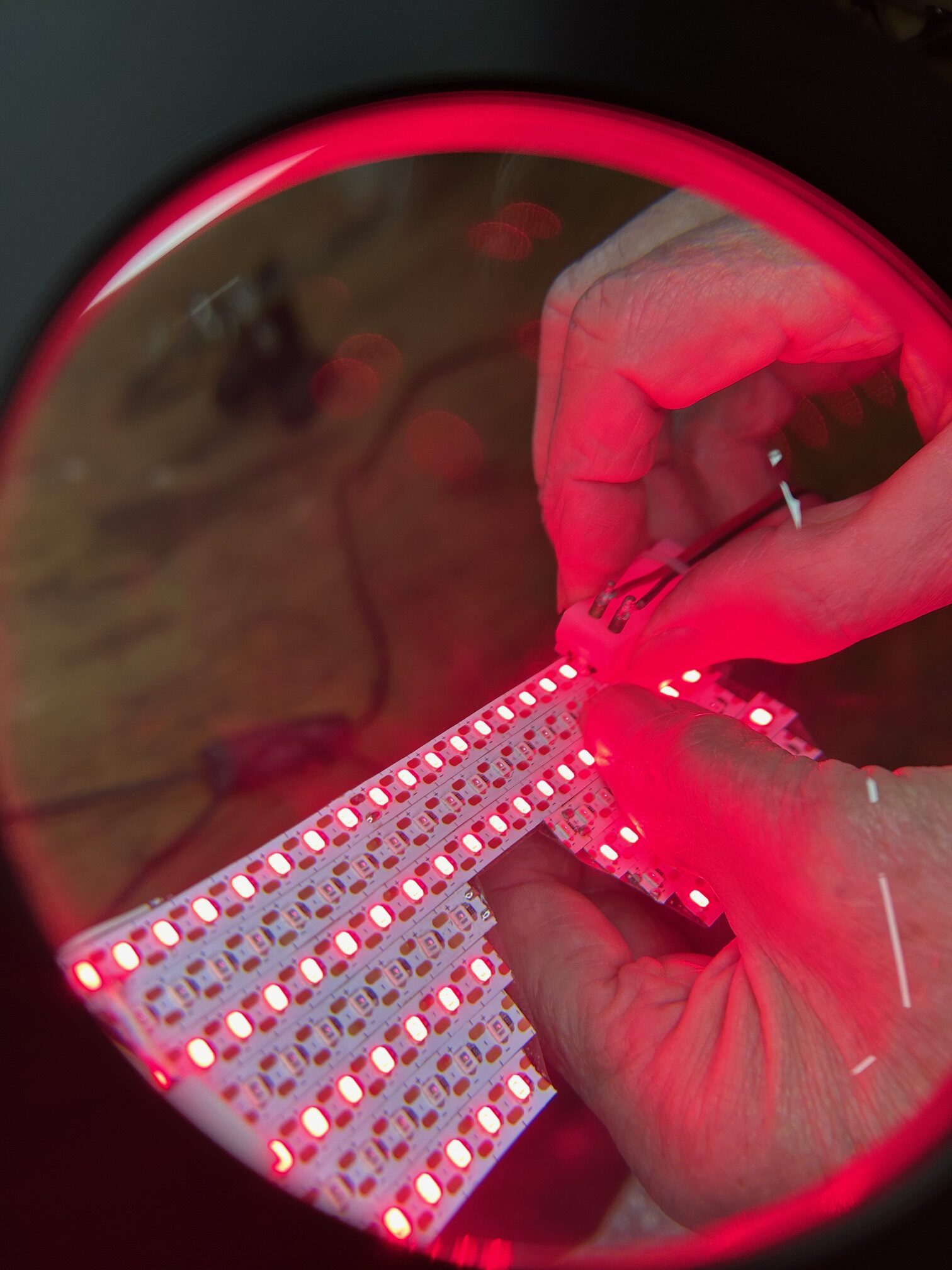
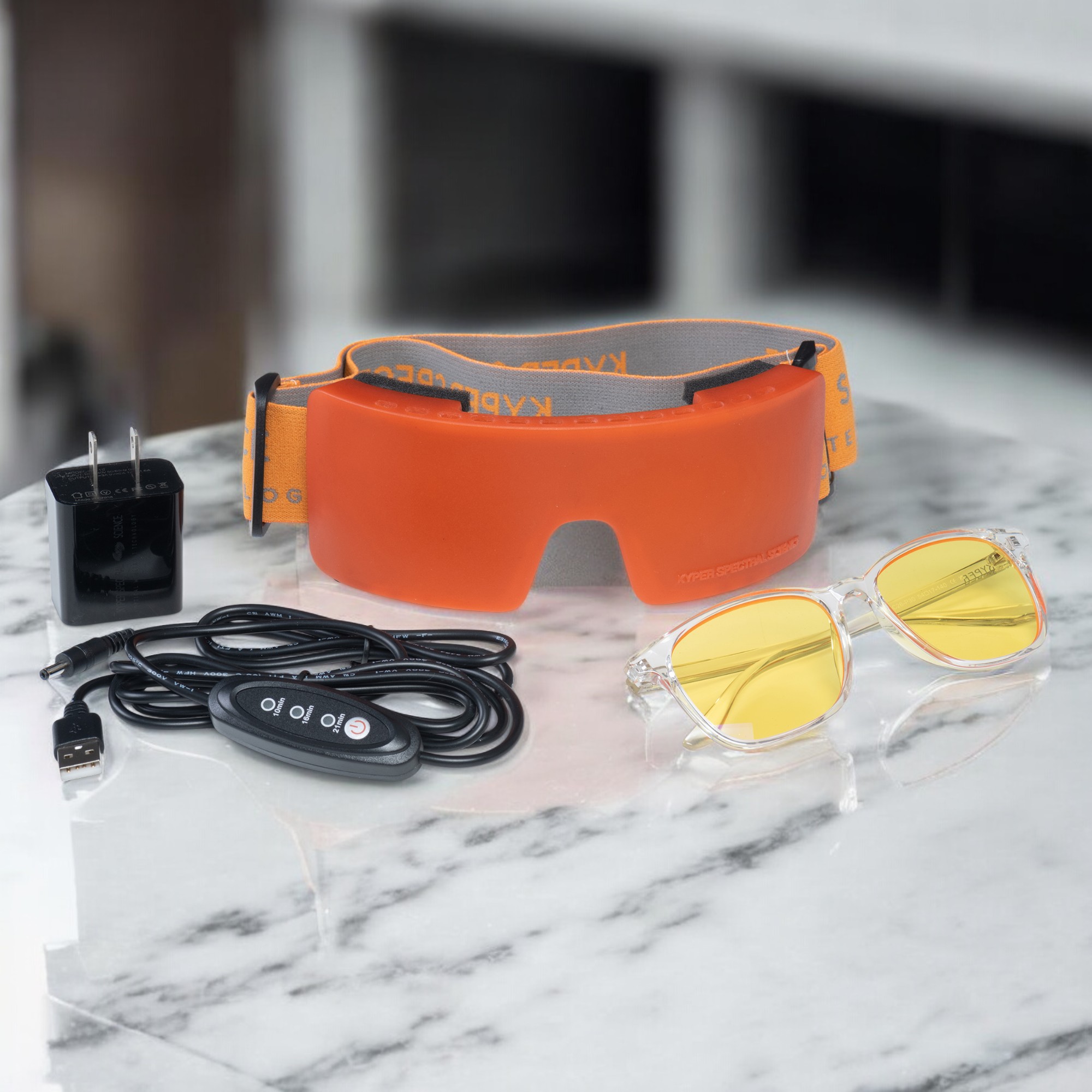
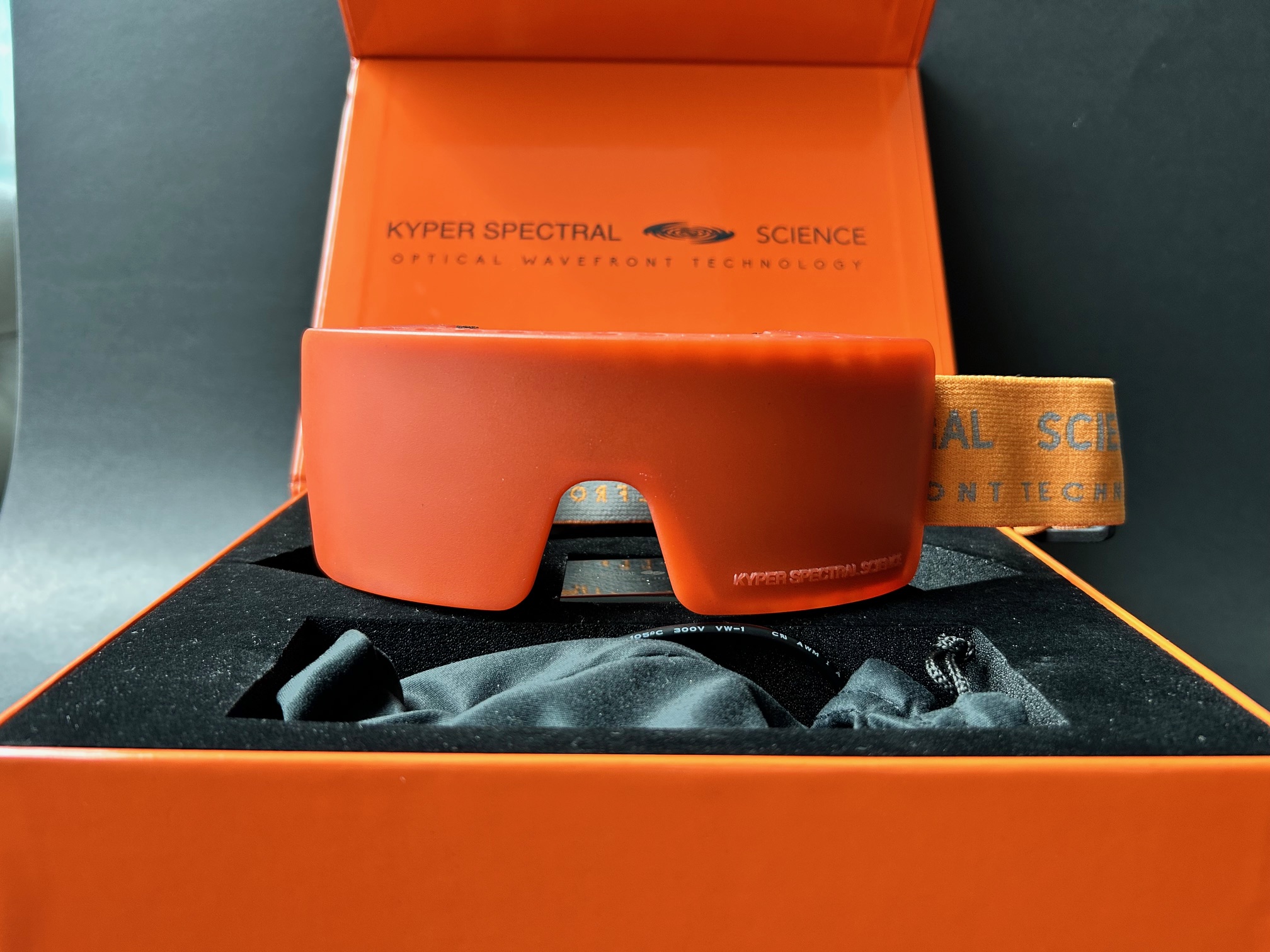
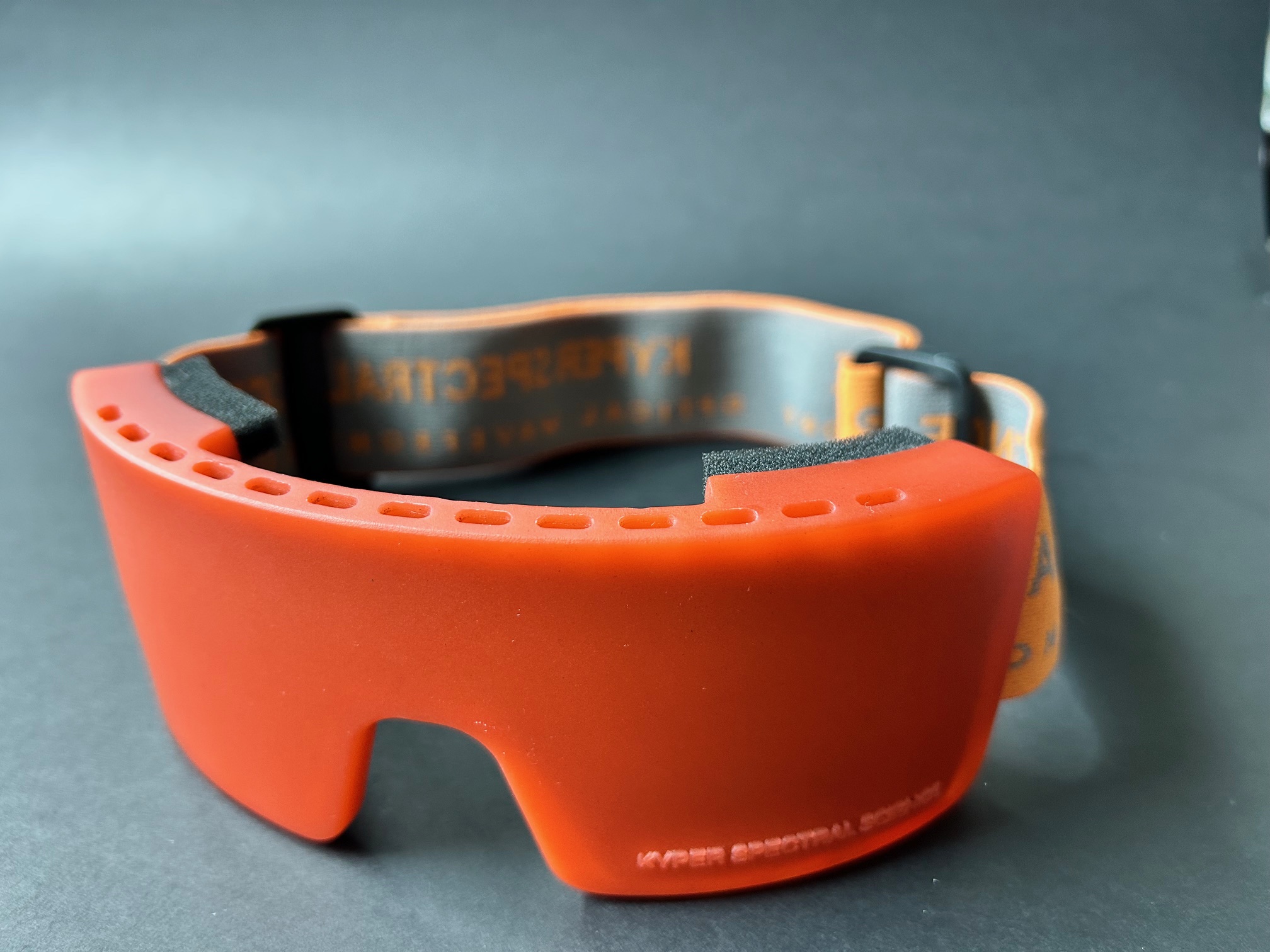
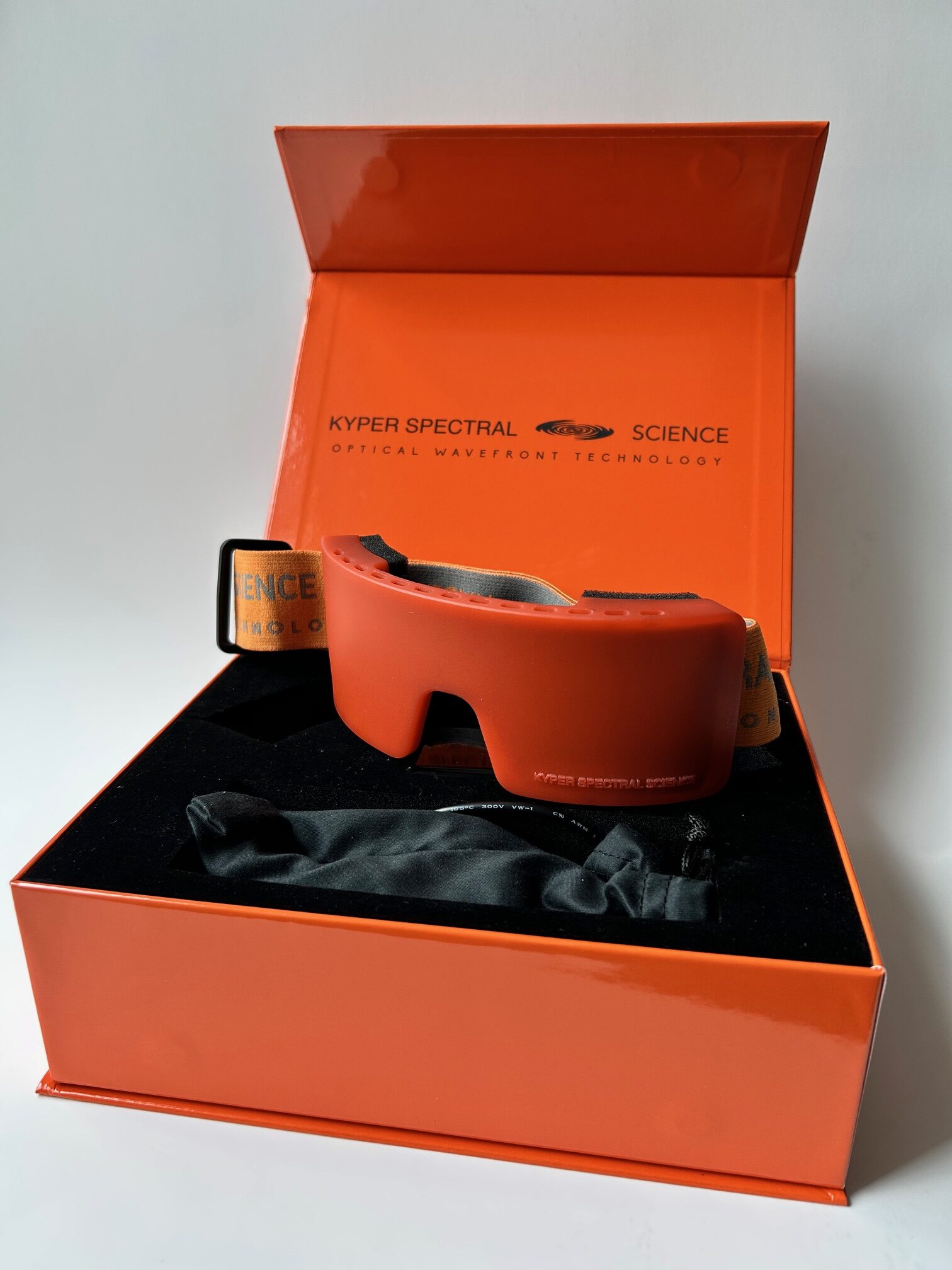
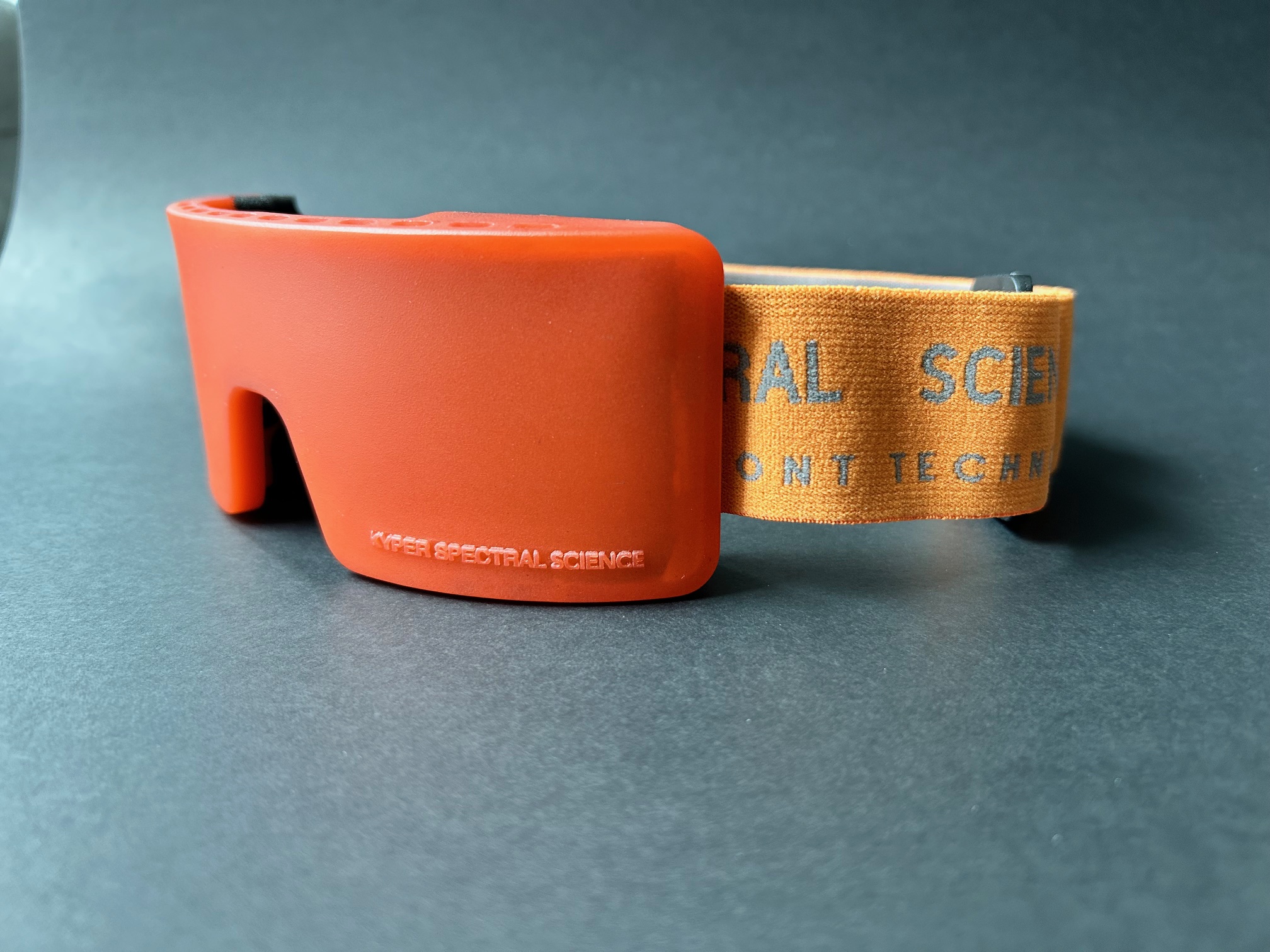
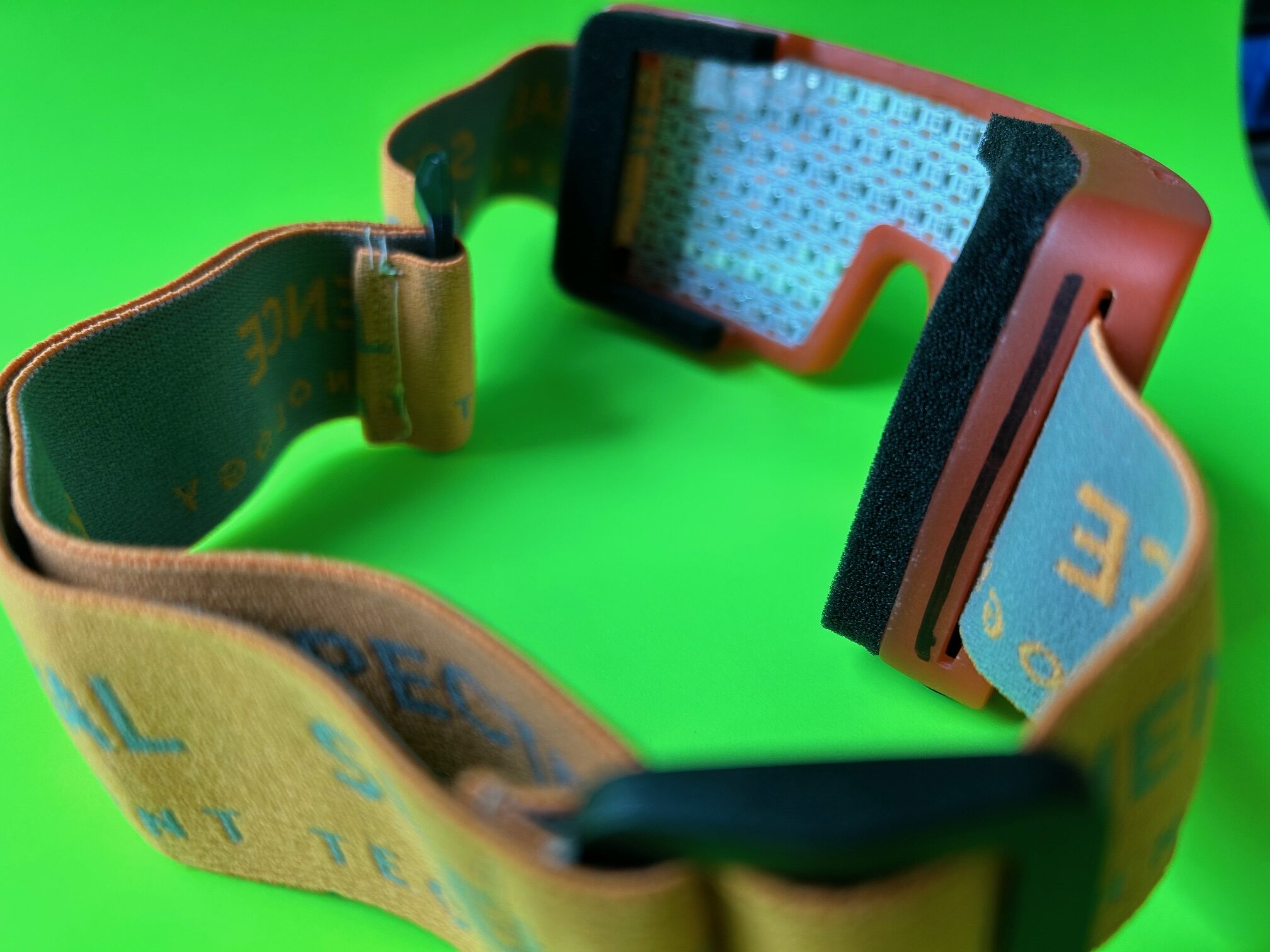
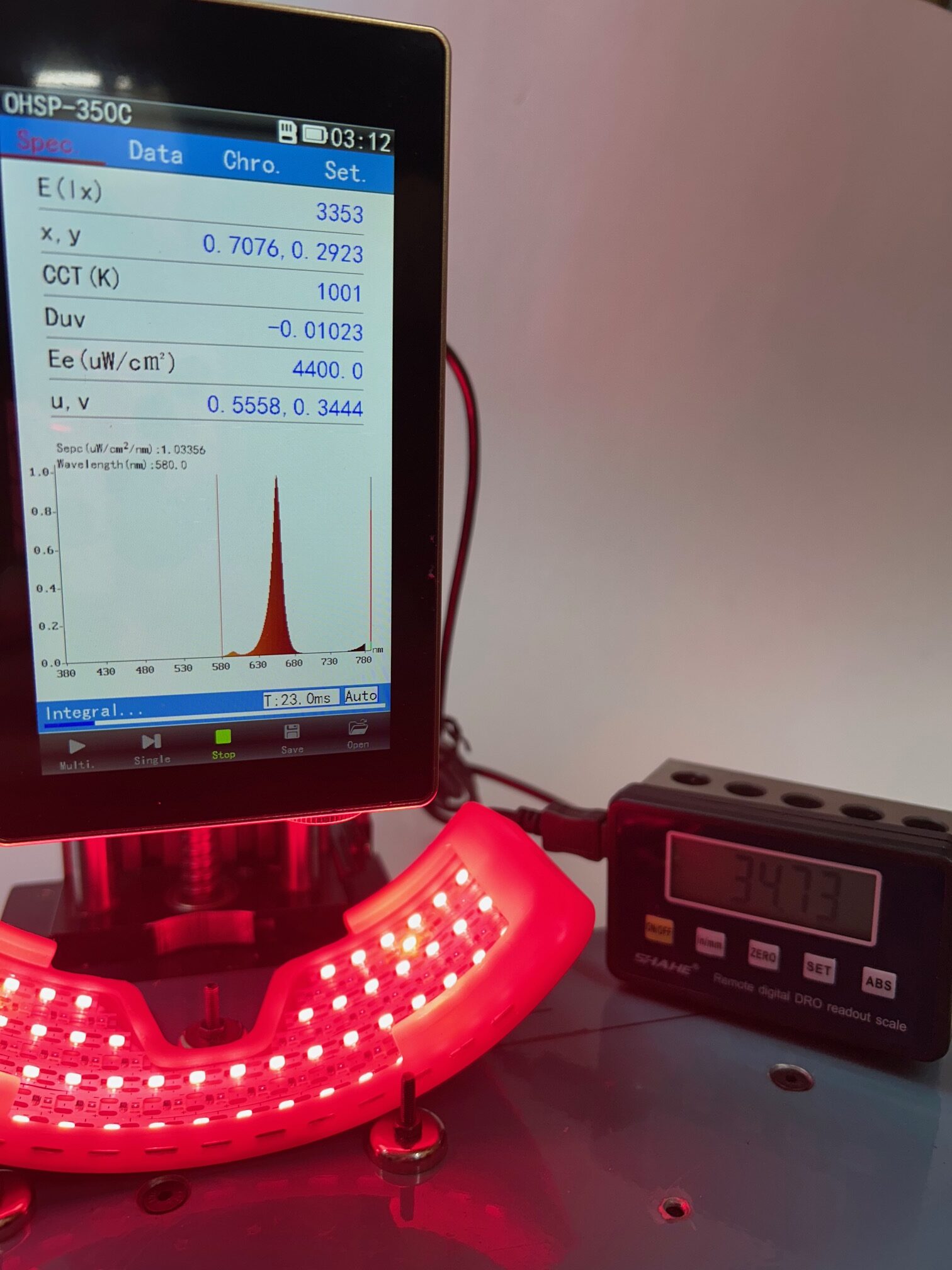
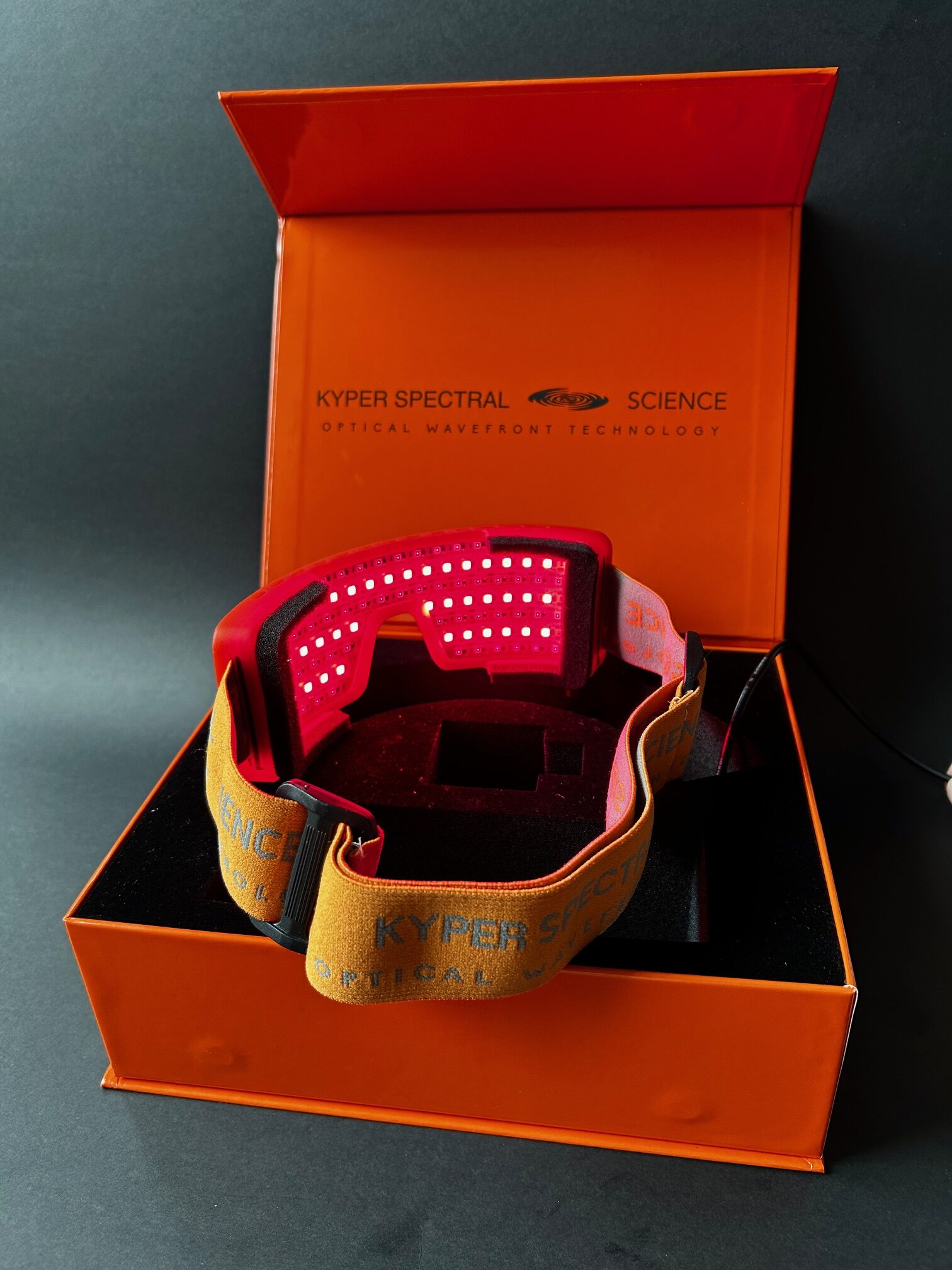
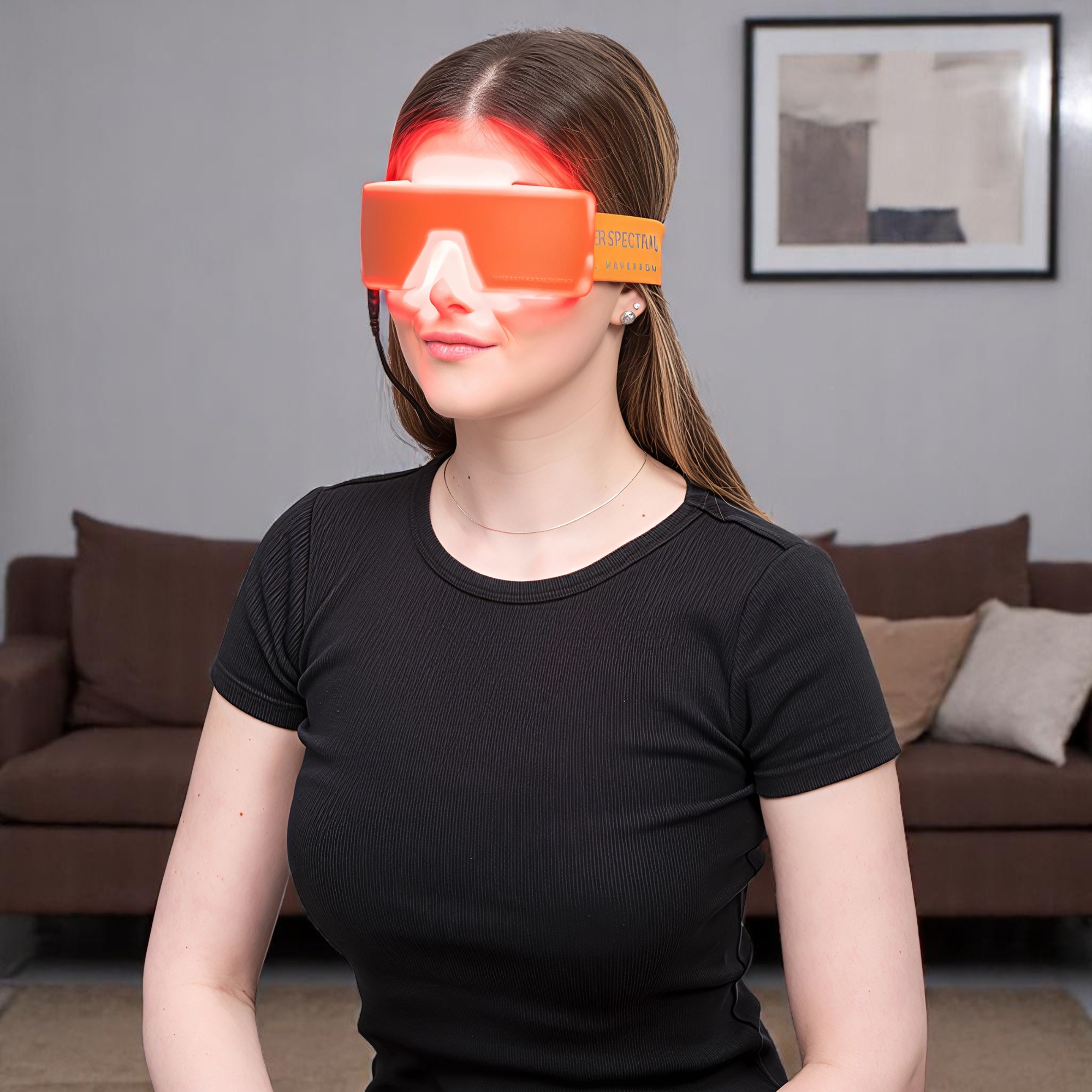
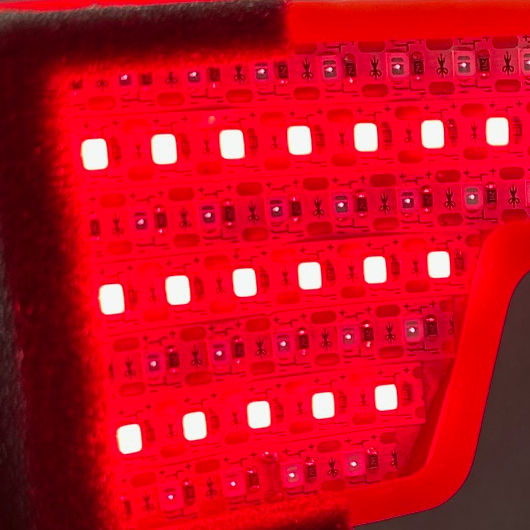
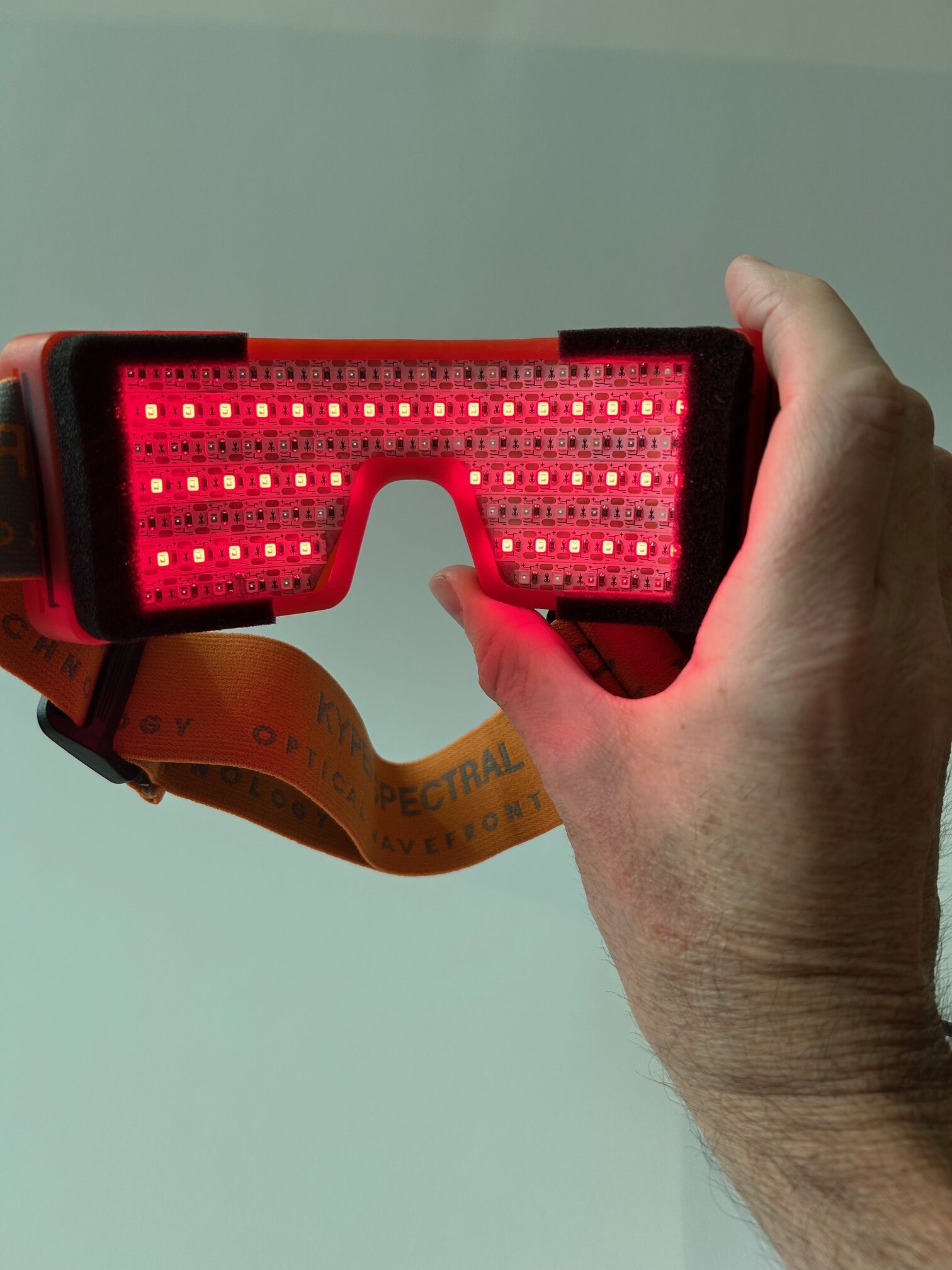
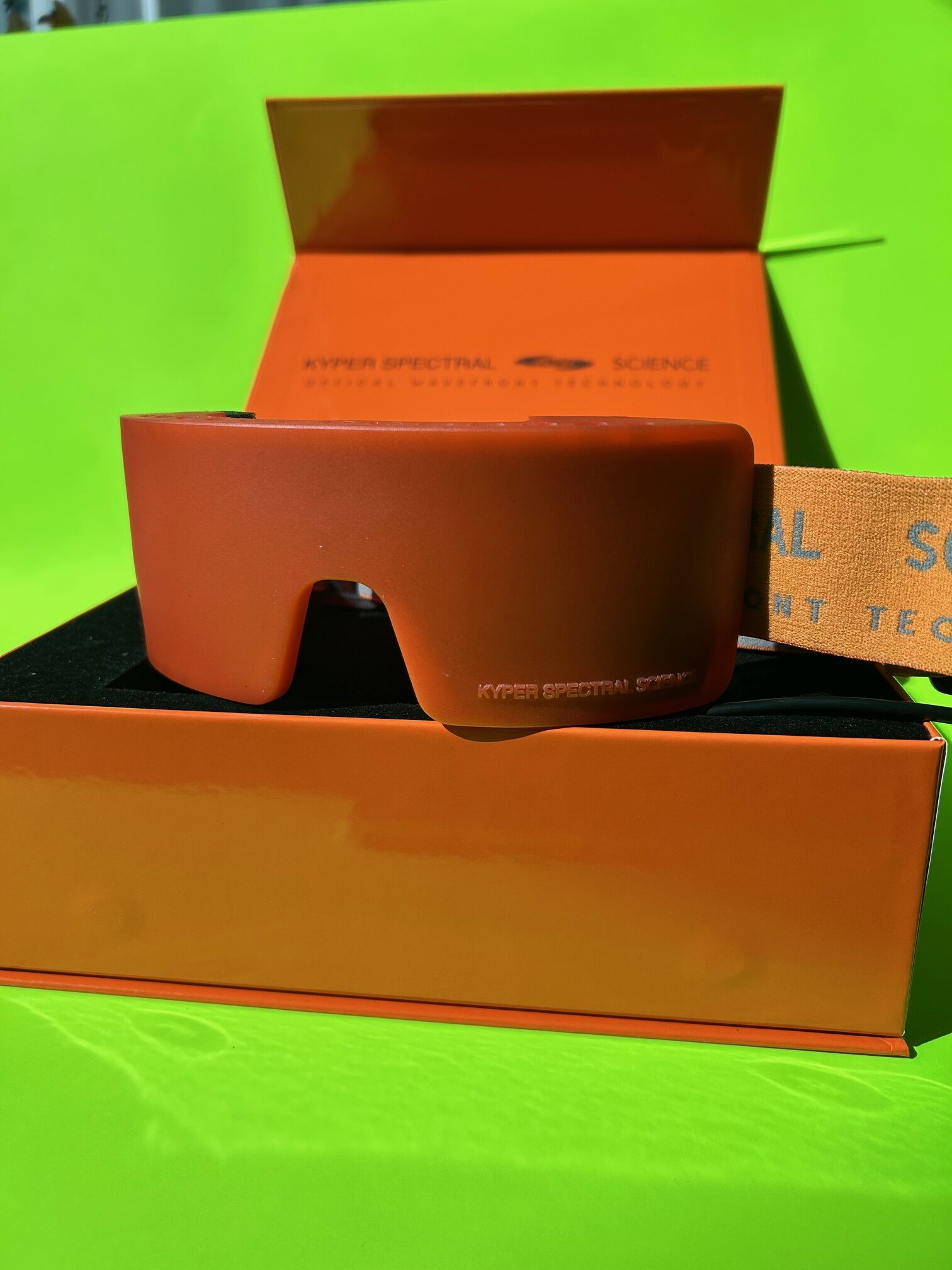
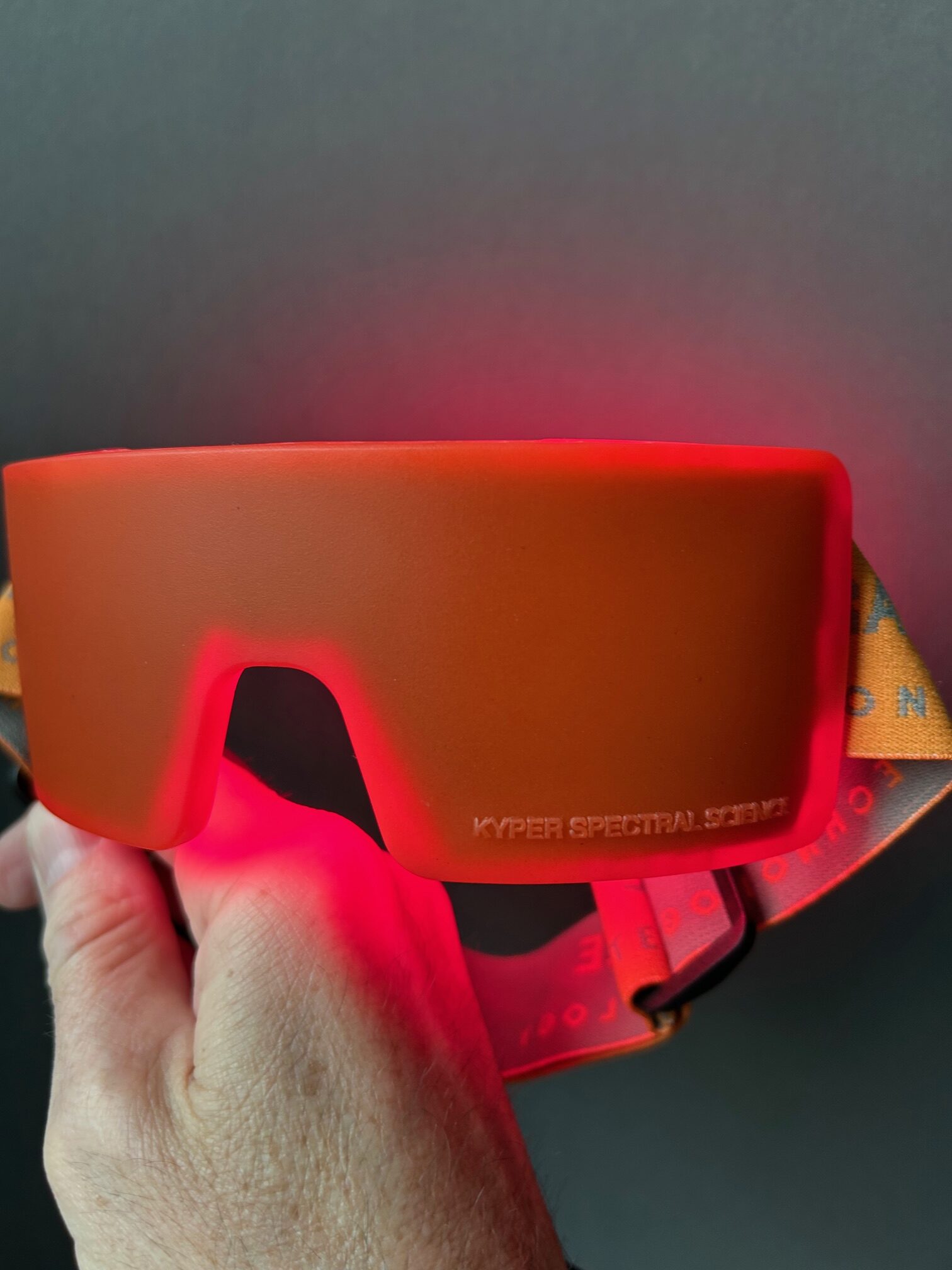
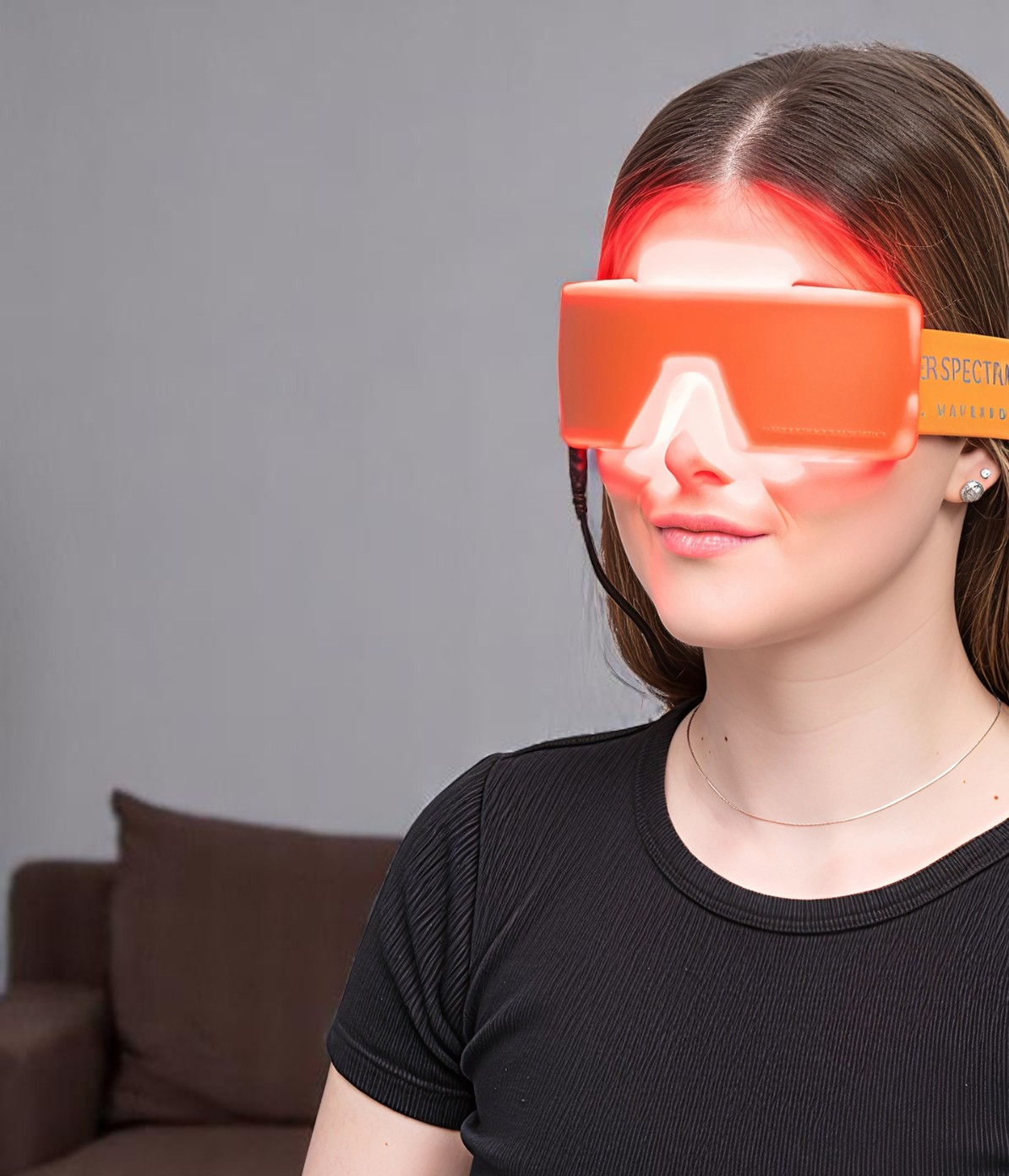
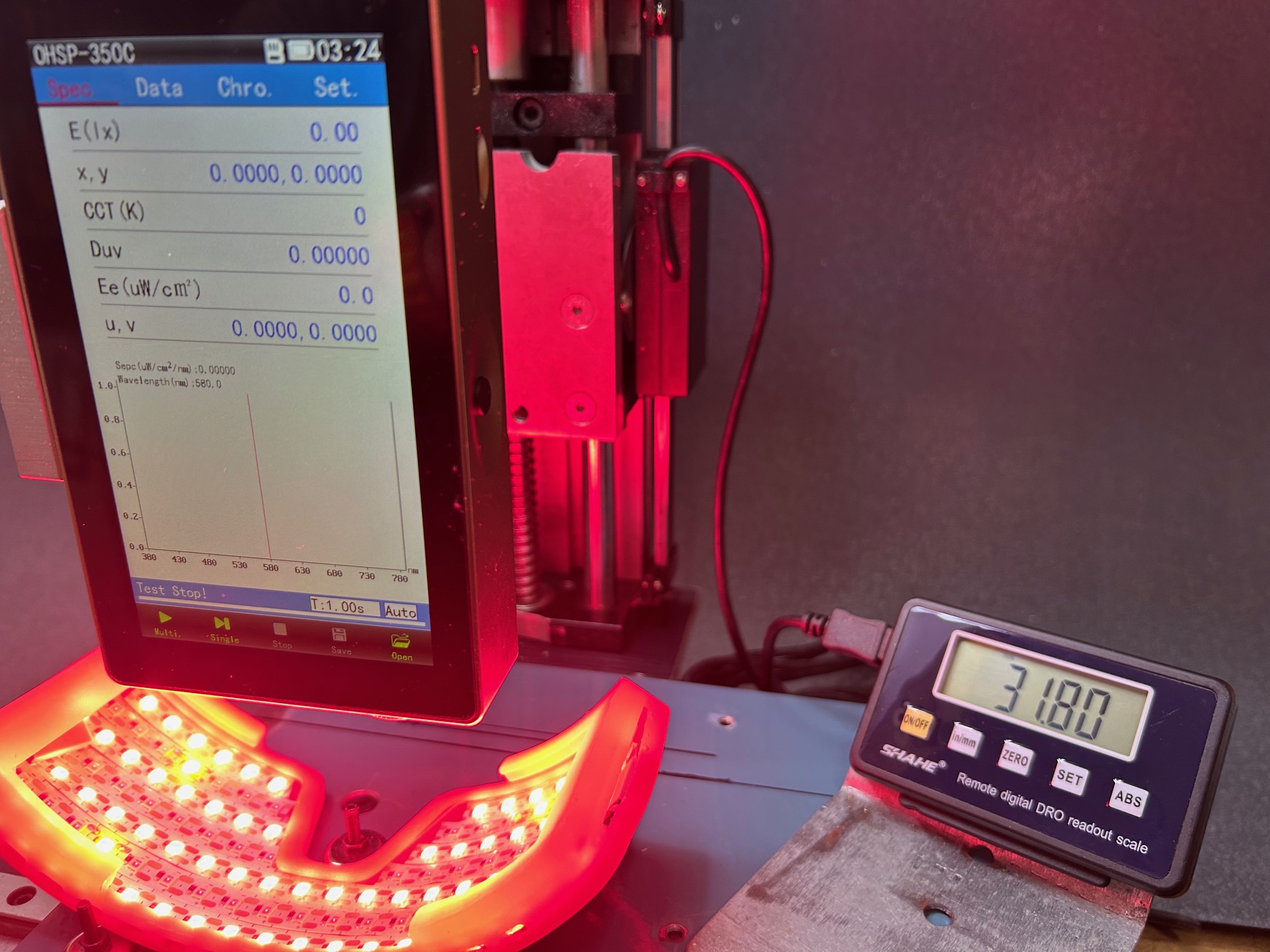
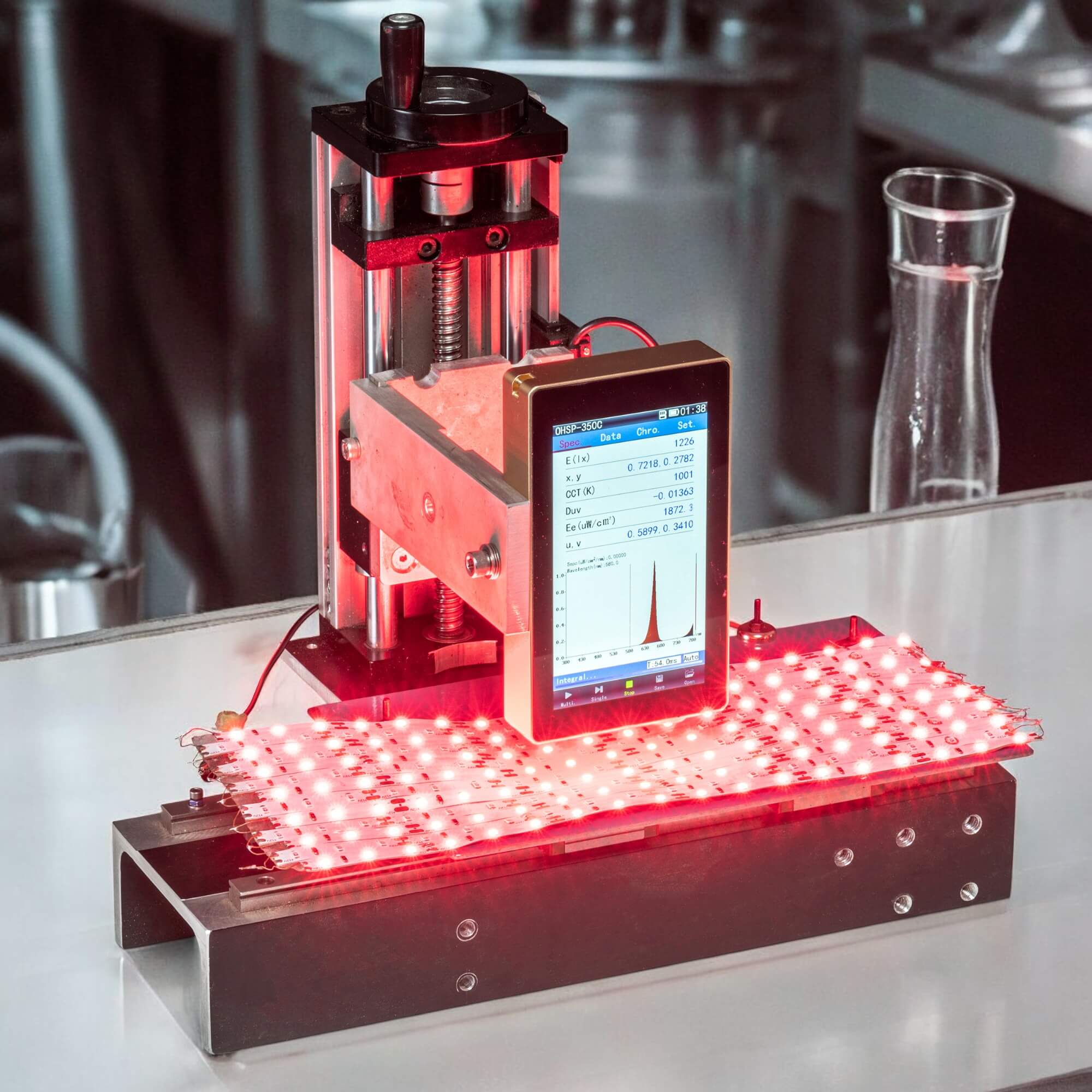
Safe and effective: precise energy, clinical photobiomodulation light spectrum and timed dose are fundamental to the WaveFront’s vision support and macular health.
Primary, peer-reviewed research is at the core of WaveFront development. Below is our Research Library–the published, primary scientific resources we use to guide the design and output of the WaveFront. Our research is comprehensively updated as published studies become available, incorporated into our research & development and ultimately, our products.
We are pleased to make these resources available directly to you here–each is linked to its publication site and is summarised (Abstract) for your convenience.
To inspect the WaveFront’s output for safety and efficiency, find our WaveFront Evidence Alignment paper that synthesises key WaveFront energy and spectrum output with scientific studies in our Research Library.
Clinicians: we have prepared an ocular condition vs WaveFront output paper for your reference here
May 21, 2026
May 13, 2026
May 13, 2026
May 13, 2026

May 13, 2026

May 13, 2026
October 11, 2025

October 11, 2025
September 13, 2025
September 13, 2025
September 13, 2025
September 13, 2025
September 13, 2025
September 13, 2025
September 8, 2025

September 8, 2025

September 8, 2025
September 8, 2025

September 8, 2025
August 29, 2025
August 18, 2025
August 5, 2025
June 10, 2025
March 5, 2025
July 21, 2024
July 15, 2024
July 1, 2024

June 28, 2024

June 21, 2024

June 18, 2024
June 2, 2024
May 30, 2024

May 22, 2024
May 18, 2024
May 16, 2024
May 11, 2024
May 8, 2024
May 6, 2024
May 2, 2024
April 29, 2024
April 24, 2024
April 24, 2024
April 21, 2024
April 20, 2024
April 18, 2024
April 16, 2024
April 16, 2024
April 14, 2024
April 13, 2024
April 11, 2024
April 9, 2024
April 6, 2024
April 2, 2024
March 30, 2024
March 28, 2024
March 26, 2024
March 25, 2024
March 21, 2024
March 20, 2024
March 18, 2024
March 17, 2024
March 15, 2024
March 14, 2024
March 10, 2024
March 8, 2024
March 6, 2024
March 5, 2024

March 3, 2024
March 2, 2024
February 28, 2024
February 25, 2024
February 21, 2024
February 20, 2024
February 19, 2024
February 18, 2024
February 17, 2024
