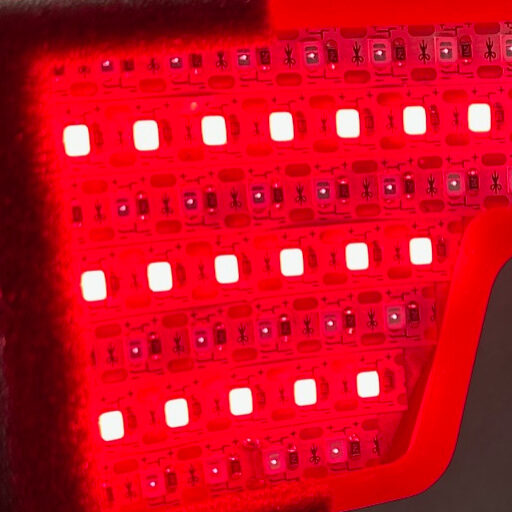
Condition Focus: Ocular Health, Retinal & Vision Support
At-home red light therapy for eyes, also known as ocular photobiomodulation, is the application of specific wavelengths of low-level red and near-infrared light to support retinal cellular function and manage eye-related conditions. By stimulating the mitochondria within retinal cells, this therapy aims to enhance energy production and reduce oxidative stress that can impact vision over time.
Understanding how to balance these therapeutic benefits with proper safety protocols is essential for individuals seeking to support their long-term ocular health.
This guide examines the science behind ocular photobiomodulation, details necessary safety and device selection criteria, outlines evidence-based clinical benefits for various eye conditions, and provides practical protocols for consistent, effective home use.
Understanding At-Home Red Light Therapy for Eyes
Ocular photobiomodulation (PBM) is a non-invasive therapy that uses specific wavelengths of red and near-infrared light to stimulate mitochondrial repair, reduce oxidative stress, and enhance the metabolic function of retinal cells. By delivering targeted light energy to the eye, this treatment supports the natural processes required to maintain vision and slow the progression of degenerative conditions.
The Science of Ocular Photobiomodulation
The primary mechanism of at-home red light therapy for eyes centers on the production of adenosine triphosphate (ATP). Within the retina — one of the most energy-demanding tissues in the human body — cells rely on mitochondria to function. As we age, mitochondrial efficiency declines, leading to a decrease in ATP and an increase in harmful reactive oxygen species.
When light in the 600nm to 900nm range reaches the retina, it is absorbed by a mitochondrial enzyme called cytochrome c oxidase (CCO). This absorption triggers several critical biological responses:
- Increased ATP production. The absorption of photons accelerates the electron transport chain, boosting the energy available for cellular repair and maintenance.
- Nitric oxide release. Photobiomodulation prompts the release of nitric oxide, which improves local blood flow and oxygenation to ocular tissues.
- Reduced inflammation. By modulating signaling pathways, PBM helps downregulate inflammatory cytokines that contribute to macular degeneration and other retinal conditions.
Deep-Red vs. Near-Infrared (NIR) for Retinal Health
To achieve these results, selecting the correct wavelength is essential. While both deep-red and near-infrared light are effective, they interact with ocular tissue differently.
| Feature | 670nm (Deep-Red) | 810nm (Near-Infrared) |
| Primary target | Retinal mitochondria (photoreceptors) | Deep ocular tissues and choroid |
| Absorption depth | High absorption by cytochrome c oxidase | Deeper penetration into vascular layers |
| Main benefit | Boosting ATP and cellular energy | Reducing deep-tissue inflammation |
| Visibility | Visible bright red light | Invisible to the human eye |
| Key use case | Visual acuity and contrast sensitivity | Overall ocular health and tissue repair |
670nm deep-red light is the most widely studied wavelength for age-related vision decline. Research indicates this specific wavelength is highly effective at supporting the mitochondria in the cones and rods of the retina, which are responsible for color vision and low-light performance.
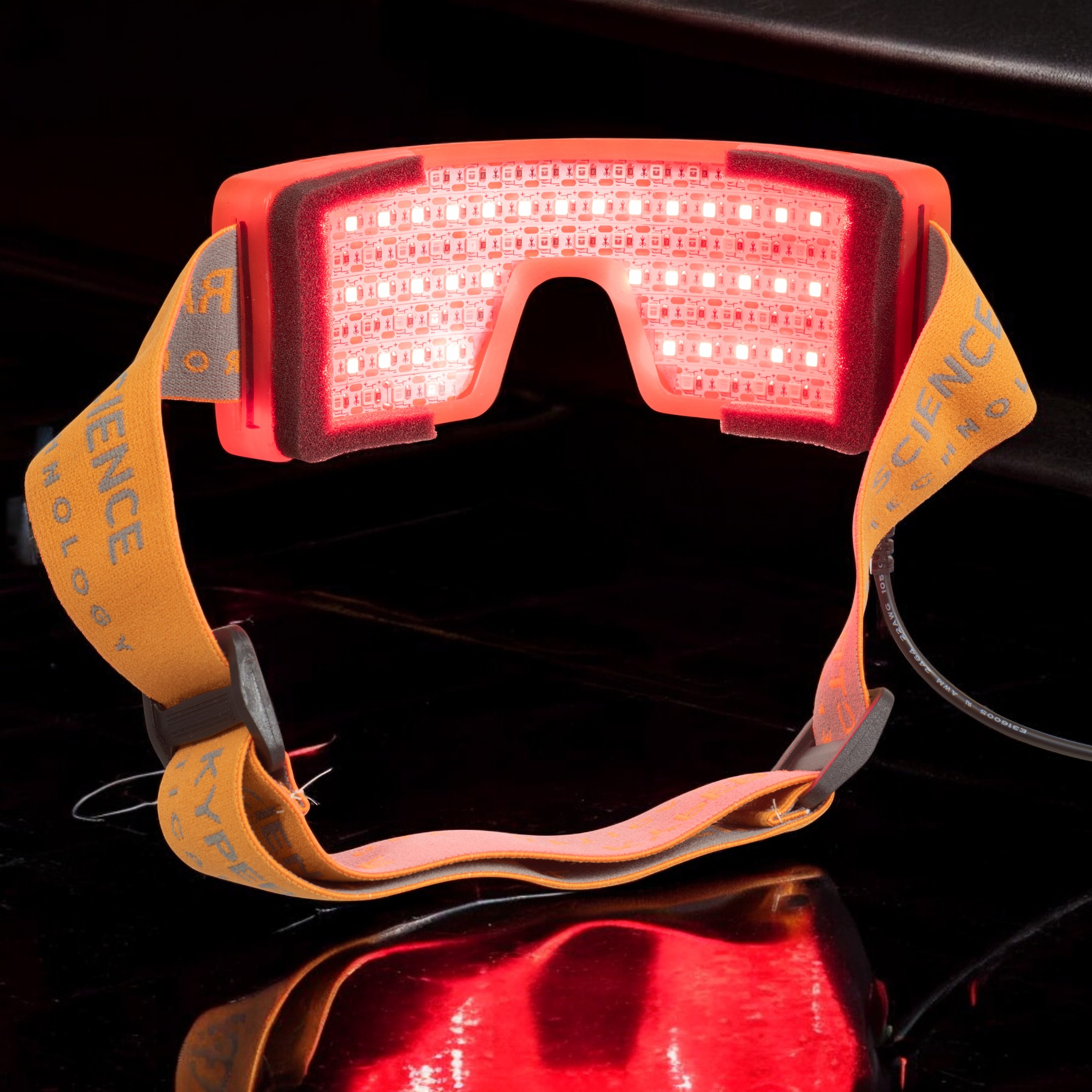
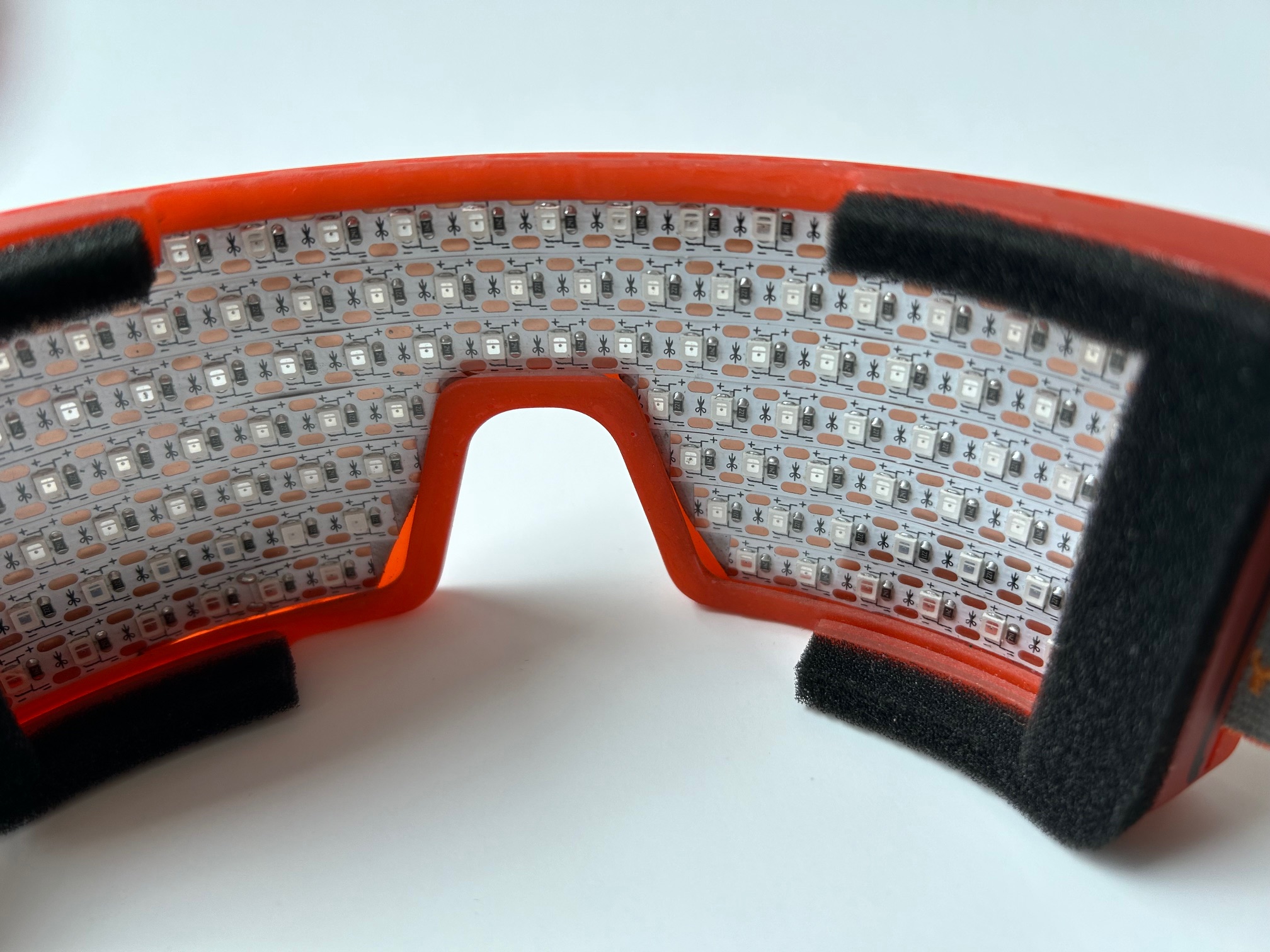
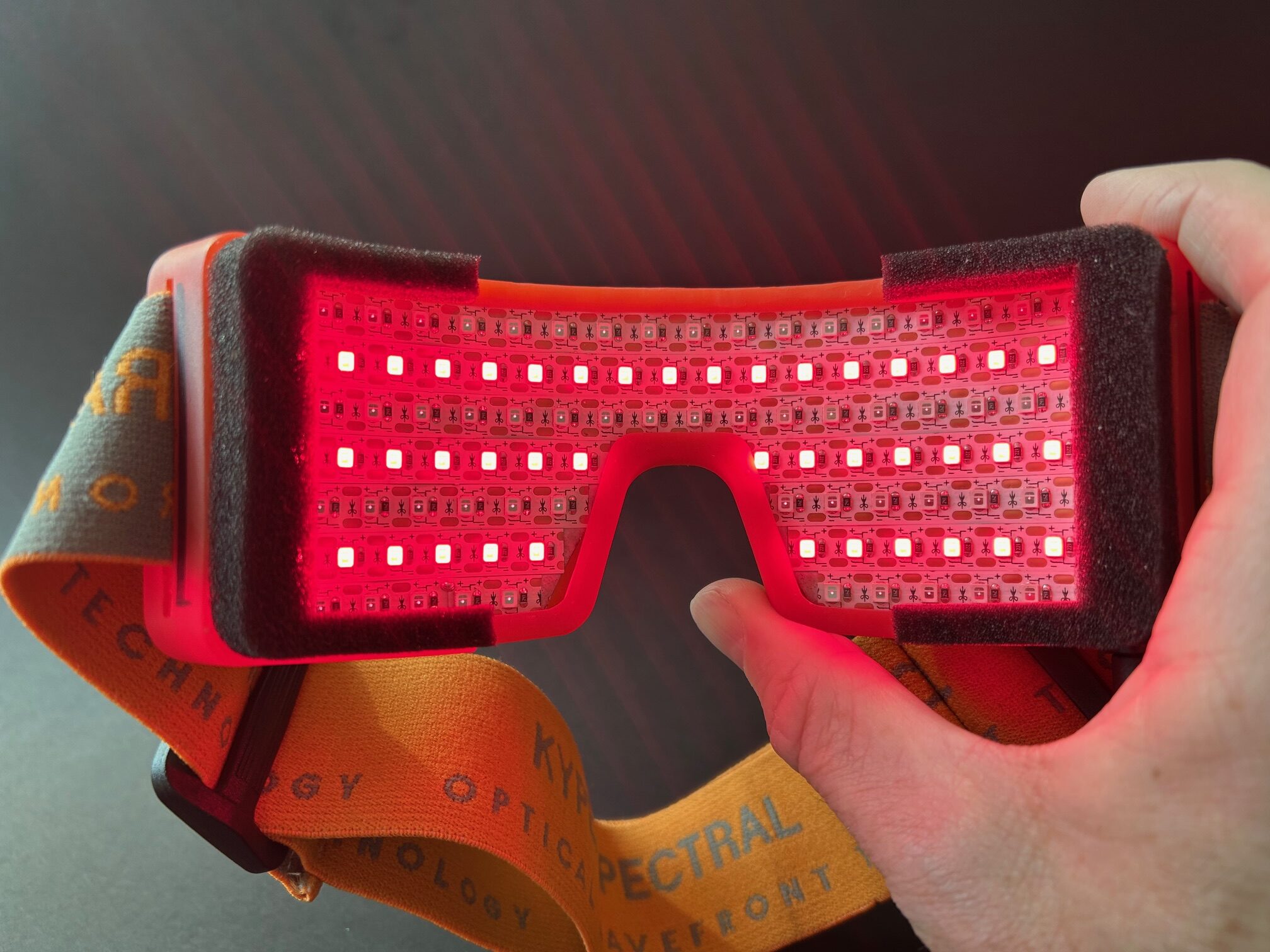
810nm near-infrared light offers deeper penetration. Because NIR light passes more easily through the denser structures of the eye, it targets the choroid — the vascular layer that provides oxygen and nourishment to the outer retina. The Spectral WaveFront combines both wavelengths to ensure all layers of the eye receive the energy necessary for comprehensive vision support.
Safety Protocols and Device Selection
While light-based treatments offer promising benefits for ocular health, maintaining strict safety standards is essential. Understanding when and how to apply these therapies ensures your routine remains both effective and safe.
Is Direct Red Light Exposure Safe for Eyes?
Yes, when administered within the specific irradiance limits and wavelengths validated by clinical research, red light therapy is considered safe for the eyes. Unlike ultraviolet (UV) or high-intensity blue light, red and near-infrared wavelengths do not carry enough energy to cause thermal damage to retinal tissue under standard operating conditions.
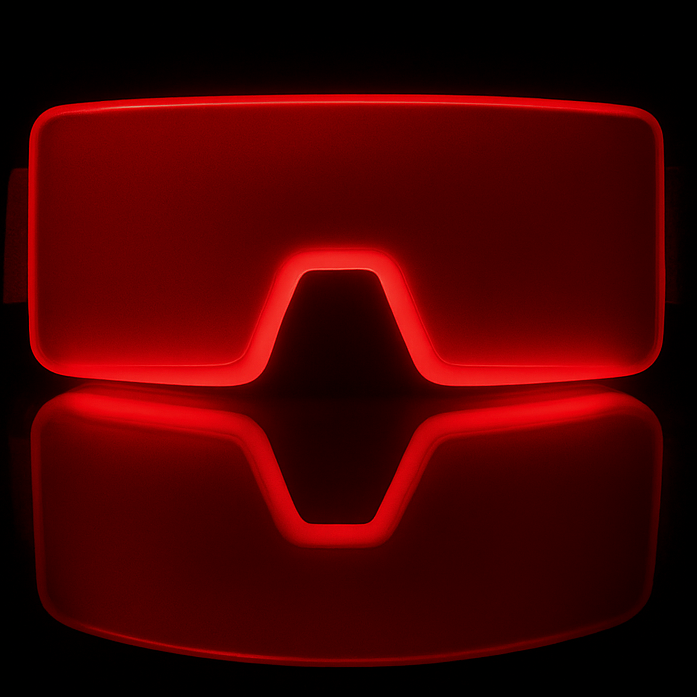
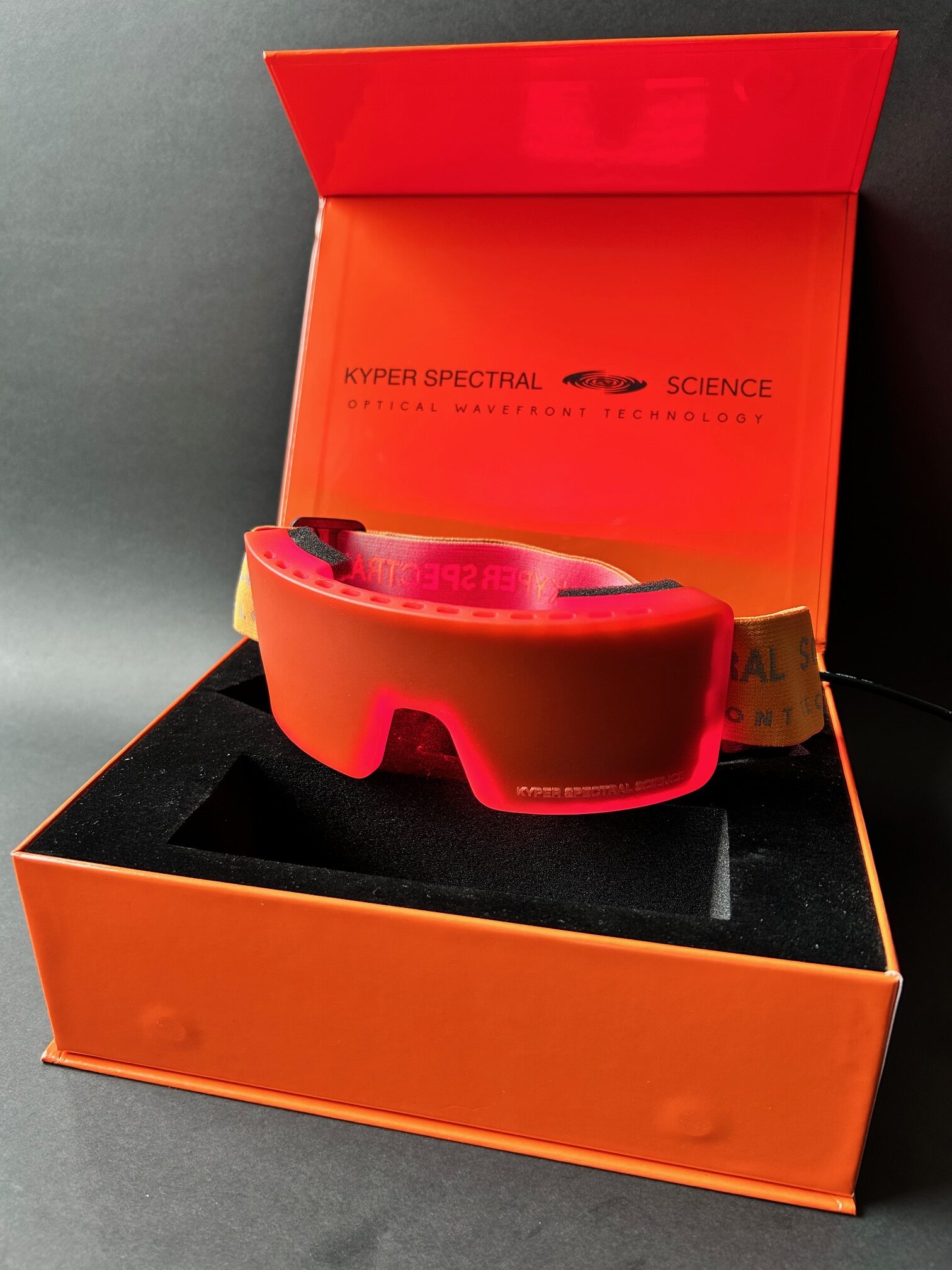
The key distinction is device engineering. High, or unknown, irradiance used by generic panels designed for skin and muscle recovery are not calibrated for direct ocular use and caution suggests using protective goggles. The Spectral WaveFront is specifically engineered for periocular use at therapeutic irradiance levels (~5 mW/cm²) and is designed for direct use over both eyes without goggles.
Signs of Eye Strain and Discomfort
Even with a safe device, your eyes may need time to adapt to new light stimulus. Using the WaveFront for just a minute or 2 at first helps you to understand how it feels. Monitoring how your vision feels during and after a session is the best way to calibrate your usage. If you experience the following, reduce your session frequency:
- Temporary blurred vision immediately following a session
- Dryness or irritation in the corneal area
- Excessive glare or after-images that persist for more than a few minutes
- Headaches or brow strain during therapy
Contraindications and Medication Precautions
Talk with your eye care professional before incorporating any new modality if you have:
- Active cancer under treatment
- A recent stem cell transplant or active immune suppression
- Photosensitivity disorders (such as lupus or porphyria)
- Photosensitizing medications (such as tetracycline or certain retinoids)
- Active or uncontrolled uveitis or acute ocular inflammation
- Recent eye surgery — use only once the surgical site is fully healed and cleared by your surgeon
If you are taking any medication that warns against sun exposure, apply the same caution to red light therapy and discuss with your eye care professional before starting.
Choosing a Device Built for Ocular Use
Not all red light devices are created equal, especially when it involves direct exposure to the sensitive tissues of the retina. Using a device designed for the body or face on your eyes can be problematic due to differences in irradiance levels and wavelength precision. When seeking at-home red light therapy for eyes, select a device specifically engineered for ocular use.
Skincare vs. Vision-Support Devices
The primary difference between skincare devices and vision-specific devices is the intensity and delivery of light. While skin can tolerate higher irradiance to penetrate dermal layers, the eyes require a much lower, more precise dose to stimulate mitochondrial function without causing thermal stress.
| Feature | Skincare red light devices | Vision-support devices |
| Irradiance | May be high (often >50 mW/cm²) | Low and controlled (~5 mW/cm²) |
| Flicker | Often present; not prioritized | Flicker-free continuous-wave delivery |
| Wavelength | Broad spectrum | Specific dual-band: 670nm + 810nm |
| Engineering focus | General wellness or dermatological | Documented PBM dosing for ocular tissue |
What to Look For When Evaluating a Home Device
When evaluating any device for ocular use, the questions worth asking are:
- Are the wavelengths specified and within the studied range for ocular PBM — specifically 670nm and 810nm?
- Is the irradiance specified and within the therapeutic window documented in the research (~5 mW/cm²)?
- Is the light continuous-wave and flicker-free?
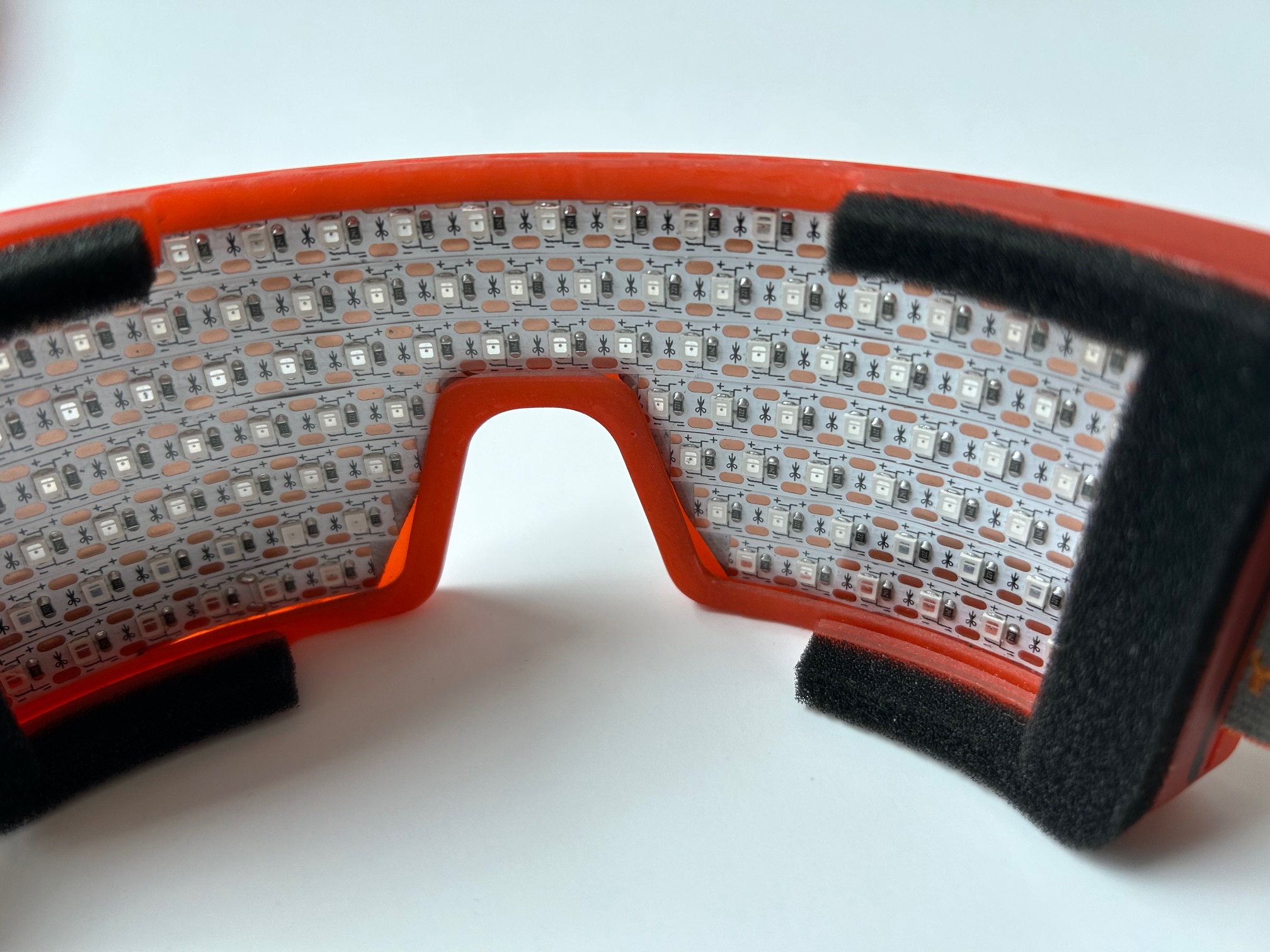
- Is the form factor engineered to deliver uniform light to both eyes simultaneously?
- Is there a clear protocol grounded in peer-reviewed research?
A device that satisfies all five questions is positioned to deliver PBM consistent with the parameters used in the published literature.
Clinical Benefits for Vision Support and Common Conditions
Slowing the Progression of AMD
Age-related macular degeneration (AMD) is a leading cause of vision loss, primarily affecting the central part of the retina. Studies suggest that PBM may help manage early to intermediate stages of dry AMD by enhancing cellular energy production in the retinal pigment epithelium (RPE).
Jackson et al. 2023 (LIGHTSITE III), a multicenter randomized trial, showed that multi-wavelength light therapy supported improved clinical outcomes including gains in best-corrected visual acuity (BCVA) and contrast sensitivity at 13 and 24 months. While PBM is not a cure, research indicates it may help maintain retinal function alongside conventional care. For a comprehensive review of the AMD evidence base, see the AMD & macular health research library.
The Role of Mitochondrial Support in AMD
The primary mechanism involves the absorption of photons by cytochrome c oxidase, which helps support aging retinal cells by improving mitochondrial efficiency and reducing metabolic decline associated with intermediate AMD. The foundational mitochondrial work underlying this mechanism is documented in Eells et al. 2003, with AMD-specific evidence in Begum 2013 and Fantaguzzi 2023.
Myopia Support
Recent clinical evidence highlights repeated low-level red-light (RLRL) therapy as a promising area of research for myopia management. Zhu et al. 2022 examined red light irradiation as an intervention for myopia and reported findings on axial length management. At-home ocular PBM devices are designed for adult use; any application for minors should involve a pediatric ophthalmologist who can evaluate the specific situation.
Dry Eye Disease and Meibomian Gland Dysfunction
Chronic dry eye is frequently caused by meibomian gland dysfunction (MGD), where the oil-producing glands in the eyelids become blocked or inflamed. At-home red light therapy can provide targeted relief by supporting gland function and reducing localized inflammation.
Published research including Antwi 2024, Park 2022, and Goo 2023 demonstrates that PBM can improve tear film quality and alleviate symptoms of ocular surface disease. For a comprehensive overview, see our complete dry eye & LLLT guide.
A Practical Protocol for At-Home Ocular PBM
Session Structure
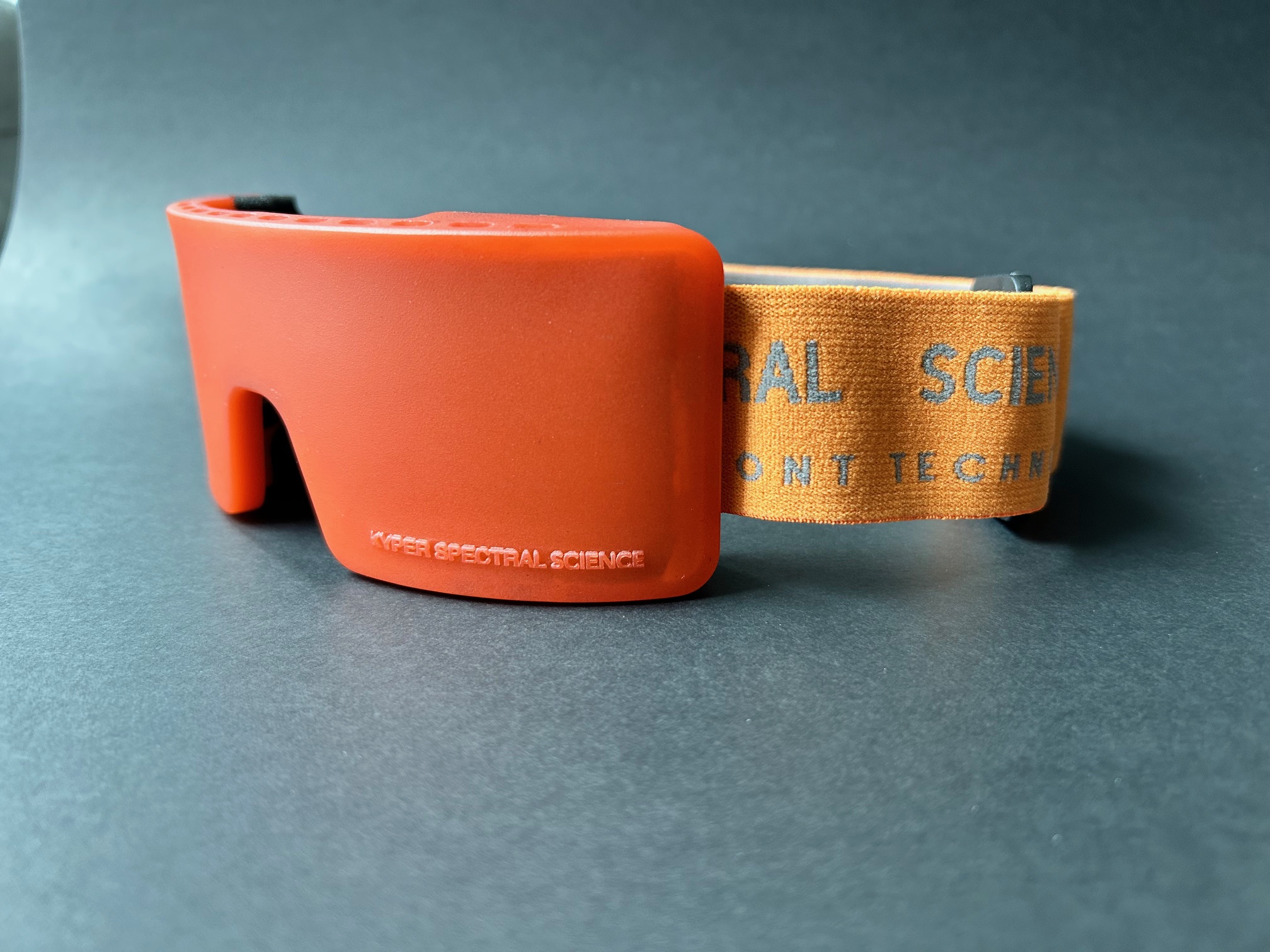
The Spectral WaveFront delivers continuous-wave 670nm and 810nm light at approximately 5 mW/cm² in a worn-mask form factor. All sessions are worn directly over both eyes with no distance variable. The WaveFront uses two primary protocols, plus two combined protocols for users managing multiple conditions.
| Protocol | Duration | Use for |
| Eyes open | 16 minutes | Retinal and macular conditions, including AMD, diabetic retinopathy, retinitis pigmentosa, Stargardt disease, choroideremia, contrast sensitivity, MacTel Type 2, eye stroke, and aging vision |
| Eyes closed | 21 minutes | Eyelid and surface conditions, including dry eye, MGD, blepharitis, chalazion, recurrent styes, glaucoma, Sjögren’s dry eye, and EBMD |
| Hybrid | 21 minutes closed, last 3–4 minutes eyes open | Multiple conditions in one session, such as AMD plus dry eye |
| Alternate | One session eyes open, next eyes closed | Multiple conditions across sessions, every other day |
A standard session delivers approximately 4.8 joules per square centimeter of total energy and produces a comfortable therapeutic warmth of about 39°C. The light is continuous-wave, not pulsed.
Frequency
The standard cadence is every other day — approximately three to four sessions per week. Occasional daily use is appropriate during a flare-up, and consecutive days are fine if days have been missed. Sessions can be done at any time of day that fits your routine.
The WaveFront is positioned as ongoing metabolic support, not a finite course of treatment. Use it the same way you would exercise — ongoing, not a course. When sessions stop, the cellular support stops.
What to Expect: A General Timeline
Improvements in vision and ocular comfort do not happen overnight. Photobiomodulation works by supporting cellular energy processes, which is a gradual biological shift.
- Weeks 1–2: Initial acclimation; some users report a reduction in dry eye symptoms and eyelid comfort.
- Weeks 3–6: Improved contrast sensitivity and reduced eye fatigue during daily tasks.
- Months 3+: Sustained support for macular health and long-term vision maintenance.
These are general patterns, and as everyone’s biology is unique, individual timelines vary based on the condition being supported and its chronicity.
Vision Preservation
Proactive eye care has shifted from reactive correction to cellular optimization. By integrating at-home red light therapy for eyes into your daily routine, you are addressing a root contributor to ocular aging — mitochondrial fatigue.
The Intersection of Light Therapy and Ocular Longevity
Your retina contains one of the highest concentrations of mitochondria in your body, making it exceptionally sensitive to energy depletion. As you age, the efficiency of these cellular powerhouses declines, leading to a buildup of oxidative stress and a decrease in ATP production. This is where photobiomodulation becomes relevant.
When you expose your eyes to 670nm red light, the photons are absorbed by cytochrome c oxidase within the mitochondria. This process stimulates ATP production, reduces inflammation, and enhances cellular signaling — ensuring that metabolic waste products are efficiently cleared from ocular tissues.
A Holistic Approach to Eye Care
While red light therapy supports the metabolic foundation of your visual system, targeted nutrition provides complementary structural protection. Carotenoids such as lutein and zeaxanthin deposit in the macula to filter harmful blue light and neutralize free radicals. The synergy between nutrition and light therapy is meaningful:
- Enhanced nutrient utilization. Increased ATP from light therapy allows cells to more effectively transport and utilize antioxidants.
- Structural protection. While nutrients protect the physical structure of the macula, red and near-infrared light support the metabolic processes that keep those structures functioning.
- Oxidative balance. PBM supports the cellular antioxidant environment, complementing the lutein and zeaxanthin in your system.
| Pillar | Action | Biological goal |
| Photobiomodulation | 670nm + 810nm red and near-infrared light | Mitochondrial ATP production and oxidative-stress balance |
| Targeted nutrition | Lutein & zeaxanthin | Blue light filtration and antioxidant defense |
| Hydration & rest | Consistent sleep | Waste removal via the glymphatic system |
Frequently Asked Questions
Can at-home red light therapy damage the retina?
When using devices specifically designed for ocular use with appropriate irradiance levels, at-home red light therapy is safe. Unlike high-intensity lasers or high-energy blue light, low-level red light at 670nm and near infrared 810nm do not generate thermal damage or photochemical toxicity in the retina under documented protocol conditions. Using industrial-strength or unknown strength panels or unregulated devices at close range poses significant risks — device engineering matters.
How often should you use a red light therapy device for the eyes?
Every other day — approximately three to four sessions per week. Occasional daily use is appropriate during a flare-up. Excessive use does not improve outcomes and may lead to diminishing returns through the well-documented biphasic dose response, where exposure beyond the therapeutic window can inhibit rather than support cellular function.
Should my eyes be open or closed?
It depends on the condition being supported. For retinal and macular conditions, the eyes-open protocol (16 minutes) allows 670nm and 810nm light to reach the back of the eye. For surface conditions like dry eye and MGD, the eyes-closed protocol (21 minutes) allows light and warmth to reach the eyelid glands. Both protocols are documented in the WaveFront Clinician Reference.
Is it safe to use red light therapy directly on the eyes?
Direct exposure is safe provided the device is specifically calibrated for ocular use at therapeutic irradiance levels. The Spectral WaveFront is engineered for this application. Using a device not designed for the eyes — particularly high-irradiance skin or body panels — can lead to discomfort, excessive glare, or light-induced strain.
How can a user distinguish between a skincare device and a vision-support device?
Skincare devices use broader wavelength ranges and higher or unknown irradiance to penetrate thick dermal layers. Vision-support devices specify precise wavelengths — typically 670nm and 810nm — at low irradiance (~5 mW/cm²), with continuous-wave delivery and a form factor designed for the eye. If a device does not disclose its irradiance and wavelengths, that is a meaningful flag.
Editor’s note: This guide was written by Simon Overington, the Founder of Kyper Spectral Science.
For the peer-reviewed studies referenced throughout, see Eells et al. 2003, Jackson et al. 2023, Begum 2013, Fantaguzzi 2023, Zhu et al. 2022, Antwi 2024, and Park 2022 in the research library.
Information is for educational purposes only and should not be interpreted as medical advice.
Related Articles
- Complete Dry Eye & LLLT Guide – Kyper Spectral Science
- Is Multiwavelength PBM Effective and Safe for AMD? – Jackson et al. 2023
- Photobiomodulation in Ophthalmology: Comprehensive Review – Garg et al. 2024
- Low-Level Light Therapy in Individuals with Dry Eye Disease – Antwi 2024
- Therapeutic Photobiomodulation for Retinal Toxicity – Eells et al. 2003