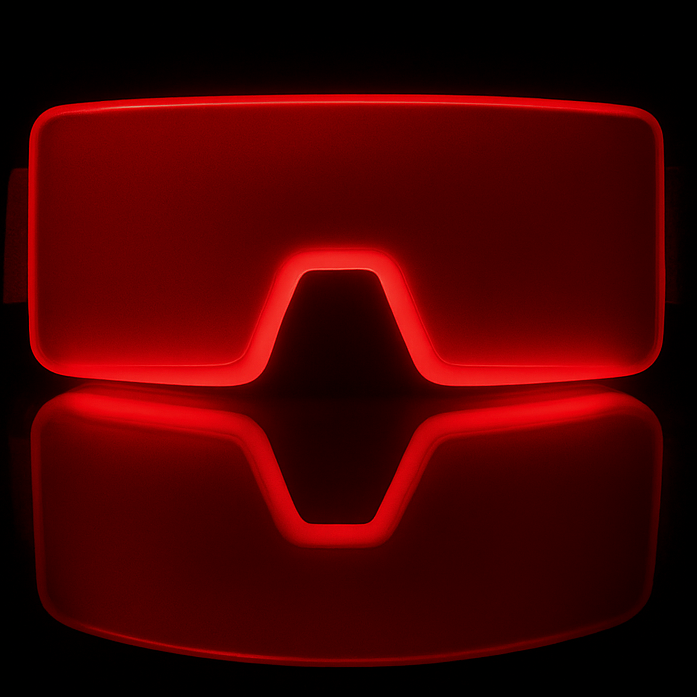
Condition Focus: Chalazion & Meibomian Gland Dysfunction (MGD)
Red light therapy, or photobiomodulation, is the application of specific low-level wavelengths of light to stimulate cellular repair and reduce inflammation within eyelid tissues. By supporting mitochondrial function and warming obstructed meibomian glands, this therapeutic approach addresses the root causes of persistent eyelid cysts.
For those managing chronic or recurring chalazia, traditional treatments like warm compresses often provide insufficient relief, leading to prolonged discomfort and potential surgical intervention. Understanding how to apply this technology safely ensures the protection of sensitive ocular structures while maximizing therapeutic outcomes.
This guide evaluates the clinical efficacy of light therapy for recalcitrant cysts, details the biological mechanisms that restore glandular function, compares professional and home-based devices, and outlines essential safety protocols for managing long-term eyelid health.
Efficacy of Red Light Therapy for Recalcitrant Chalazia
Can Red Light Therapy Shrink a Chalazion?
Yes. Low-Level Light Therapy (LLLT), specifically photobiomodulation at red and near-infrared wavelengths, can help shrink a chalazion by reducing inflammation and liquefying obstructed meibum within the eyelid. This non-invasive approach addresses the root cause of the blockage without the need for surgical incision or steroid injections. By delivering specific wavelengths of light, the therapy stimulates cellular activity in the meibomian glands, promoting the natural drainage of the cyst. Stonecipher and Potvin 2019 demonstrated significant benefit in patients with recalcitrant chalazia who had failed conventional topical or systemic treatments.
Treatment Success for Recurring and Recalcitrant Cases
For individuals suffering from chronic or recurring eyelid cysts, standard warm compresses often prove insufficient. Red light therapy offers a secondary line of defense that is particularly effective for recalcitrant cases — those that do not respond to traditional care.
- High resolution rates. Stonecipher and Potvin 2019 reported a 92% resolution rate in 22 patients (26 eyes) using combined IPL and LLLT.
- Reduced need for surgery. By softening hardened oils, LLLT often allows the chalazion to drain naturally, helping patients avoid incision and curettage.
- Management of MGD. Since most chalazia are a byproduct of meibomian gland dysfunction, red light therapy helps prevent future recurrences by improving overall gland health.
- Non-invasive. Unlike steroid injections, which carry a risk of skin depigmentation or thinning, photobiomodulation is safe across skin tones and involves no downtime.
Clinical Evidence for Persistent Eyelid Cysts
The shift toward photobiomodulation in ophthalmology is backed by increasing clinical data. Stonecipher and Potvin 2019 evaluated the use of LLLT for recalcitrant chalazia, concluding that the therapy is a beneficial and safe alternative for patients who have seen little success with pharmacological interventions.
The evidence suggests that red and near-infrared wavelengths stimulate mitochondria in eyelid tissues, increasing ATP production and modulating the inflammatory response. This biochemical change not only shrinks the existing mass but also stabilizes the ocular surface. For a broader review of photobiomodulation in ophthalmology, see Garg et al. 2024 in our research library.
| Traditional Chalazion Treatments | Red Light Therapy (LLLT) |
| Warm compresses, steroid injections, or surgical incision and curettage | Non-invasive application of specific light wavelengths via photobiomodulation |
| Often provides insufficient relief for recalcitrant cases; steroid injections carry risks of skin thinning or depigmentation | High resolution rates for persistent cysts; safe across skin tones; improves MGD for long-term prevention |
How Photobiomodulation Restores Meibomian Gland Function
Photobiomodulation is a non-invasive treatment that uses specific wavelengths of light to stimulate healing and improve cellular performance. When treating a chalazion, this process addresses the root cause: the blockage and inflammation within the meibomian glands.
The Mechanism of Action: ATP and Thermal Effects
The primary pathway is mitochondrial. When red or near-infrared light reaches eyelid cells, it triggers increased production of adenosine triphosphate (ATP) — the energy currency cells use to repair damage, reduce inflammation, and function efficiently.
This boost in cellular energy creates a transition from internal healing to physical relief. As the cells within the eyelid become more active, they generate a subtle localized warming effect. Combined with the gentle therapeutic warmth emitted by the device, this helps liquefy the hardened oils trapped inside the gland. The gland’s ability to clear itself is effectively restarted — turning thick, waxy blockages back into a healthy fluid state.
Optimal Wavelengths for Eyelid Health
Clinical research supports a dual-wavelength approach combining red and near-infrared light:
- 670nm (Red Light): Stimulates surface-level inflammation reduction and cellular activity closest to the skin’s surface.
- 810nm (Near-Infrared): Penetrates deeper into the eyelid, reaching the full depth of the meibomian gland structure to facilitate deep cellular repair.
Using both wavelengths together ensures every layer of eyelid tissue is supported, maximizing the likelihood of chalazion resolution without invasive drainage.
How Light Therapy Softens Glandular Obstructions
A chalazion forms because meibomian gland oils have become too thick to flow, eventually hardening into a lump. Light therapy resolves this through a three-step process:
- Metabolic activation. The surge in ATP gives cells the fuel needed to move fluids and repair the lining of the oil ducts.
- Viscosity reduction. Light energy and associated thermal effects raise eyelid temperature to approximately 39°C — the point where hardened meibum transitions from solid to liquid.
- Ductal clearance. Once liquefied, pressure within the gland naturally pushes the blockage toward the surface, allowing the eyelid to return to its healthy, flat state.
Clinical, In-Office LLLT vs. At-Home Devices
Professional LLLT treatments use high-output panels designed to deliver deep cellular stimulation in short, concentrated sessions. At-home devices vary significantly in their specifications. The critical differentiator is not power alone — it is whether the device is engineered specifically for ocular use.
| Feature | Clinical LLLT (In-Office) | At-Home Ocular PBM Device |
| Wavelength | Red 633-680nm & Near Infrared 800-830nm | 670nm + 810nm (WaveFront) |
| Power (Irradiance) | High-intensity output | ~5 mW/cm² therapeutic range |
| Cost | $150–$300 per session | One-time device investment |
| Frequency | Periodic (every 2–4 weeks for IPL) | Every other day; daily during flare-ups |
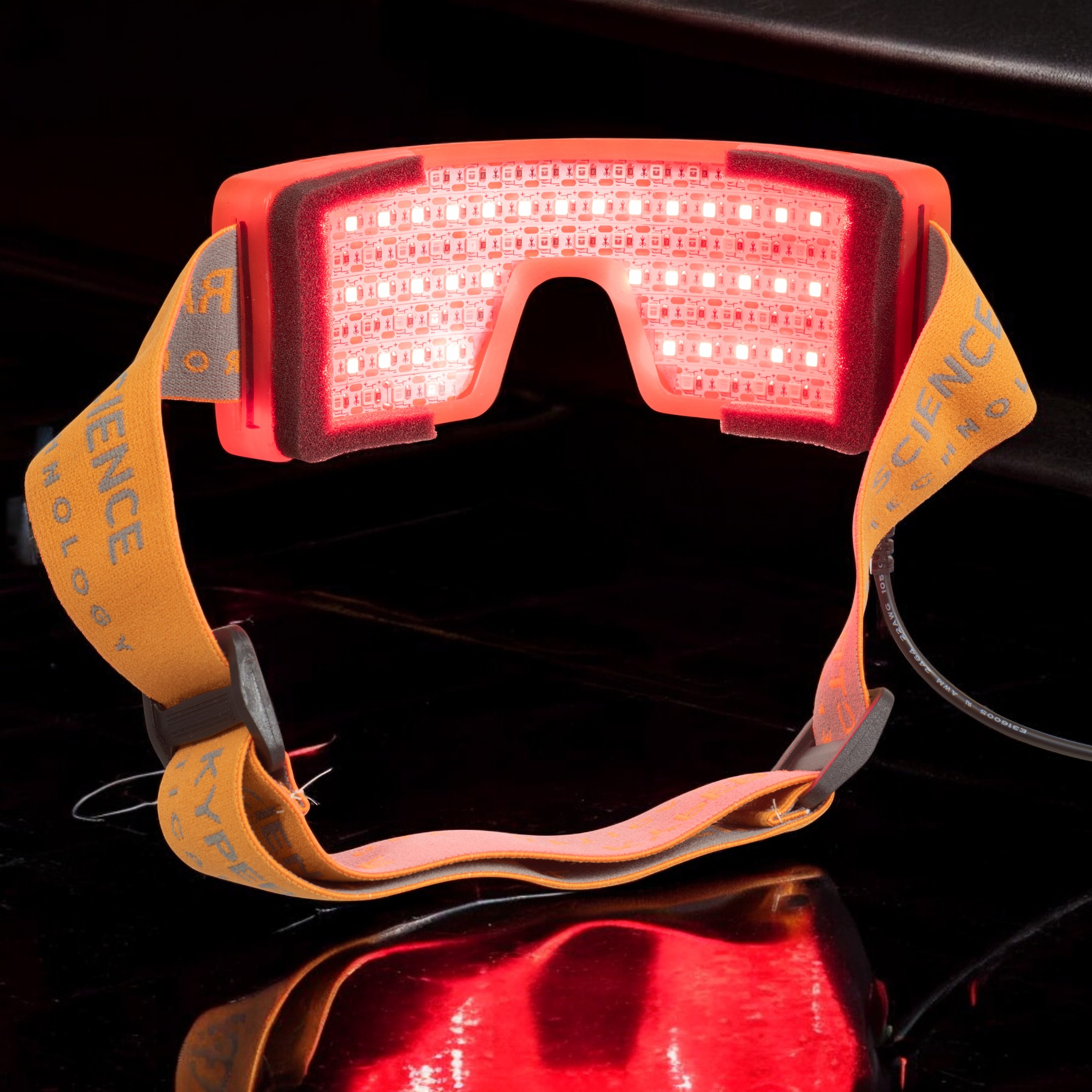
| Form factor | Panel, provider-administered | Worn mask, self-administered |
Can At-Home Devices Match Clinical Results?
Research suggests that at-home devices can achieve similar results when they meet specific technical standards. The two most critical factors are irradiance and consistency of use.
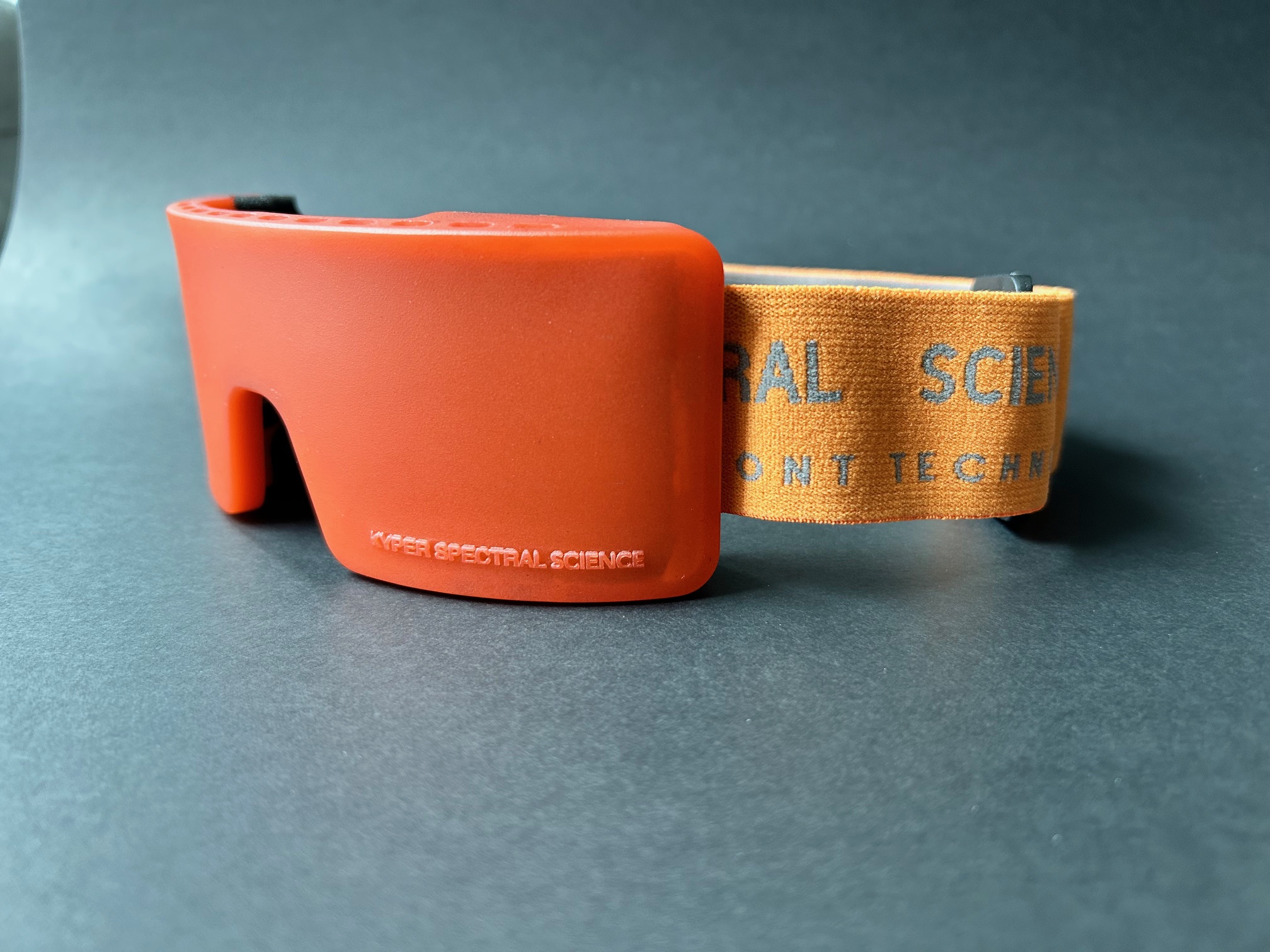
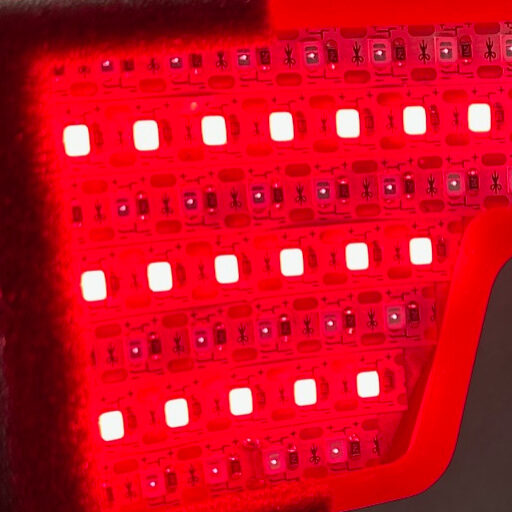
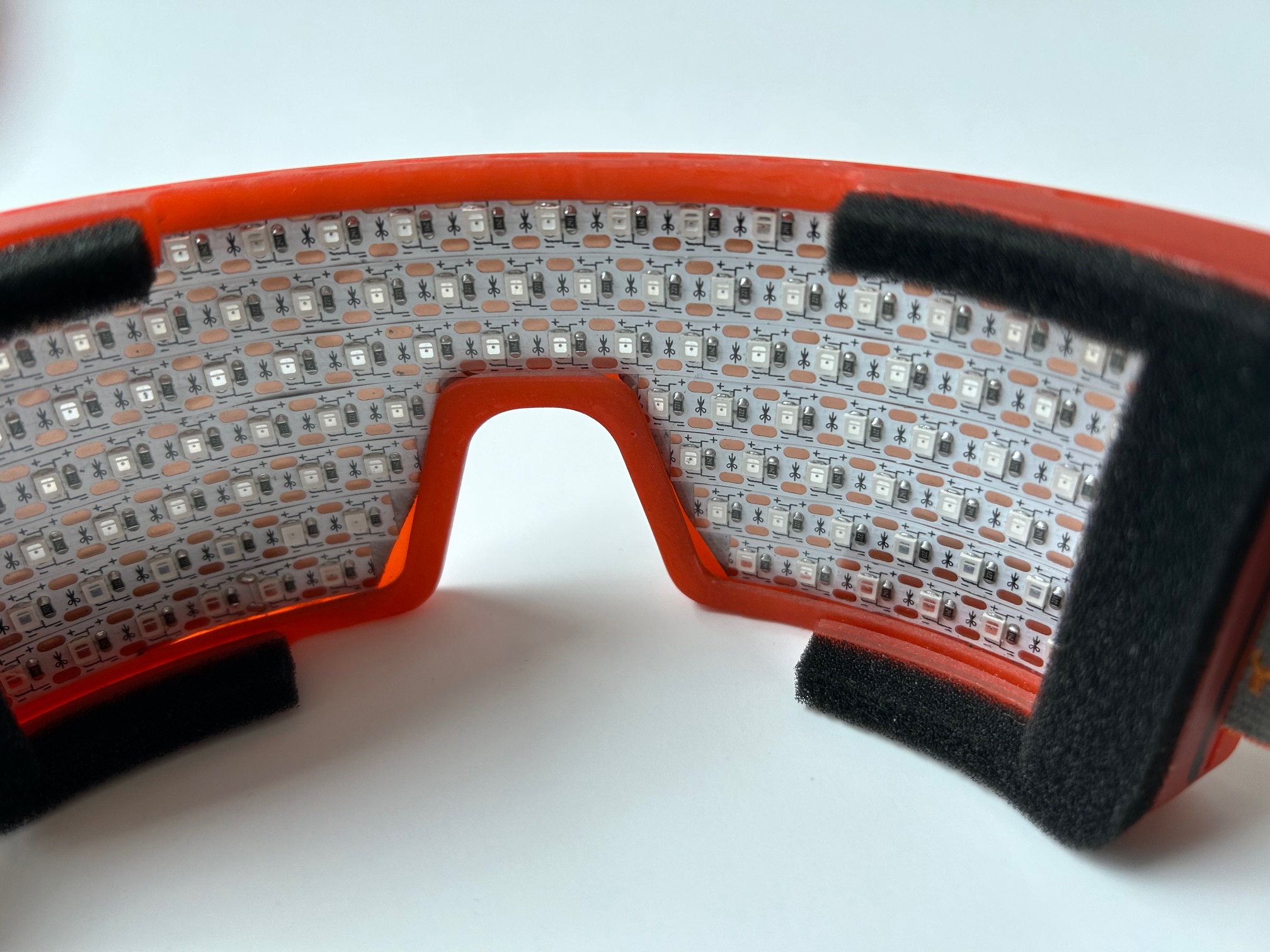
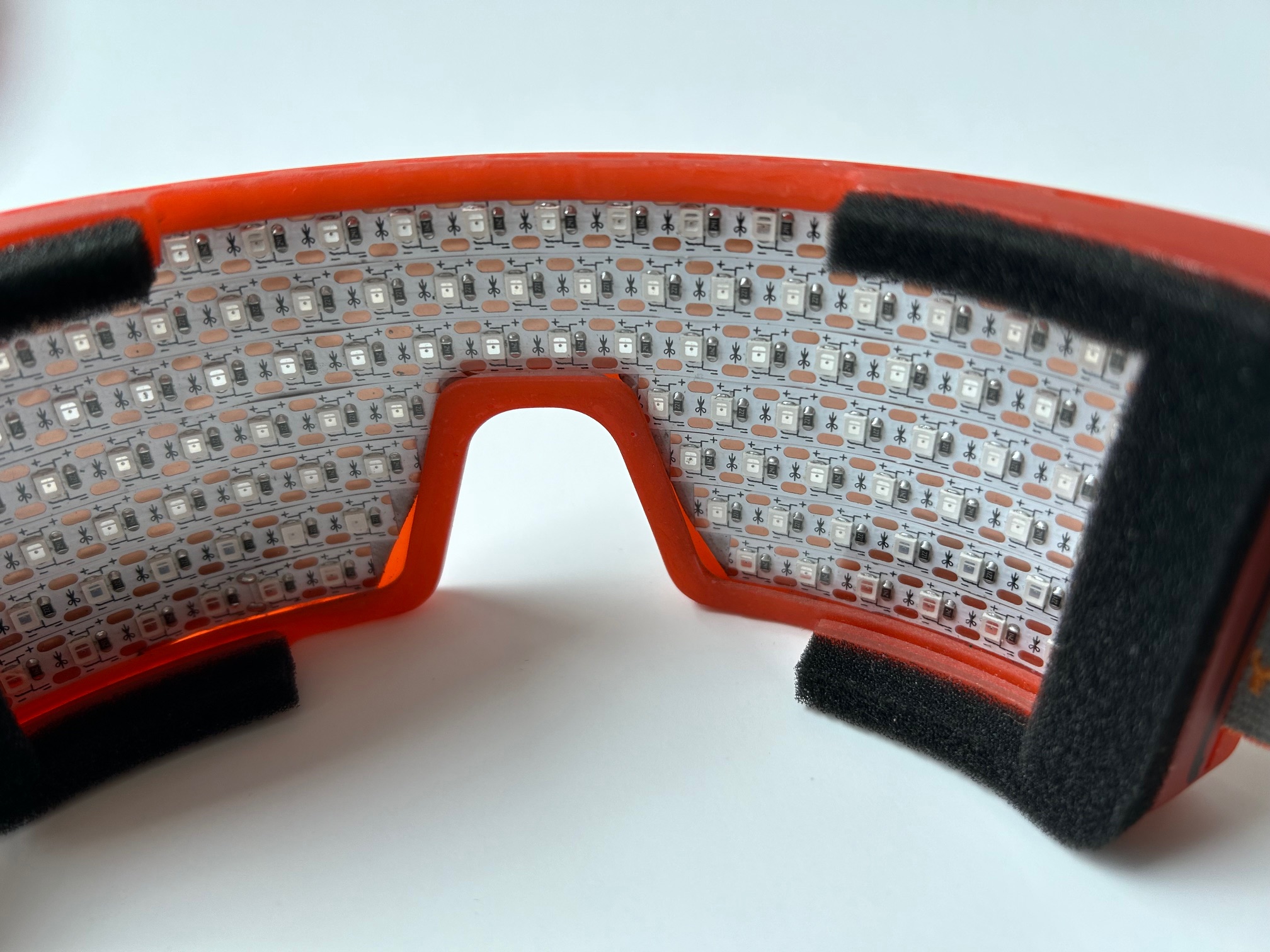
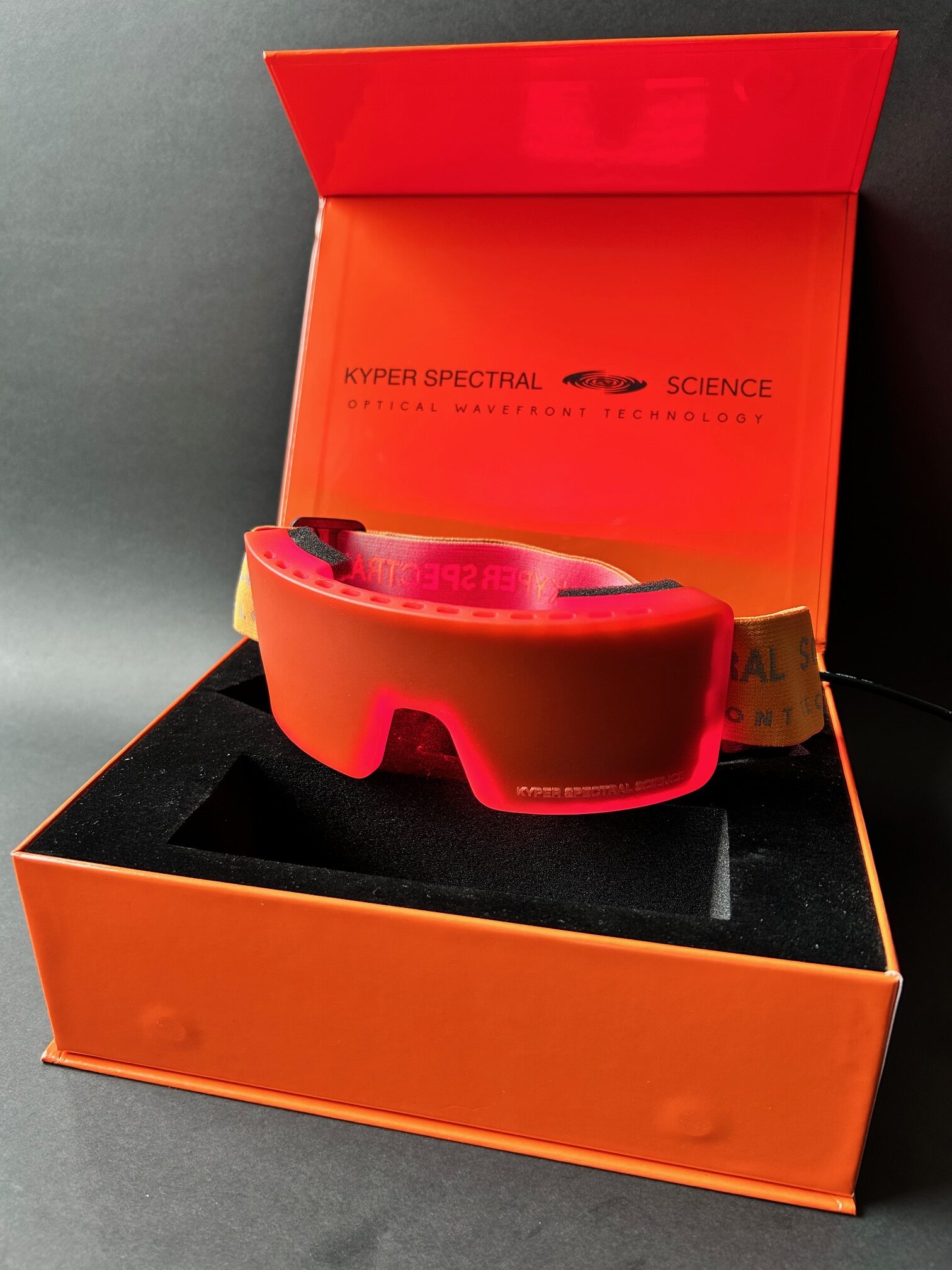
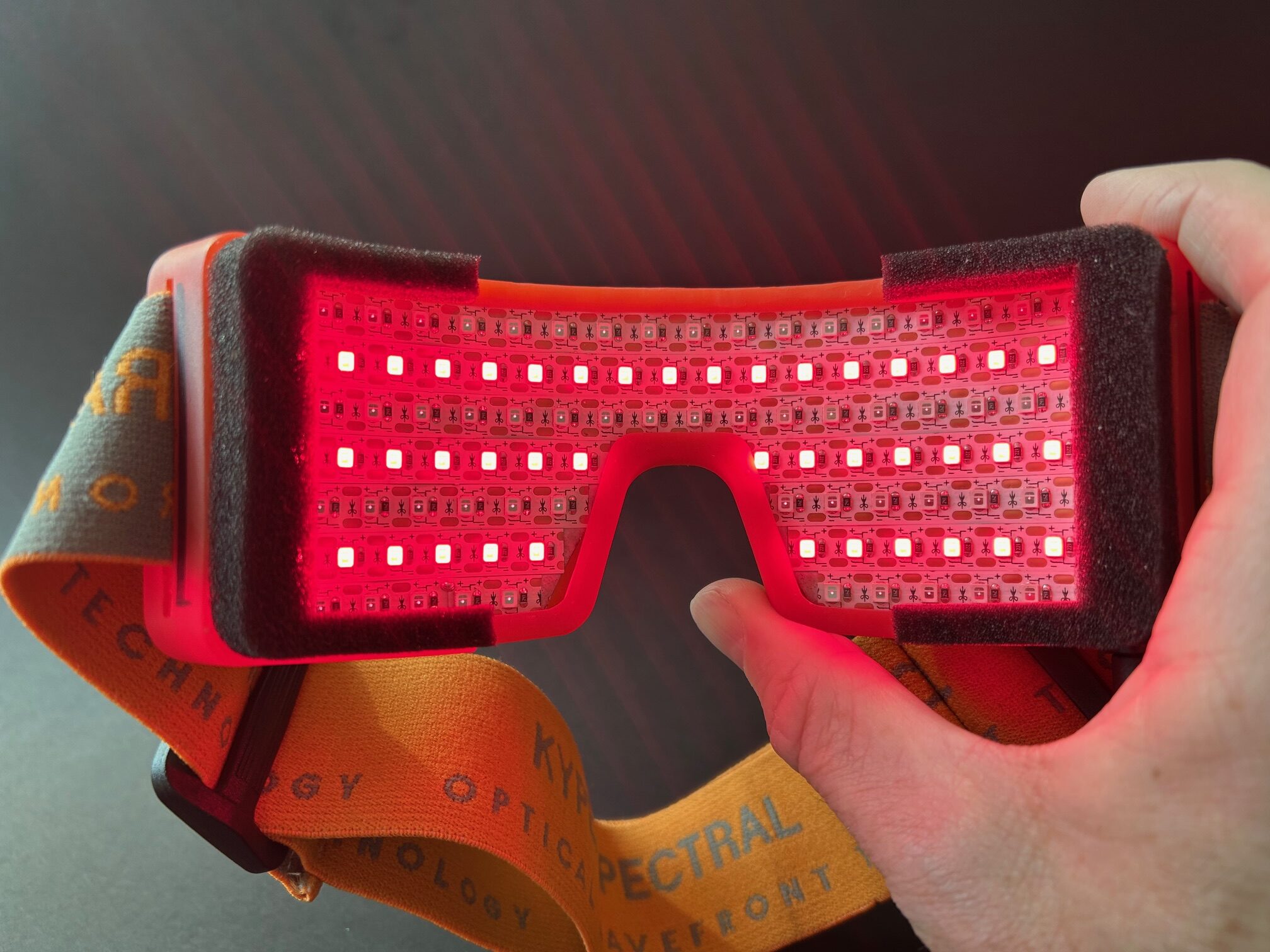
Many consumer devices are underpowered or designed for skin and muscle applications rather than ocular tissue. The Spectral WaveFront is engineered specifically for the eyes and eyelids — worn directly over both eyes, delivering 670nm and 810nm at ~5 mW/cm², with no distance variables. High-irradiance generic panels require protective goggles because they are not calibrated for ocular use. The WaveFront’s therapeutic irradiance level is specifically designed for direct periocular application.
While clinical IPL treatments are more powerful, they are performed infrequently. Consistent at-home therapy provides a steady, cumulative dose that is often what is needed to resolve a stubborn, recurring chalazion.
Recommended Treatment Protocol for Chalazia
For an active chalazion, the WaveFront eyes-closed protocol is 21 minutes per session, every other day (three to four sessions per week). During an acute flare-up, daily use is safe. Consecutive days are also fine if sessions have been missed. This cadence aligns with what photobiomodulation research consistently shows: sustained lower-dose exposure works better than infrequent large doses, and there is a well-documented biphasic therapeutic window beyond which more exposure is not better.
The Role of IPL in Severe Glandular Dysfunction
Some patients with severe glandular dysfunction or chronic ocular rosacea may require Intense Pulsed Light (IPL) in addition to at-home PBM. Unlike PBM, IPL uses broad-spectrum high-intensity pulses to generate heat, closing abnormal blood vessels and liquefying hardened oils. For patients with a history of bilateral recurrent chalazia, a combination of professional IPL and consistent at-home PBM may be the most effective long-term strategy, as discussed in Solomos 2021.
Safety Protocols and Contraindications
Guidelines for Safe Eyelid Exposure
The WaveFront is designed specifically for periocular use at therapeutic irradiance levels. General guidelines for any light therapy near the eyes:
- Session duration. Follow the documented protocol — 21 minutes for the eyes-closed WaveFront protocol. Exceeding recommended session times does not improve outcomes.
- Eyelid position. Keep eyes gently closed throughout the session.
- Frequency. Every other day for maintenance; daily during flare-ups.
- Cleanliness. Ensure the periorbital area is free of makeup or reflective creams before use.
For a comprehensive overview of clinical evidence regarding light-based ocular treatments, see the Kyper Spectral research library.
Contraindications: Who Should Consult Their Eye Care Professional First
Talk with your eye care professional before incorporating any new modality if you have:
- Active cancer under treatment
- A recent stem cell transplant or active immune suppression
- Photosensitivity disorders (such as lupus or porphyria)
- Photosensitizing medications (such as tetracycline or certain retinoids)
- Active or uncontrolled uveitis or acute ocular inflammation
- Recent eye surgery — use only once the surgical site is fully healed and cleared by your surgeon
Combining Light Therapy with Traditional Chalazion Care
Synergy Between Red Light and Warm Compresses
The effectiveness of chalazion treatment increases when photobiomodulation and warm compresses are used in sequence. The recommended approach is to apply the WaveFront session first, followed immediately by a warm compress for five to ten minutes. PBM reduces inflammation and stimulates mitochondrial activity, improving gland metabolic health and beginning to destabilize hardened meibum. The warm compress then provides additional thermal energy to fully liquefy the oils, making it easier for the glands to clear naturally.
A Holistic Approach to Preventing Recurring Cysts
Preventing chalazion recurrence requires more than treating active cysts:
- Daily eyelid hygiene. Use dedicated lid scrubs or hypochlorous acid sprays to remove debris and bacterial biofilm from the lash line.
- Consistent gland support. Regular PBM sessions keep meibum in a fluid state, preventing the plugs that lead to cyst formation.
- Omega-3 supplementation. High-quality fish oils can improve the chemical composition of meibomian gland oil.
- Blink awareness. Reduce digital eye strain and take regular blink breaks to maintain the natural pumping mechanism of the eyelids.
The Importance of Glandular Health for Long-Term Vision
The meibomian glands are responsible for the lipid layer of the tear film, which prevents tear evaporation and protects the ocular surface. When these glands become chronically inflamed or obstructed, it leads to more than a cosmetic concern — it can cause permanent gland atrophy and chronic dry eye. Addressing inflammation early with photobiomodulation is an investment in the long-term stability of your vision and comfort.
How Eyelid Health Supports Macular and Visual Wellness
The health of your eyelids is the primary foundation for a stable tear film. When meibomian gland function is compromised — often signaled by chalazion development — the tear film becomes unstable, leading to chronic ocular surface irritation and inflammation that can affect long-term visual comfort.
A chalazion is more than a localized bump. It is often a clinical indicator of MGD. When gland oils become thick or blocked, evaporative dry eye follows. Managing eyelid health is therefore a prerequisite for maintaining a stable and resilient ocular surface.
Integrating photobiomodulation into a broader vision protection strategy supports both the front and back of the eye. Research suggests that 670nm and 810nm wavelengths can support macular health by enhancing mitochondrial function in retinal cells — the same mechanism that resolves eyelid blockages also supports retinal cellular health. See Garg et al. 2024 and Valter et al. 2024 for comprehensive reviews.
Editor’s note: This guide was written by Simon Overington, the Founder of Kyper Spectral Science.
For the peer-reviewed studies referenced throughout, see Stonecipher & Potvin 2019, Solomos 2021, Garg et al. 2024, and Valter et al. 2024 in the research library.
Information is for educational purposes only and should not be interpreted as medical advice.
Related Articles
- PBM for Chalazia – Stonecipher & Potvin 2019
- MGD: PBM and IPL as Rescue Treatment – Solomos 2021
- Low-Level Light Therapy in Individuals with Dry Eye Disease – Antwi 2024
- PBM Low-Level Light Therapy in Patients with Dry Eye – Park 2022
- Photobiomodulation in Ophthalmology: Comprehensive Review – Garg et al. 2024