Condition Focus: Glaucoma & Optic Nerve Health
Living with glaucoma often means doing everything right and still watching the numbers shift. You take your drops on schedule. You keep every appointment. Your pressure stays in the range your ophthalmologist wants. And yet, on the next visual field test, the picture has moved a little.
That experience, common across glaucoma patients with well-controlled pressure, is one of the reasons researchers have started looking past pressure as the only lever. Glaucoma slowly damages the cells that carry visual information from the eye to the brain, called retinal ganglion cells (RGCs). Even when pressure is managed, those cells can keep losing ground. The question researchers have been working on for the last twenty years is whether the cells themselves can be supported directly.
Photobiomodulation, or PBM, is one of the approaches that has emerged from that work. It uses specific wavelengths of red and near-infrared light to support the energy-producing structures inside cells. This article walks through what the published research says about PBM and glaucoma, what to know about safety, and how the approach fits alongside the treatment your ophthalmologist has prescribed.
How Red Light Therapy Supports the Optic Nerve
What is photobiomodulation?
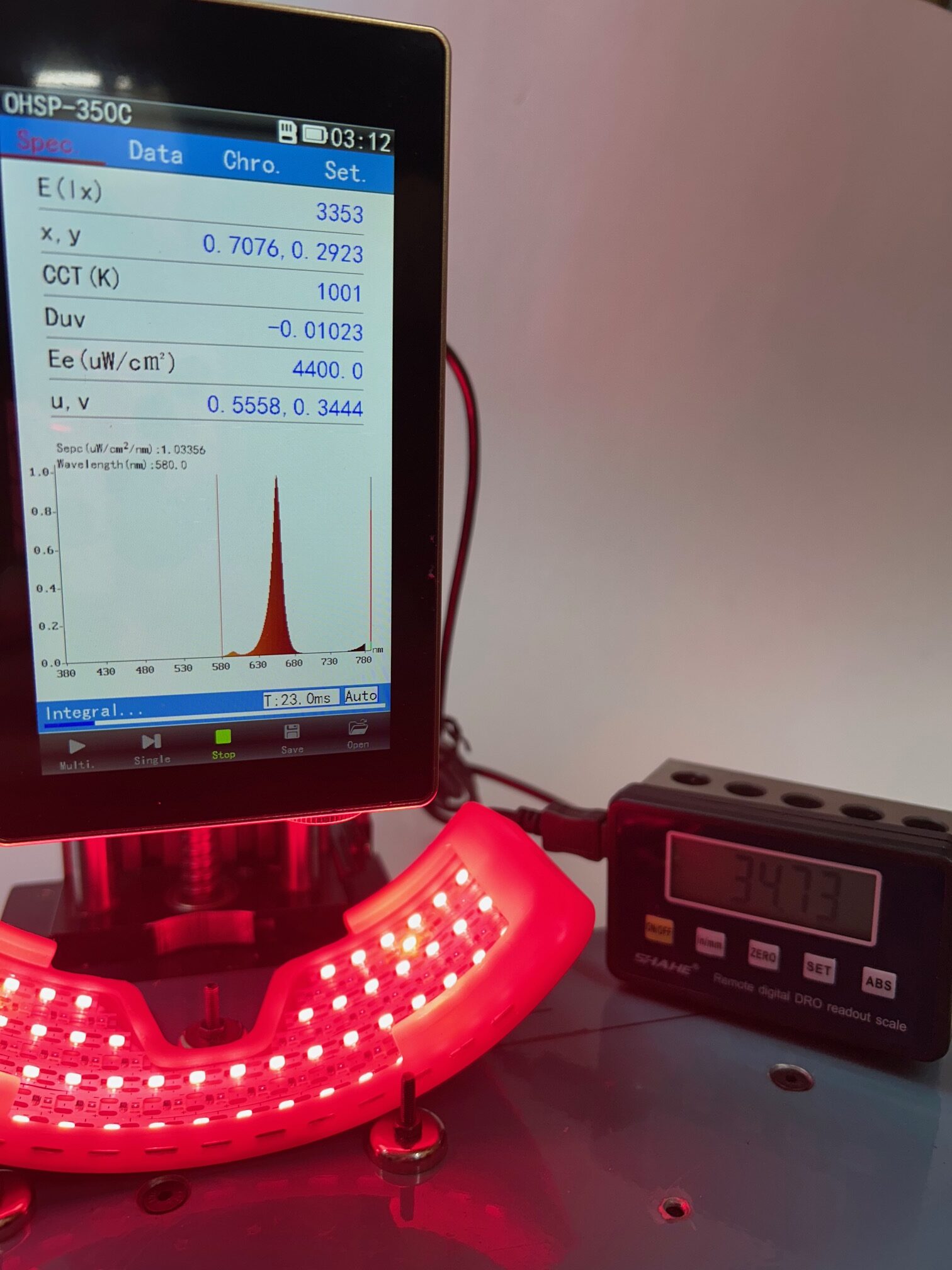
Photobiomodulation is a non-invasive light therapy that uses red light (around 670nm) and near-infrared light (around 810nm). Unlike a laser or a heat lamp, PBM doesn’t burn or damage tissue. The light is absorbed by molecules inside cells called chromophores — light-sensitive molecules that respond to specific wavelengths. The most important one in this context is an enzyme called cytochrome c oxidase, which sits inside the mitochondria.
Mitochondria are the structures inside every cell that produce the energy the cell needs to function. When light at 670nm or 810nm is absorbed by cytochrome c oxidase, it triggers a chain of events that supports more efficient energy production. In simple terms, the light gives stressed cells a metabolic lift.
The foundational study on this mechanism was published by Eells et al. 2003, who showed that 670nm light supports cytochrome c oxidase activity and protects the retina in animal models. Subsequent research from Albarracin 2011, Kokkinopoulos 2013, and Begum 2013 extended these findings into retinal degeneration. The full evidence base is collected in the Kyper Research Library.
Why energy production matters in glaucoma
Retinal ganglion cells are among the most energy-demanding cells in the body. Their long fibers travel from the back of the eye through the optic nerve to the brain, and that journey requires a constant supply of cellular energy — ATP. When the mitochondria that produce ATP start to falter, RGCs become more vulnerable. This is the cellular pattern that drives the gradual vision loss seen in glaucoma.
The published research describes a consistent pattern. PBM at 670nm and 810nm supports cytochrome c oxidase activity, which in turn supports ATP production and helps stabilize the cellular environment.
| Cellular marker | Stressed RGC environment | After PBM |
| Cellular energy (ATP) | Reduced energy supply | Supported energy production |
| Mitochondrial stability | Unstable, signaling dysfunction | More stable function |
| Oxidative stress | Elevated, damages cell components | Lower oxidative load |
| Cell resilience | Faster decline | Supported survival |
The most direct evidence for this pathway in the optic nerve comes from Fitzgerald 2010, which showed that 670nm light reduces oxidative stress and preserves function in optic nerve injury models, and Rojas 2008, which demonstrated neuroprotective effects in a mitochondrial optic neuropathy model. Osborne 2016 examined how blue light worsens and red light supports mitochondrial function specifically in retinal ganglion cells.
Why glaucoma is increasingly seen as a cellular health issue
Glaucoma management has historically focused on lowering eye pressure, and lowering pressure remains the foundation of care. But many patients continue to slowly lose vision even when their pressure is well-controlled, which has shifted clinical attention toward strategies that support the health of the optic nerve cells themselves.
Giacci 2014 compared 670nm and 830nm wavelengths in retinal and optic nerve research, finding 670nm produced stronger neuroprotective outcomes in these tissues. That’s one reason why this specific wavelength is central to PBM research aimed at glaucoma.
The two glaucoma subtypes share the same underlying RGC vulnerability. Open-angle glaucoma involves chronic, low-grade strain on RGCs as fluctuating pressure compounds over years. Angle-closure glaucoma involves more sudden bursts of oxidative stress when pressure rises and falls quickly. In both cases, the goal of PBM is the same: support the energy metabolism of cells operating under chronic or episodic strain.
What the Peer-Reviewed Research Shows
Can PBM lower eye pressure?
Lowering intraocular pressure (IOP) remains the only modifiable risk factor with strong consensus in glaucoma care, and that goal is the responsibility of the medications, laser procedures, or surgeries your ophthalmologist prescribes. PBM isn’t a pressure-lowering treatment. The practical takeaway is straightforward: continue your prescribed pressure management, and consider PBM as a separate cellular-support layer.
Neuroprotection: the studies most relevant to glaucoma patients
Neuroprotection means protecting nerve cells from damage rather than just managing the conditions around them. Osborne 2016 examined how specific light wavelengths influence mitochondrial function in RGCs and the relationship between oxidative stress and glaucomatous damage — the most directly relevant library study for this mechanism.
The most relevant published studies for glaucoma patients:
- Ivandic 2008 followed 203 patients receiving low-level light therapy for ocular conditions over three to thirty-six months, with no reported adverse events — one of the larger published safety records for ocular PBM.
- Cornish 2021 (NIRVO) examined near-infrared PBM in retinal vein occlusion, a condition that shares the RGC-vulnerability pathway with glaucoma.
- Jackson et al. 2023 (LIGHTSITE III) provided clinical-grade evidence for ocular PBM safety and tolerability over thirteen months, with measured improvements in visual acuity and contrast sensitivity versus a sham comparison group.
- Koev 2018 reported five-year follow-up data showing sustained vision outcomes and no adverse effects from low-level light therapy — relevant as a long-term ocular PBM safety record.
These studies represent the clinical end of the evidence base. The mechanistic studies cited earlier — Fitzgerald, Giacci, Rojas, Osborne — establish why the approach should work at the cellular level.
Cell repair vs. cell protection
Current research doesn’t suggest PBM regenerates RGCs that have already been lost. What the research describes is metabolic support for cells that are still living but operating under strain — the cells most relevant to slowing the rate of progression in patients already managing glaucoma.
Practically, this means PBM is best understood as a way to support surviving RGCs by helping maintain their energy production, reduce oxidative stress on retinal tissue, and complement the pressure control your prescribed treatment provides. The goal is to support the visual function you currently have, not to reverse advanced damage that has already occurred.
Realistic timeframes
Most published research measures outcomes between four and twelve weeks of consistent use, with longer-term follow-up studies (Koev 2018, Ivandic 2008) extending into multiple years. Subjective changes — such as visual comfort or reduced fatigue — are typically reported by users within the first two to four weeks. Structural or functional measures take longer to develop and are best assessed by your eye care professional through scheduled diagnostic testing.
Safety, Compatibility, and Side Effects
What determines PBM safety
PBM safety depends on three variables: wavelength, irradiance, and duration. PBM devices designed for ocular use sit within a stimulatory window mapped in the published research — strong enough to support cellular function, gentle enough to avoid heating or damaging tissue.
The dose-response curve is well established. Chu-Tan 2016 characterized the biphasic response — more light isn’t better. There’s a window where the response is optimal, and going outside it in either direction reduces the benefit. That’s one reason a calibrated, purpose-built device matters more than raw power output.
Common sensations to expect
Most users report PBM sessions as quiet and undemanding. A few sensations are normal:
- Mild soreness around the eyes during the first one to three sessions, typically resolving after three to five sessions.
- A brief green tint to colors immediately after a session — this is normal color cone adaptation and resolves within one to three minutes.
- A comfortable warmth during the session, around 39°C.
When to check with your eye care specialist first
A small set of conditions warrants a conversation with your specialist before starting:
- Active cancer under treatment
- Active immune suppression or recent stem cell transplant
- Diagnosed photosensitivity disorders
- Active or uncontrolled uveitis or other acute ocular inflammation
Compatibility with glaucoma medications
PBM doesn’t interact with eye medications. The wavelengths and irradiance involved are well below anything that would affect how a drop is absorbed, distributed, or eliminated.
PBM can be used alongside glaucoma drops including Latanoprost, Timolol, Dorzolamide, and other prostaglandin analogs and beta-blockers. It also works alongside artificial tears, anti-inflammatory drops, AREDS2 supplements, heated eye pads, and intraocular lenses — including monofocal, multifocal, and toric implants.
Continue your prescribed drops on schedule. PBM operates on a separate cellular pathway from the medications managing your pressure. It’s an addition to your routine, not a replacement for any part of it. Continue your scheduled visual field tests, OCT scans, and pressure checks.
How PBM Fits Into Daily Glaucoma Care
PBM for glaucoma works best as ongoing support, used consistently alongside your existing care over the long term. The biology is similar to exercise in that respect — the benefit is in the consistent practice, not in any single session.
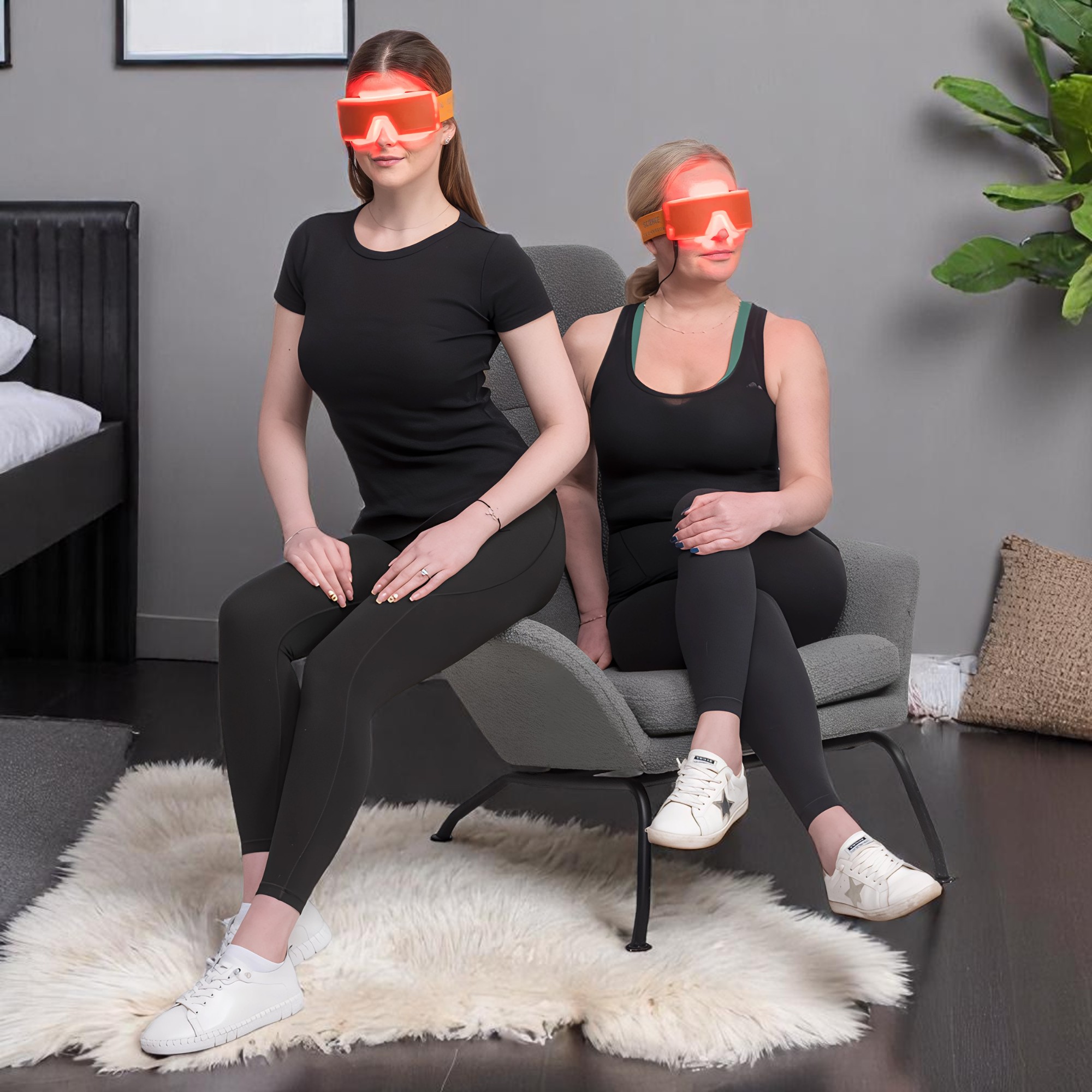
For glaucoma, sessions are run with the eyes closed for 21 minutes. The 670nm and 810nm wavelengths penetrate effectively through the closed eyelid while keeping the experience comfortable. The standard cadence is every other day — approximately three to four sessions per week. Occasional daily use is appropriate during a flare-up, and consecutive days are fine if sessions have been missed.
Alongside your prescribed glaucoma treatment, several habits support overall ocular health:
- A diet rich in antioxidants — leafy greens, omega-3 sources, and colorful produce.
- Regular cardiovascular activity, which supports blood flow to the eyes.
- Consistent sleep, which supports tissue repair generally.
- Scheduled diagnostic appointments kept on time.
Frequently Asked Questions
Is red light therapy safe for the eyes?
When wavelength, irradiance, and duration are matched to ocular tissue, PBM is non-thermal and well tolerated. Ivandic 2008 reported no adverse events across 203 patients followed for three to thirty-six months, and Jackson et al. 2023 (LIGHTSITE III) added clinical-grade safety data over a thirteen-month treatment period.
Can PBM repair retinal cells that have already been lost?
Current research doesn’t support the idea that PBM regenerates cells that have already been lost. What the research describes is metabolic support for cells that are still living but operating under strain. For glaucoma patients, that translates into support for the cells most relevant to maintaining current visual function — not a reversal of advanced damage.
When should I expect to notice anything?
Subjective changes such as visual comfort or reduced fatigue are typically reported within the first two to four weeks of consistent use. Published research generally measures outcomes at the four to twelve week mark, with longer-term follow-up extending into multiple years. Functional and structural changes are best assessed by your eye care professional through scheduled diagnostic testing.
Can I use PBM with my glaucoma drops?
Yes. PBM doesn’t interact with eye medications, including Latanoprost, Timolol, Dorzolamide, and other prostaglandin analogs and beta-blockers. Continue your prescribed drops on schedule.
Can PBM replace my glaucoma drops?
No. PBM is a complement to prescribed pressure-lowering medication, not a substitute. Continue your drops on schedule and keep your scheduled appointments.
What does a PBM session feel like?
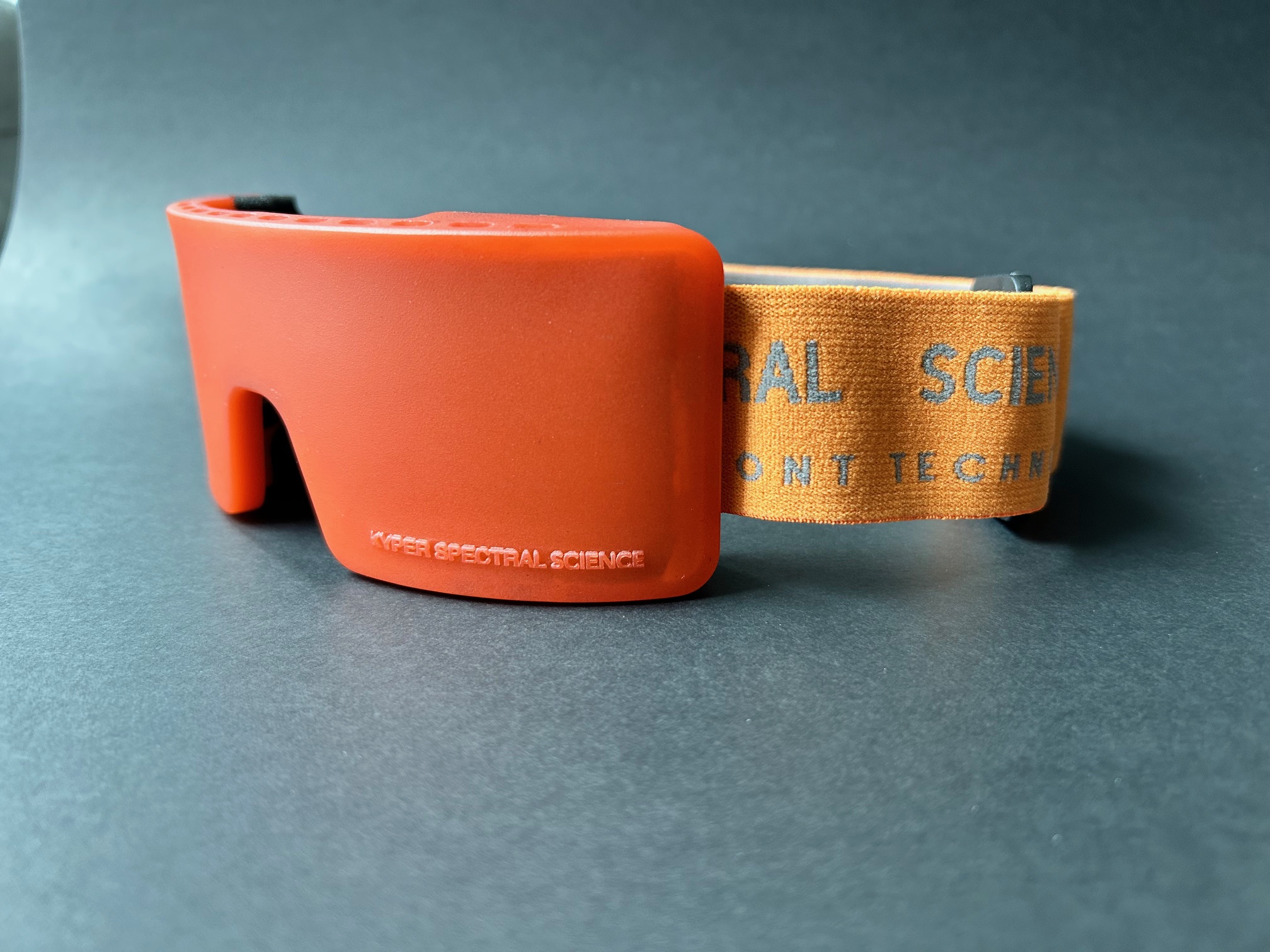
You wear the WaveFront mask with eyes closed and let the timer run for 21 minutes. You feel a comfortable warmth of around 39°C and see a soft red glow through your eyelids. Mild soreness in the first one to three sessions is normal and typically resolves after three to five sessions. A brief green tint to colors immediately after a session is normal color cone adaptation and resolves within one to three minutes.
A Cellular-Support Tool Worth Knowing About
Glaucoma management is moving past pressure as the only thing patients can act on. The published research on photobiomodulation, while not a replacement for the foundations of care, points to a real cellular pathway that affects how RGCs hold up under strain. For patients who want to take an active role in supporting their cellular health alongside their prescribed treatment, it’s a reasonable approach worth understanding.
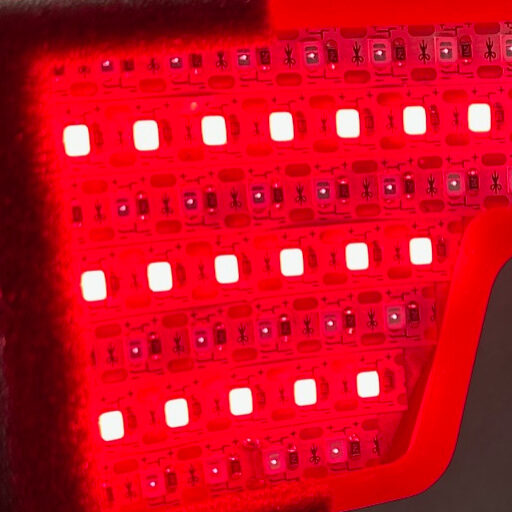
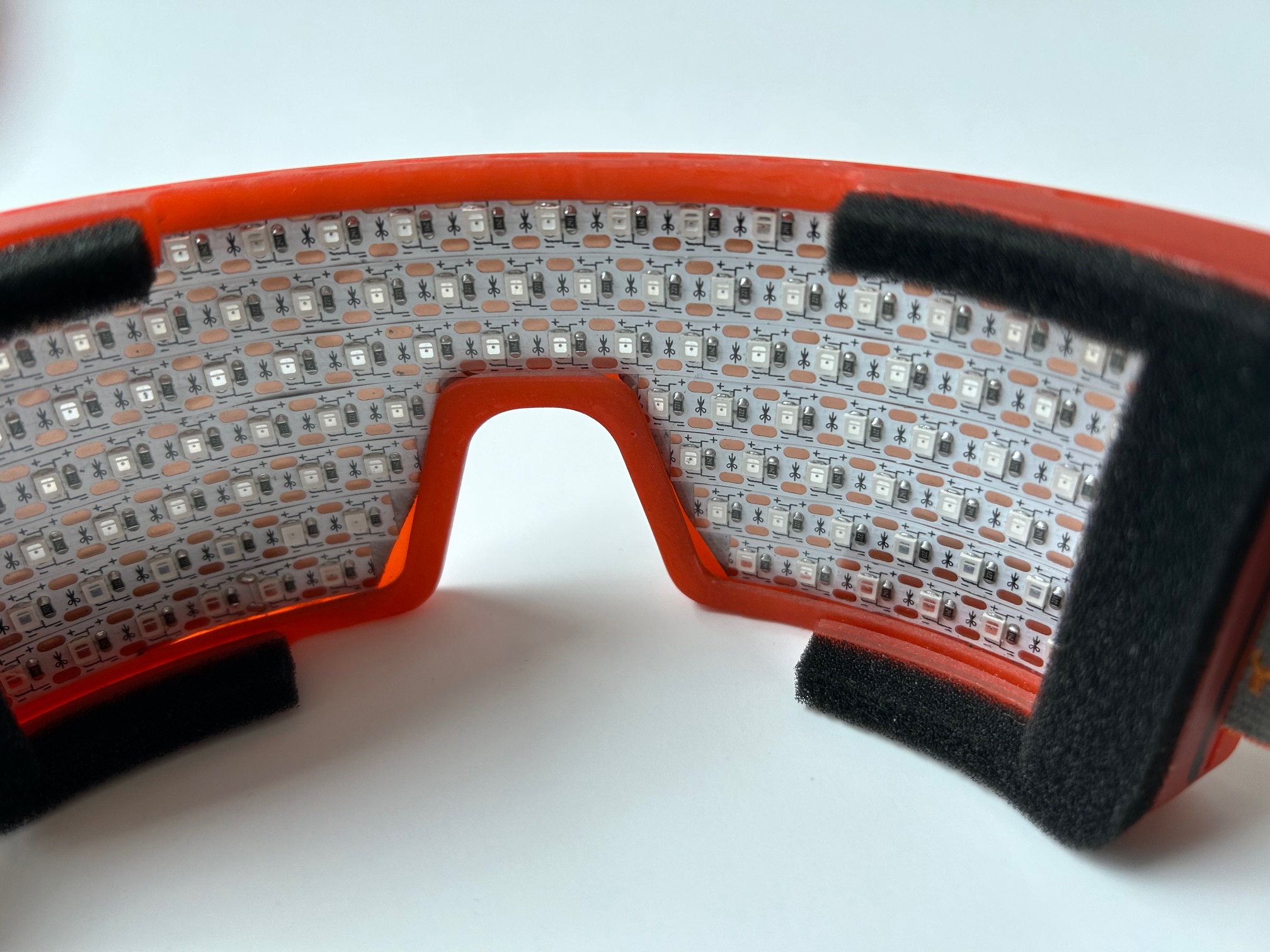
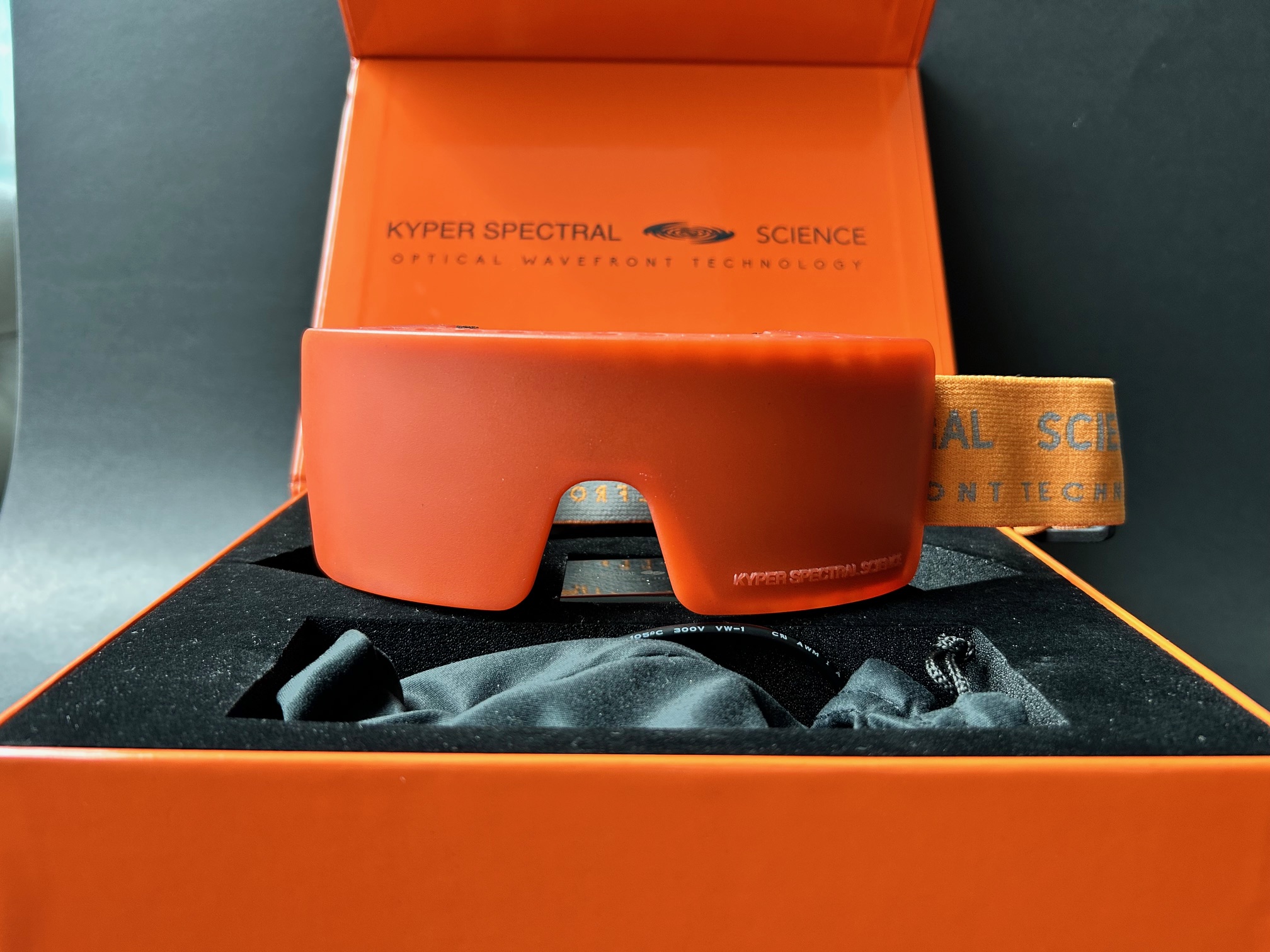
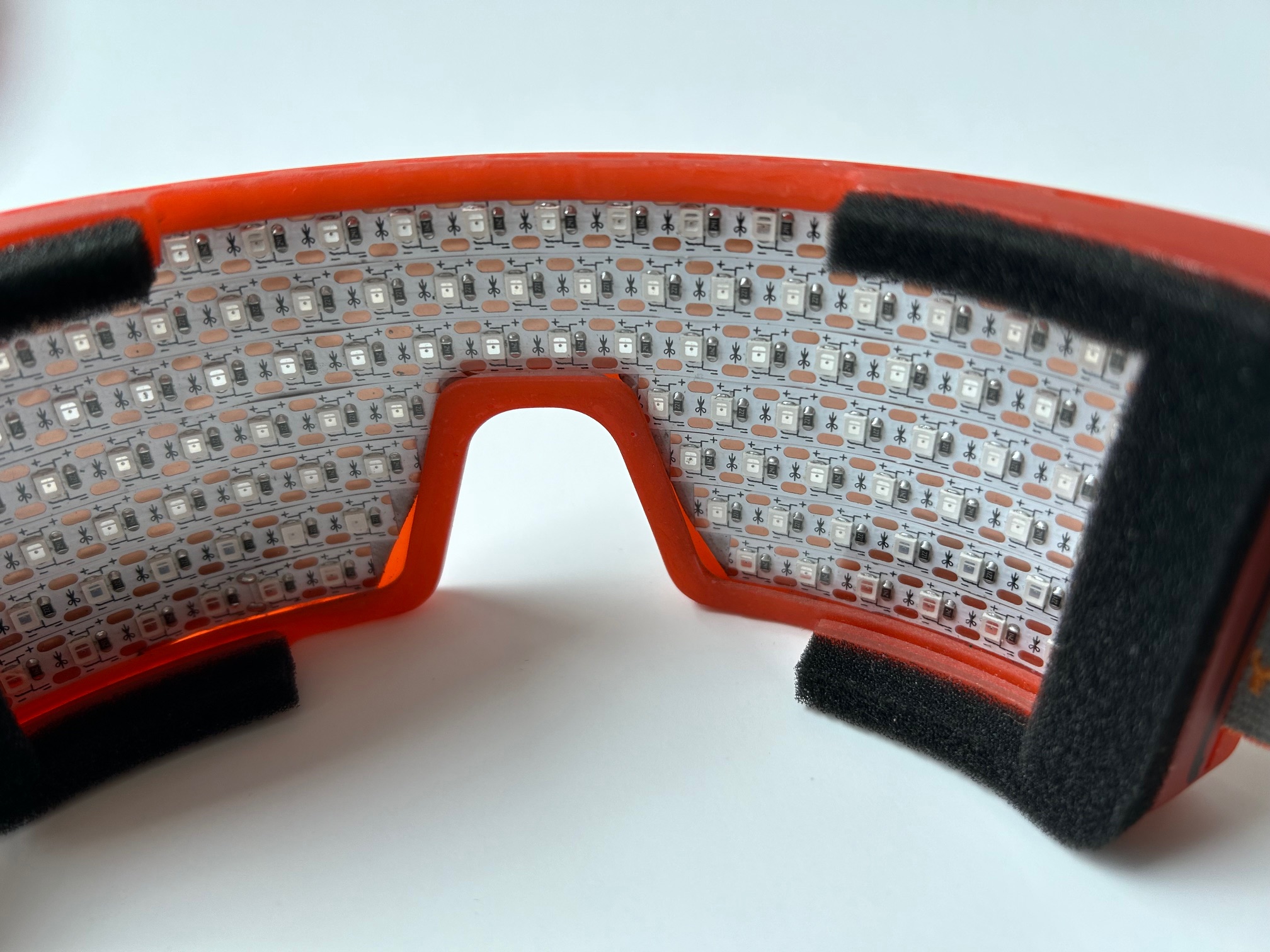
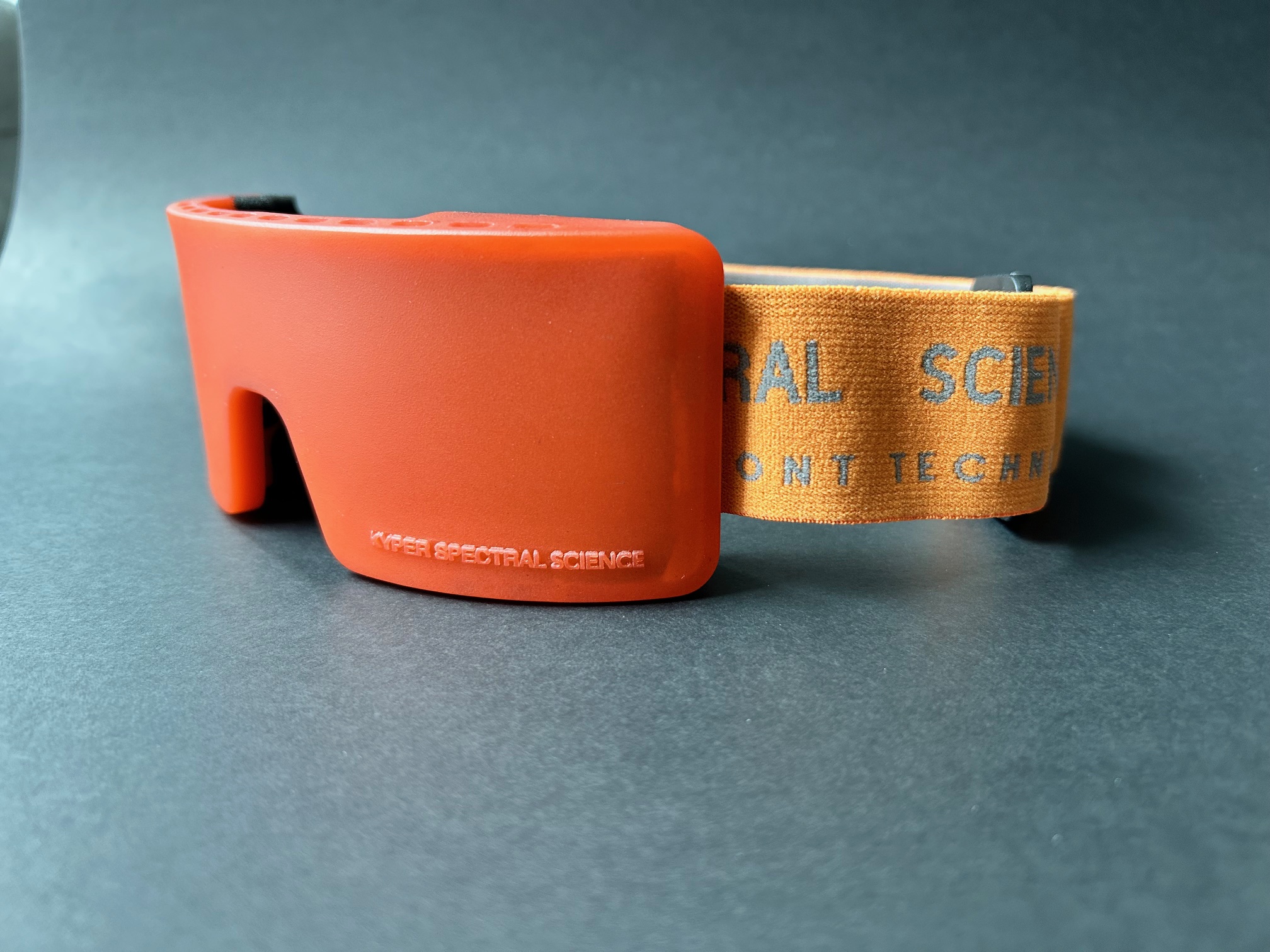
The Spectral WaveFront is a wearable PBM mask built around the 670nm and 810nm wavelengths discussed throughout this article, designed around the dosing windows established in peer-reviewed research.
Editor’s note: This guide was written by Simon Overington, the Founder of Kyper Spectral Science.
For the peer-reviewed studies referenced throughout, see Eells et al. 2003, Albarracin 2011, Kokkinopoulos 2013, Begum 2013, Fitzgerald 2010, Rojas 2008, Osborne 2016, Giacci 2014, Jackson et al. 2023, Koev 2018, Cornish 2021, and Chu-Tan 2016 in the research library.
Information is for educational purposes only and should not be interpreted as medical advice. Individuals with eye conditions should consult their eye care professional for appropriate medical treatment and management.
Related Articles
- Visual Light Effects on Mitochondria: Implications for Glaucoma – Osborne 2016
- 670nm vs 830nm Comparative Neuroprotection – Giacci 2014
- Neuroprotective Effects of Near-Infrared Light – Rojas 2008
- Near-Infrared Light Reduces Oxidative Stress in Optic Nerve – Fitzgerald 2010
- Is Multiwavelength PBM Effective and Safe for AMD? – Jackson et al. 2023