Condition Focus: PBM Mechanisms — The Complete Cellular Cascade from Photon to Healing
If any paper deserves the title “the bible of photobiomodulation,” it is this one. Published in the IEEE Journal of Selected Topics in Quantum Electronics by de Freitas and Hamblin (Harvard Medical School / Massachusetts General Hospital), this review defines the complete cellular cascade through which light produces therapeutic effects in living tissue.
The cascade begins with photon absorption by cytochrome c oxidase (CCO), a copper-containing enzyme in Complex IV of the mitochondrial electron transport chain. CCO has absorption peaks in the red (600–700 nm) and near-infrared (760–940 nm) ranges — explaining why these wavelengths are therapeutically active while others are not.
When photons are absorbed, three parallel events occur. First, nitric oxide (NO) bound to CCO is photodissociated, releasing free NO that acts as a vasodilator and signalling molecule. This also relieves the inhibitory block that NO places on CCO, allowing the electron transport chain to accelerate. Second, mitochondrial membrane potential (MMP) increases, driving ATP production — the cell’s energy currency. More ATP means more energy for repair, signalling, and maintenance. Third, a brief burst of reactive oxygen species (ROS) is produced, which at low levels acts as a signalling molecule that activates transcription factors including NF-κB and AP-1.
These transcription factors then alter gene expression — upregulating anti-inflammatory, proliferative, and cytoprotective programmes. The result is not a single effect but a coordinated cellular response that simultaneously reduces inflammation, enhances energy metabolism, improves circulation, and supports tissue repair.
The paper also identifies secondary chromophores — TRP channels (activated by PBM to modulate calcium signalling) and opsins (light-sensitive proteins outside the visual system) — that contribute to PBM’s effects beyond the mitochondrial pathway.
G.O.A.T. for Gout Alignment:
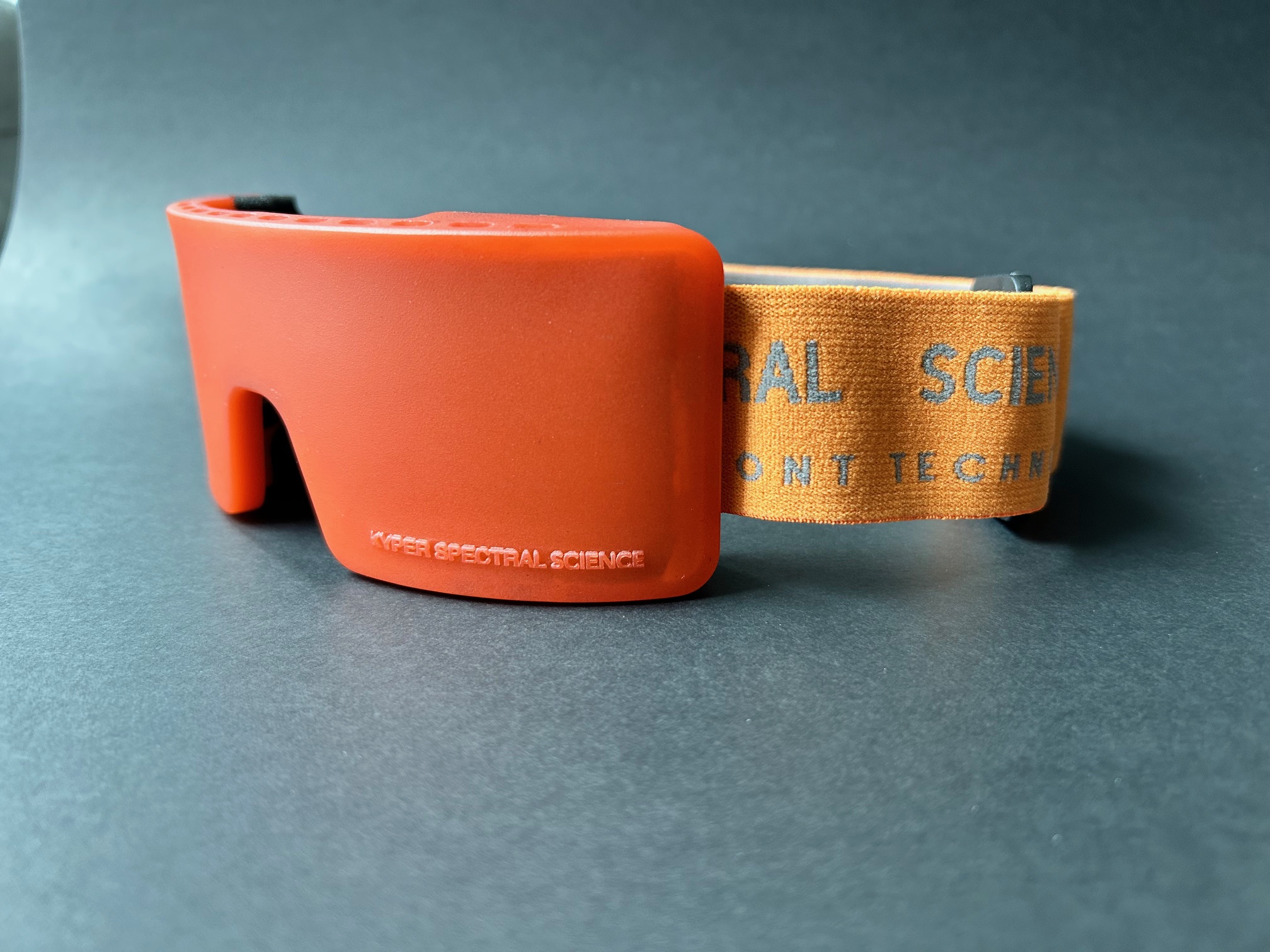
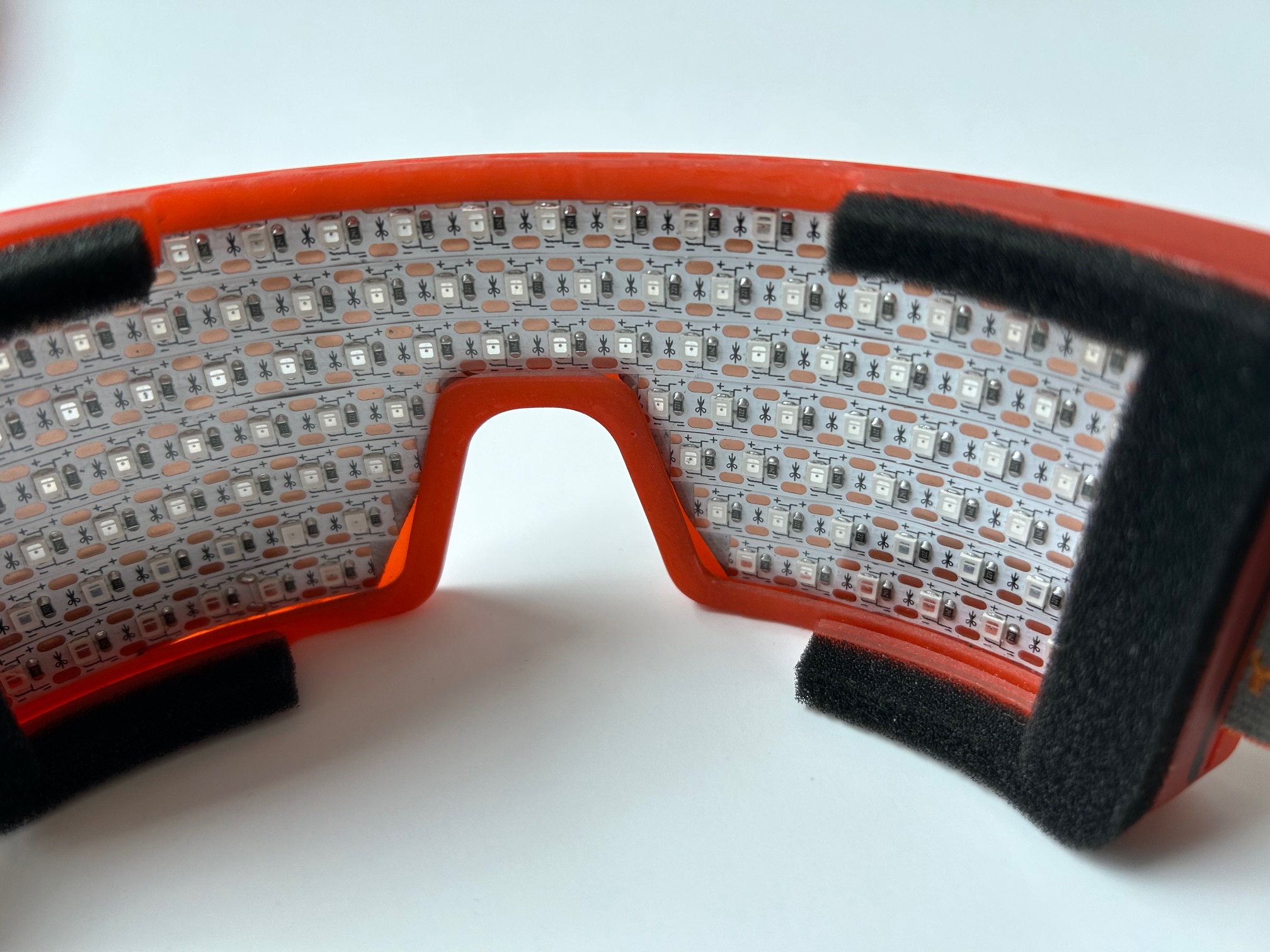
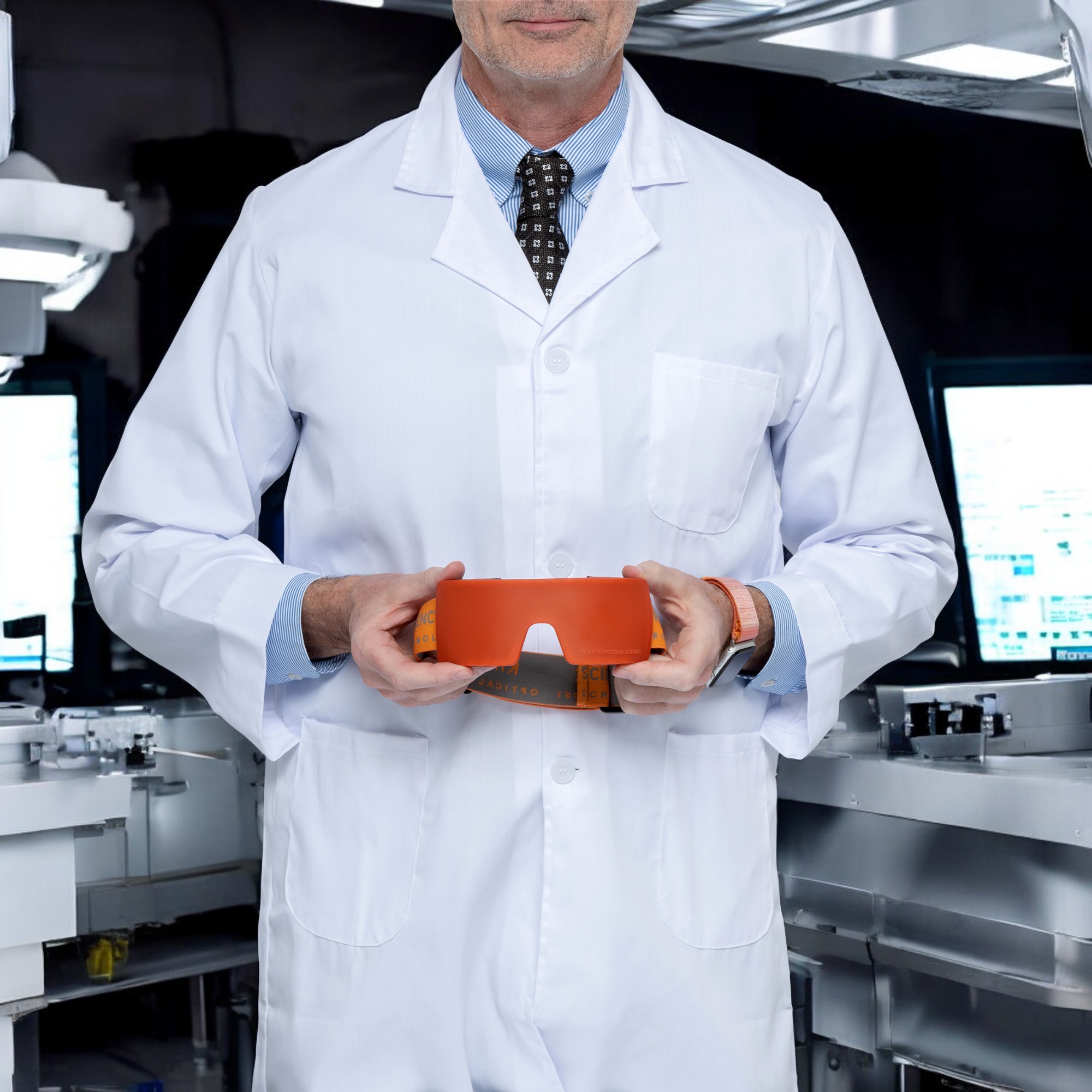
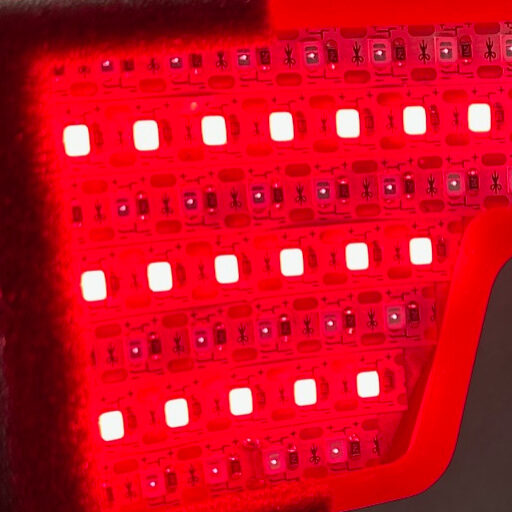
The G.O.A.T.’s 660 nm + 850 nm wavelengths correspond precisely to CCO’s dual absorption peaks in the red and NIR ranges. The 5 mW/cm² irradiance and 4 J/cm² target fluence fall within the optimum range identified in this review (~3 J/cm²). This paper is the mechanistic foundation for the G.O.A.T.’s design and every therapeutic claim in this research library.
Link to original research here
Editor’s note: This foundational paper connects to every study in the library. The ROS-NF-κB activation pathway is demonstrated directly in Chen et al 2011. The ROS reduction specifically in stressed cells is covered in Hamblin 2018. The biphasic dose response underlying parameter selection is defined in Huang et al 2009. The NO vasodilation pathway is confirmed in human tissue in Barolet et al 2024.
Related Articles
- PBM Activates NF-κB via Mitochondrial ROS at 810nm – Chen et al 2011
- Mitochondrial Redox Signaling and PBM – Hamblin 2018
- Biphasic Dose Response in PBM: Arndt-Schulz Curve – Huang et al 2009
- In Vivo NO Release from Human Skin Post PBM – Barolet et al 2024
- PBM and Oxidative Stress: Mitochondrial Activity Regulation – 2022
Key Takeaways
- CCO absorbs red (600–700 nm) and NIR (760–940 nm) — the therapeutic wavelength window
- Three parallel events: NO photodissociation, ATP production increase, ROS signalling burst
- Transcription factors NF-κB and AP-1 activated → gene expression changes → cellular repair programmes
- Secondary chromophores (TRP channels, opsins) contribute beyond the mitochondrial pathway
- THE definitive mechanisms paper — Hamblin at Harvard/MGH
Study Overview
| Study Type: | Mechanistic review (foundational) |
| Wavelength(s): | Red (600–700 nm) + NIR (760–940 nm) |
| Treatment Protocol: | 0.04–50 J/cm²; optimum ~3 J/cm² |
| Sample Size: | Comprehensive review of PBM mechanism studies |
| Primary Outcome: | Complete PBM cascade: CCO → NO + ATP + ROS → NF-κB/AP-1 → therapeutic gene expression |
Full Citation
de Freitas LF, Hamblin MR. (2016). Proposed mechanisms of photobiomodulation or low-level light therapy. IEEE Journal of Selected Topics in Quantum Electronics, 22(3), 7000417. View Publication