

Near infra-red 670nm increases ATP: recharging batteries in old eyes, Gkotsi et al. 2014
Near-infrared 670 nm light significantly increased ATP production in aging retinal tissue, providing quantitative evidence for mitochondrial recharging.
Near-infrared 670 nm light significantly increased ATP production in aging retinal tissue, providing quantitative evidence for mitochondrial recharging.
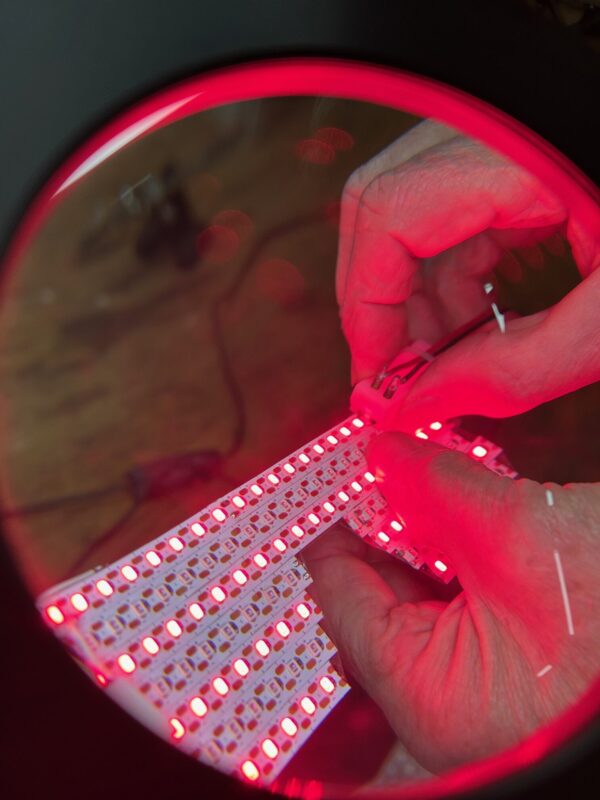
After four initial treatments of LLLT, visual acuity increased to 20/20 in each eye. Visual fields normalized except for a mid-peripheral absolute concentric scotoma. Five years after discontinuation of LLLT, a relapse was observed. LLLT was repeated (another four treatments) and restored the initial success.
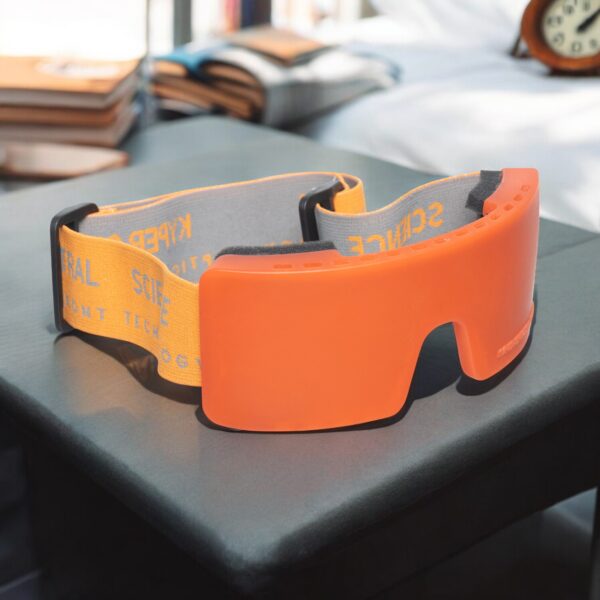
This case report describes the effects of low-level laser therapy (LLLT) in retinitis pigmentosa (RP). 670 nm LED superior to 830 nm for retinal/optic nerve protection, reducing reactive oxygen species and oxidative DNA damage.

670 nm preserved 40% more retinal ganglion cells following optic nerve crush injury through enhanced mitochondrial function and reduced oxidative stress.
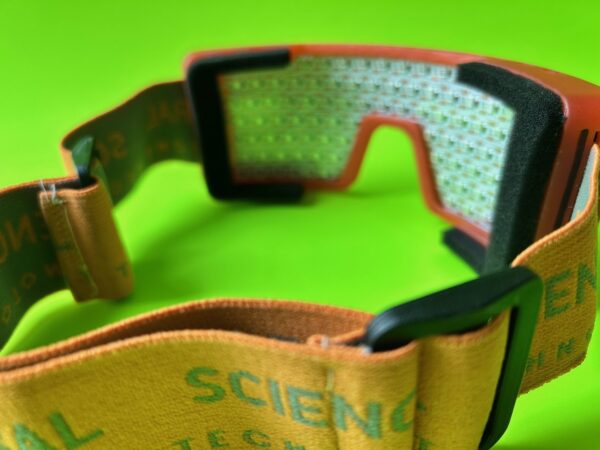
670 nm light increased mitochondrial membrane potential and reduced age-related retinal inflammation via metabolic enhancement.
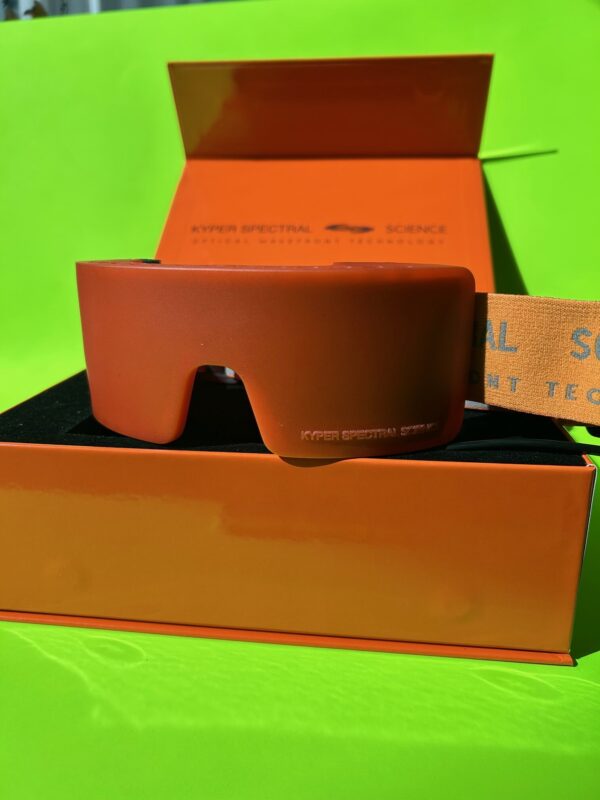
670 nm reduced pathological neovascularization in oxygen-induced retinopathy models, offering novel preventive approach for retinopathy of prematurity.

PBM preconditioning protected photoreceptors from light-induced damage, preserving structure and function through enhanced cellular resilience.
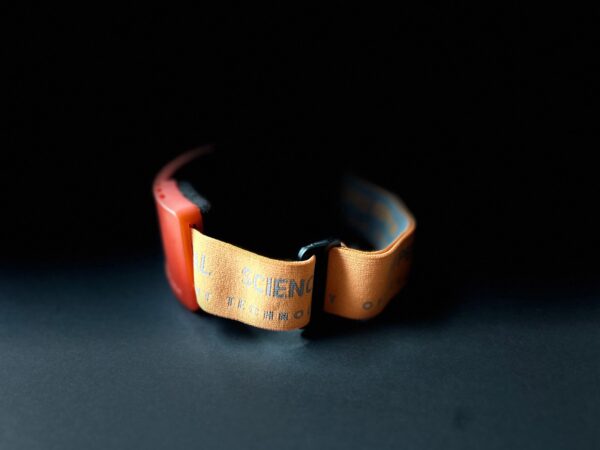
670 nm preserved photoreceptor function and slowed degeneration in P23H retinitis pigmentosa model through mitochondrial redox state preservation.
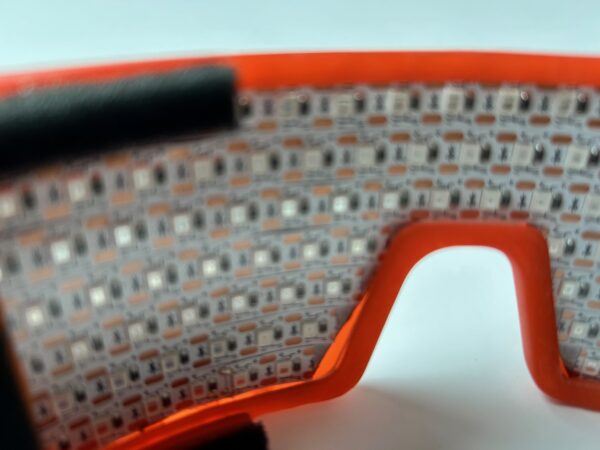
LLLT improved visual acuity 2-3 lines in adolescent and adult amblyopia patients, challenging conventional age-limited treatment windows with sustained effects.
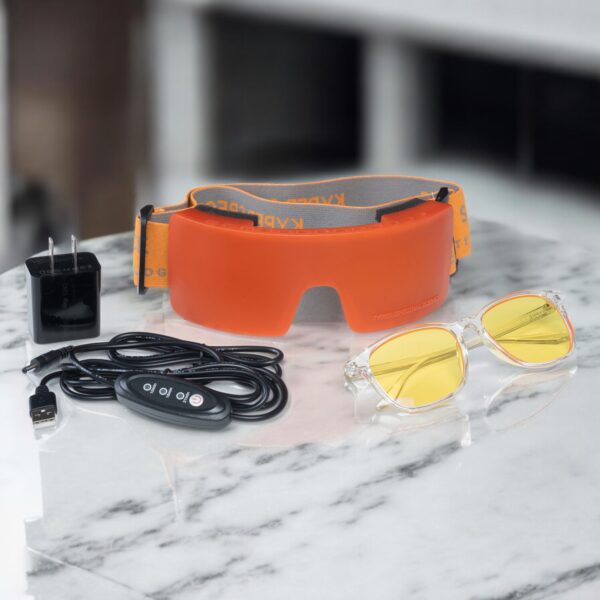
To our knowledge, this is the first demonstration that 670-nm NIR light can reduce oxidative stress and improve function in the CNS following traumatic injury in vivo.
