Vision Support & Macular Health

Red Light Therapy for Eye Inflammation: How Photobiomodulation Supports Ocular Health

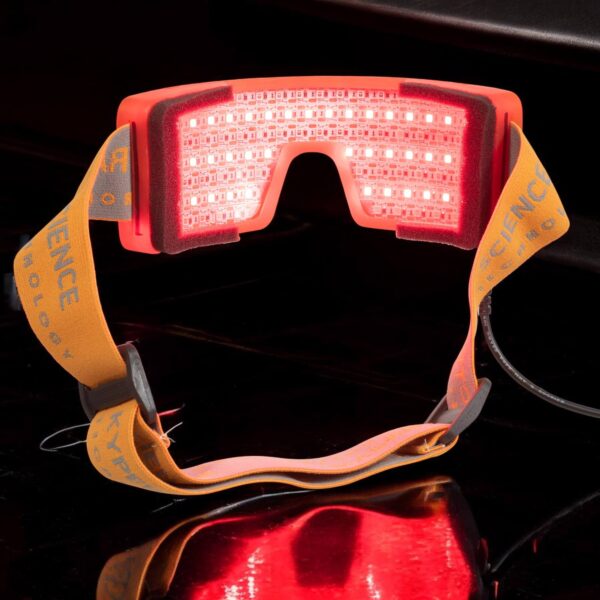
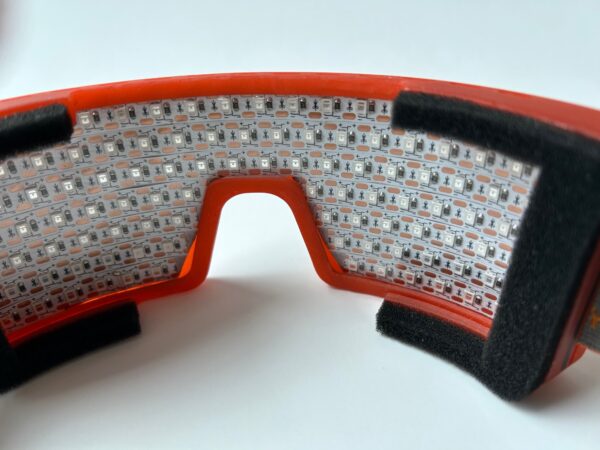
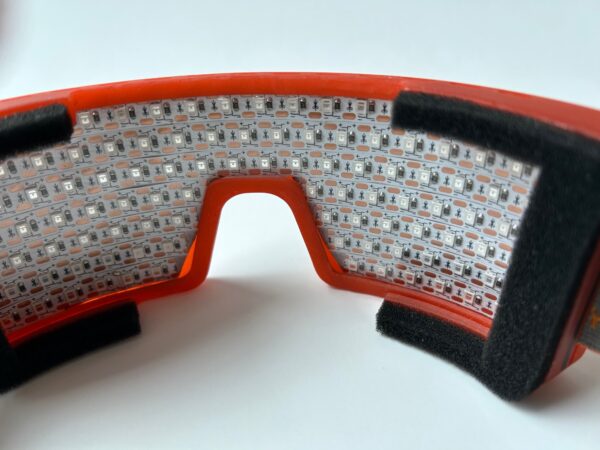
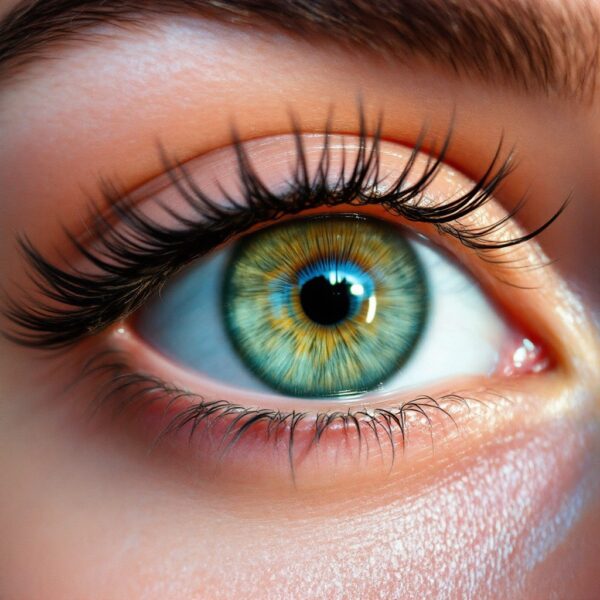
Red light therapy for eye inflammation: For people managing chronic dry eye, blepharitis, age-related macular degeneration (AMD), glaucoma, or other inflammation-driven eye conditions, PBM has emerged as a non-invasive way to support the cellular environment of the eye alongside conventional care.
Photobiomodulation in Ophthalmology: A Comprehensive Review of Bench-to-Bedside Research and Clinical Integration. Garg et al, 2024

Photobiomodulation (PBM), also known as low-level laser therapy, is an emerging therapeutic modality in ophthalmology for its potential to manage a variety of ocular conditions. PBM employs low-energy light within the red and near-infrared spectrum. This interaction is believed to enhance mitochondrial function, boost adenosine triphosphate (ATP) production, and reduce oxidative stress, leading to improved cellular repair and tissue regeneration.

Vision Support & Macular Health

Photobiomodulation use in ophthalmology – an overview of translational research, Valter et al, 2024

In the past 20 years, experimental evidence has shown the benefit of PBM in increasing numbers of retinal and ophthalmic conditions. More recently, preclinical findings in ocular models have been translated to the clinic with promising results.

Vision Support & Macular Health

Randomized Clinical Trial of 670nm PBM for Center-Involved Diabetic Macular Edema, Kim BJ, et al. 2022

Methods: One eye of each participant was randomly assigned 1:1 to a 670-nm light-emitting PBM eye patch or an identical device emitting broad-spectrum white light at low power. Treatment was applied for 90 seconds twice daily for 4 months.

Photobiomodulation reduces drusen volume and improves visual acuity and contrast sensitivity in dry age-related macular degeneration. Merry et al. 2017

This clinical trial evaluated multiwavelength photobiomodulation—primarily 670 nm (4–7.7 J/cm²), supplemented with 590 nm and 790 nm (0.1 J/cm²)—in patients with atrophic AMD. Across a 3-week treatment period, participants demonstrated reduced drusen volume, improved best-corrected visual acuity, and improved contrast sensitivity, with excellent tolerability and no significant adverse effects.