
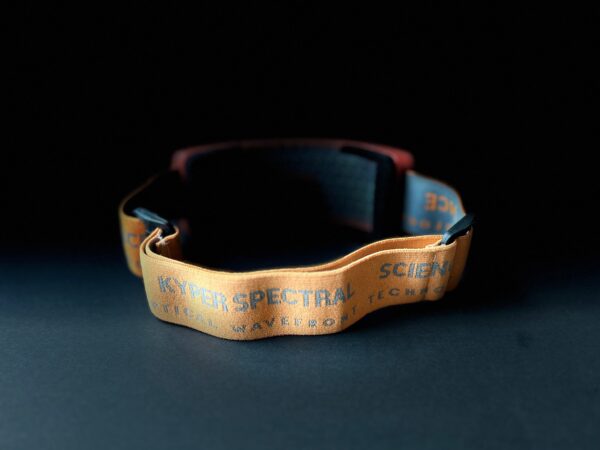
Photostimulation of Mitochondria as a Treatment for Retinal Neurodegeneration. Beirne et al. 2017
Absorption of photon energy by neuronal mitochondria leads to numerous downstream neuroprotective effects.
Absorption of photon energy by neuronal mitochondria leads to numerous downstream neuroprotective effects.

670 nm light upregulated cytochrome c oxidase and reduced retinal inflammation, providing mechanistic foundation for clinical AMD PBM outcomes.

PBM using 670 nm combined with lower-fluence 590/790 nm exposure demonstrated clinically meaningful and statistically significant improvements in visual function, with benefits persisting up to one year.

the findings highlight that mitochondria-responsive wavelengths in the red/NIR range can drive functional benefits in retinal tissue when delivered within safe fluence windows.

This foundational study characterized mitochondrial structural/functional deficits in AMD RPE, establishing mitochondrial dysfunction as a key therapeutic target for PBM.

Red light (630-670 nm) counteracted blue light toxicity in retinal ganglion cells through enhanced ATP, increased antioxidants, and mitochondrial protection.

These findings reinforce the concept that mitochondrial-targeted photobiomodulation can partially reverse age-related retinal decline and may have implications for managing retinal aging and age-related disease such as AMD.
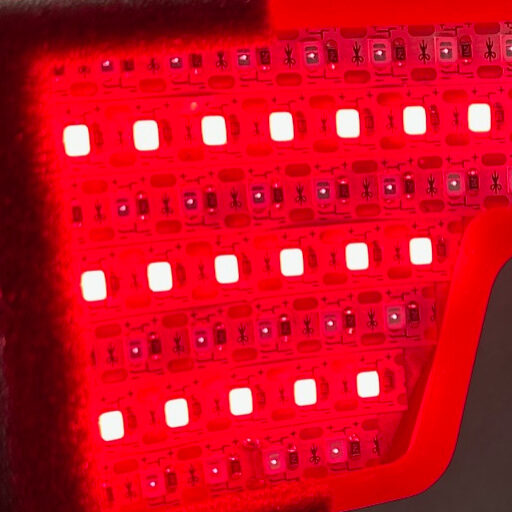
Red and near-infrared wavelengths (650–800 nm) were shown to activate cytochrome c oxidase (Complex IV), increase ATP production, and promote mitochondrial resilience. In ischemic RGC models, additional long-wavelength light exposure preserved mitochondrial function and improved cellular survival.

These results connect systemic immune modulation with retinal mitochondrial health and inflammatory load—two major contributors to age-related macular degeneration (AMD) progression.
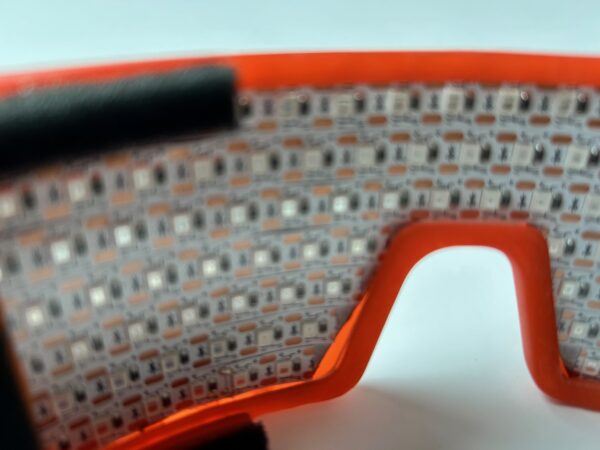
Photobiomodulation offers broad applicability for optic neuropathies through cytochrome c oxidase activation, with advantages over pharmacological interventions.
“`
