
Low level laser therapy (LLLT/PBM) applications for treatment of corneal trauma, Koev et al. 2011
LLLT reduced corneal healing time 40% with superior clarity and reduced scarring versus standard care in traumatic corneal injury.
LLLT reduced corneal healing time 40% with superior clarity and reduced scarring versus standard care in traumatic corneal injury.
To our knowledge, this is the first demonstration that 670-nm NIR light can reduce oxidative stress and improve function in the CNS following traumatic injury in vivo.
Age-related macular degeneration (AMD) is the progressive degeneration of the retinal pigment epithelium (RPE), retina, and choriocapillaris among elderly individuals and is the leading cause of blindness worldwide.
LLLT (PBM) therapy accelerated inflammation resolution and reduced complications in acute iridocyclitis versus standard treatment alone.

This work was designed to study the effect of low-intensity infrared laser radiation (LIIRR) on orbital circulation in children with progressive progressive short-handedness.
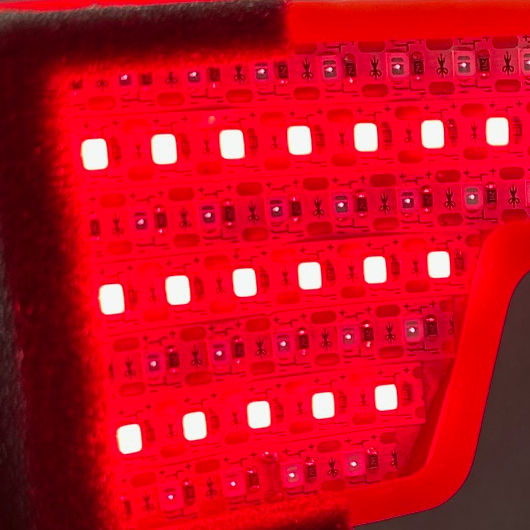
670 nm treatment preserved retinal ganglion cells and visual function in mitochondrial optic neuropathy model through enhanced mitochondrial enzyme activity.
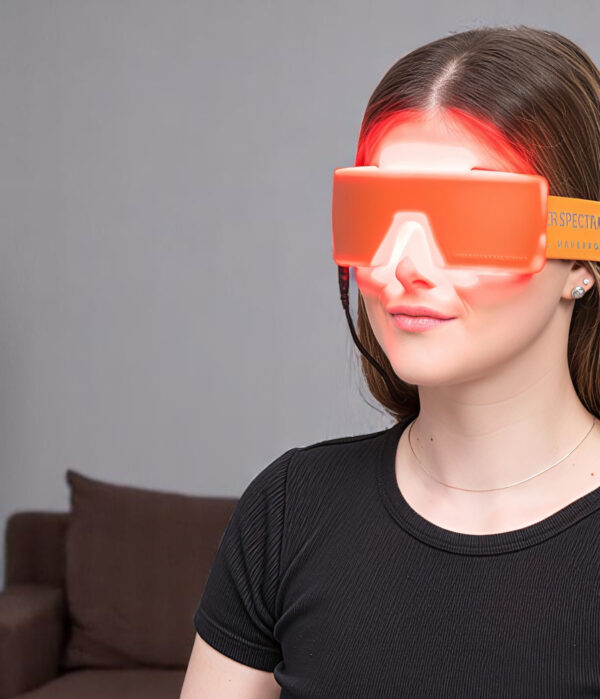
The widespread use of botulinum toxin type A (BTX-A) for aesthetic procedures in recent years has brought about some unwanted side effects that, though they are self-limited, cause inconvenience for patients.

Near-infrared irradiation of carotid artery and stellate ganglion increased central retinal artery blood flow without systemic changes in healthy volunteers.
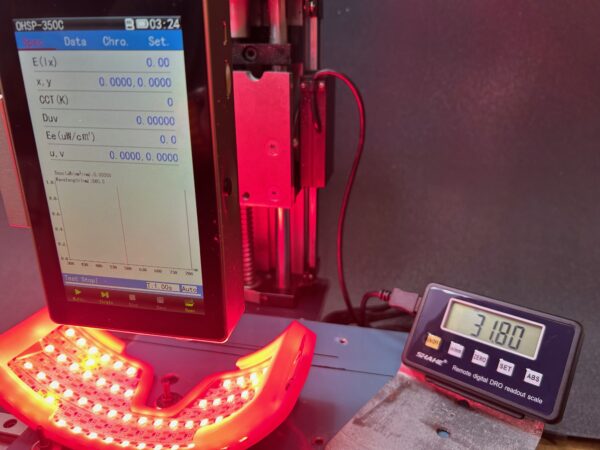
Five-year follow-up showed sustained visual improvements and slowed AMD progression with LLLT, confirming long-term safety without adverse effects.
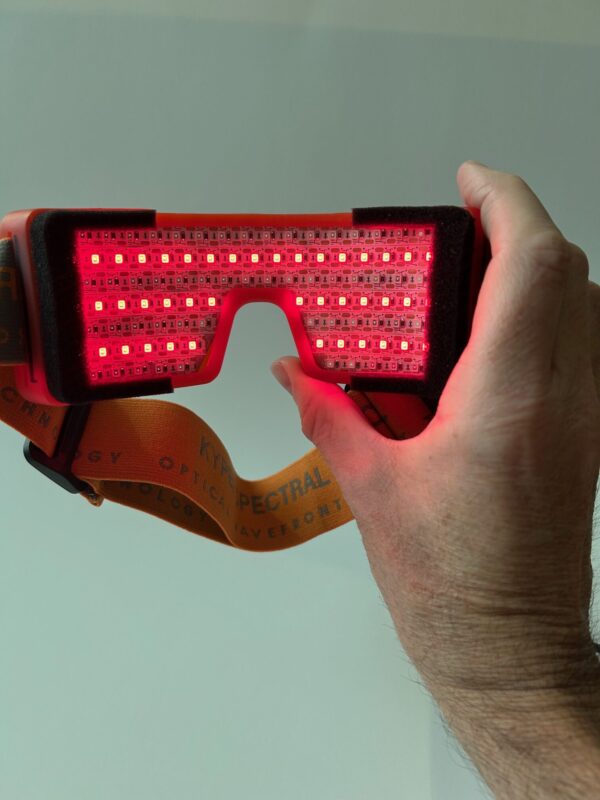
Landmark study: 670 nm LED rescued retinal function from methanol toxicity up to 50 hours post-intoxication, first linking in vitro mitochondrial effects to in vivo retinoprotection.
