Condition Focus: Ocular Inflammation & Photobiomodulation Support
Red light therapy for eye inflammation is the application of specific red and near-infrared wavelengths to ocular tissue to support mitochondrial activity and modulate cellular oxidative stress. The clinical term is photobiomodulation, or PBM, and the supporting research has accumulated steadily across the past two decades — from foundational mitochondrial work in the early 2000s through multicenter trials in age-related macular degeneration in the 2020s.
For people managing chronic dry eye, blepharitis, age-related macular degeneration (AMD), glaucoma, or other inflammation-driven eye conditions, PBM has emerged as a non-invasive way to support the cellular environment of the eye alongside conventional care.
This guide walks through how photobiomodulation works at the mitochondrial level, the conditions where the research has accumulated, what a practical at-home protocol looks like, and how to evaluate whether a device is engineered around the parameters used in the published literature.
How Red Light Therapy Supports Eye Inflammation
Ocular photobiomodulation uses defined wavelengths of red and near-infrared light to support cellular energy production, balance oxidative stress, and modulate inflammatory pathways within the tissues of the eye.
The Mechanism of Photobiomodulation in Ocular Tissue
The cellular basis for PBM lies in mitochondrial function. The retina is one of the most metabolically demanding tissues in the body — the photoreceptors and the retinal pigment epithelium (RPE) depend on dense networks of mitochondria. These mitochondria decline with age and accumulate oxidative damage over time.
The biological target is cytochrome c oxidase, an enzyme in the mitochondrial respiratory chain that absorbs photons in the red and near-infrared range. When red and near-infrared light reach this enzyme, several cellular responses follow:
- Enhanced cellular energy production. Stimulating the electron transport chain supports adenosine triphosphate (ATP) — the energy currency cells need for repair and metabolic balance.
- Modulation of reactive oxygen species. PBM helps balance reactive oxygen species (ROS) — molecules that, when overproduced, drive the release of pro-inflammatory cytokines and contribute to oxidative damage.
- Mitochondrial signaling. Improved mitochondrial efficiency supports cell-survival signaling pathways — a meaningful pathway for preserving retinal ganglion cells and photoreceptors.
The foundational work by Eells et al. 2003 on 670nm light and retinal mitochondrial function established that this specific wavelength can up-regulate cytochrome c oxidase activity. Subsequent studies — including Begum 2013 on 670nm light and AMD-model inflammation, and Kokkinopoulos 2013 on age-related retinal inflammation — extended the mechanism into specific ocular conditions.
What the Research Says About Symptom Timelines
The cellular response to red light is immediate, but symptomatic changes follow a longer arc tied to the depth and chronicity of the condition. Surface-level conditions like dry eye and chalazia tend to show measurable changes within weeks. Retinal conditions are measured over longer windows in the published research, reflecting the cumulative nature of metabolic support to the RPE.
A few representative timelines from the peer-reviewed literature:
- Stonecipher and Potvin 2019 measured chalazion resolution within two months of starting low-level light therapy in 22 patients across 26 eyes
- Antwi 2024 measured improvements in tear stability, lipid layer, meibum quality, and OSDI scores after three sessions using an LED mask in patients with dry eye disease
- Jackson et al. 2023 (LIGHTSITE III) measured improvements in best-corrected visual acuity and contrast sensitivity at 13 and 24 months in patients with dry AMD
What these studies share is that consistency matters more than intensity. PBM is a metabolic-support intervention; the cumulative effect of regular application is what the research is measuring.
Wavelengths and the Therapeutic Window
The application of light to the human eye depends on understanding which wavelengths the published research has examined and the irradiance levels at which those wavelengths support — rather than stress — ocular tissue.
Why 670nm and 810nm Together
The 670nm wavelength is preferentially absorbed by cytochrome c oxidase and has the most accumulated evidence for retinal applications. Near-infrared wavelengths around 810nm penetrate deeper, reaching the choroid and the vascular layers that support the macula. Used together, the two wavelength bands cover the cellular targets most relevant to ocular health.
| Wavelength band | Tissue target | Primary cellular effect |
| 670nm (red) | Retinal pigment epithelium and photoreceptors | Supports ATP production and oxidative-stress balance in the retina |
| 810nm (near-infrared) | Choroid, choriocapillaris, deeper retinal layers | Supports microvascular function and deeper tissue metabolic recovery |
Giacci 2014 compared 670nm and 830nm in retinal and optic-nerve paradigms and found 670nm superior for those targets, while near-infrared wavelengths in adjacent ranges show benefit for deeper tissue and microvascular support. The dual-band approach reflects this division of labor.
Therapeutic Window vs. High-Intensity Light
The clinical PBM literature is built around a narrow therapeutic window: light strong enough to engage cytochrome c oxidase, but at irradiance levels low enough to avoid cellular stress. The therapeutic window in ocular PBM research generally sits around 5 mW/cm² of irradiance delivered as continuous-wave light over sessions of 16 to 21 minutes.
Chu-Tan 2016 characterized the dose-response window for 670nm light in retinal damage models, defining the range across which PBM provides benefit. Industrial and surgical lasers at similar nominal wavelengths are an entirely different category of technology — coherent, high-power, designed for cutting or cauterizing tissue. The two should not be conflated. PBM-grade LEDs deliver a soft, distributed light field that supports cellular function rather than altering tissue.
Photobiomodulation for Dry Eye Disease
Most chronic dry eye traces back to meibomian gland dysfunction (MGD). The meibomian glands lining the eyelids produce the lipid layer of the tear film. When these glands become obstructed with thickened meibum, the lipid layer thins, tears evaporate too quickly, and the ocular surface becomes inflamed.
Targeted red and near-infrared light applied with the eyes closed reaches the meibomian glands through the eyelid tissue. Several mechanisms support gland function:
- Cytochrome c oxidase activation in eyelid tissue supports ATP production in the gland-lining cells
- The mild non-thermal warmth that accompanies PBM sessions helps soften and mobilize thickened lipids
- Reduced inflammatory signaling within the gland environment supports secretion of a healthier lipid layer
The published research on this application includes Park 2022 on PBM in dry eye disease, Goo 2023 on multi-wavelength LED irradiation in dry eye, Solomos 2021 on intense pulsed light combined with low-level light therapy for MGD, and Antwi 2024 on LED-mask PBM in dry eye disease — all measuring improvements across standard dry eye markers including tear break-up time, meibum quality, and OSDI symptom scores.
For broader resources on this condition area, see our complete dry eye & LLLT guide.
Photobiomodulation for Age-Related Macular Degeneration
In age-related macular degeneration (AMD), the RPE undergoes mitochondrial decline. As RPE cells lose energetic capacity, they become less efficient at clearing metabolic waste, which accumulates as drusen — small yellow deposits beneath the retina — and contributes to chronic retinal inflammation.
Applied with the eyes open, 670nm and 810nm light reaches the retina and supports the metabolic environment of the RPE. The clinical question being studied is not whether PBM eliminates AMD, but whether cellular conditions can be supported well enough to influence the rate of decline.
The peer-reviewed evidence in this area includes:
- Jackson et al. 2023 (LIGHTSITE III), a multicenter randomized trial examining PBM in dry AMD patients across 13 and 24 months, reporting visual-acuity and contrast-sensitivity benefits versus sham
- Grewal 2020, pilot data on 670nm PBM in healthy aging and AMD at approximately 4.8 J/cm² delivered daily across 14 days
- Fantaguzzi 2023, a narrative review of PBM specifically in AMD
- Garg 2024, a comprehensive review of bench-to-bedside ocular PBM research
The supported cellular pathways include more efficient RPE housekeeping and metabolic waste clearance, better management of the oxidative pressure that contributes to retinal cell stress, and stabilization of the metabolic environment that the choriocapillaris and outer retina depend on.
PBM does not eliminate AMD or any other eye disease. It is positioned as ongoing metabolic support alongside the care prescribed by an ophthalmologist or retinal specialist. For broader context on this condition area, see the AMD & macular health research library.
The Long-Term Case for Ocular PBM
The acute relief of ocular discomfort is one driver for adopting photobiomodulation, but the longer-term value lies in the cumulative effect on macular health. Acute symptom support and long-term retinal support are two ends of the same metabolic continuum.
The RPE is among the most metabolically demanding cell layers in the body. When chronic inflammation runs unchecked, RPE mitochondria become less efficient and reactive oxygen species accumulate. This oxidative pressure is a documented contributor to retinal thinning and the progression of AMD.
Consistent application of 670nm and 810nm light supports cytochrome c oxidase activity within RPE mitochondria, which in turn supports ATP production and oxidative-stress balance. The relevant pathways for long-term retinal health include:
- More effective waste clearance by RPE cells, which influences the accumulation of metabolic byproducts like drusen
- Microvascular support for the choriocapillaris, the vascular layer that nourishes the macula
- Improved cellular resilience to environmental stressors over time
Integrating PBM into a daily wellness routine is best understood as supporting the biological infrastructure of the eye over time rather than reacting to acute episodes.
Selecting a Device Built for Ocular Tissue
Most red light therapy devices on the market are designed for skin and muscle recovery, not for the eye. The differences are not subtle, and they matter for whether a device is engineered around the parameters in the ocular PBM literature.
Eye-Specific vs. Skin-Focused Devices
| Feature | Eye-specific device | General skin or muscle panel |
| Wavelengths | Specific dual-band: 670nm + 810nm | Broad arrays, often mixed wavelengths |
| Irradiance | ~5 mW/cm², calibrated for ocular tissue | Higher power densities engineered for dermal and muscle penetration |
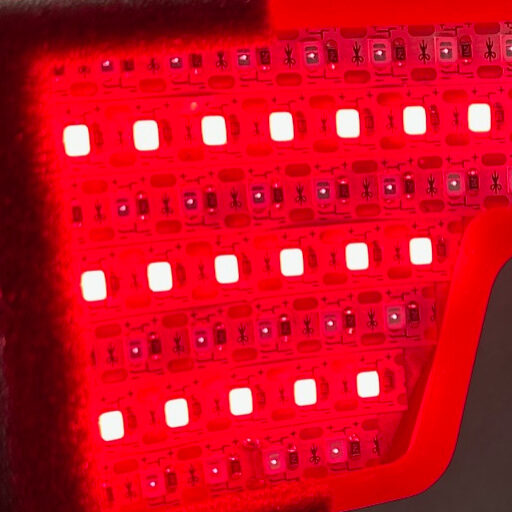
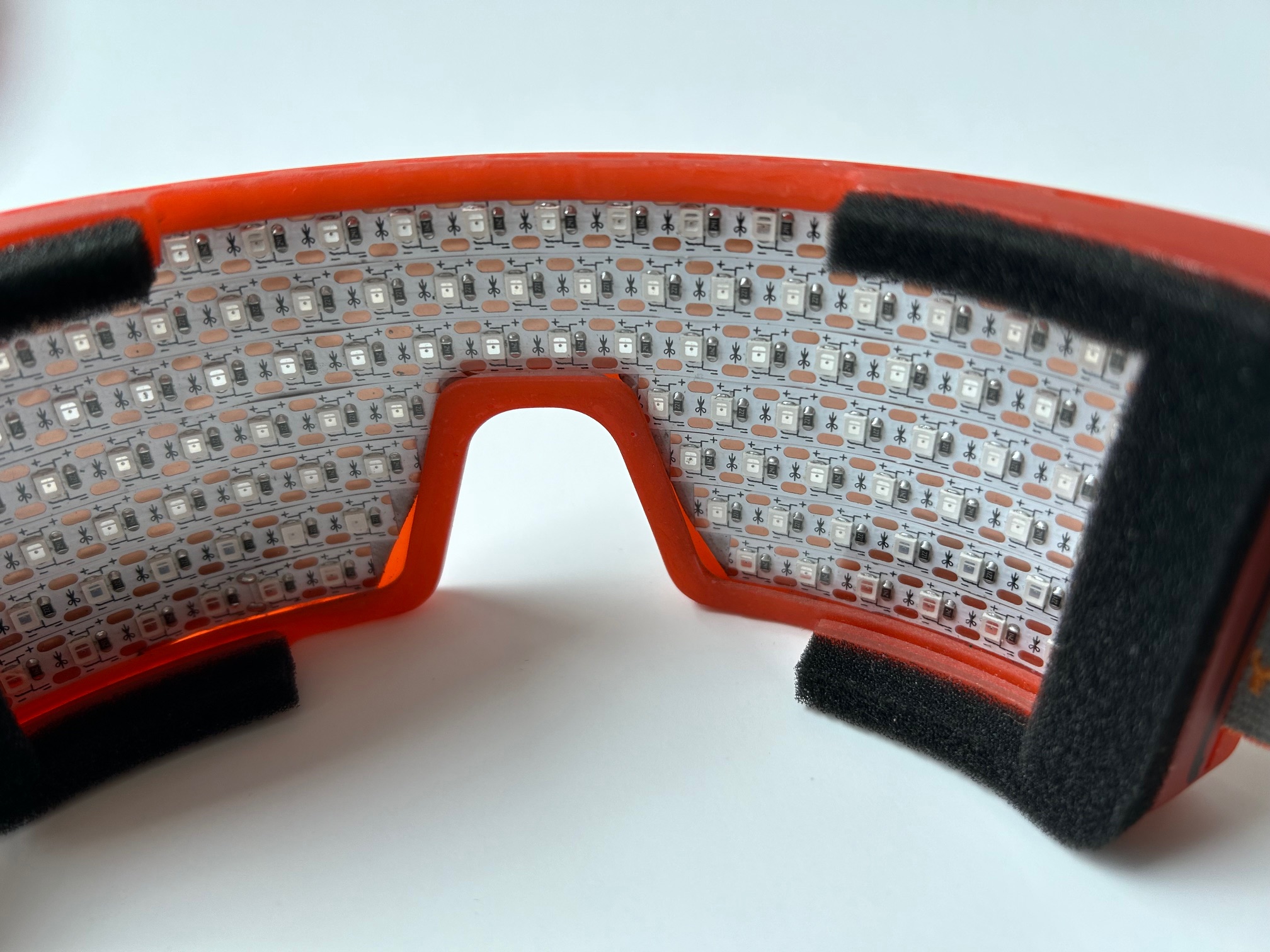
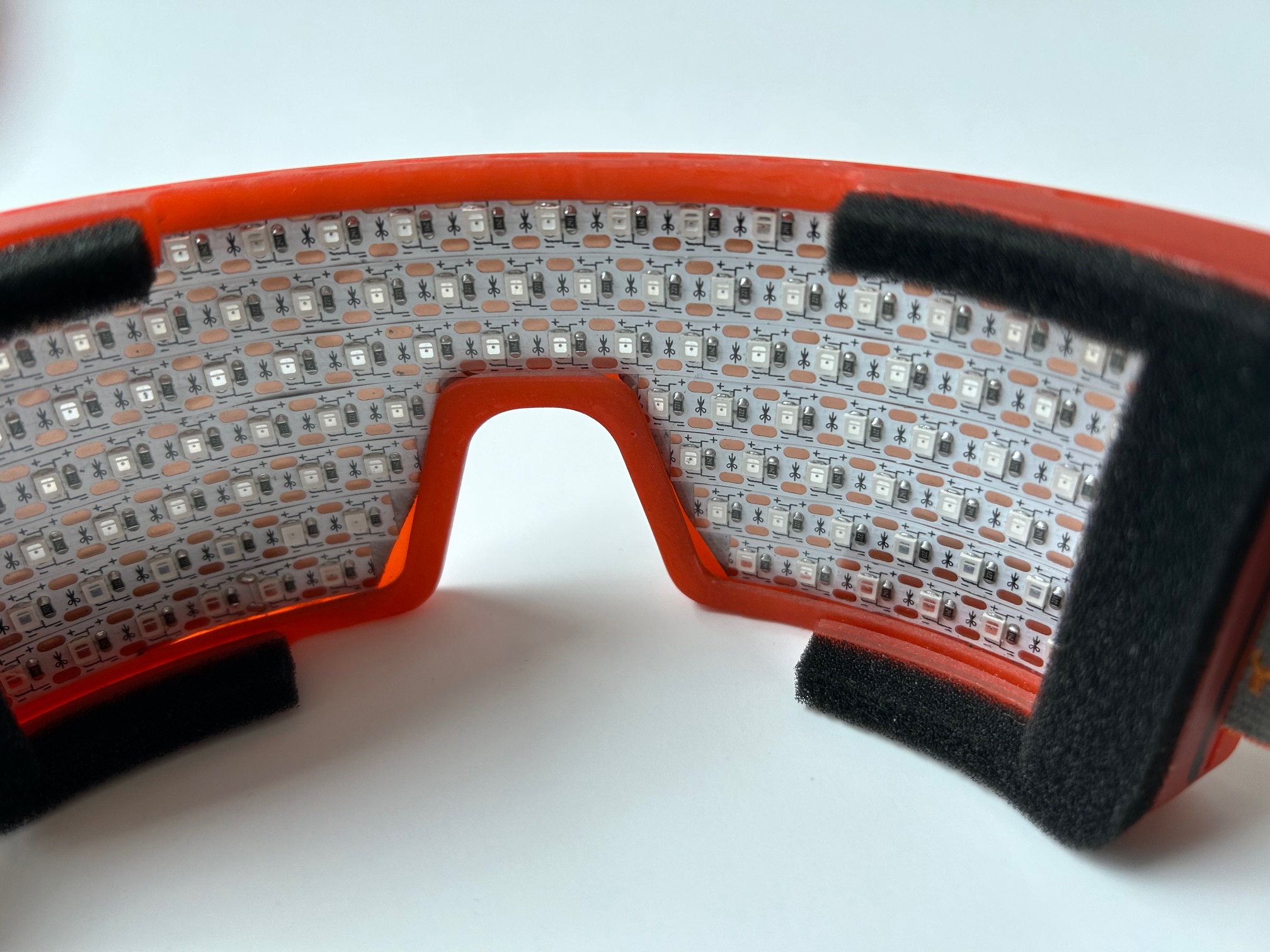
| Light delivery | Continuous-wave LEDs, diffuse, even distribution across both eyes | Often concentrated arrays designed for body-distance use |
| Form factor | Worn directly as a mask with built-in spacing | Free-standing panel used at variable distance |
| Engineering focus | Documented PBM dosing for retinal and eyelid tissue | Collagen support, muscle recovery, dermal applications |
What to Look For
When evaluating any device for ocular use, the questions worth asking are:
- Are the wavelengths specified and within the studied range for ocular PBM?
- Is the irradiance specified and within the therapeutic window documented in the research?
- Is the light continuous-wave?
- Is the form factor engineered to deliver uniform light to both eyes?
- Is there a clear protocol grounded in peer-reviewed research?
A device that satisfies all five questions is positioned to deliver PBM consistent with the parameters used in the published literature.
A Practical Protocol for At-Home Ocular PBM
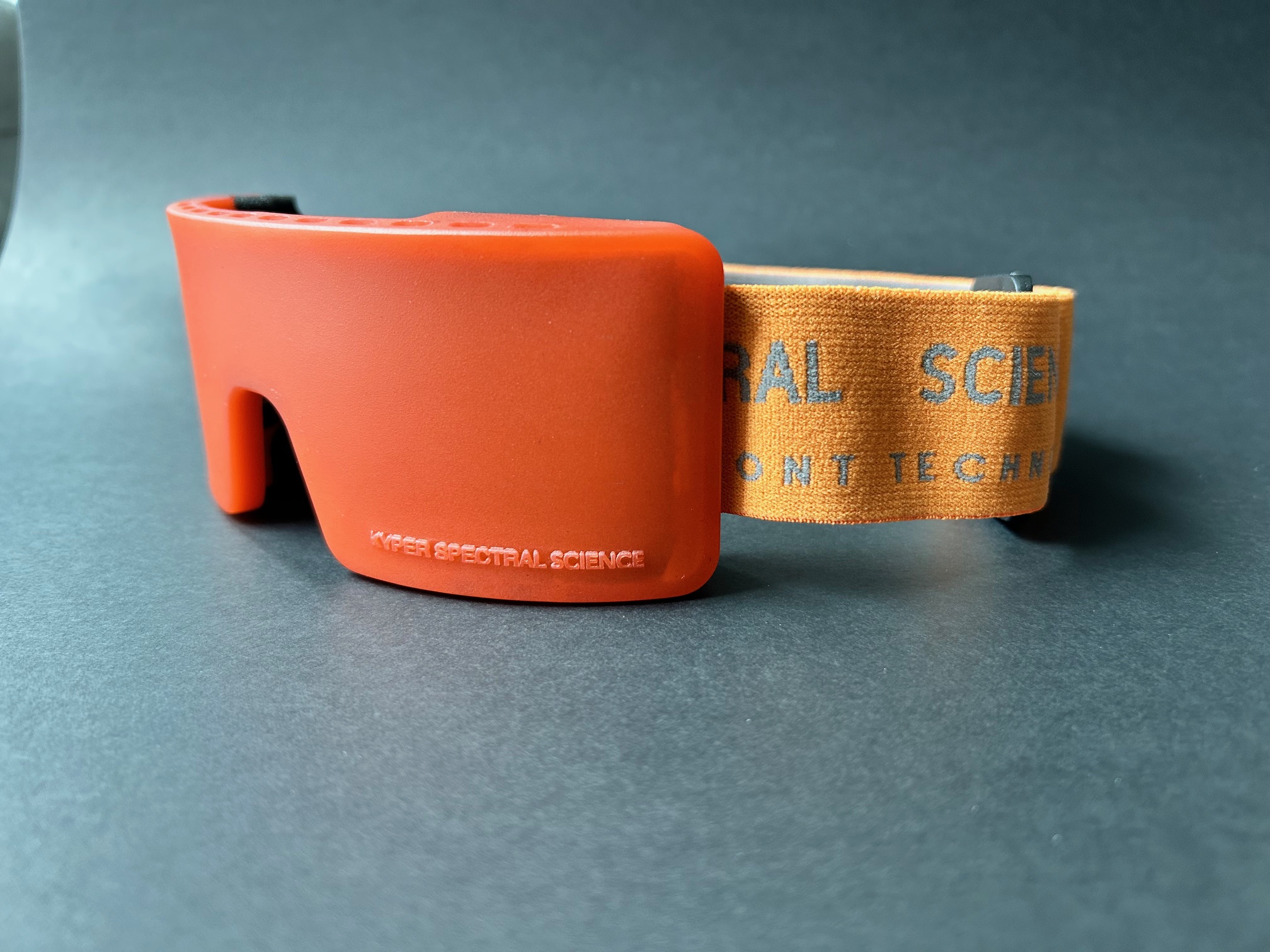
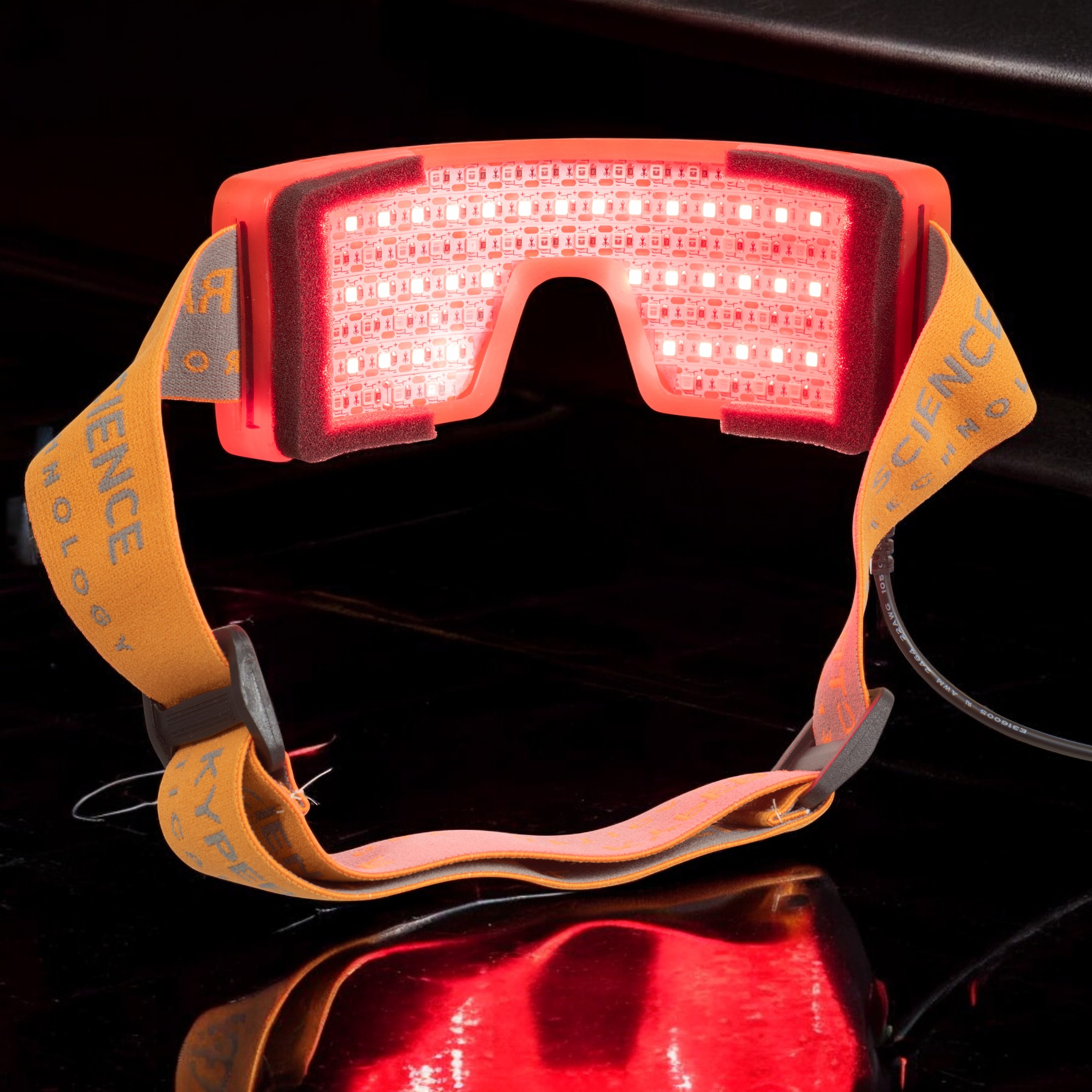
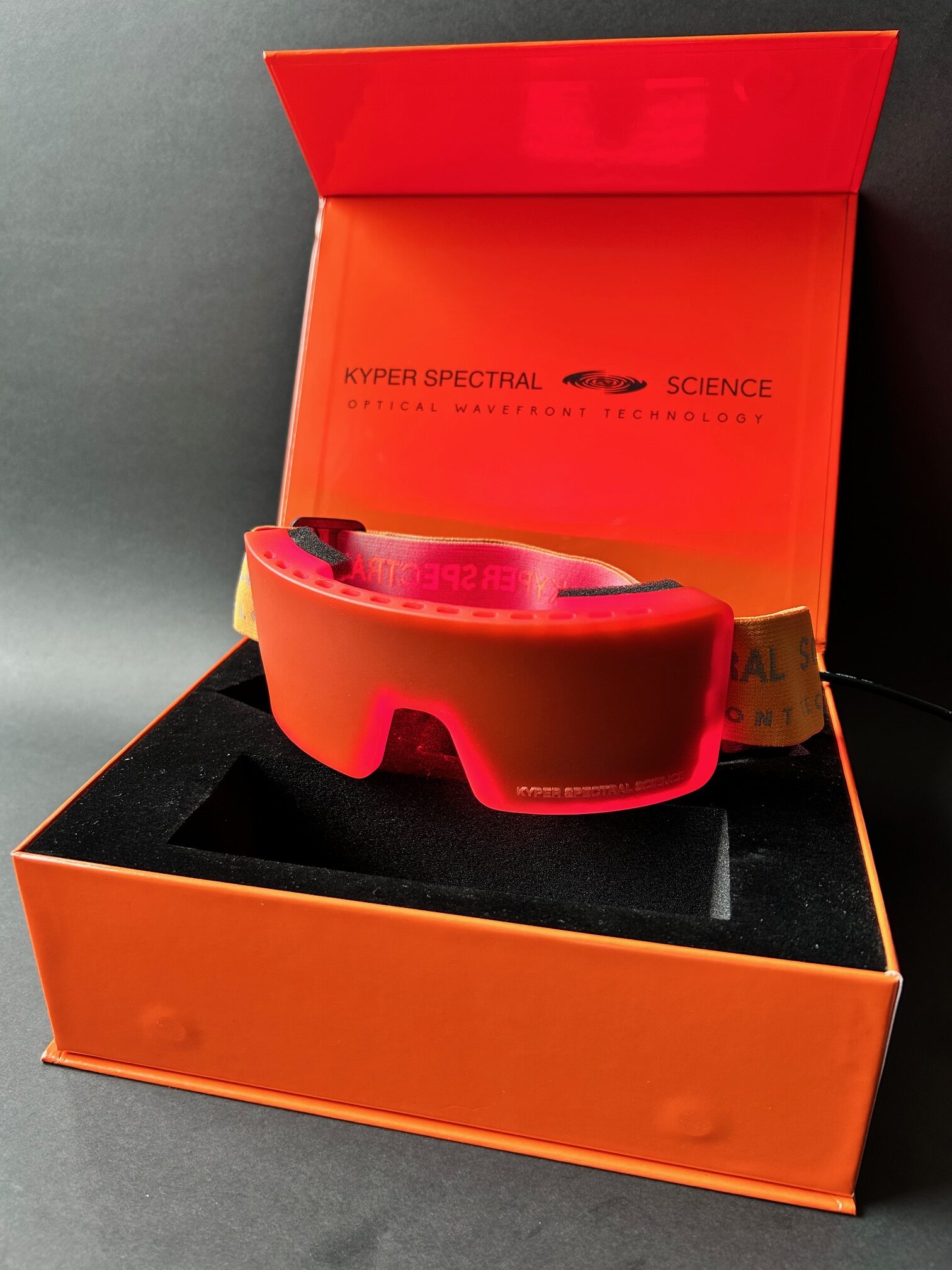
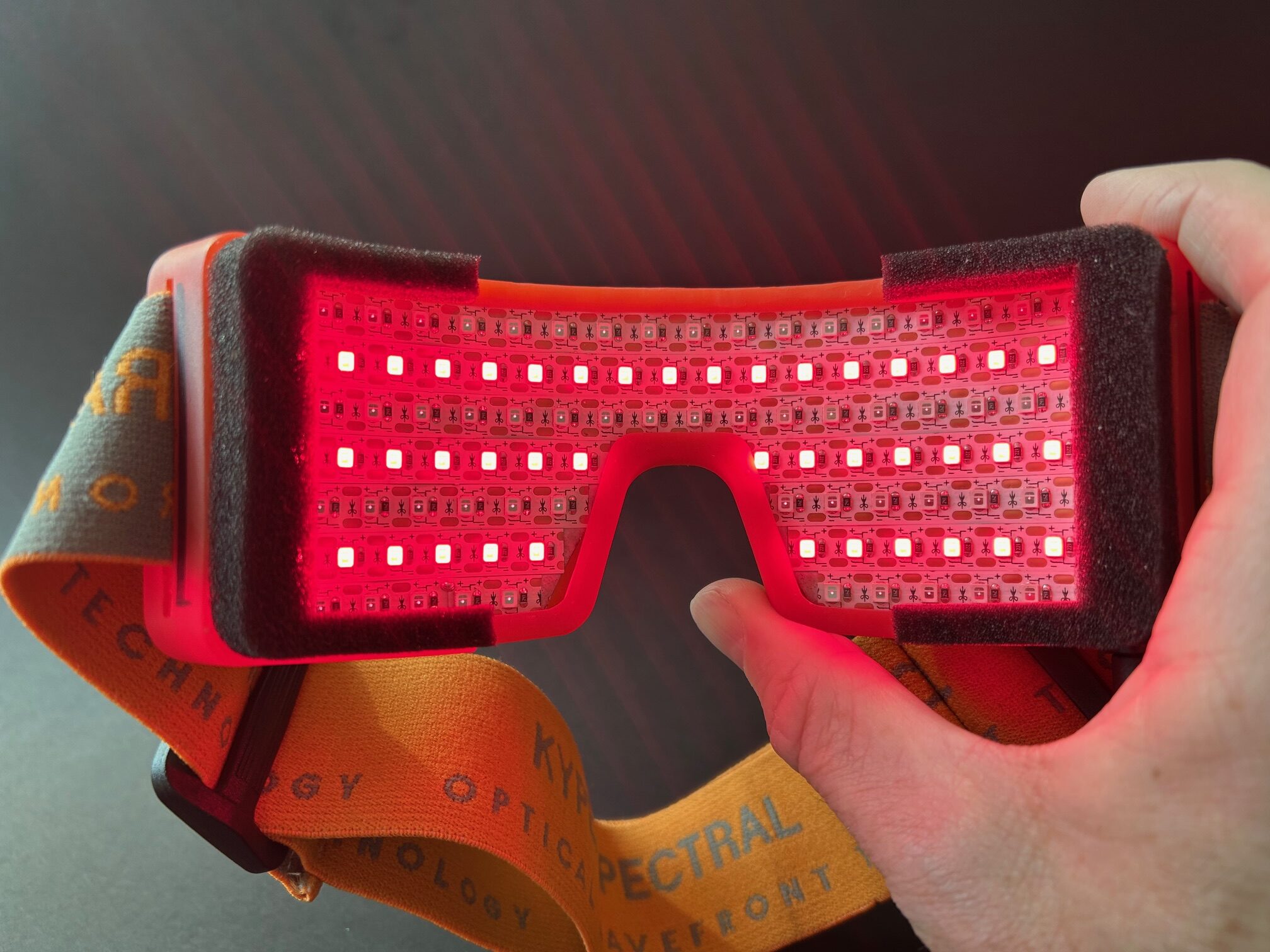
The Spectral WaveFront delivers continuous-wave 670nm and 810nm light at approximately 5 mW/cm² in a worn-mask form factor, with a session protocol calibrated to sit within the therapeutic window documented in the peer-reviewed PBM literature.
Session Structure
The WaveFront uses two primary protocols, plus two combined protocols for users with multiple conditions. All sessions deliver continuous-wave 670nm and 810nm light at approximately 5 mW/cm², worn as a mask over both eyes.
| Protocol | Duration | Use for |
| Eyes open | 16 minutes | Retinal and macular conditions, including AMD, diabetic retinopathy, retinitis pigmentosa, Stargardt disease, choroideremia, contrast sensitivity, MacTel Type 2, eye stroke, and aging vision |
| Eyes closed | 21 minutes | Eyelid and surface conditions, including dry eye, MGD, blepharitis, chalazion, recurrent styes, glaucoma, Sjögren’s dry eye, and EBMD |
| Hybrid | 21 minutes closed, last 3–4 minutes eyes open | Multiple conditions in one session, such as AMD plus dry eye |
| Alternate | One session eyes open, next eyes closed | Multiple conditions across sessions, every other day |
A standard session delivers approximately 4.8 joules per square centimeter of total energy and produces a comfortable therapeutic warmth of about 39°C. The light is continuous-wave, not pulsed.
Frequency
The standard cadence is every other day — approximately three to four sessions per week. Occasional daily use is appropriate during a flare-up, and consecutive days are fine if days have been missed.
The WaveFront is positioned as ongoing metabolic support, not a finite course of treatment. Use it the same way you would exercise — ongoing, not a course. When sessions stop, the cellular support stops, which is why the protocol is designed for long-term integration rather than a fixed package of sessions.
Practical Setup
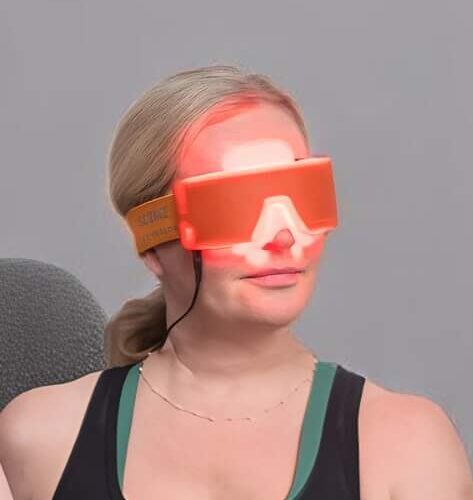
The WaveFront is worn directly over both eyes as a mask, held in place with adjustable straps. It is powered via USB-A with a built-in timer and works with any USB-A power source — phone charger, laptop, or wall adapter — worldwide without a voltage converter.
A few operational notes:
- Sit or recline comfortably during use
- Eyewear and contact lenses should not be worn during a session
- Sessions can be done at any time of day
- If multiple people share a device, allow about 5 minutes between back-to-back sessions for the unit to cool
What to Expect During and After a Session
Most users describe sessions as comfortable. The eyes-closed protocol feels like a warm, restful 21 minutes; the eyes-open protocol delivers a soft red glow with the same therapeutic warmth of around 39°C.
A few operational notes:
- Mild soreness around the eyes is common during the first one to three sessions and typically resolves after three to five sessions as the eye area adapts
- A temporary green tint to colors may appear briefly after a session — this is normal color cone adaptation and resolves within one to three minutes
- Continue all visits and treatments with your eye care professional
Compatibility With Existing Eye Care
The WaveFront is designed to be used alongside your current eye care routine, not in place of it. PBM does not interact pharmacologically with eye medications or implanted lenses. The device is compatible with:
- Glaucoma drops including Dorzolamide, Latanoprost, and Timolol
- Artificial tears and anti-inflammatory drops
- AREDS2 supplements
- Heated eye pads
- Intraocular lenses (IOLs) — including monofocal, multifocal, and toric implants
If you are coordinating multiple interventions, your eye care professional remains the right person to help sequence them.
When to Check With Your Eye Care Specialist First
There are four situations where a check-in with your specialist makes sense before starting:
- Active cancer under treatment
- Post-stem cell transplant or active immune suppression
- Known photosensitivity disorders
- Active or uncontrolled uveitis or acute ocular inflammation
Frequently Asked Questions
Can I use red light therapy while wearing contact lenses?
Contact lenses and eyewear should be removed before a session. Ocular PBM protocols are designed to be performed with the device in direct contact with the face.
Is at-home red light therapy appropriate for children?
At-home ocular PBM devices are designed for adult use. Any light therapy decision for a minor should involve a pediatric ophthalmologist.
Can I use red light therapy if I am using glaucoma drops?
PBM does not interact pharmacologically with eye medications, including glaucoma drops such as Dorzolamide, Latanoprost, and Timolol. Many users space sessions and drop administration apart for comfort; the eye care specialist remains the right person to coordinate overall care.
Does red light therapy help with blepharitis?
Blepharitis is one of the eyelid and surface conditions where the eyes-closed PBM protocol has supporting research. PBM helps by supporting meibomian gland function and the inflammatory environment of the eyelid.
Can red light therapy be used alongside intraocular lens implants?
PBM does not interact with implanted lenses. The published parameters and protocols apply across monofocal, multifocal, and toric IOL implants.
Is red light therapy for the eyes covered by insurance?
At-home ocular PBM devices are typically classified as wellness products and are generally not covered by standard health insurance. Many users purchase using HSA or FSA funds — eligibility depends on the plan administrator.
Supporting the Cellular Foundation of Vision
Photobiomodulation works by supporting the metabolic infrastructure of the eye — not by treating any specific disease. The therapeutic value depends on using the right wavelengths at the right irradiance, applied consistently, in a form factor designed for ocular tissue.
The peer-reviewed research is collected in the Kyper Research Library. Condition-specific protocols are documented in the Clinician Reference, and the parameter alignment between the Spectral WaveFront and the published clinical research is mapped in the Evidence Alignment paper.
Information is for educational purposes only and should not be interpreted as medical advice.
Editor’s note: This guide was written by Simon Overington, the Founder of Kyper Spectral Science.
For the peer-reviewed studies referenced throughout, see Eells et al. 2003, Begum 2013, Kokkinopoulos 2013, Jackson et al. 2023, Grewal 2020, Fantaguzzi 2023, and Garg 2024 in the research library.
Related Articles
- Complete Dry Eye & LLLT Guide – Kyper Spectral Science
- Is Multiwavelength PBM Effective and Safe for AMD? – Jackson et al. 2023
- Photobiomodulation in Ophthalmology: Comprehensive Review – Garg et al. 2024
- 670nm Light, Cytochrome c Oxidase & AMD Inflammation – Begum 2013
- PBM for Chalazia – Stonecipher & Potvin 2019