Condition focus: Pterygium & Ocular Surface Health
A pterygium is a benign, wedge-shaped fibrovascular growth of the conjunctiva that extends onto the cornea — commonly known as “surfer’s eye” — and is among the most prevalent ocular surface diseases worldwide. Despite that prevalence, its underlying pathogenesis has remained incompletely understood, which matters because recurrence after surgical removal is notably high and harder to manage than a primary lesion. This review synthesises the current evidence on the major factors driving pterygium development, evaluating the roles of ultraviolet radiation, viral infection, the p53 tumour suppressor gene, growth factors, oxidative stress, apoptosis, and neuropeptides.
The authors identify ultraviolet radiation as the single most important trigger, acting through oxidative stress, inflammatory signalling, and dysregulated growth-factor and angiogenic activity that together drive fibrovascular proliferation onto the cornea. They also highlight elevated TRPV1 expression as a likely contributor that promotes inflammation and modulates sensory responses in ocular tissue. Significantly, the review proposes a formal correlation between pterygium and dry eye disease, framing ocular surface instability as part of the developmental picture and a target for improving outcomes.
Ding et al. 2024 supports the importance of UV-free, non-inflammatory approaches to ocular surface care in patients with or at risk for pterygium.
WaveFront Alignment:
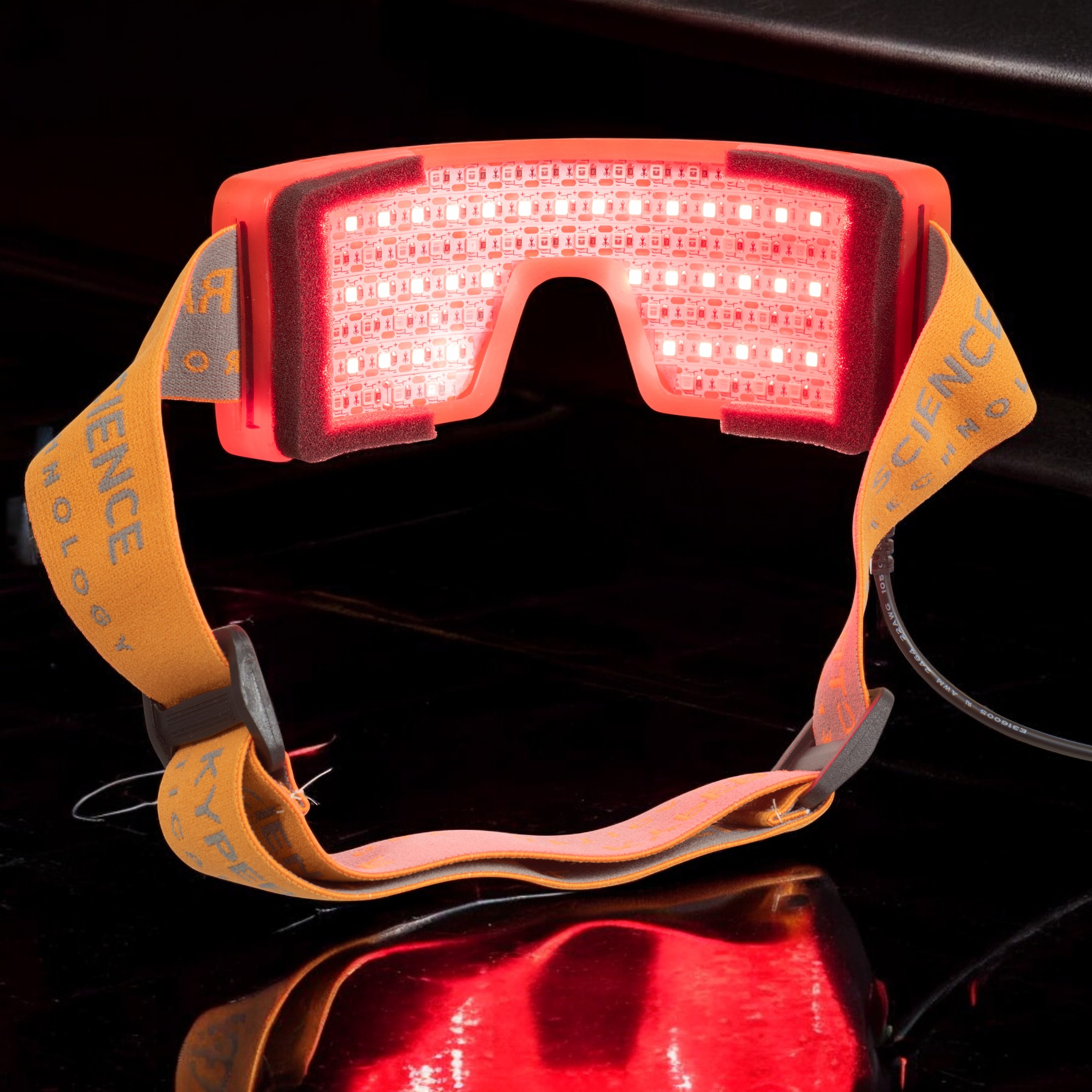
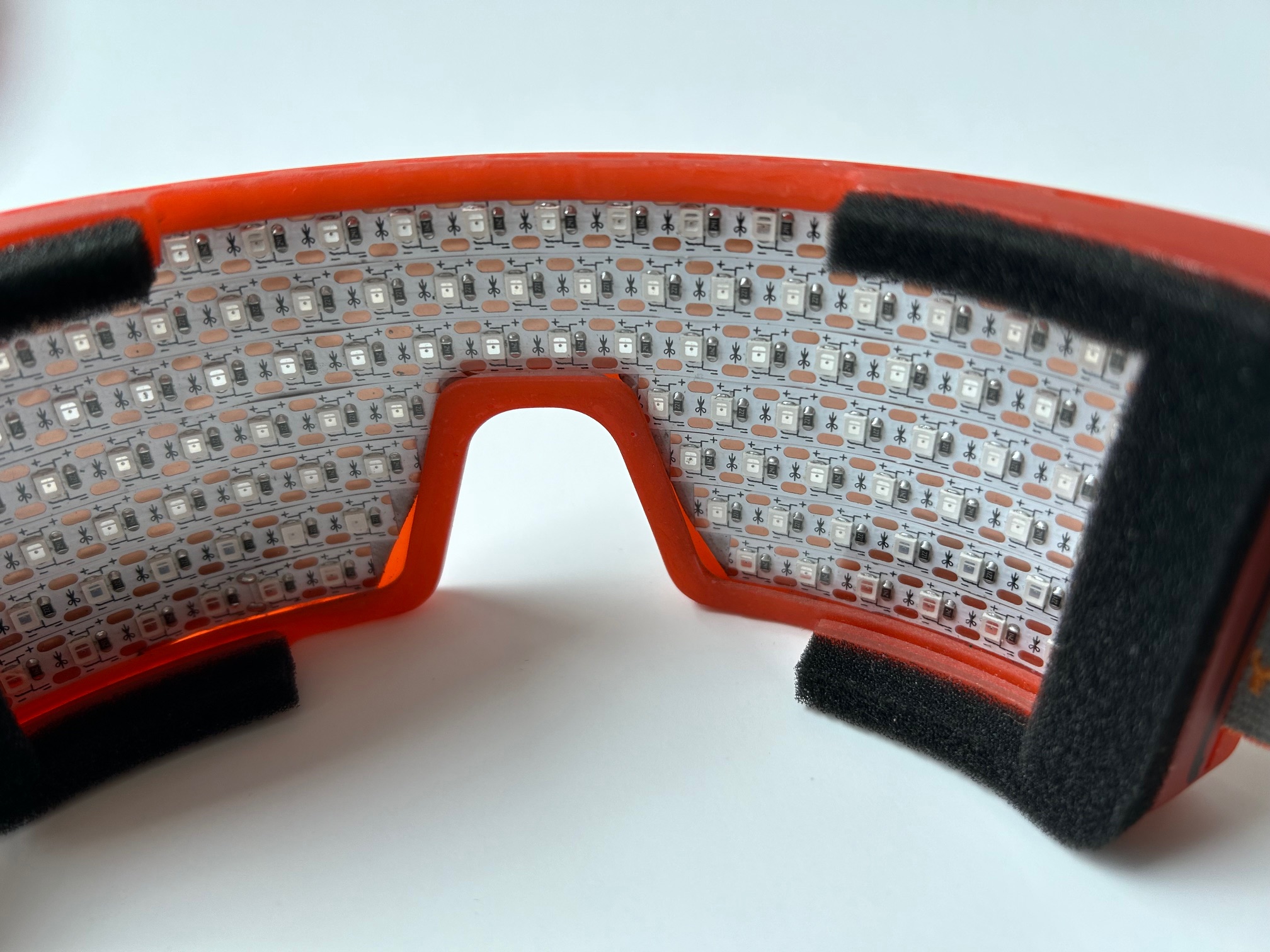
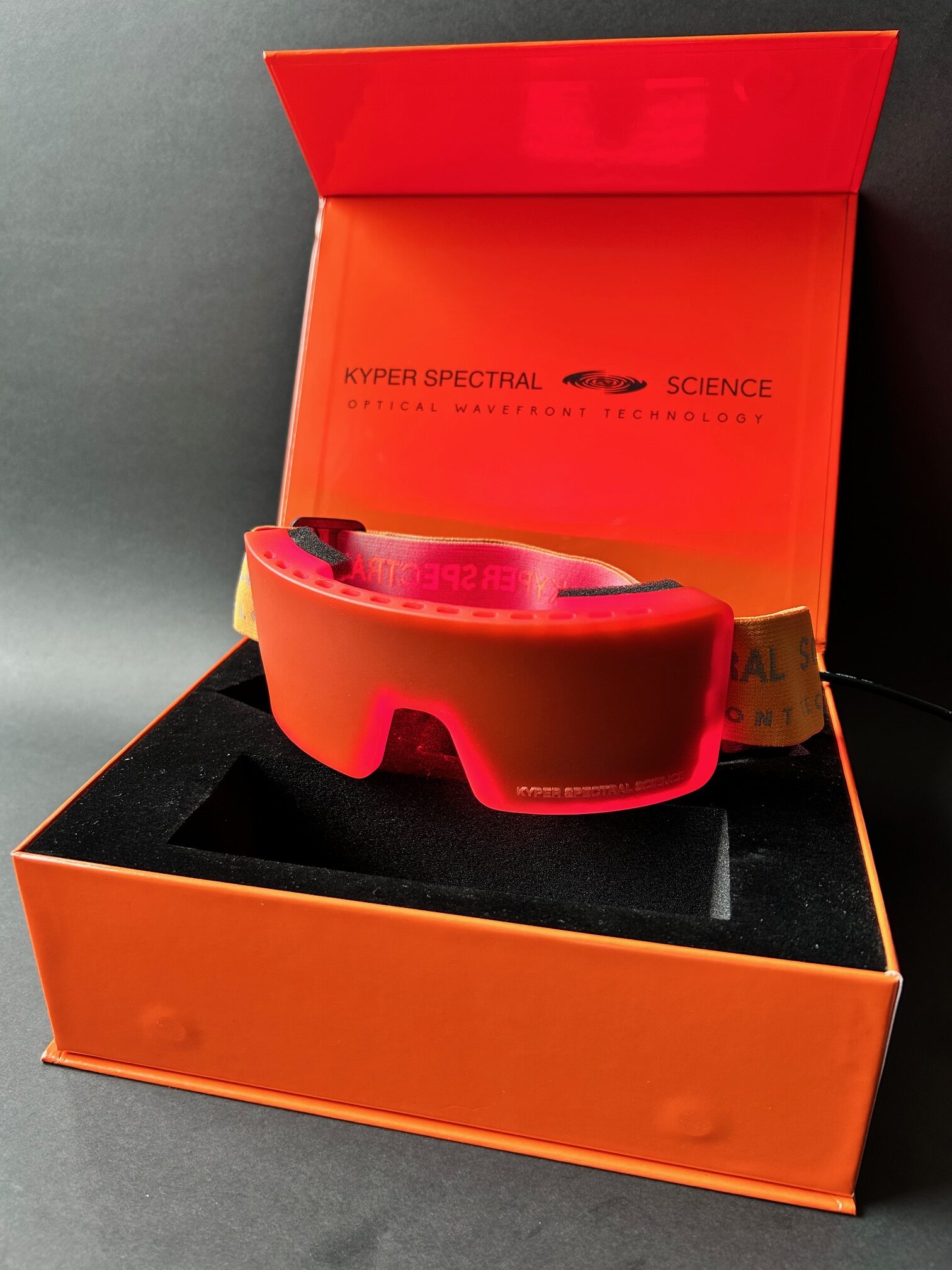
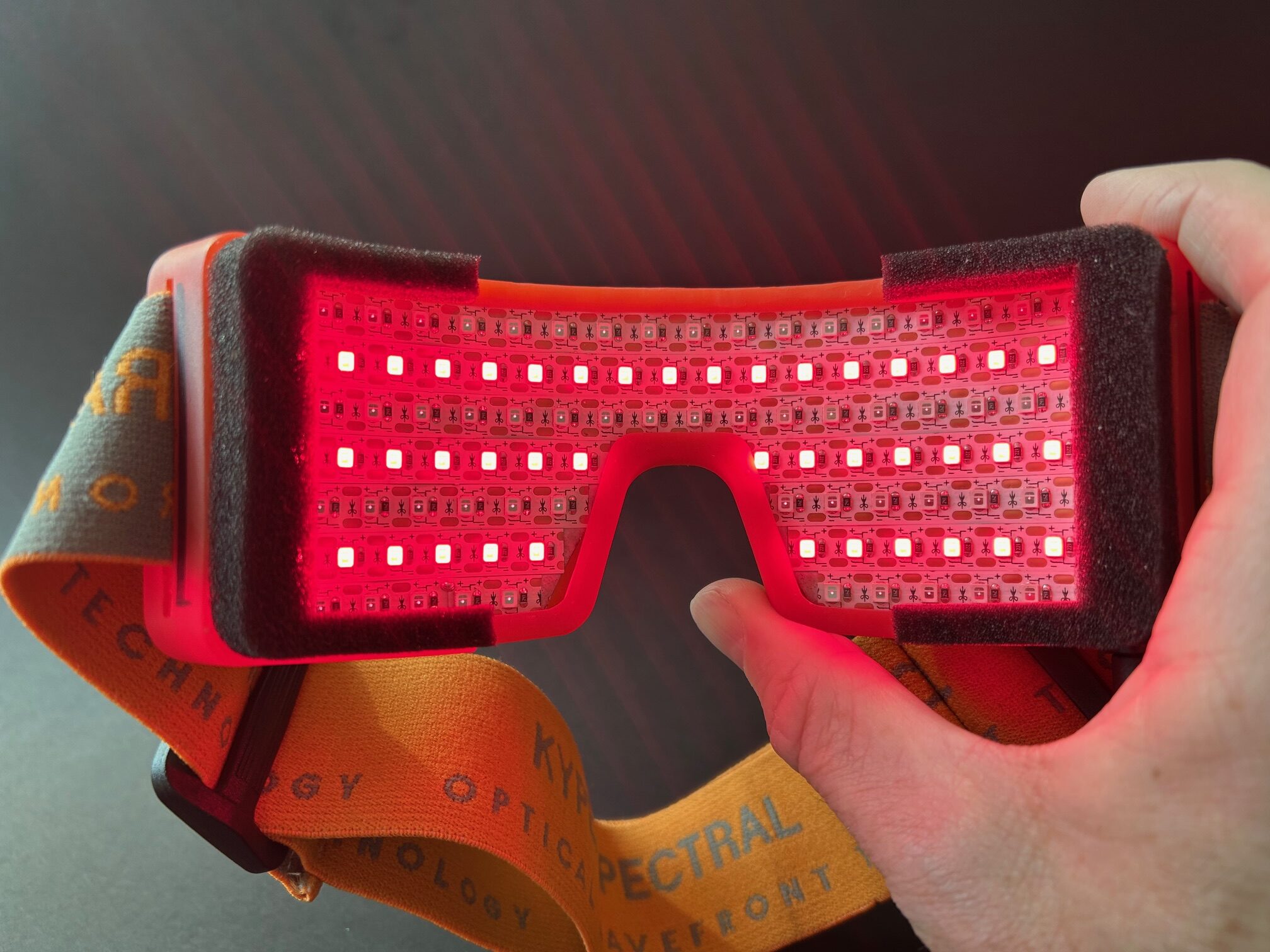
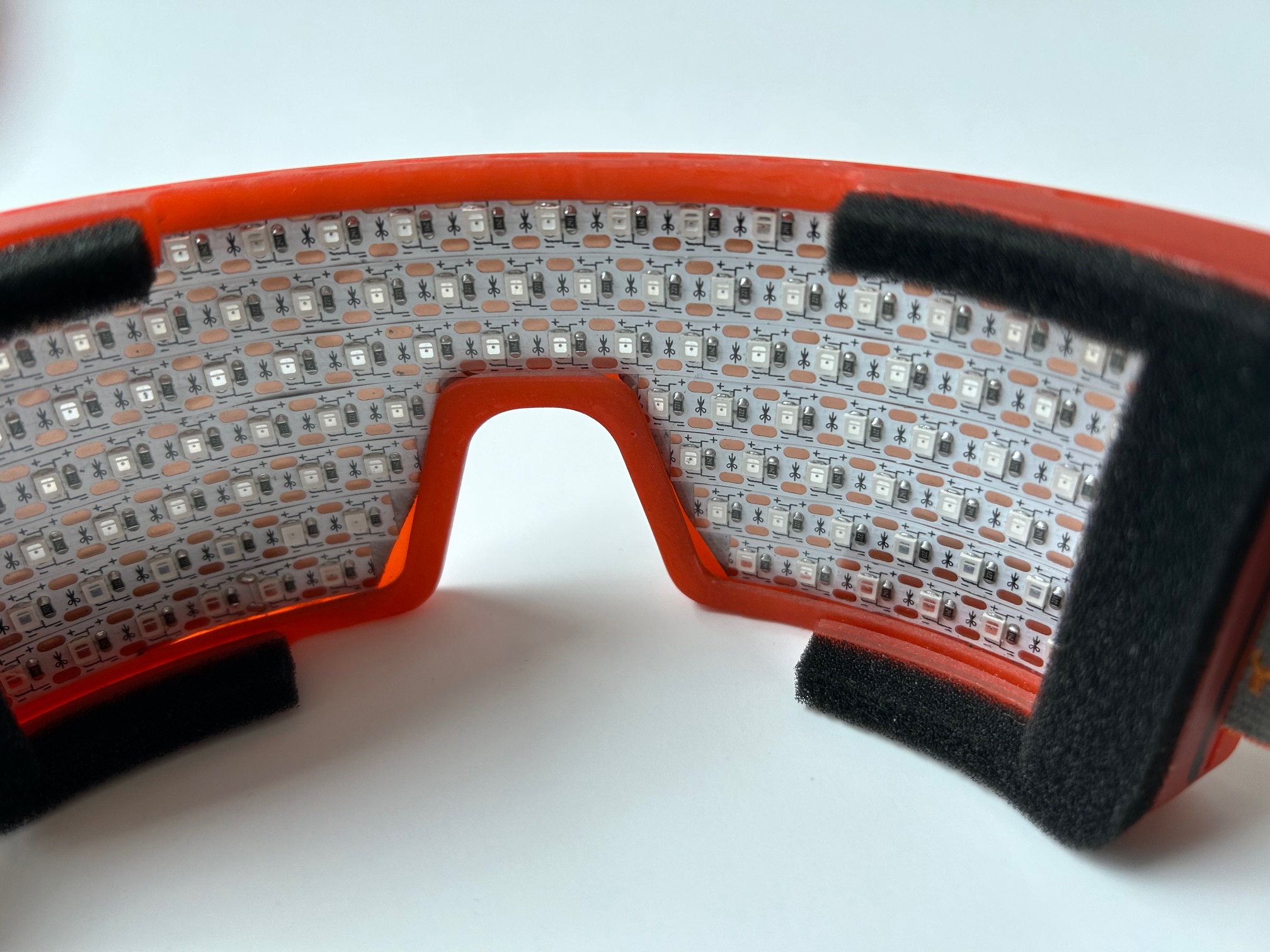
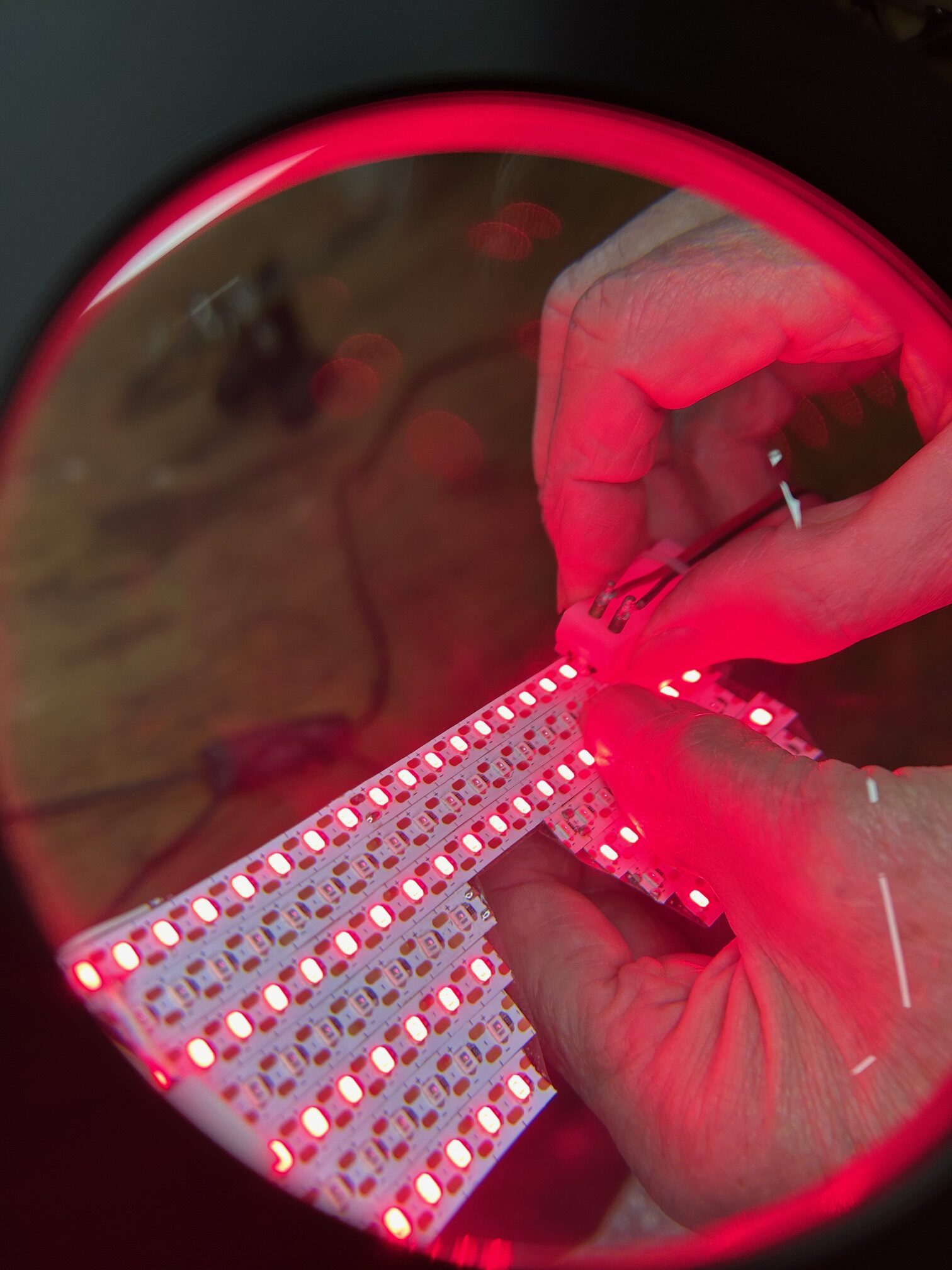
This review reinforces two points relevant to the Spectral WaveFront’s place alongside pterygium. First, ultraviolet radiation is the primary driver of the disease — and the WaveFront emits no UV whatsoever, delivering only 670 nm red and 810 nm near-infrared light, the opposite end of the spectrum from the wavelengths implicated here. Second, the review’s proposed link between pterygium and dry eye disease connects directly to the WaveFront’s eyes-closed dry eye protocol, which supports the ocular surface comfort that so often accompanies a pterygium. This article is provided as pathogenetic context; the WaveFront is not a treatment for pterygium itself.
Link to original research here
Editor’s note: Ding et al. 2024 establishes ultraviolet radiation as the leading driver of pterygium and proposes a formal link to dry eye disease. For the ocular-surface and dry-eye applications that connection points toward, see clinical PBM outcomes in Solomos 2021, randomised trial evidence for light therapy in dry eye in Park 2022, and thermal approaches to meibomian gland lipid normalization in Borchman 2019.
Related Articles
- MGD: PBM and IPL Therapy as Rescue Treatment – Solomos 2021
- PBM/Low-Level Light Therapy in Patients with Dry Eye: A Randomized Trial – Park 2022
- Heat Therapy for Meibomian Gland Dysfunction – Borchman 2019
Key Takeaways
- Pterygium is a benign fibrovascular growth of the conjunctiva onto the cornea, with ultraviolet radiation as the most important trigger
- UV acts through oxidative stress, inflammation, and dysregulated growth-factor and angiogenic signalling to drive fibrovascular proliferation
- Elevated TRPV1 expression is identified as a likely contributor to pterygium-associated inflammation
- The review proposes a formal correlation between pterygium and dry eye disease, identifying the ocular surface as relevant to outcomes
Study Overview
| Study Type: | Narrative review of published literature |
| Wavelength(s): | Not applicable (pathogenesis review) |
| Treatment Protocol: | Not applicable |
| Sample Size: | Synthesis of prior published studies |
| Primary Outcome: | Synthesis of pterygium risk factors and pathogenic mechanisms, with a proposed link to dry eye disease |
Full Citation
Ding P, Wang R, He Y. (2024). Risk factors for pterygium: Latest research progress on major pathogenesis. Experimental Eye Research, 243:109900. View Publication