Condition focus: Aging retina • Inflammation • Amyloid clearance • Mitochondrial and immune interaction
This study explored whether Vitamin D₃ supplementation could mitigate age-related retinal decline by targeting inflammatory and amyloid-related pathways. Aged mice received Vitamin D₃ for six weeks, followed by structural and functional assessments.
Treatment produced several notable improvements:
Marked reduction in retinal inflammation, including fewer activated macrophages and healthier macrophage morphology
Significant decrease in amyloid beta (Aβ) accumulation, a known accelerant of retinal aging and AMD risk
Improved visual function, demonstrating that restoring immune regulation can meaningfully influence aging retinal physiology
These results connect systemic immune modulation with retinal mitochondrial health and inflammatory load—two major contributors to age-related macular degeneration (AMD) progression.
WaveFront alignment
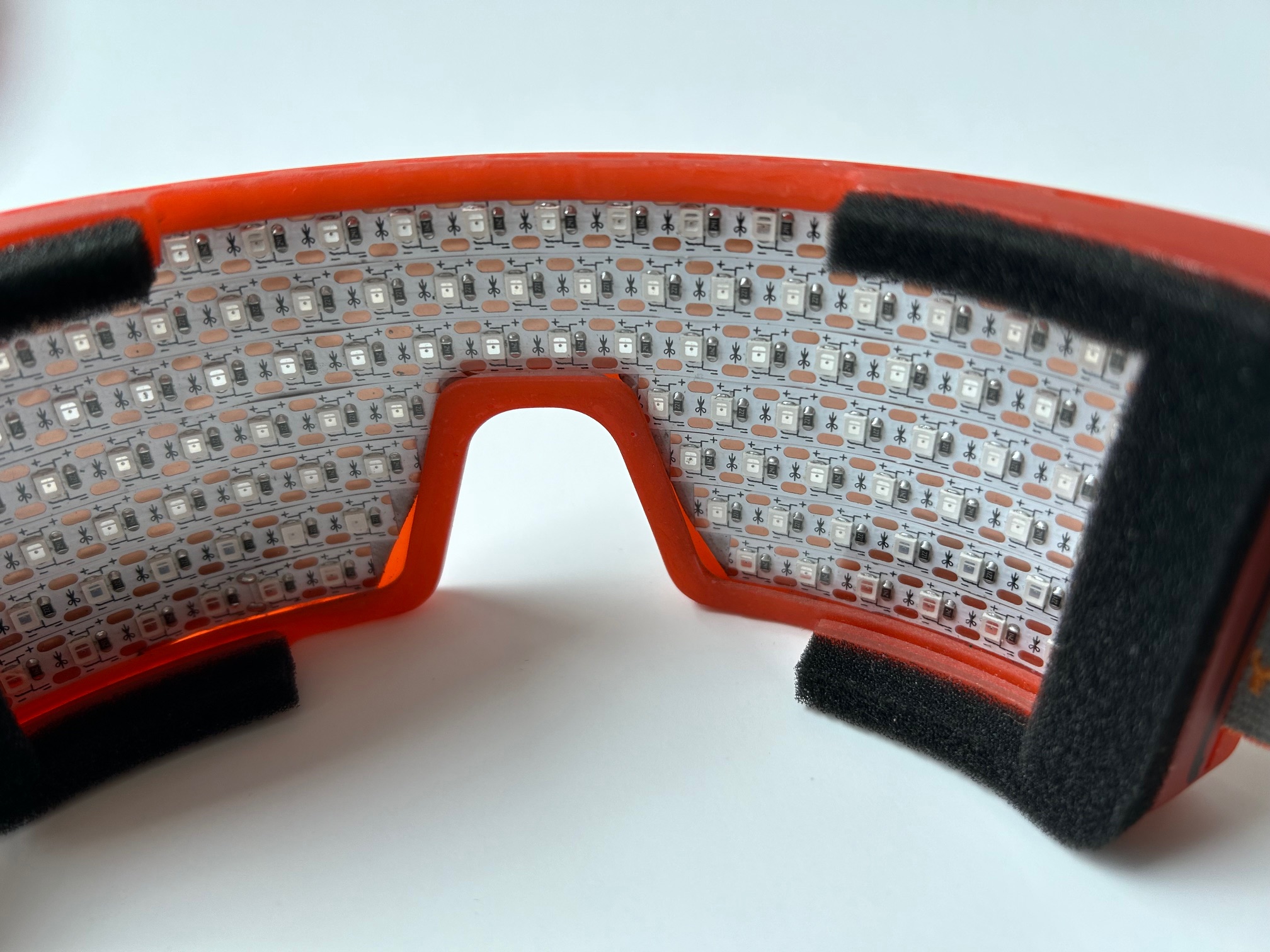
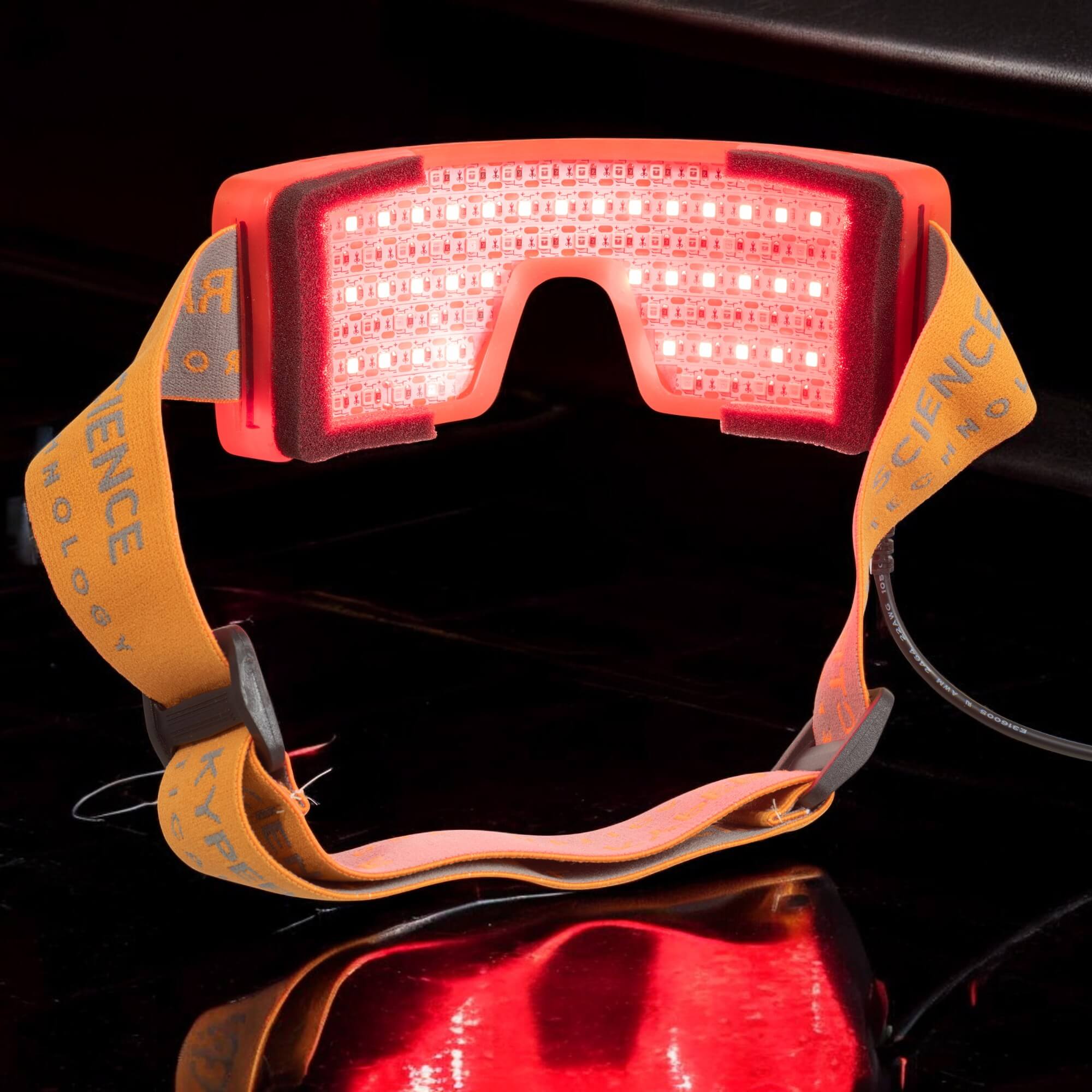
Although the Spectral WaveFront is a light-based wellness device and not a nutritional or pharmacologic therapy, both approaches converge on a shared biological theme:
reducing inflammatory stress and supporting cellular energy regulation in aging retinal tissue.
PBM’s influence on mitochondrial potential and oxidative balance (e.g., Begum 2013; Sivapathasuntharam 2017) complements the immune-modulatory improvements reported here with Vitamin D₃, highlighting multiple non-invasive pathways that may support retinal resilience.
Read full article here.
Editor’s note: The anti-inflammatory and amyloid-related improvements reported here fit within broader retinal aging pathways seen across multiple studies in our library. Reductions in inflammatory signaling parallel PBM-mediated changes in Begum 2013, while improvements in aging retinal function resemble long-wavelength benefits reported in Sivapathasuntharam 2017. Amyloid and mitochondrial-alteration themes relevant to AMD risk are discussed in Feher 2006, and retinal protection under metabolic or oxidative stress is demonstrated in Fitzgerald 2010. For perceptual performance shifts related to cellular energy modulation, see Shinhmar 2021.