Condition focus: Glaucoma & Light-Mitochondria Interactions
Glaucoma, the leading cause of irreversible blindness worldwide, involves retinal ganglion cell death driven in part by mitochondrial dysfunction. This review examined how different wavelengths of visual light interact with mitochondria in retinal cells, with particular focus on implications for glaucoma pathogenesis and potential therapeutic interventions. The analysis integrated evidence from cellular studies, animal models, and early clinical observations to evaluate how blue, green, and red/near-infrared light differentially affect mitochondrial function and retinal ganglion cell survival.
The review established that light wavelength profoundly influences mitochondrial function through distinct mechanisms. Blue light (400-500 nm) generates excessive reactive oxygen species, damages mitochondrial DNA, and triggers apoptotic pathways in retinal ganglion cells—effects particularly concerning given modern LED lighting prevalence. Green light showed intermediate effects. In contrast, red and near-infrared light (630-850 nm) enhanced mitochondrial function through cytochrome c oxidase activation, increased ATP production, and reduced oxidative stress. Critically, red/NIR light demonstrated neuroprotective effects in glaucoma models by supporting energy-demanding retinal ganglion cells vulnerable to mitochondrial failure. The analysis suggested that environmental light exposure patterns may influence glaucoma progression, while therapeutic red/NIR light could provide metabolic support as an adjunct to intraocular pressure-lowering treatments.
WaveFront Alignment:
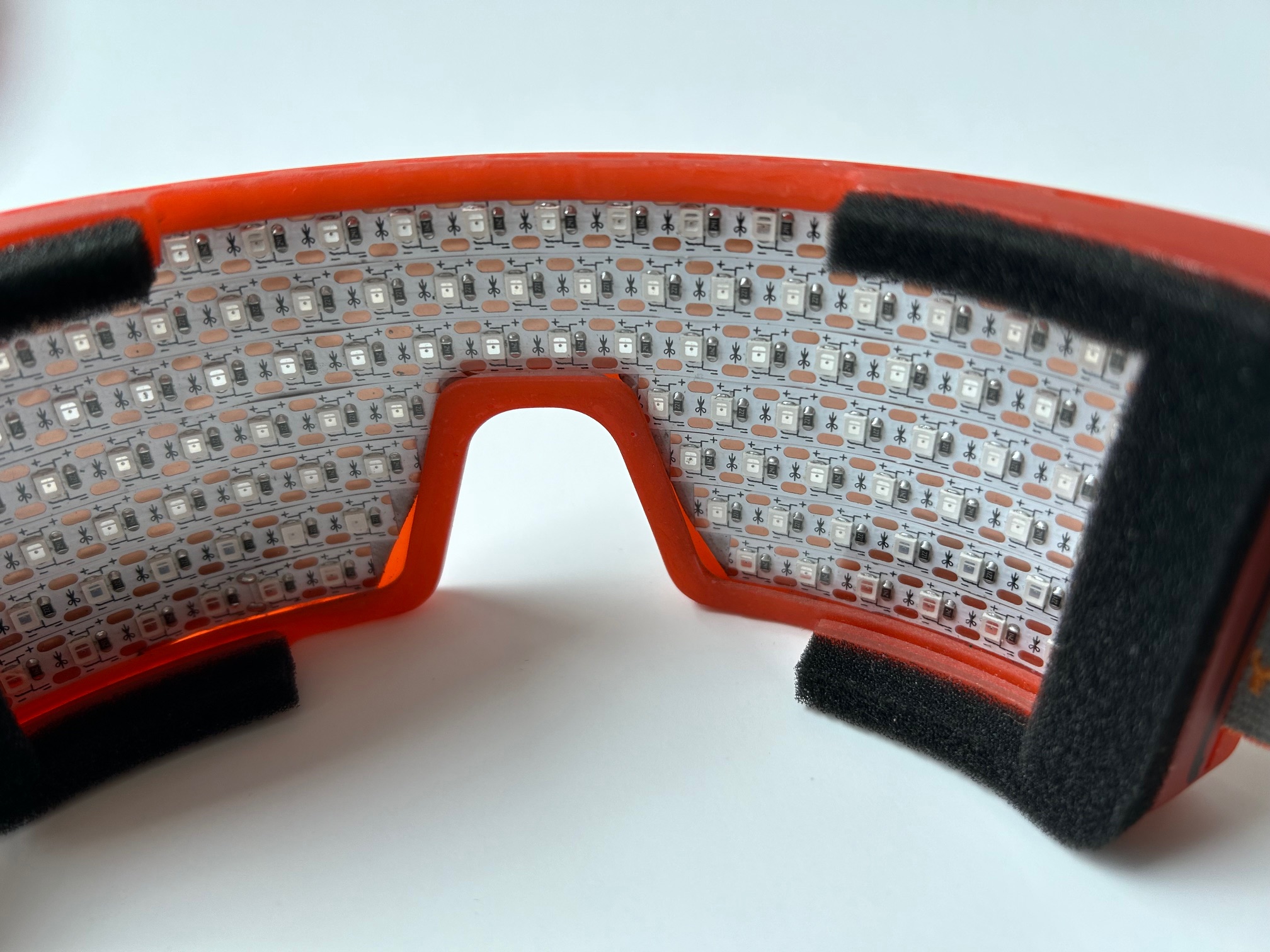
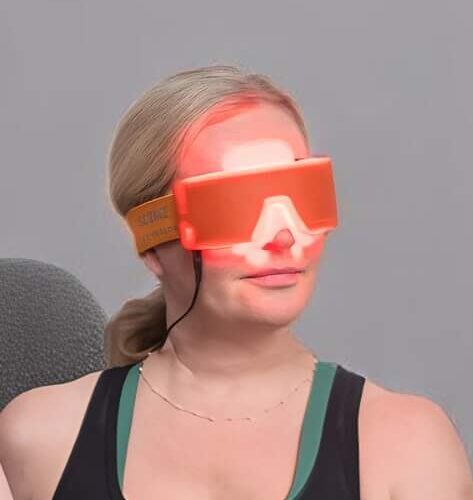
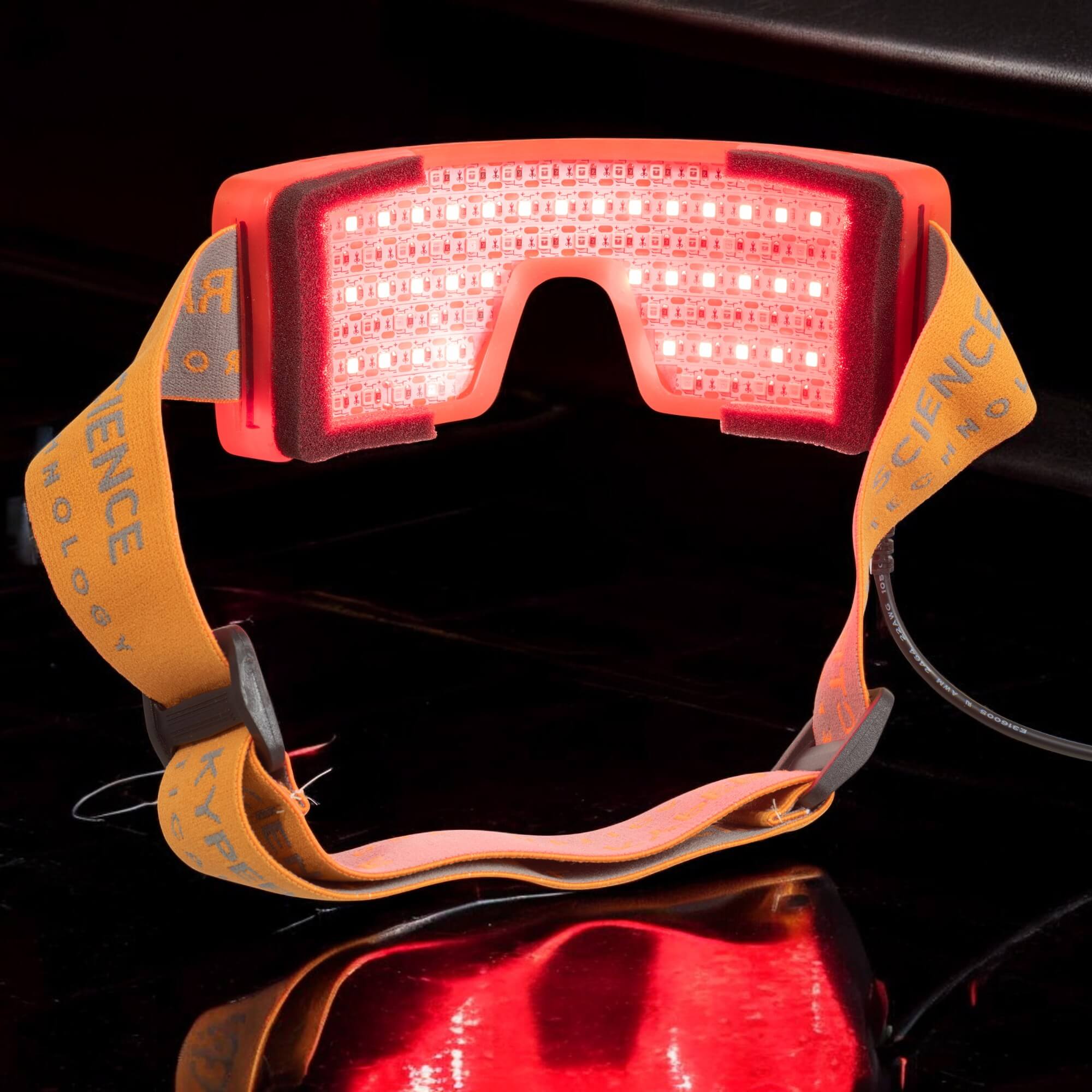
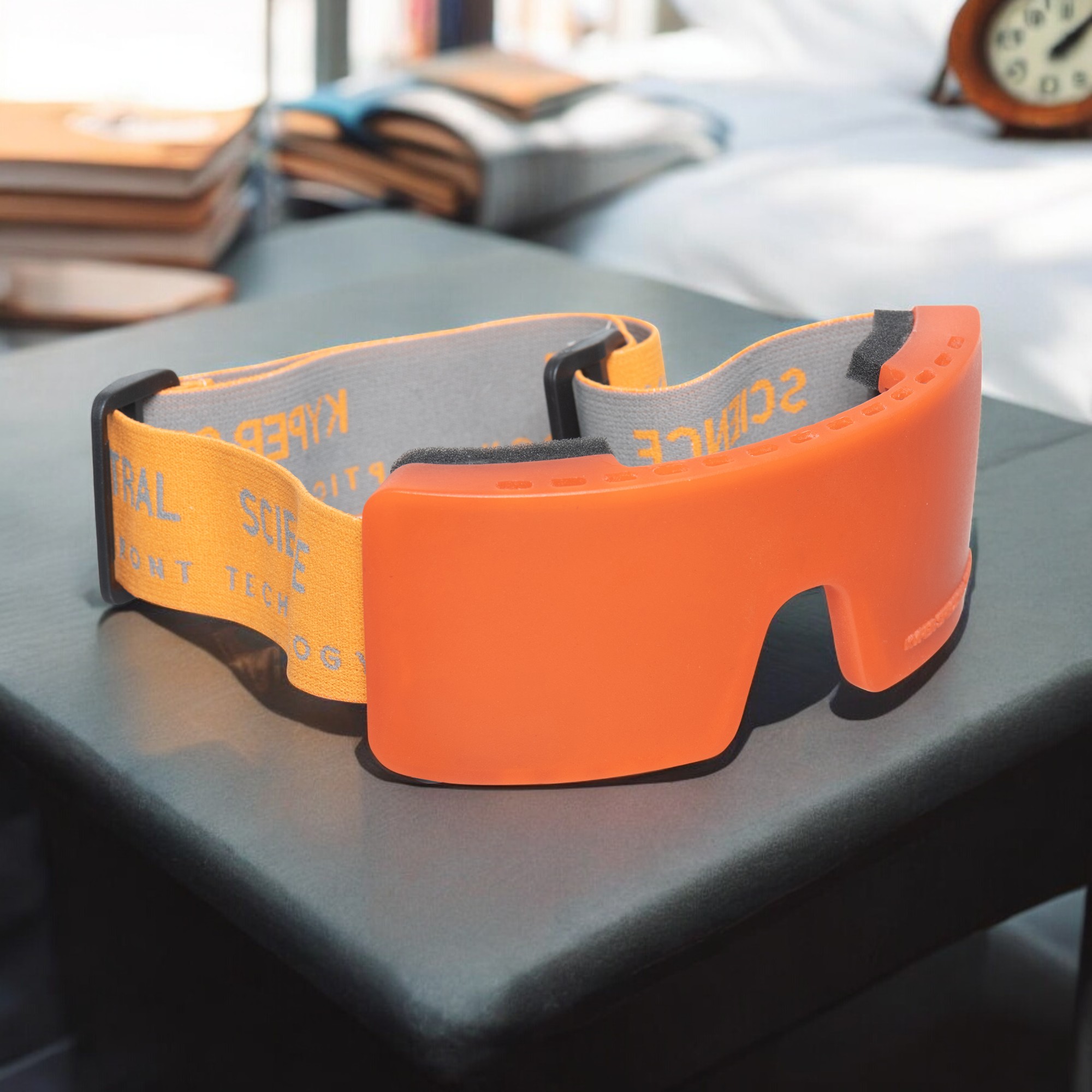
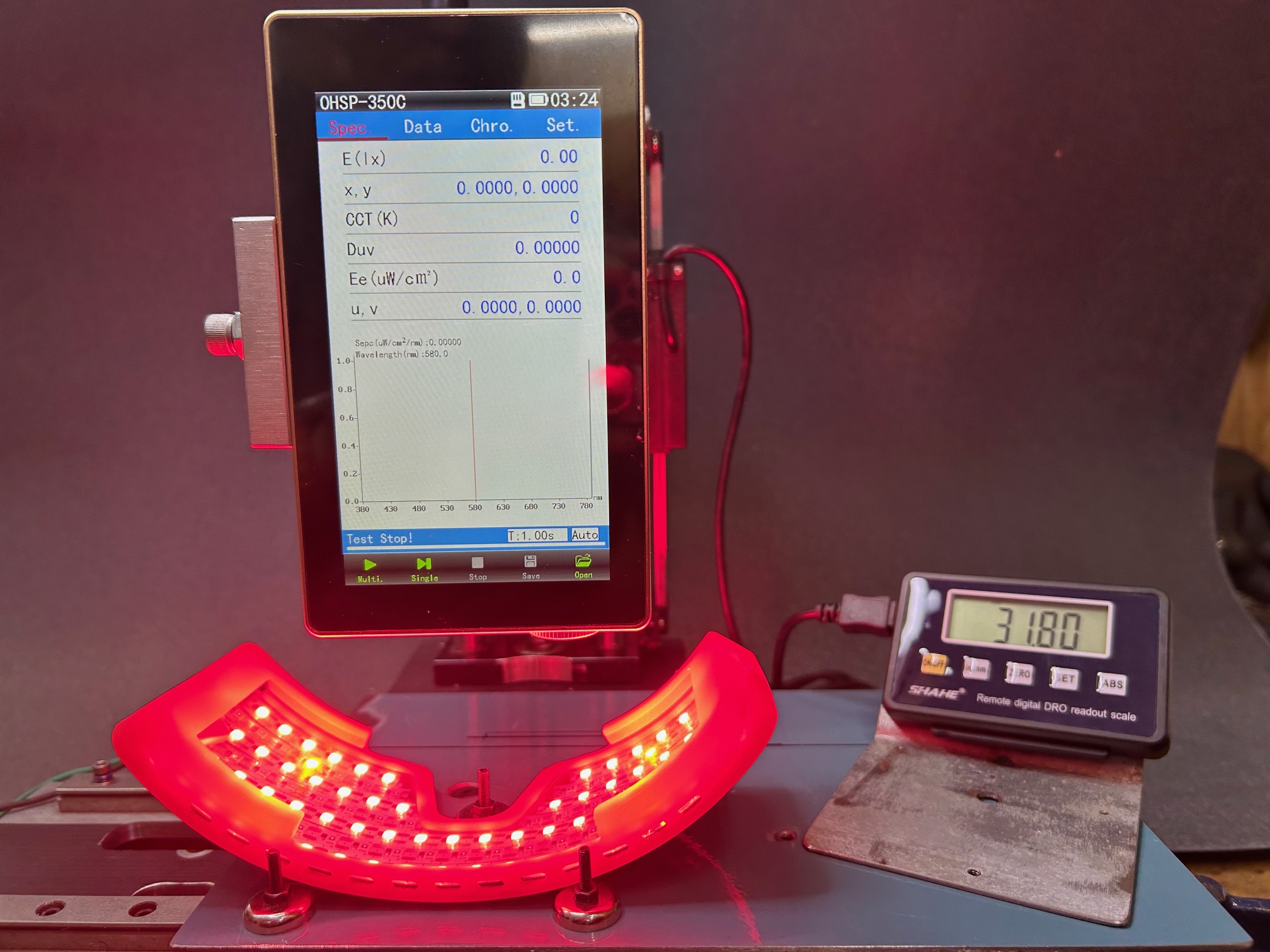
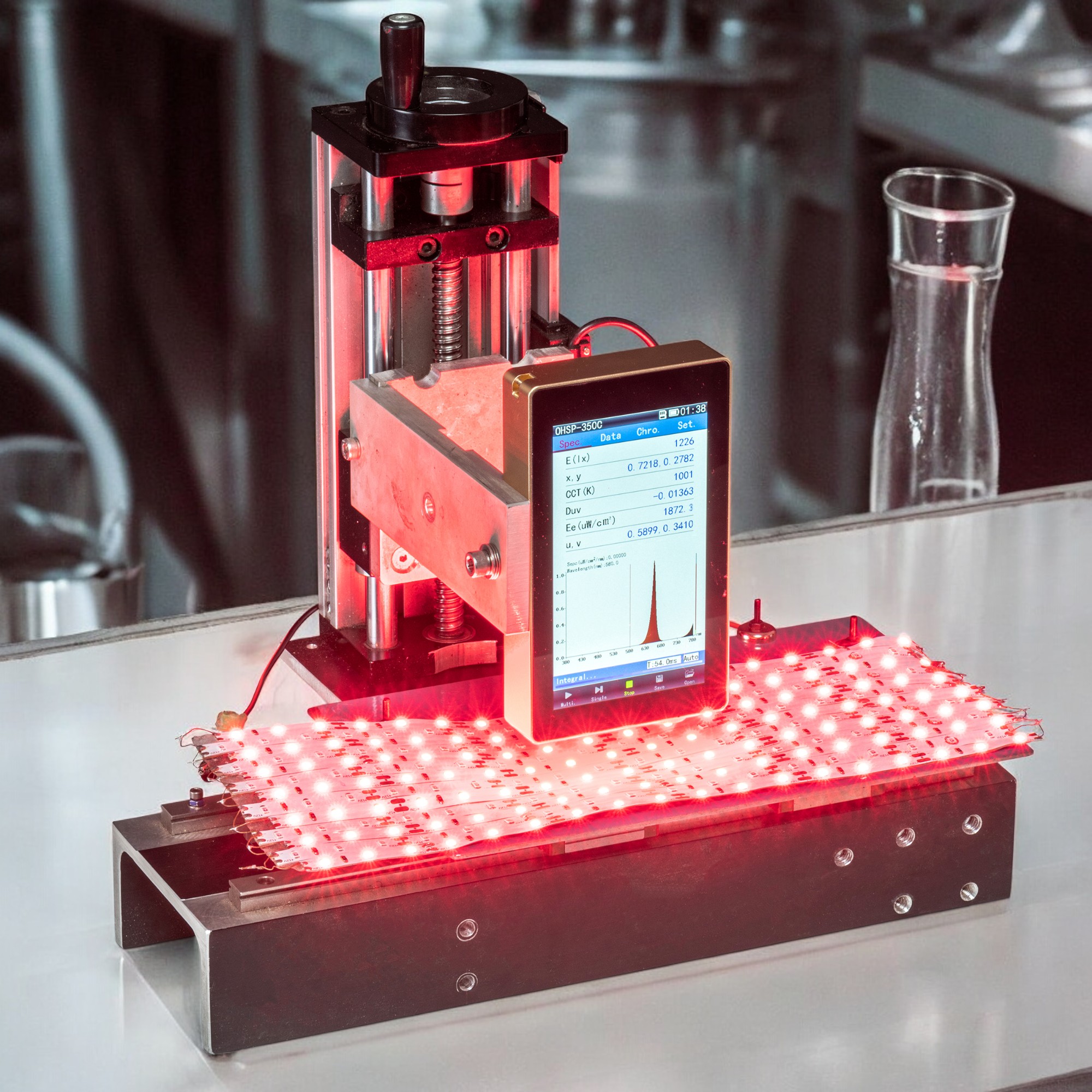
Osborne’s framework linking light wavelength to mitochondrial function in glaucoma validates the Spectral WaveFront’s red/NIR wavelength selection for optic nerve conditions, supporting photobiomodulation as metabolic support complementing traditional pressure-lowering glaucoma therapies.
Read full article here
Full Citation
Osborne NN, et al. (2016). Visual light effects on mitochondria: the potential implications in relation to glaucoma. Mitochondrion, 36:29-35. View Publication
Editor’s note: Osborne 2016 establishes light-mitochondria interaction framework for glaucoma. For experimental validation of red light protection, see Nunez-Alvarez 2019. For glaucoma systematic review evidence, see Guo 2023. Broader mitochondrial therapeutic context in Gueven 2016 and Lopez Sanches 2016. Blue light toxicity mechanisms in Cheng 2021 and Fietz 2023.
Related Articles
- Blue Light Exacerbates and Red Light Counteracts Negative Insults – Nunez-Alvarez & Osborne 2019
- Systems Review of LLLT in Glaucoma Treatment – Guo 2023
- Targeting Mitochondrial Function to Treat Optic Neuropathy – Gueven 2016
- Emerging Mitochondrial Therapeutic Targets in Optic Neuropathies – Lopez Sanches 2016
- Blue Light Damage and p53 – Fietz 2023
- Light wavelength profoundly influences mitochondrial function: blue light damages, red/NIR light protects
- Blue light generates excessive ROS and damages mitochondrial DNA in retinal ganglion cells
- Red/NIR light enhances mitochondrial function through cytochrome c oxidase activation and increased ATP
- Environmental light exposure may influence glaucoma progression; therapeutic red/NIR could provide metabolic support
| Study Type: | Review (light-mitochondria interactions) |
| Wavelength(s): | Blue (400-500 nm), Green, Red/NIR (630-850 nm) |
| Treatment Protocol: | Integration of cellular, animal, and clinical evidence on wavelength-specific effects |
| Sample Size: | Multi-study mechanistic synthesis |
| Primary Outcome: | Established wavelength-dependent mitochondrial effects with therapeutic implications for glaucoma |