Condition focus: Age-Related Macular Degeneration & Long-Term Efficacy
Following initial positive results with low-level laser therapy in AMD patients, extended follow-up data became essential to establish durability of treatment effects and long-term safety. This two-year follow-up study tracked AMD patients who received low-level laser photobiomodulation, evaluating visual acuity, contrast sensitivity, macular function, and disease progression at regular intervals. Patients with dry AMD received laser treatments with comprehensive ophthalmologic assessments throughout the two-year observation period.
Results demonstrated sustained visual function improvements maintained over the two-year follow-up, with treated eyes showing stabilized visual acuity compared to progressive decline typically observed in untreated AMD. Contrast sensitivity remained stable or improved in the majority of patients at two years post-treatment initiation. No treatment-related adverse effects were observed during the extended observation period. Disease progression appeared slowed in treated eyes compared to natural history expectations. These findings build on earlier short-term studies by confirming that low-level laser therapy benefits in AMD are durable over clinically meaningful timeframes, supporting photobiomodulation as a sustained disease-modifying intervention rather than transient symptomatic relief.
WaveFront Alignment:
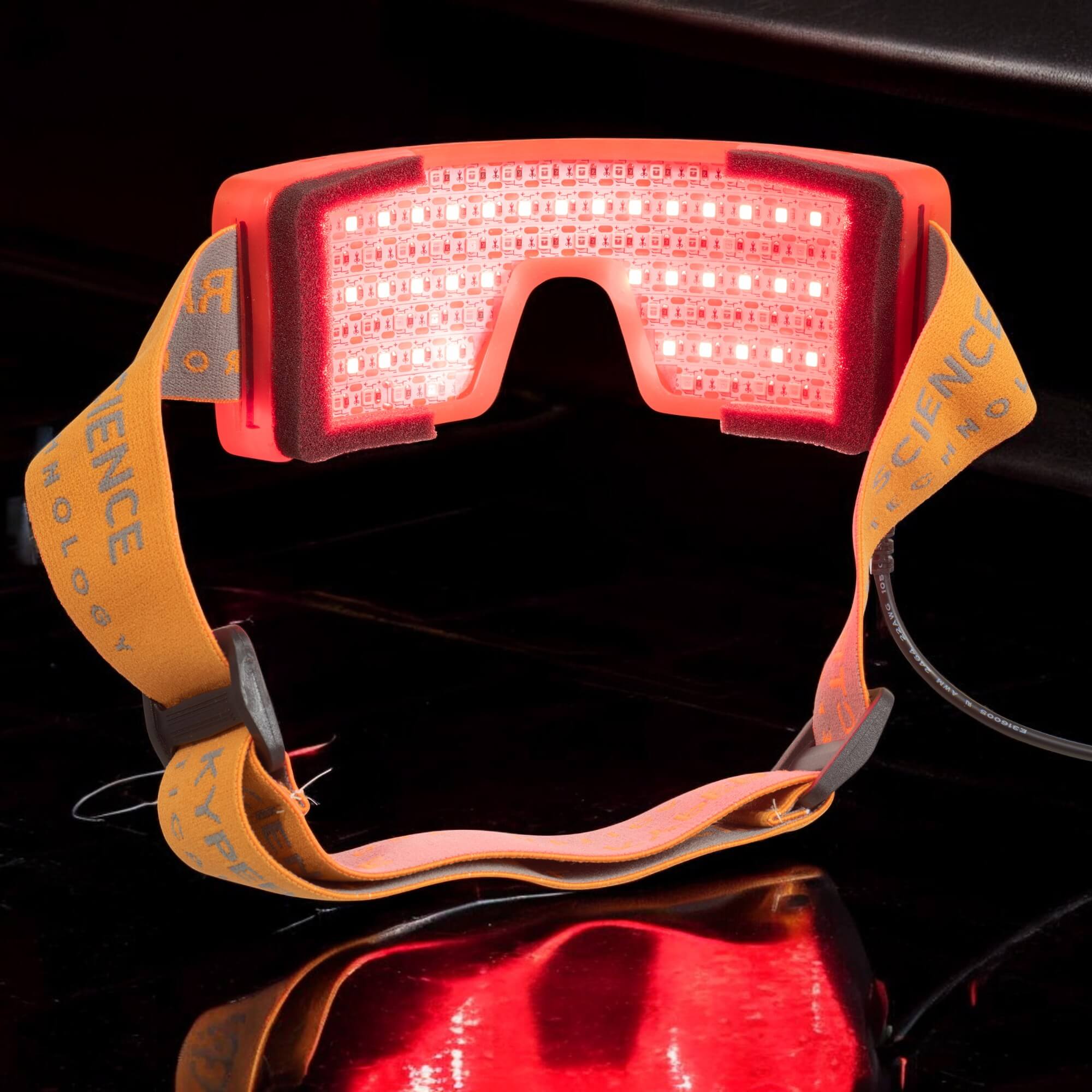
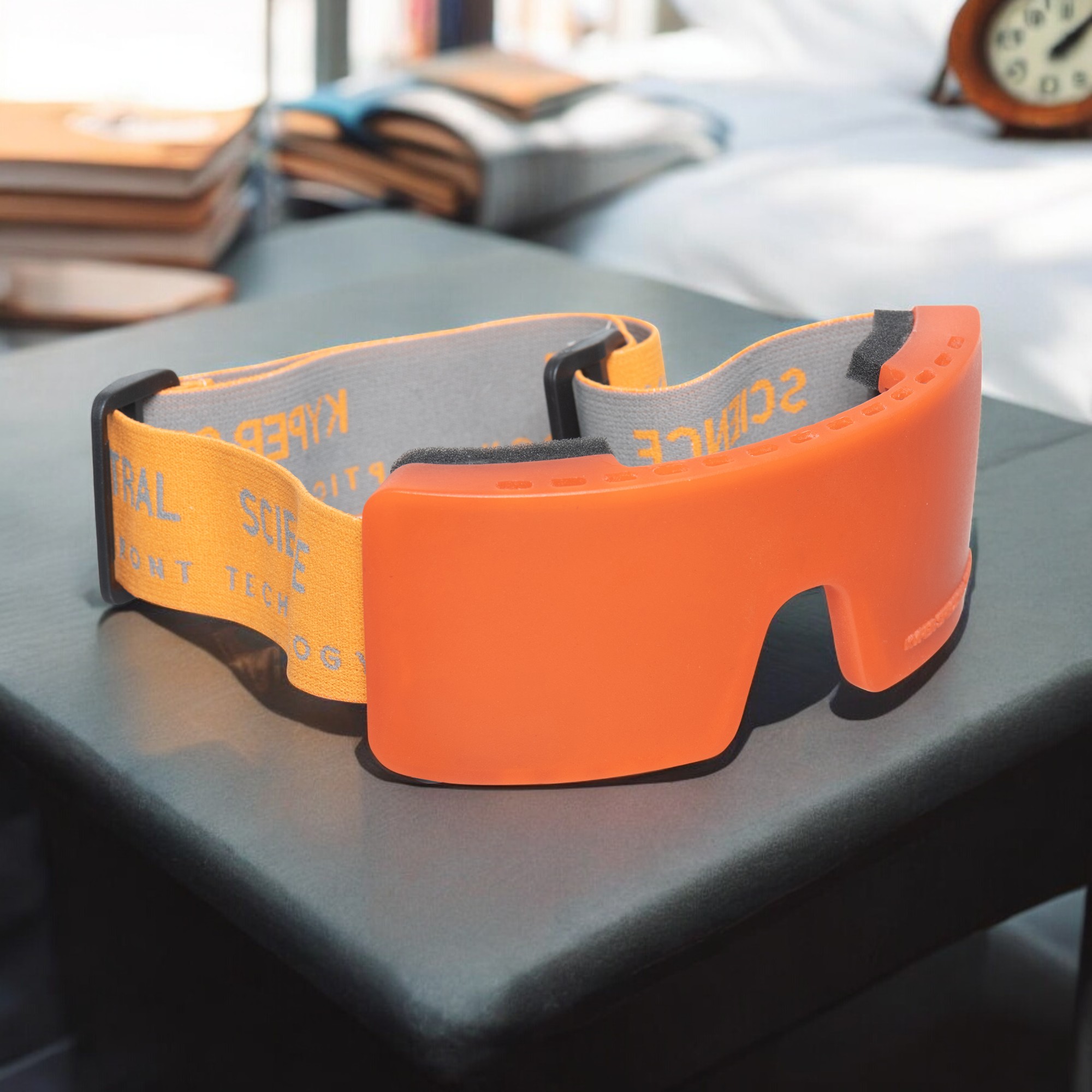
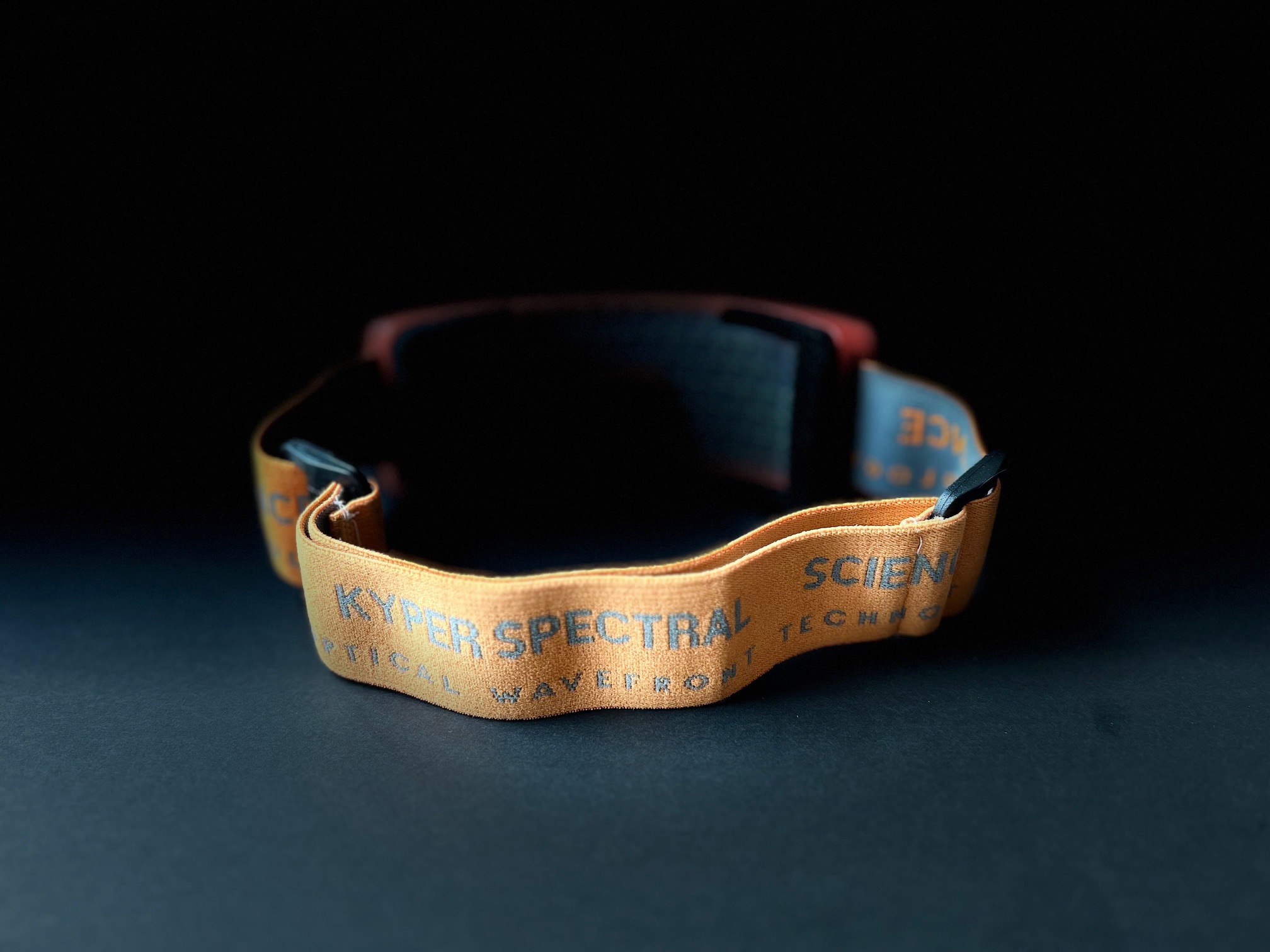
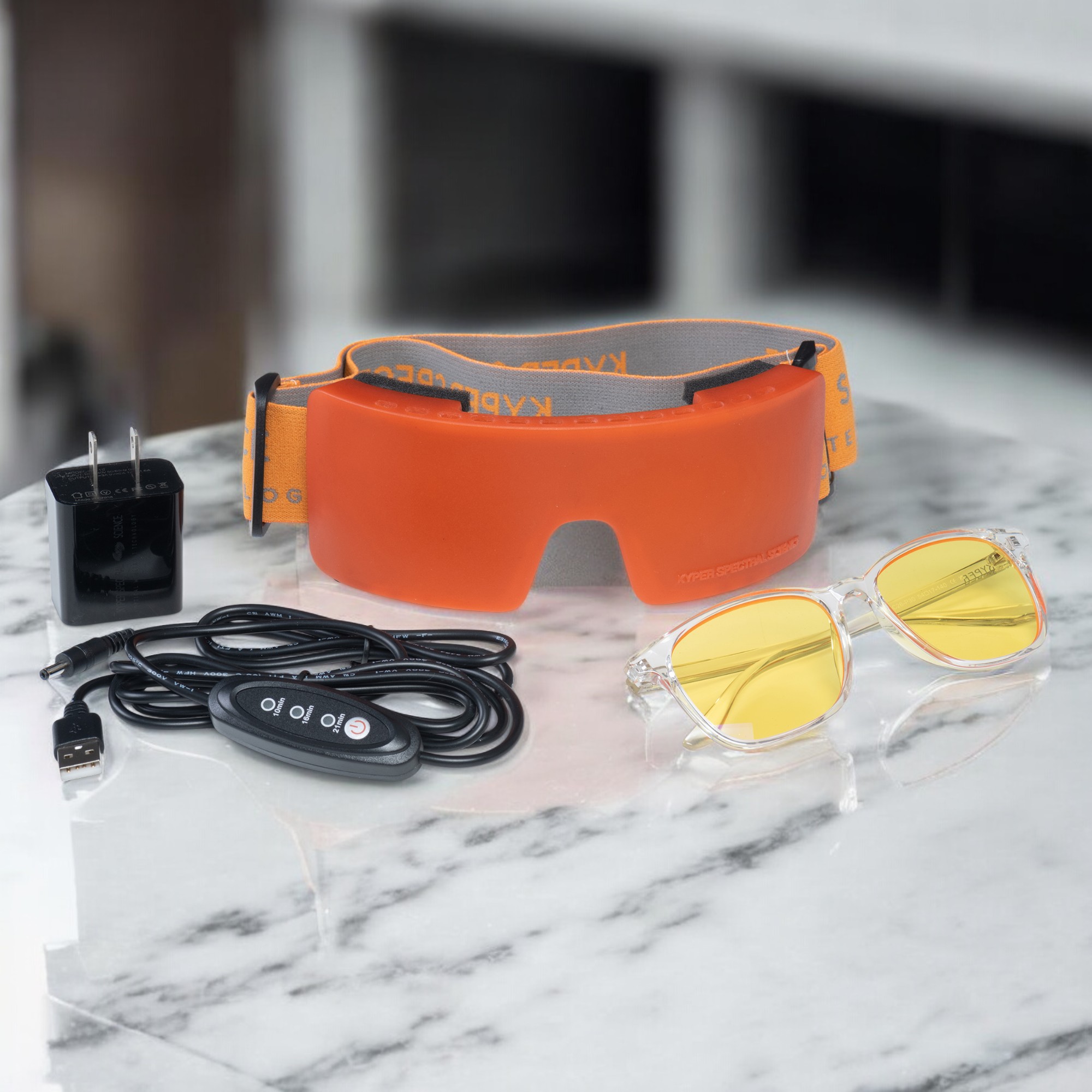
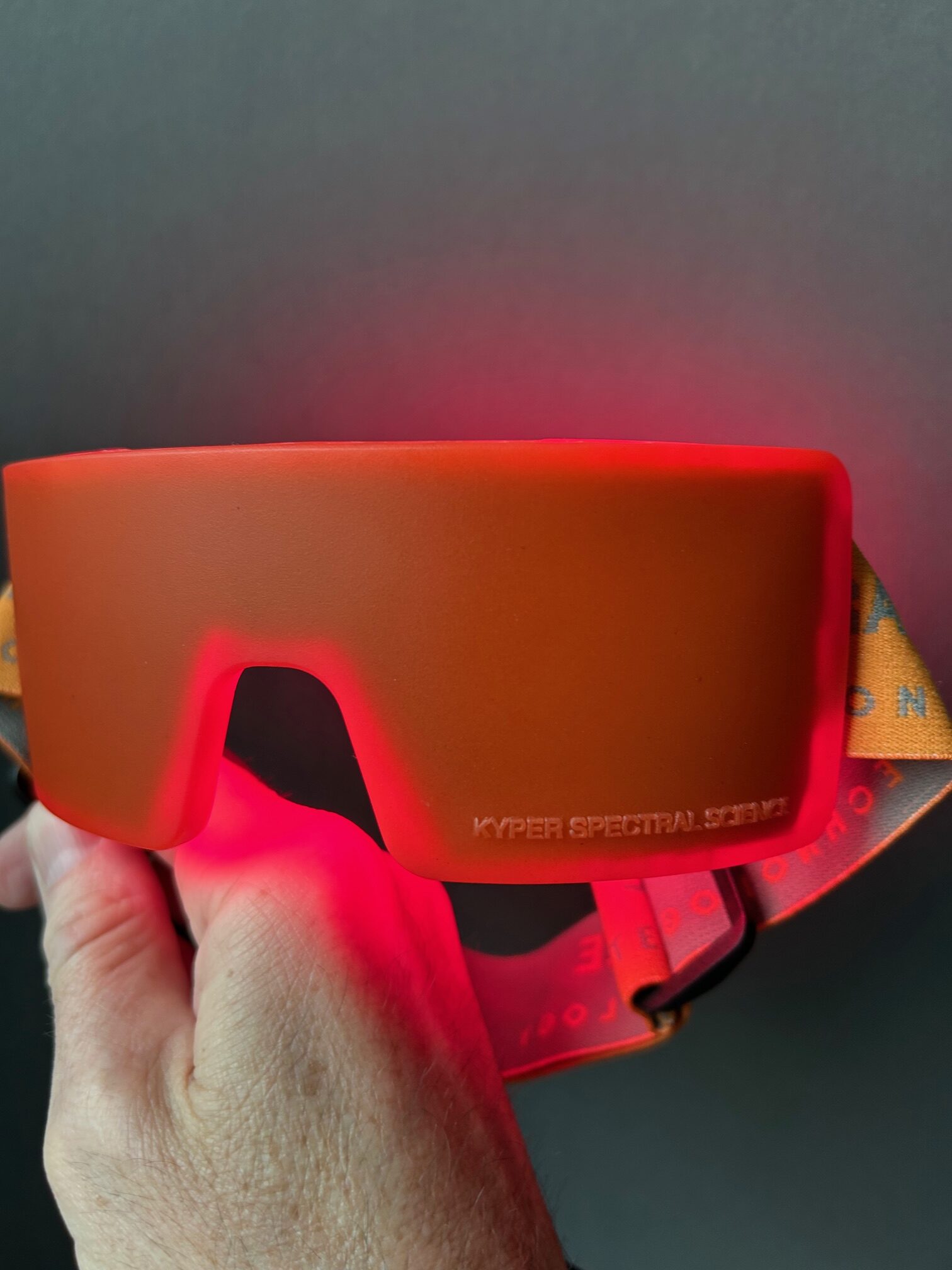
Koev’s two-year follow-up data validates the Spectral WaveFront’s potential for sustained AMD management, demonstrating that photobiomodulation benefits can be maintained over extended periods without diminishing efficacy or emerging safety concerns.
Read full article here
Editor’s note: Koev 2012 provides two-year durability data for LLLT in AMD. For extended five-year follow-up, see Koev 2018. Related AMD photobiomodulation studies include Ivandic 2008 and Merry 2012. Mechanistic context appears in Feher 2006 and Begum 2013.
Related Articles
- Five-Year Follow-Up of LLLT in AMD – Koev 2018
- Low-Level Laser Therapy Improves Vision in AMD – Ivandic 2008
- PBM for Dry AMD – Toronto & Oak Ridge Study – Merry 2012
- Mitochondrial Alterations of RPE in AMD – Feher 2006
- 670nm Light Reduces Inflammation via Cytochrome c Oxidase – Begum 2013
Key Takeaways
- Two-year follow-up demonstrated sustained visual function improvements in AMD patients receiving LLLT
- Visual acuity stabilized and contrast sensitivity maintained or improved versus progressive decline in untreated AMD
- No treatment-related adverse effects observed during extended two-year observation period
- Disease progression slowed compared to natural history, confirming durable disease-modifying effects
Study Overview
| Study Type: | Long-term follow-up study (2 years) |
| Wavelength(s): | Low-level laser therapy (wavelength not specified) |
| Treatment Protocol: | Laser photobiomodulation with regular ophthalmologic assessments |
| Sample Size: | AMD patients tracked over 2 years |
| Primary Outcome: | Sustained visual improvements and slowed disease progression over 2 years without adverse effects |
Full Citation
Koev K, et al. (2012). Two-year follow-up of low-level laser therapy (LLLT) in patients with age-related macular degeneration (AMD). Acta Medica Bulgarica, 39(2):45-50. View Publication