Condition focus: Retinal Degeneration & Photoreceptor Protection
This study investigated whether photobiomodulation could protect photoreceptors from light-induced damage in animal models. Researchers exposed retinas to damaging bright light with and without prior PBM preconditioning. Results demonstrated that animals receiving PBM treatment before light damage showed significantly preserved photoreceptor structure and function compared to controls. Histological analysis revealed reduced photoreceptor cell death, maintained outer nuclear layer thickness, and preserved electroretinogram responses in PBM-treated groups.
The findings establish that wavelength-specific light preconditioning can render photoreceptors more resilient to subsequent oxidative and phototoxic stress, suggesting PBM’s potential role in preventing or slowing degenerative processes in retinal diseases characterized by progressive photoreceptor loss.
WaveFront Alignment:
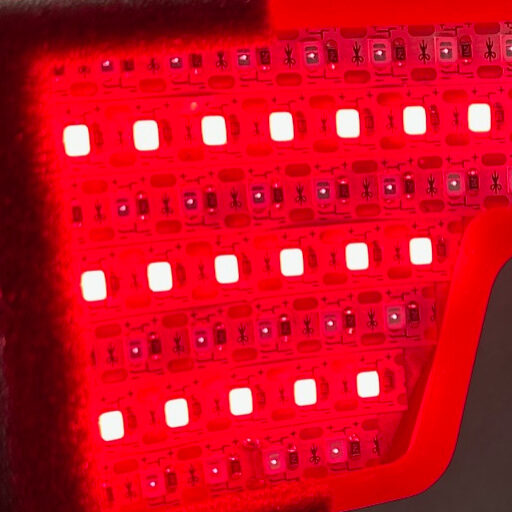
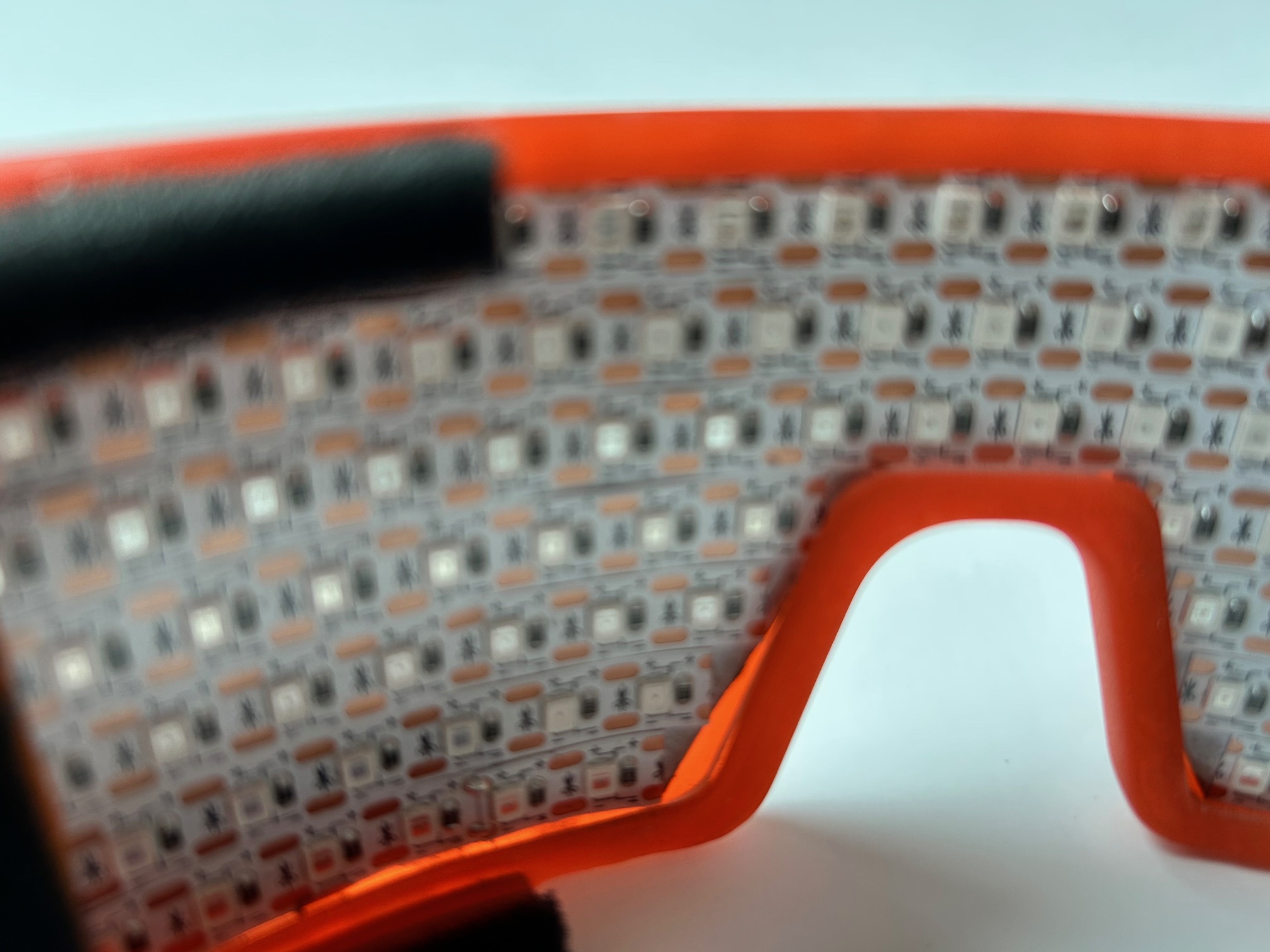
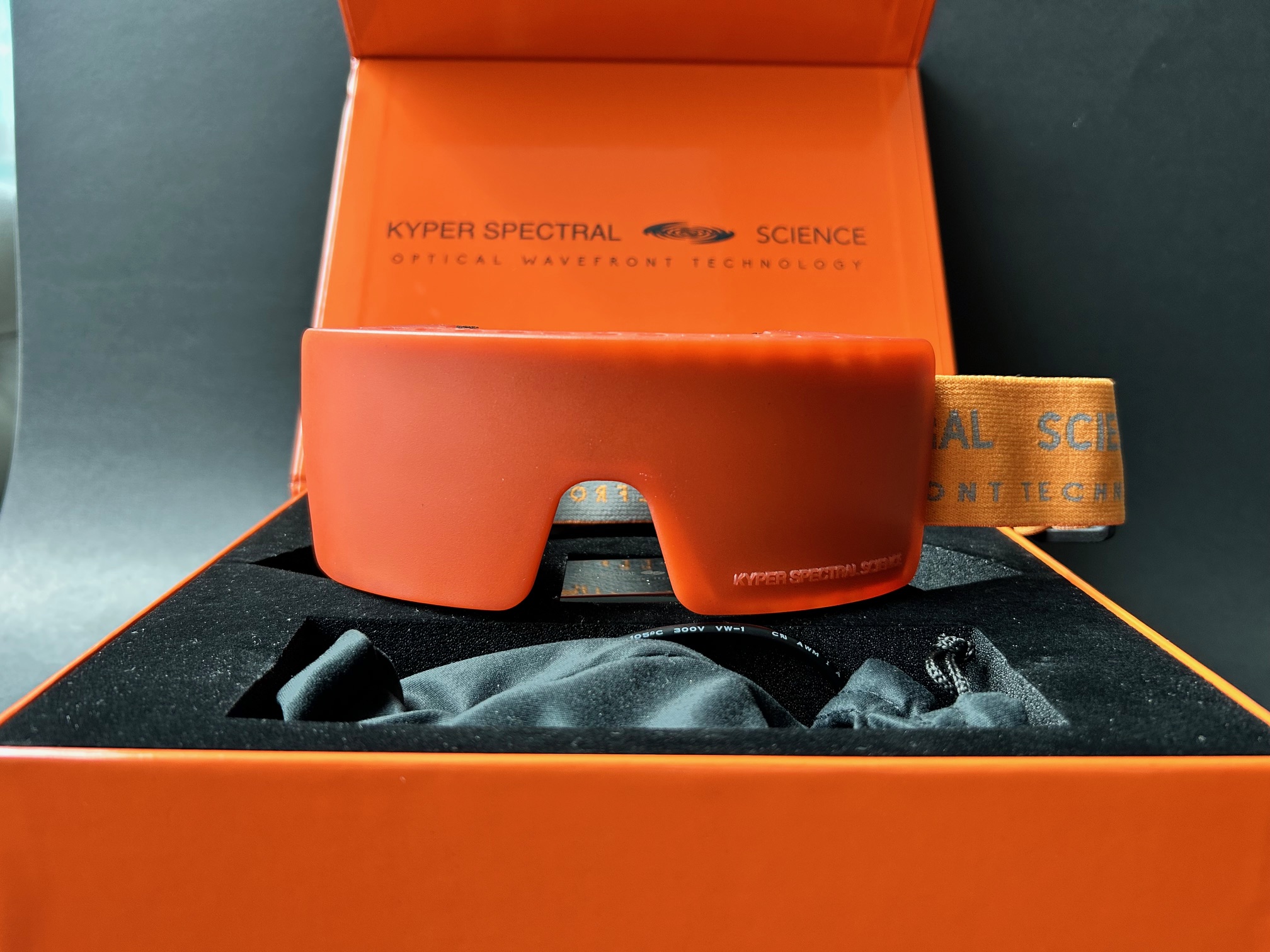
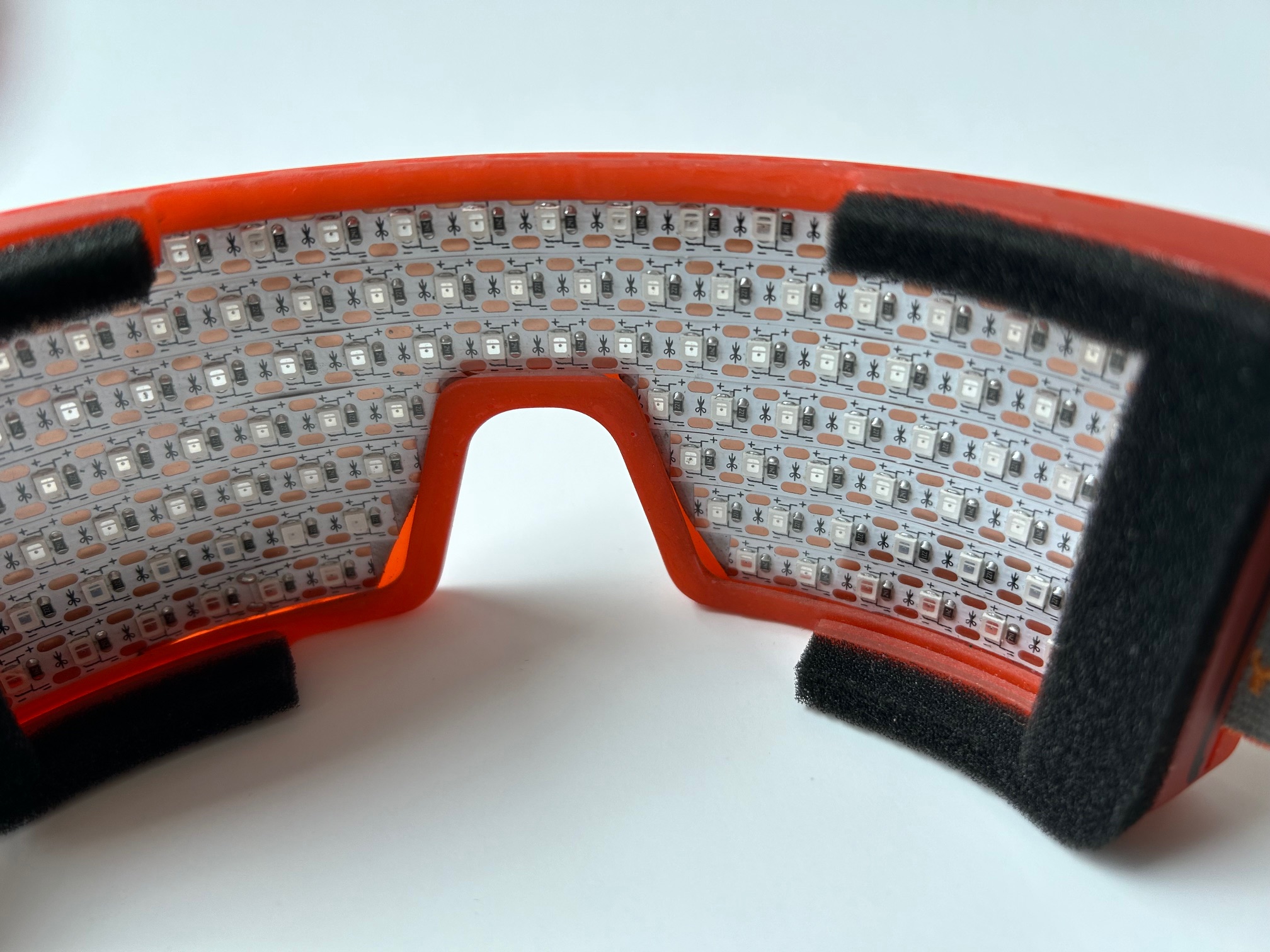
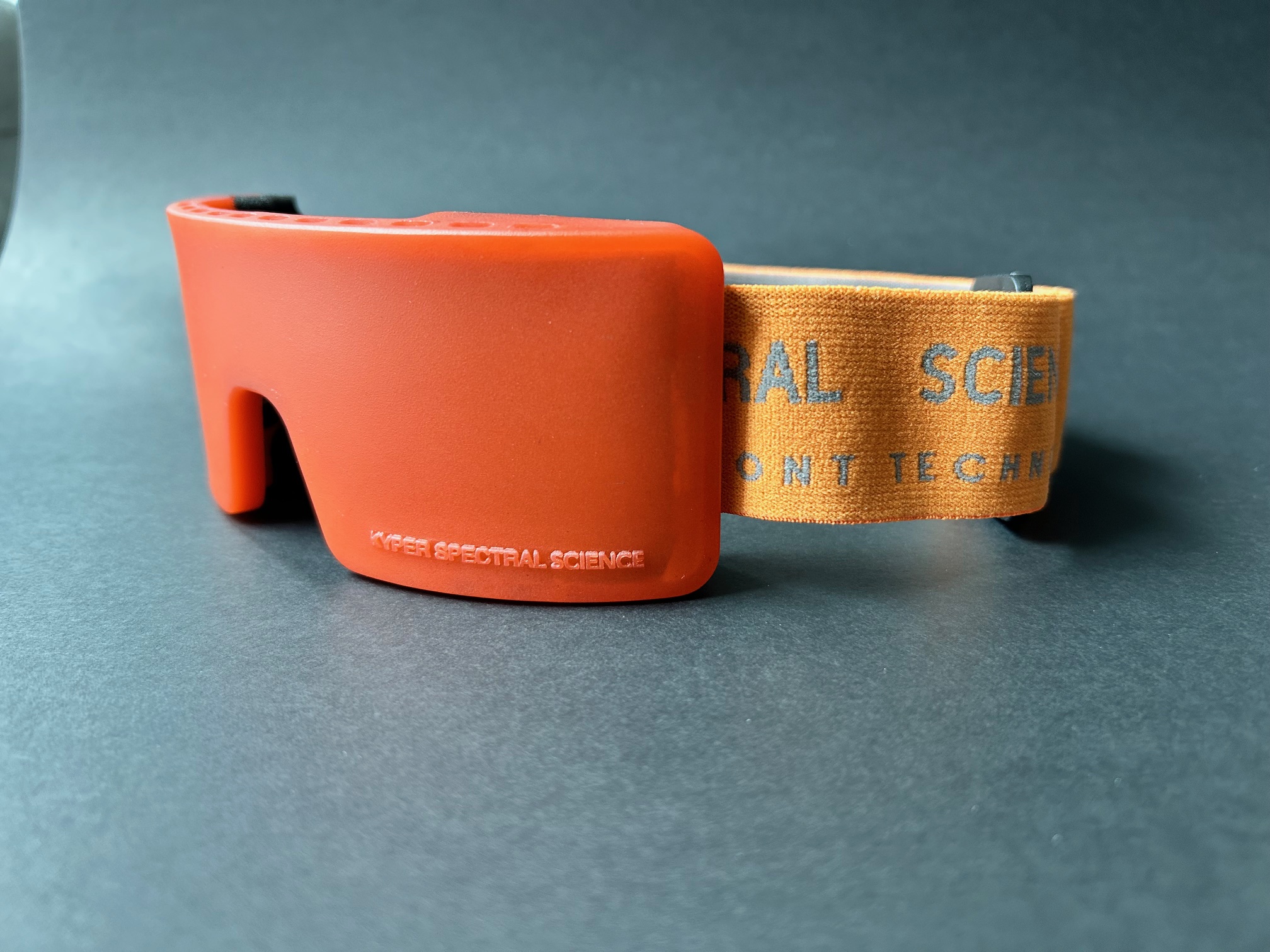
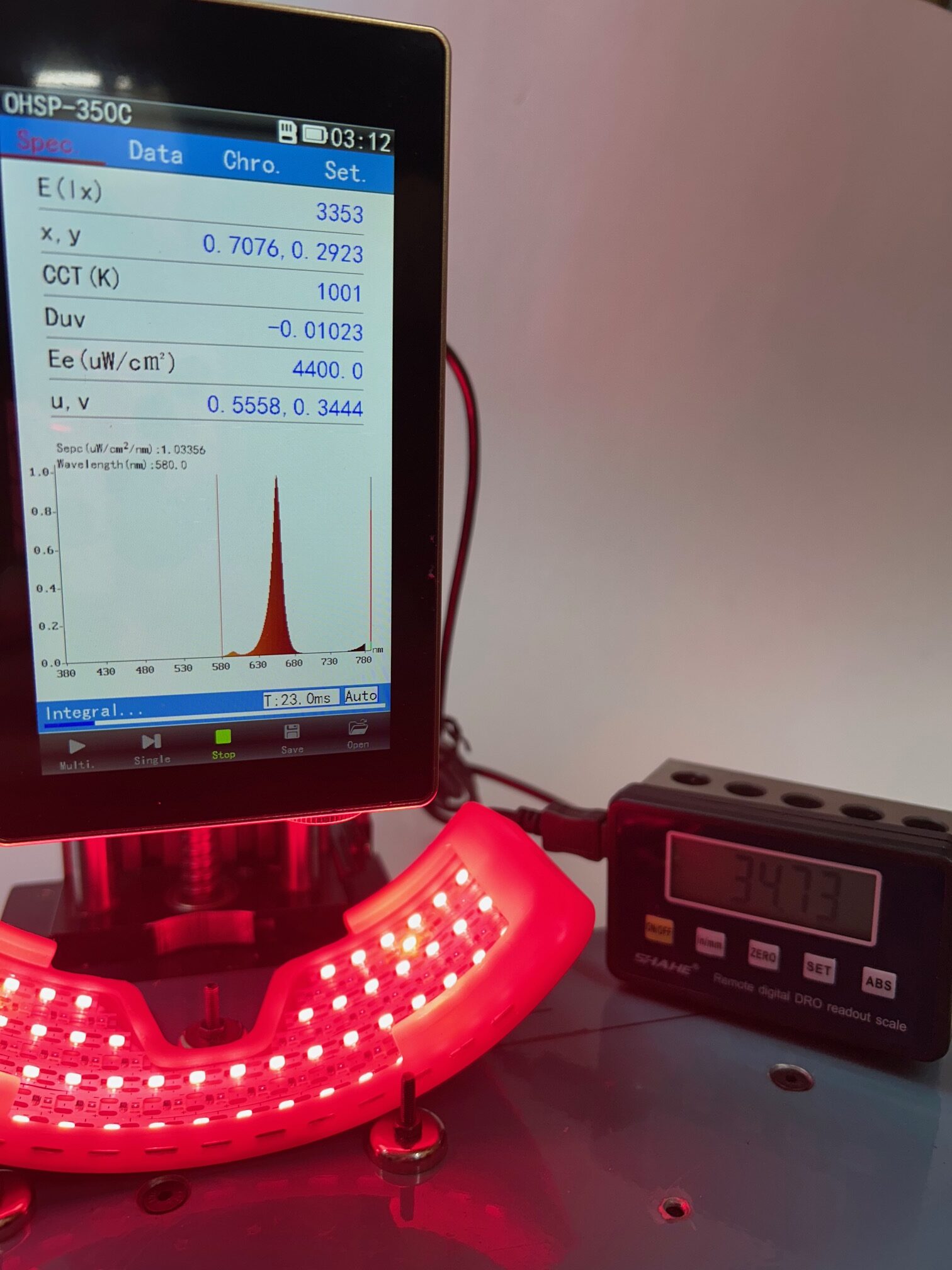
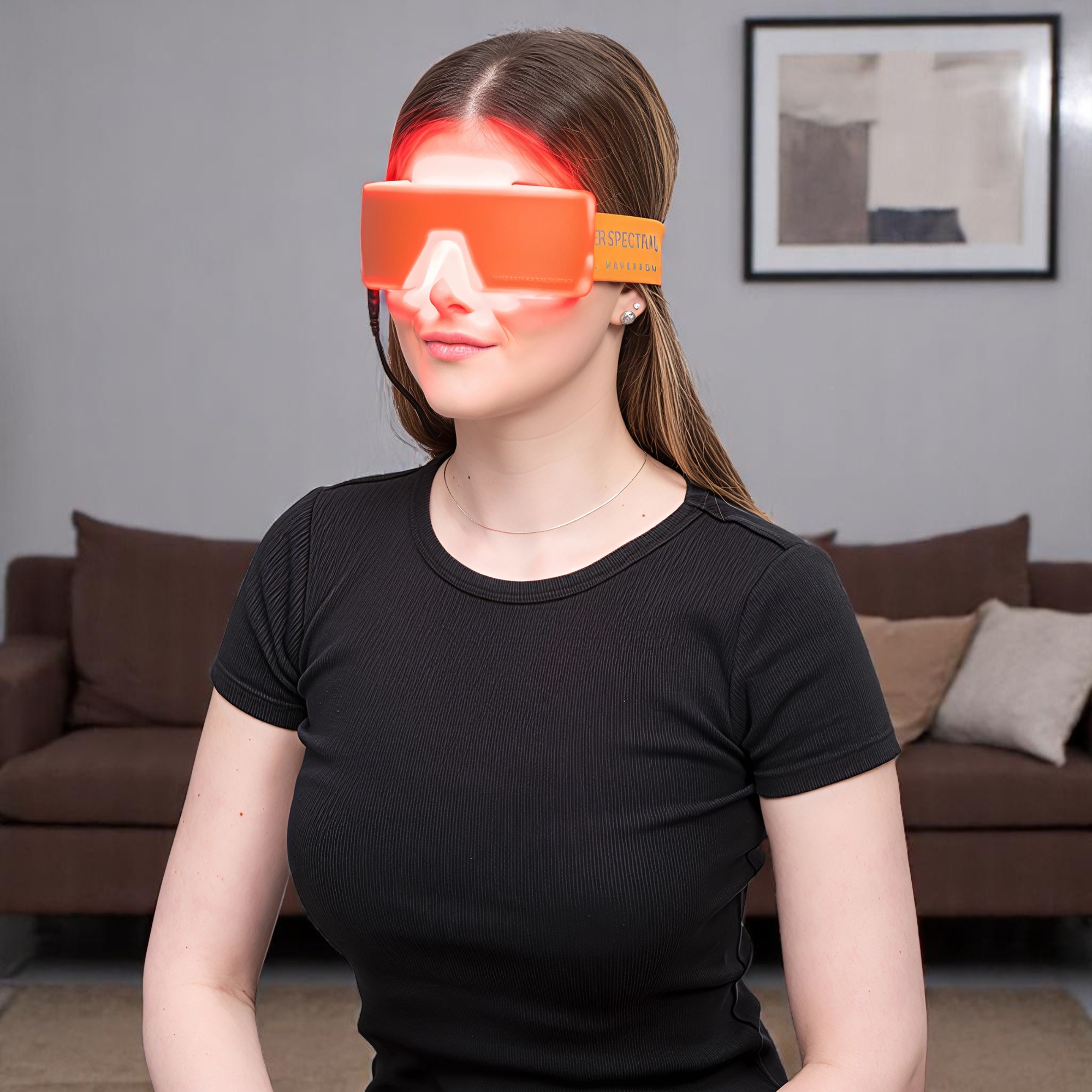
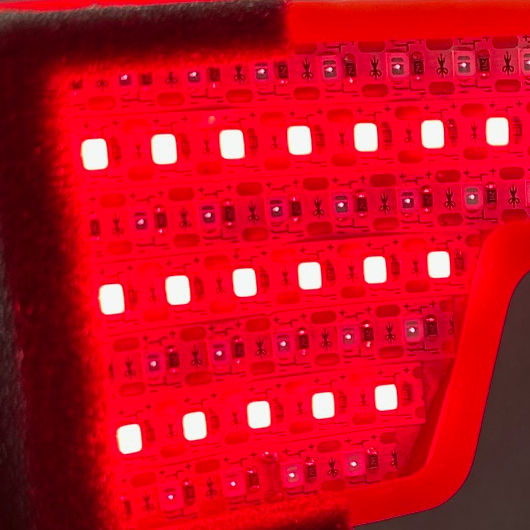
Albarracin’s demonstration of photoreceptor protection through PBM preconditioning supports the Spectral WaveFront’s rationale for regular use. The protective effects align with WaveFront’s 670 nm and 810 nm wavelengths targeting mitochondrial resilience and oxidative stress resistance in photoreceptor cells.
Link to original research here
Editor’s note: Albarracin 2011 demonstrates PBM’s protective capacity against light-induced photoreceptor damage. For related photoreceptor protection in white light exposure, see Albarracin 2012. Translational context for retinal PBM appears in Valter 2024. Mitochondrial mechanisms underlying neuroprotection are detailed in Beirne 2017. For methanol-induced retinal toxicity protection, see Eells 2003.
Related Articles
- 670 nm Protects Cone Photoreceptors from White Light Damage – Albarracin 2012
- PBM Use in Ophthalmology: Translational Research – Valter 2024
- Photostimulation of Mitochondria for Retinal Neurodegeneration – Beirne 2017
- Therapeutic PBM for Methanol-Induced Retinal Toxicity – Eells 2003
- 670nm PBM Protection Against Retinopathy of Prematurity – Natoli 2013
Key Takeaways
- PBM preconditioning significantly protected photoreceptors from light-induced damage in animal models
- Preserved photoreceptor structure, outer nuclear layer thickness, and electroretinogram function
- Demonstrates PBM’s capacity to enhance photoreceptor resilience to oxidative and phototoxic stress
- Suggests preventive potential for retinal diseases characterized by progressive photoreceptor loss
Study Overview
| Study Type: | Animal model (light damage protection) |
| Wavelength(s): | Near-infrared (670 nm region) |
| Treatment Protocol: | PBM preconditioning before damaging light exposure |
| Sample Size: | Animal models with light-induced retinal damage |
| Primary Outcome: | Preserved photoreceptor structure and function; reduced cell death following light damage |
Full Citation
Albarracin R, Eells J, Valter K. (2011). Photobiomodulation protects the retina from light-induced photoreceptor degeneration. Investigative Ophthalmology & Visual Science, 52(6):3582-3592. View Publication