Condition focus: Optic Neuropathy & Therapeutic Strategies
Mitochondrial dysfunction represents a final common pathway in optic neuropathies regardless of initial insult, making mitochondrial enhancement an attractive therapeutic target with potential broad applicability. This review examined therapeutic strategies specifically targeting mitochondrial function to treat optic nerve diseases, analyzing both pharmacological and non-pharmacological approaches. The analysis evaluated mechanisms, efficacy evidence, and clinical translation potential for mitochondrial-targeted interventions including coenzyme Q10, idebenone, photobiomodulation, gene therapy, and emerging small molecule therapies.
The review established that retinal ganglion cells are particularly vulnerable to mitochondrial dysfunction due to their high energy demands for maintaining axonal transport and synaptic transmission. Successful therapeutic strategies must address multiple mitochondrial deficits: restoring ATP production, reducing oxidative stress, preventing mitochondrial permeability transition pore opening, and maintaining mitochondrial DNA integrity. Idebenone, a synthetic coenzyme Q10 analog, showed efficacy in Leber’s hereditary optic neuropathy by bypassing complex I defects and reducing oxidative stress. Photobiomodulation demonstrated broad applicability across optic neuropathy subtypes through cytochrome c oxidase activation and enhanced electron transport chain function. Gene therapy approaches showed promise for specific hereditary optic neuropathies but faced delivery and safety challenges. The analysis concluded that combinatorial approaches targeting multiple mitochondrial pathways may offer superior outcomes compared to single-target interventions.
WaveFront Alignment:
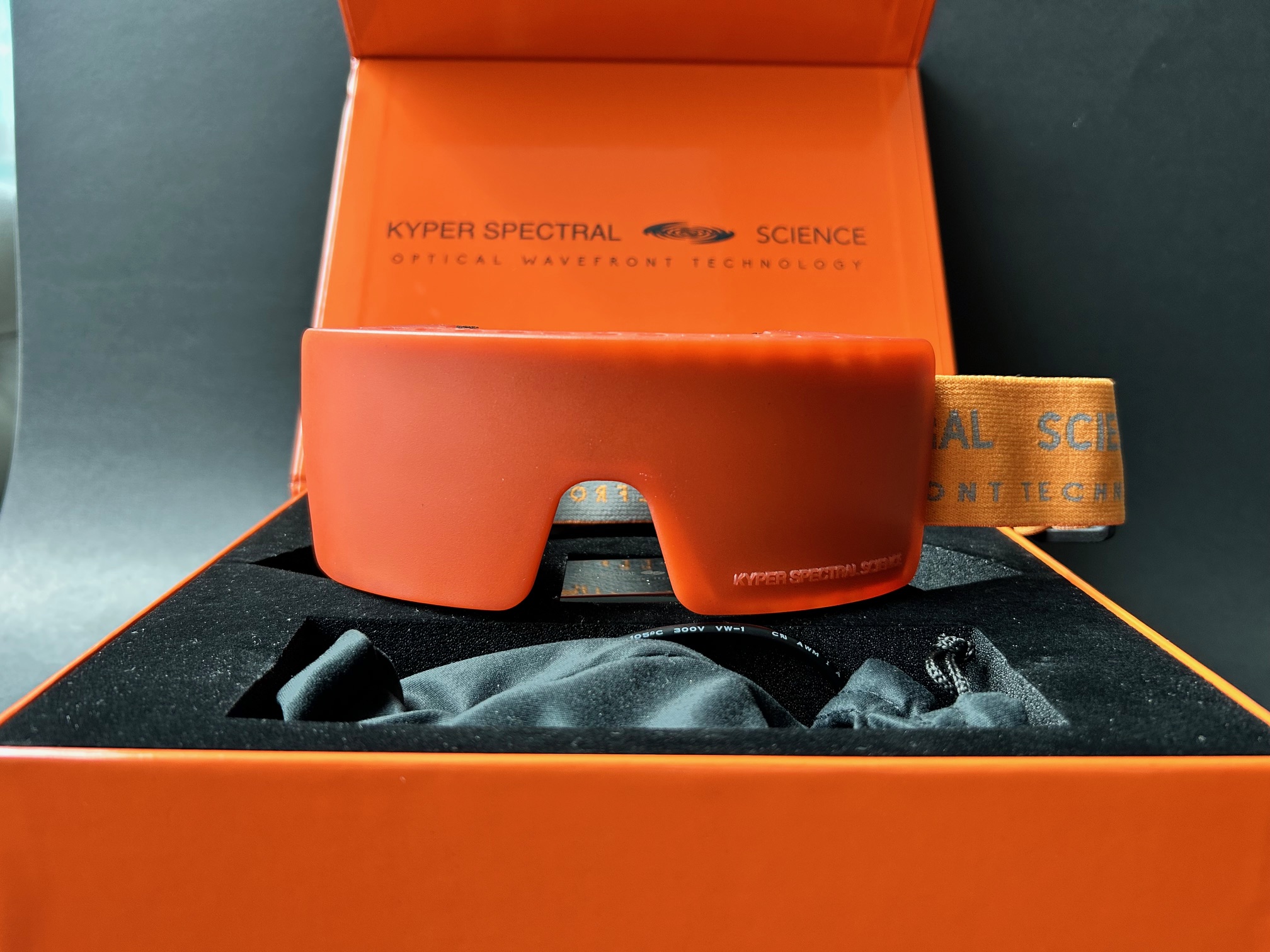
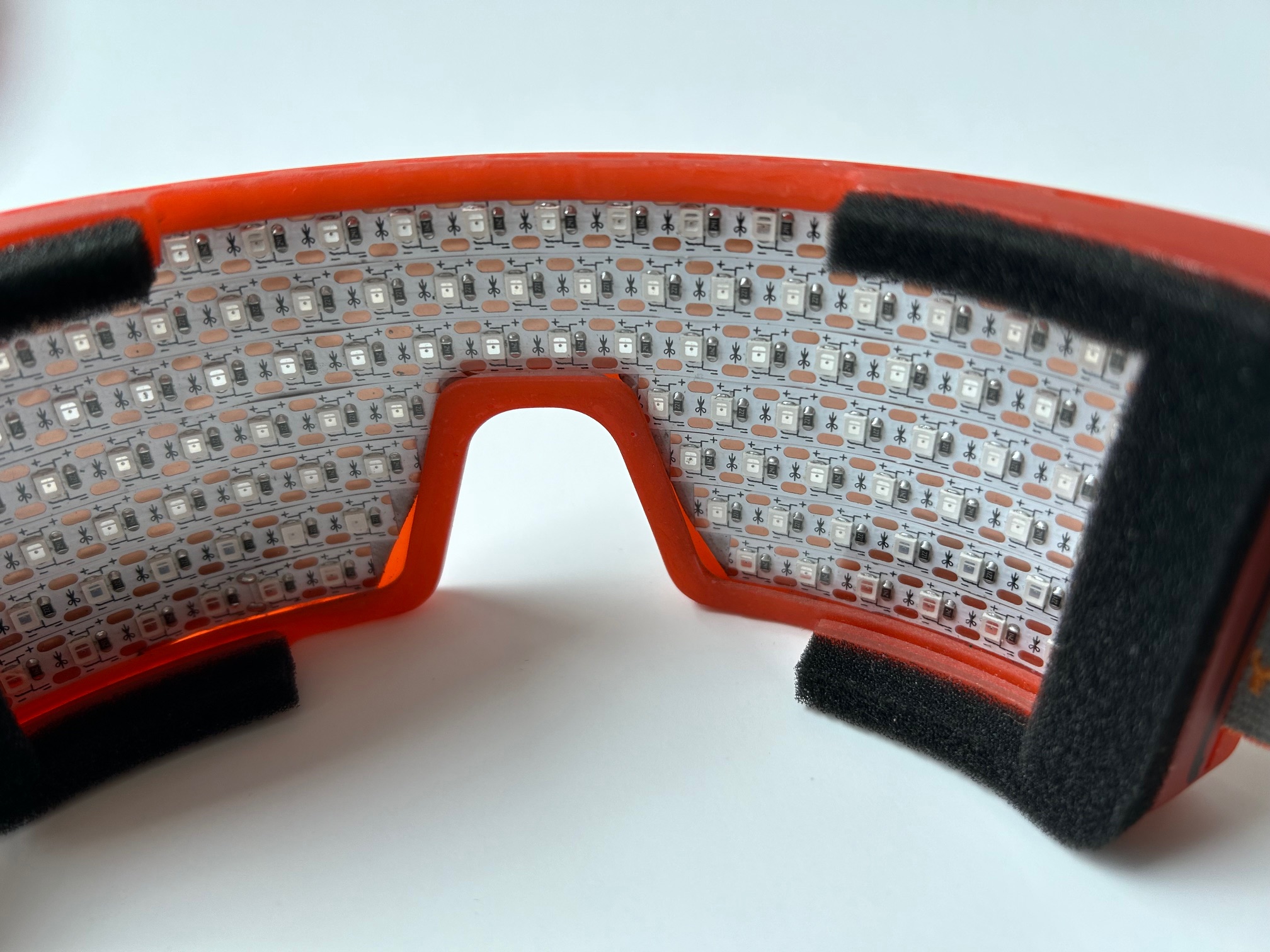
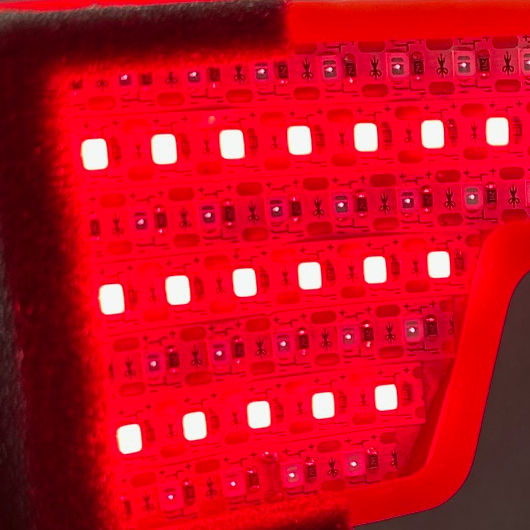
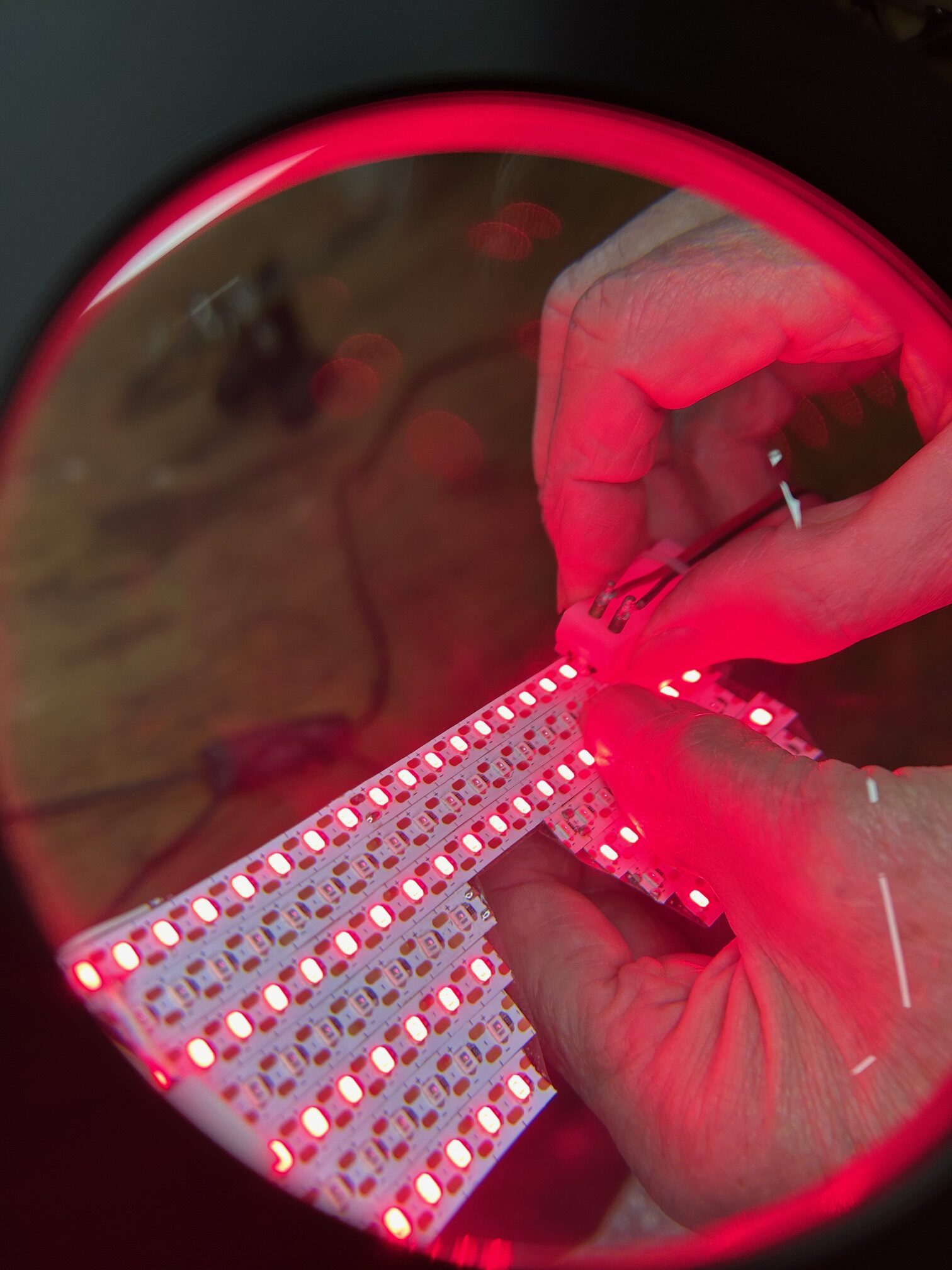
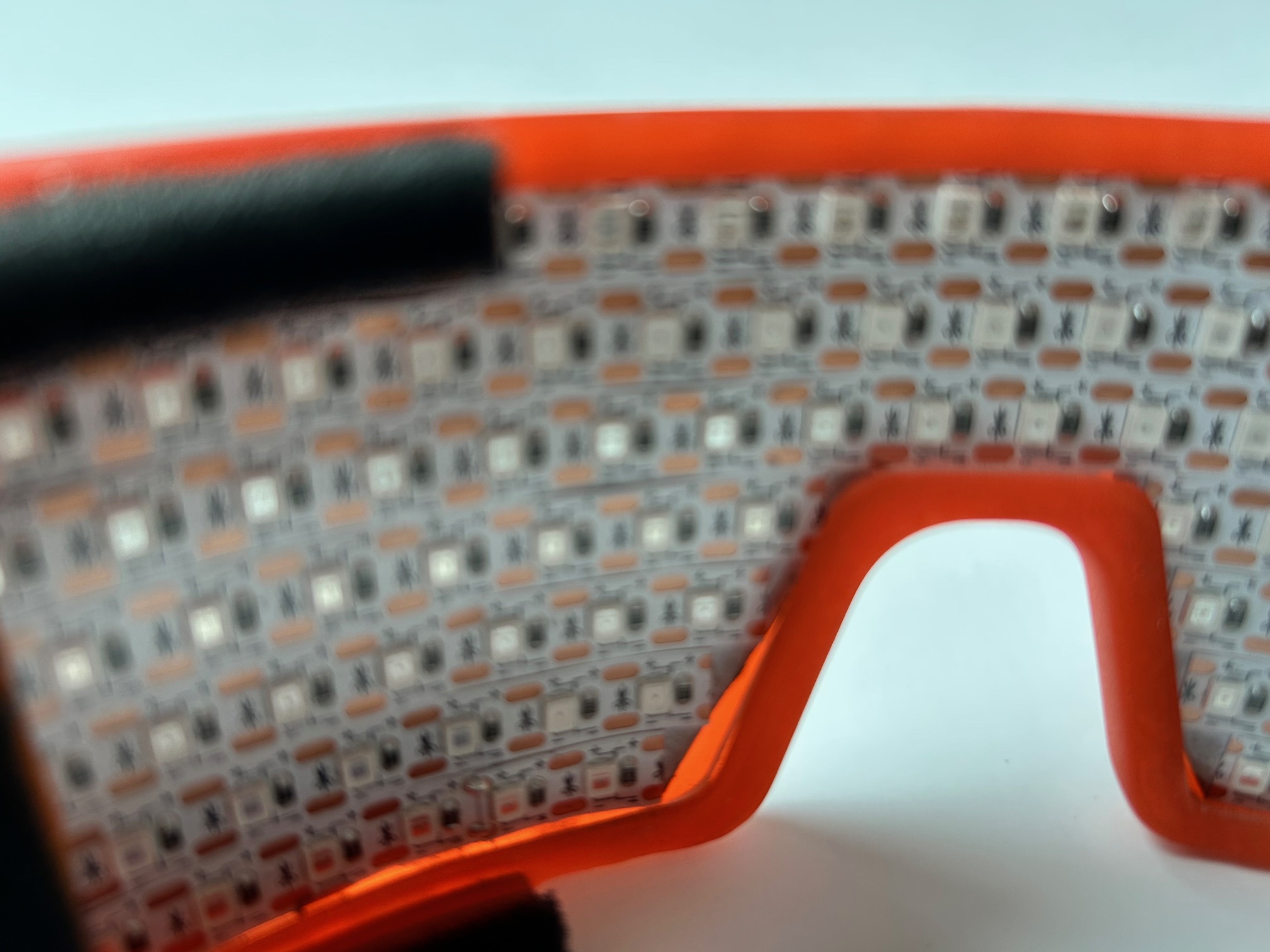
Gueven’s analysis of mitochondrial-targeted therapies positions photobiomodulation as a broadly applicable approach with advantages over pharmacological interventions, validating the Spectral WaveFront’s non-invasive mitochondrial enhancement strategy for optic nerve conditions.
Read full article here
Editor’s note: Gueven 2016 evaluates therapeutic strategies for mitochondrial optic neuropathy. For related therapeutic framework, see Lopez Sanches 2016. Photobiomodulation applications in optic nerve injury appear in Rojas 2008, Szymanski 2013, and Fitzgerald 2010. Broader mechanistic context in Beirne 2017.
Related Articles
- Emerging Mitochondrial Therapeutic Targets in Optic Neuropathies – Lopez Sanches 2016
- Neuroprotective Effects of NIR in Mitochondrial Optic Neuropathy – Rojas 2008
- 670nm Light in Optic Nerve Injury – Szymanski 2013
- NIR Reduces Oxidative Stress in Optic Nerve Injury – Fitzgerald 2010
- Photostimulation of Mitochondria for Retinal Neurodegeneration – Beirne 2017
Key Takeaways
- Retinal ganglion cells particularly vulnerable to mitochondrial dysfunction due to high energy demands
- Successful therapies must address ATP production, oxidative stress, mitochondrial integrity, and permeability transition
- Photobiomodulation shows broad applicability through cytochrome c oxidase activation across optic neuropathy subtypes
- Combinatorial approaches targeting multiple mitochondrial pathways may offer superior outcomes
Study Overview
| Study Type: | Review (therapeutic strategies) |
| Wavelength(s): | N/A (multi-modality therapeutic review) |
| Treatment Protocol: | Evaluation of pharmacological, photobiomodulation, and gene therapy approaches |
| Sample Size: | Multi-study therapeutic strategy synthesis |
| Primary Outcome: | Established mitochondrial enhancement as broadly applicable therapeutic strategy for optic neuropathies |
Full Citation
Gueven N, et al. (2016). Targeting mitochondrial function to treat optic neuropathy. Mitochondrion, 36:7-14. View Publication