Condition focus: Age-Related Macular Degeneration & Clinical Evidence
Age-related macular degeneration represents the leading cause of irreversible blindness in developed countries, with dry AMD lacking effective therapeutic options beyond dietary supplementation and lifestyle modifications. This narrative review examined photobiomodulation therapy as an emerging treatment for dry AMD, synthesizing evidence from mechanistic studies, animal models, and clinical trials to evaluate therapeutic potential, safety profiles, and implementation considerations. The review analyzed PBM protocols, wavelength selections, treatment outcomes, and patient selection criteria across published studies.
The review established that photobiomodulation addresses multiple AMD pathogenic mechanisms: enhancing mitochondrial ATP production in metabolically compromised RPE cells, reducing oxidative stress through improved antioxidant defenses, modulating inflammatory pathways including complement activation, and potentially improving drusen clearance through enhanced RPE phagocytic function. Clinical trials demonstrated visual acuity improvements, contrast sensitivity gains, and drusen volume reduction in treated AMD patients, with particularly promising outcomes in early to intermediate disease stages. Safety profiles were consistently favorable with no significant adverse effects reported across studies. However, the review identified substantial heterogeneity in treatment parameters including wavelength selection (primarily 590-670 nm ranges), energy densities, treatment durations, and frequency, highlighting the need for protocol standardization. The analysis concluded that while photobiomodulation shows considerable therapeutic promise for dry AMD, larger randomized controlled trials with standardized protocols are essential for establishing evidence-based clinical guidelines.
WaveFront Alignment:
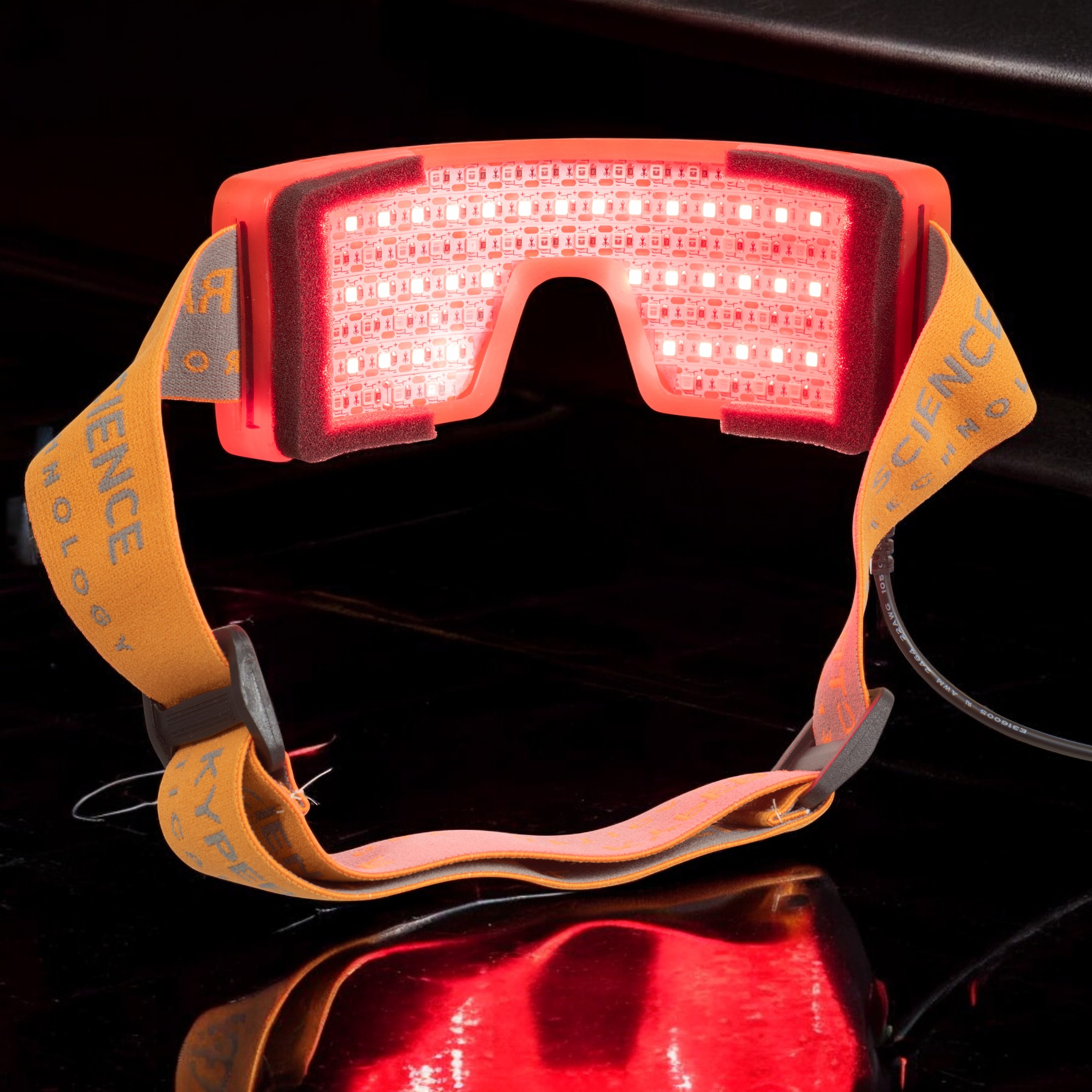
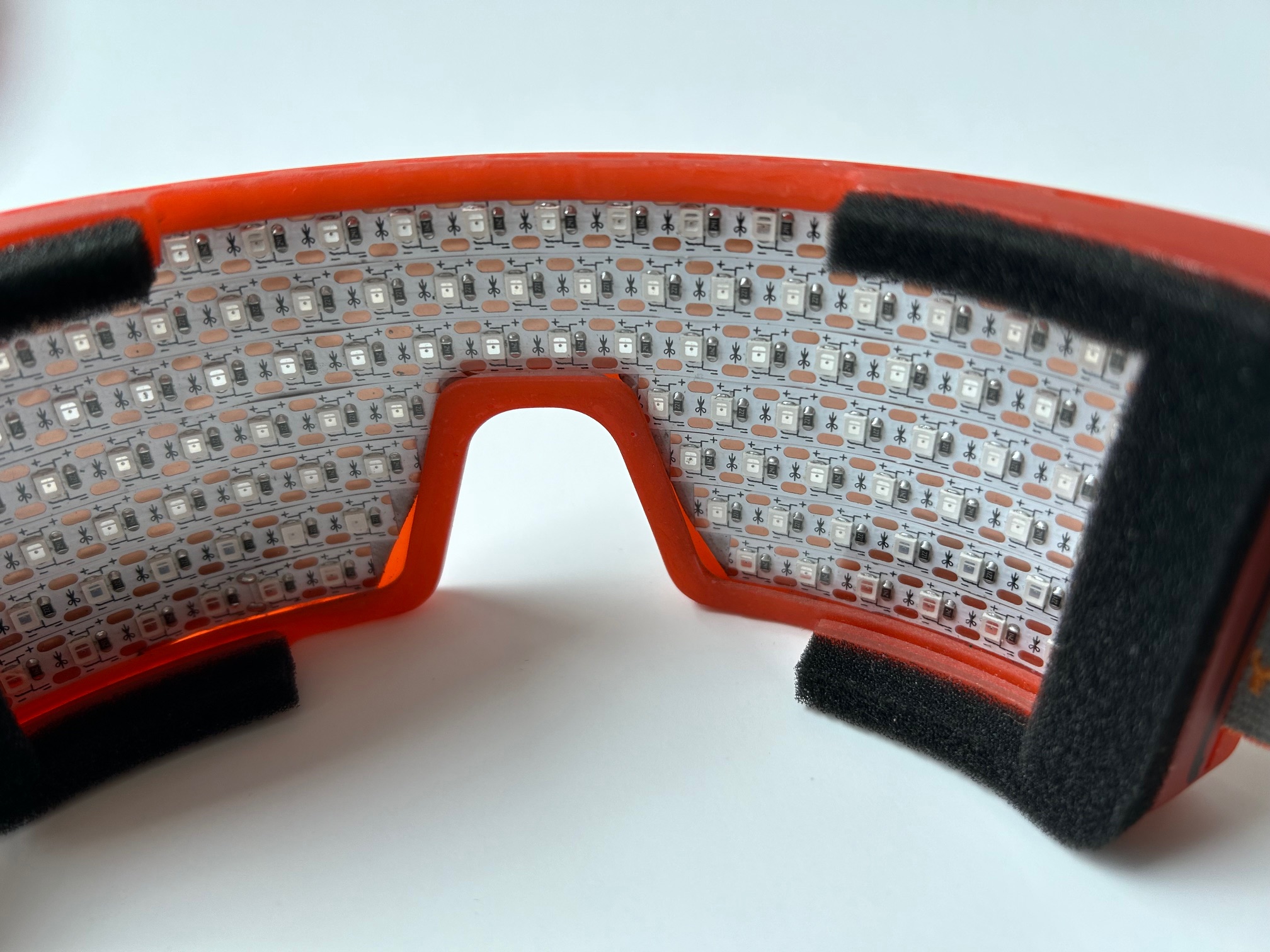
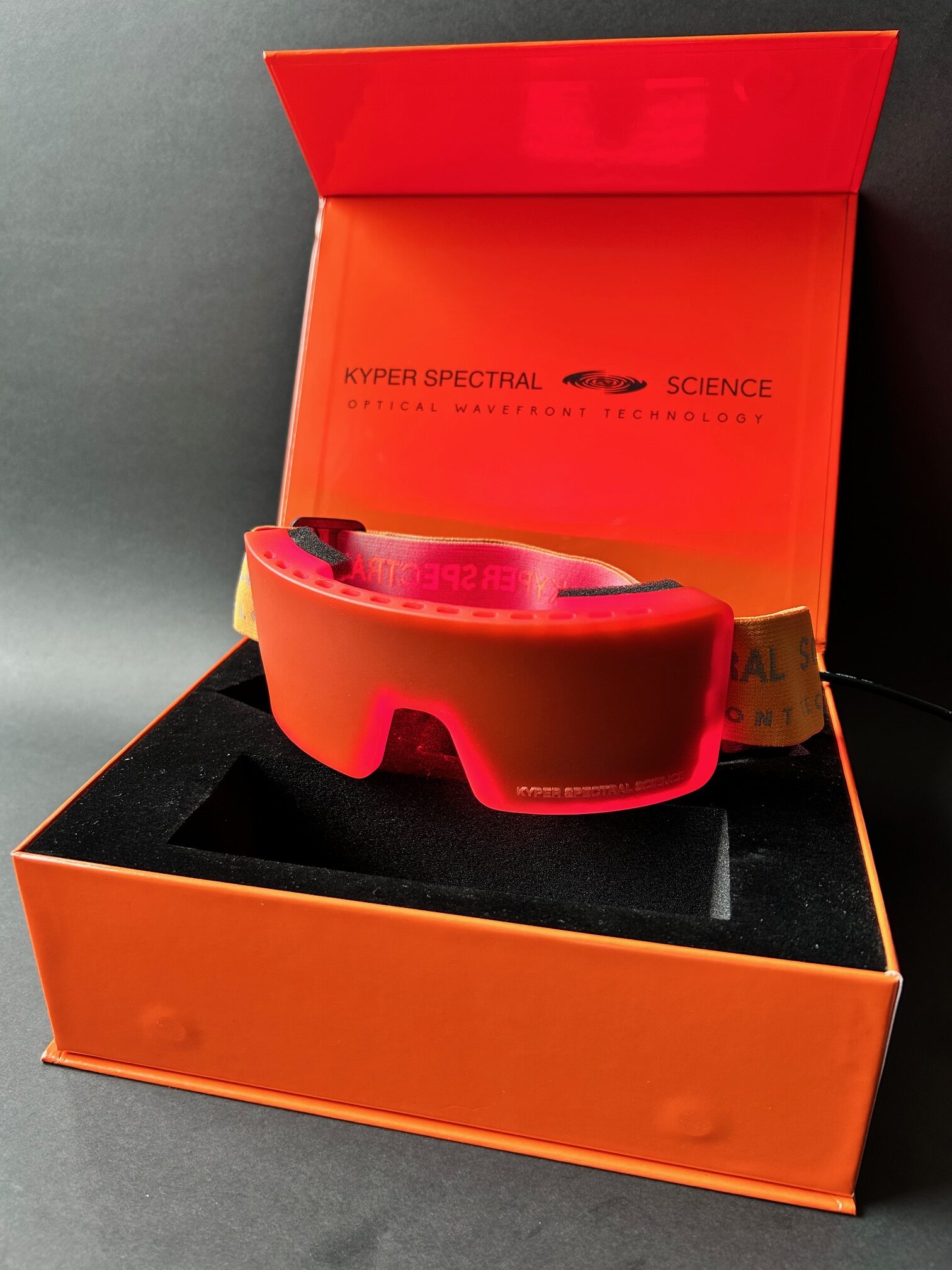
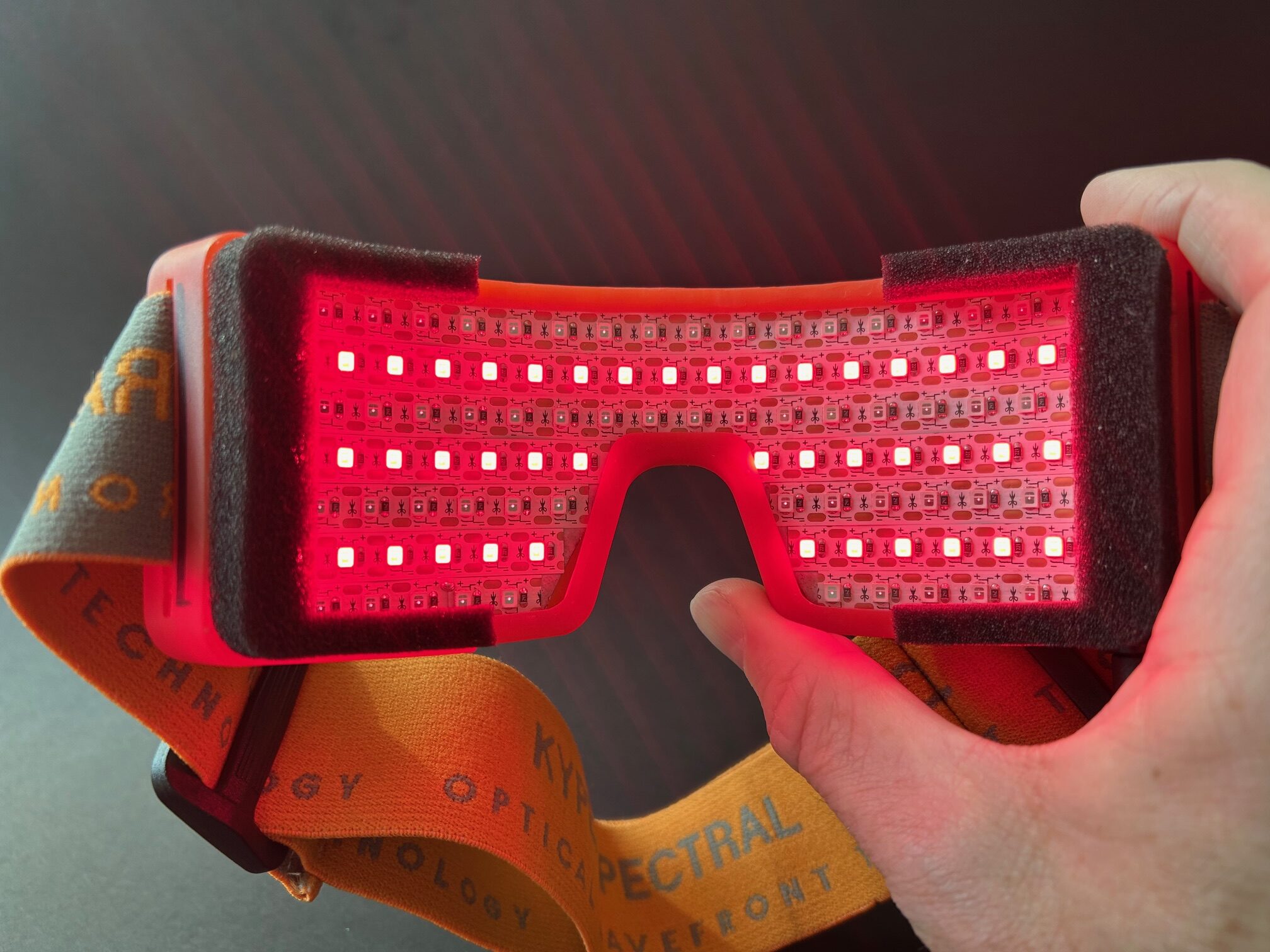
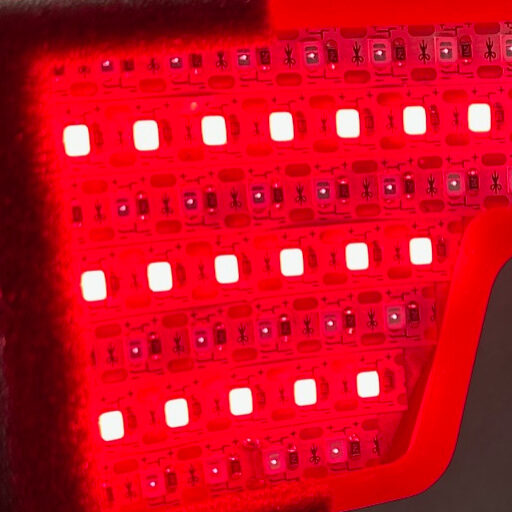
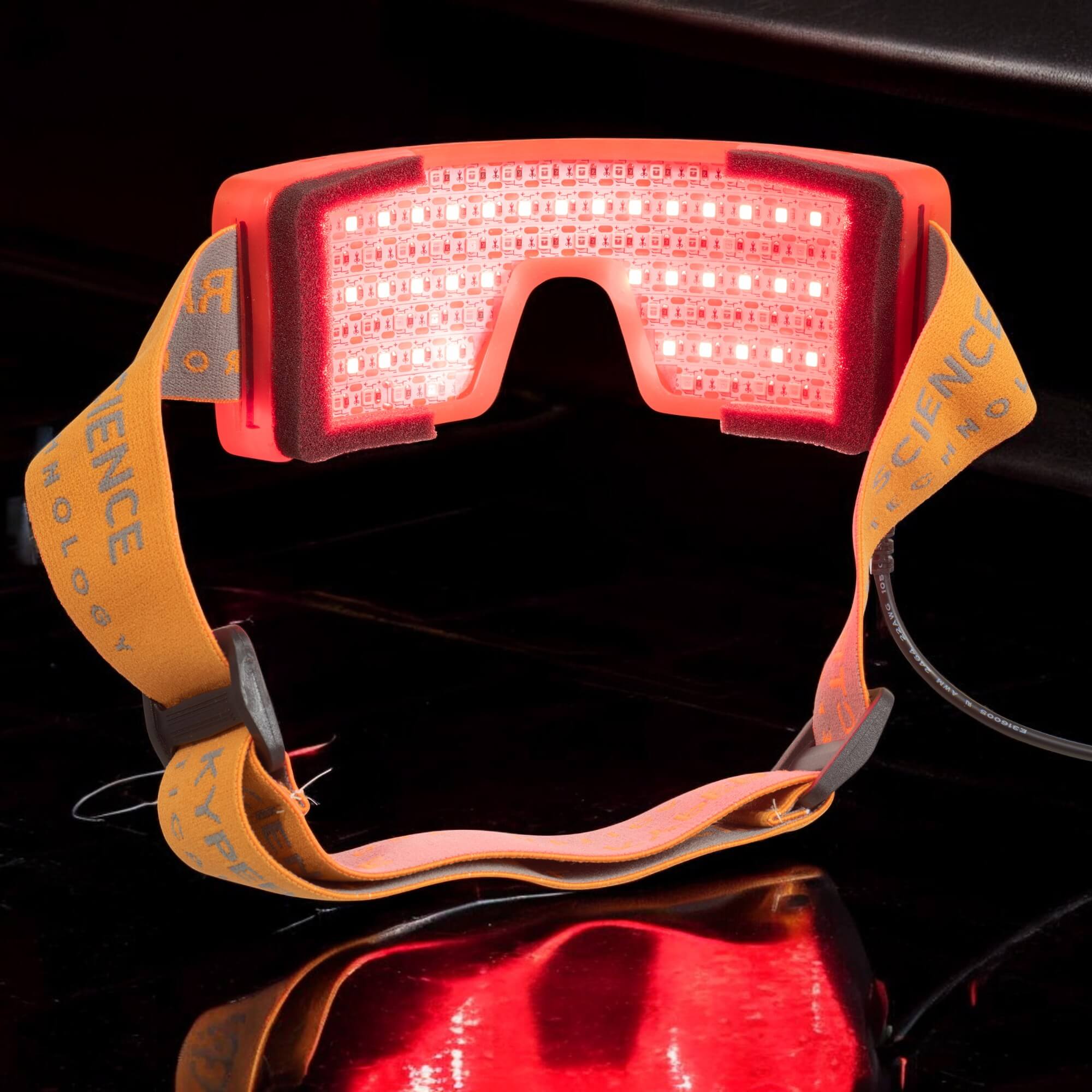
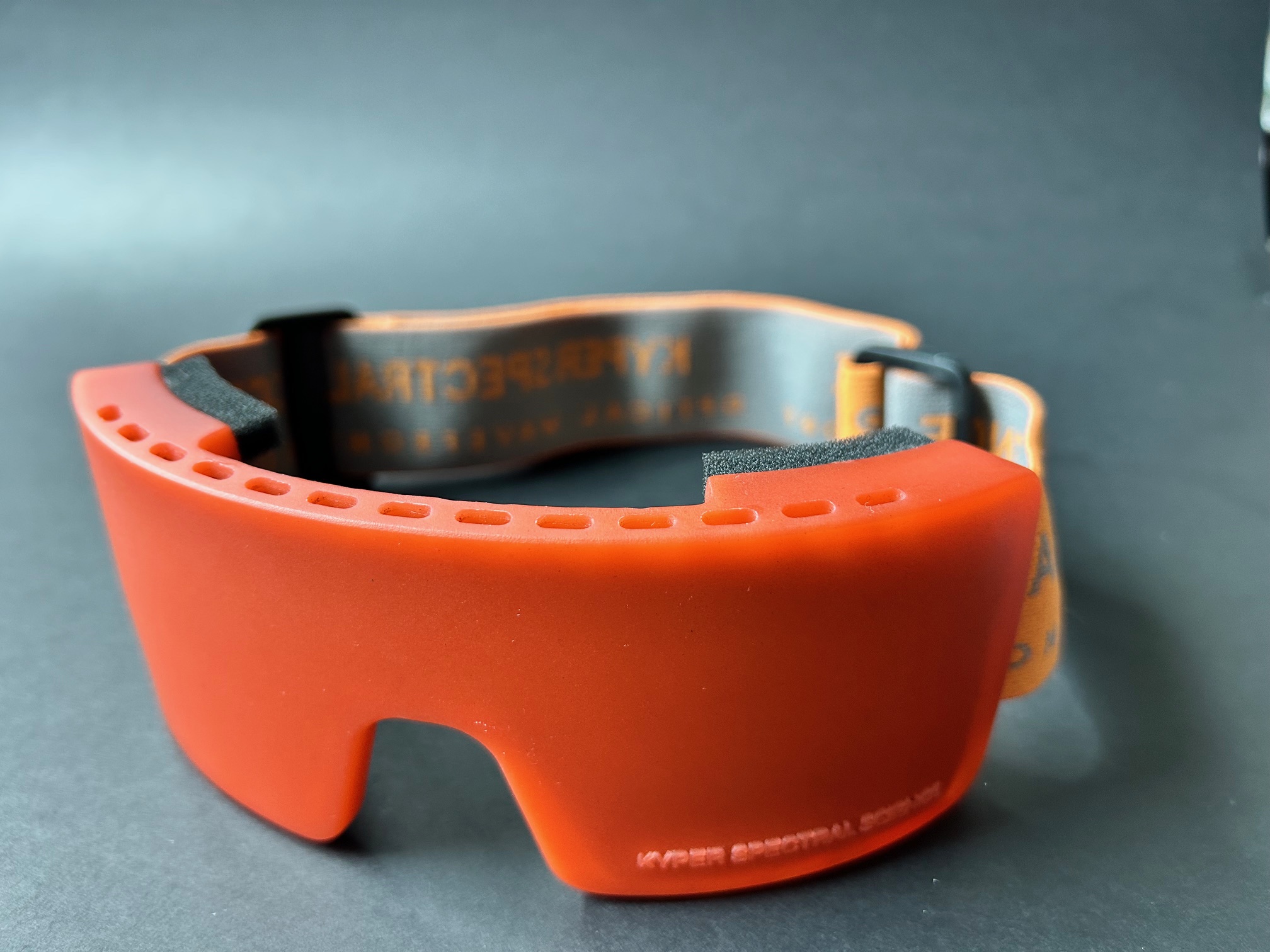
Fantaguzzi’s comprehensive AMD narrative review validates the Spectral WaveFront’s therapeutic positioning for dry AMD, confirming multi-pathway benefits while identifying protocol standardization as a critical research priority that the WaveFront’s evidence-based design addresses.
Read full article here
Editor’s note: Fantaguzzi 2023 provides comprehensive AMD photobiomodulation narrative review. For related AMD clinical evidence, see Merry 2012, Merry 2017, and Grewal 2020. Long-term follow-up data in Koev 2018. Mechanistic foundations appear in Feher 2006, Begum 2013, and Rodriguez-Santana 2013.
Related Articles
- PBM for Dry AMD – Toronto & Oak Ridge Study – Merry 2012
- Photobiomodulation Reduces Drusen Volume in Dry AMD – Merry 2017
- 670 nm PBM in Healthy Aging and AMD – Grewal 2020
- Five-Year Follow-Up of LLLT in AMD – Koev 2018
- Laser PBM as Multi-Hallmark Therapy for AMD – Rodriguez-Santana 2013
Key Takeaways
- PBM addresses multiple AMD mechanisms: enhanced ATP, reduced oxidative stress, modulated inflammation, improved drusen clearance
- Clinical trials showed visual acuity improvements, contrast sensitivity gains, and drusen volume reduction
- Consistently favorable safety profiles with no significant adverse effects across studies
- Identified need for protocol standardization and larger randomized controlled trials for evidence-based guidelines
Study Overview
| Study Type: | Narrative review |
| Wavelength(s): | Primarily 590-670 nm ranges |
| Treatment Protocol: | Synthesis of mechanistic, animal, and clinical AMD evidence |
| Sample Size: | Multi-study narrative synthesis |
| Primary Outcome: | Established PBM therapeutic promise for dry AMD with need for larger standardized trials |
Full Citation
Fantaguzzi F, et al. (2023). Shedding light on photobiomodulation therapy for age-related macular degeneration: a narrative review. Graefes Arch Clin Exp Ophthalmol, 261(7):1815-1825. View Publication