Condition focus: Dry Eye Disease, Ocular Rosacea & Meibomian Gland Dysfunction (MGD)
This comprehensive review examines clinical and mechanistic studies on Intense Pulsed Light for ocular rosacea and meibomian gland dysfunction. Reported improvements included eyelid telangiectasia and periocular redness, tear film stability and TBUT scores, and meibomian gland expressibility with better lipid quality. Mechanisms discussed included selective photothermolysis of abnormal capillaries, reduction in Demodex density, down-regulation of IL-1β, IL-6, and TNF-α, and microcirculation support contributing to restored gland function.
Shergill 2024 supports the use of non-thermal light modalities to modulate vascular and inflammatory pathways in ocular rosacea and MGD.
WaveFront Alignment:
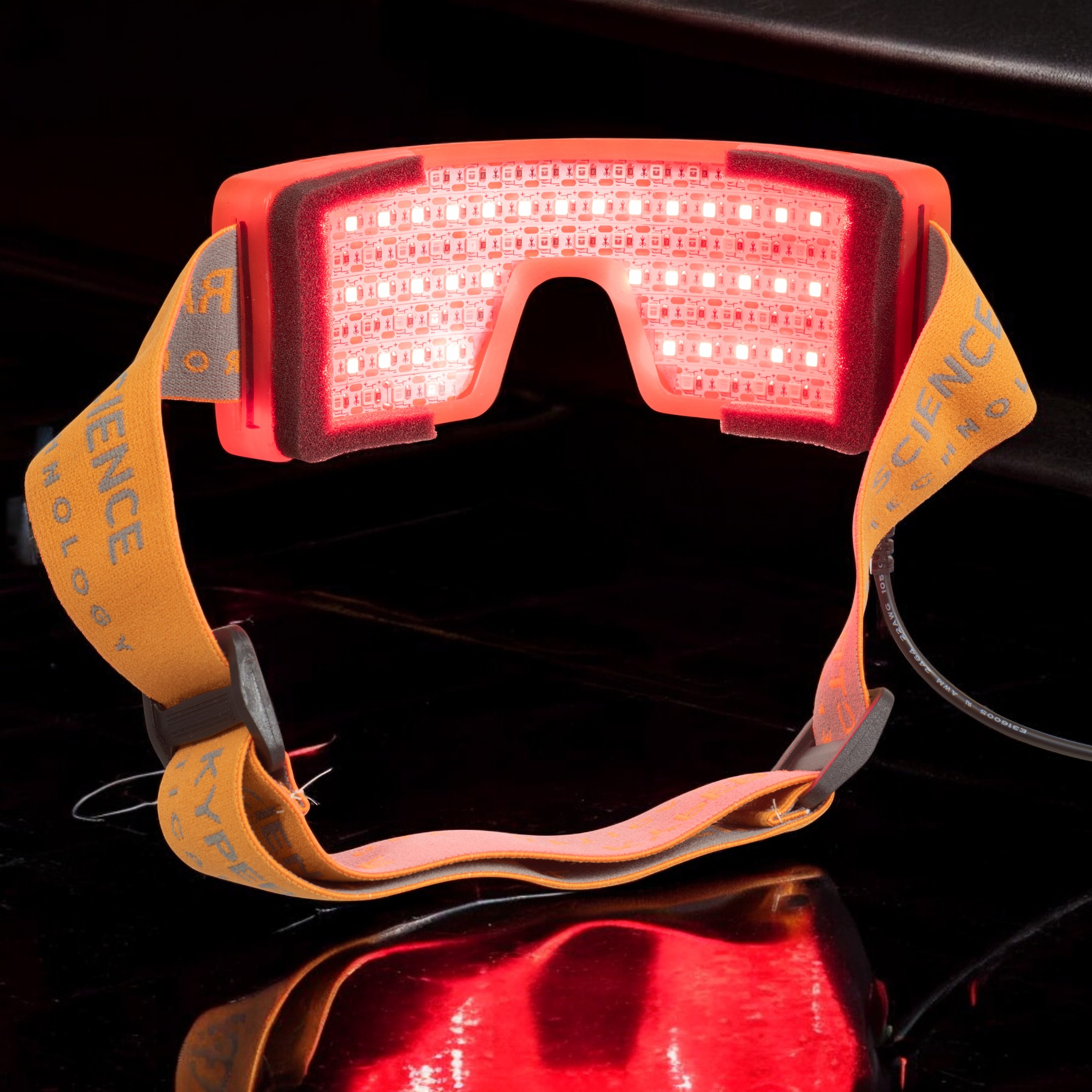
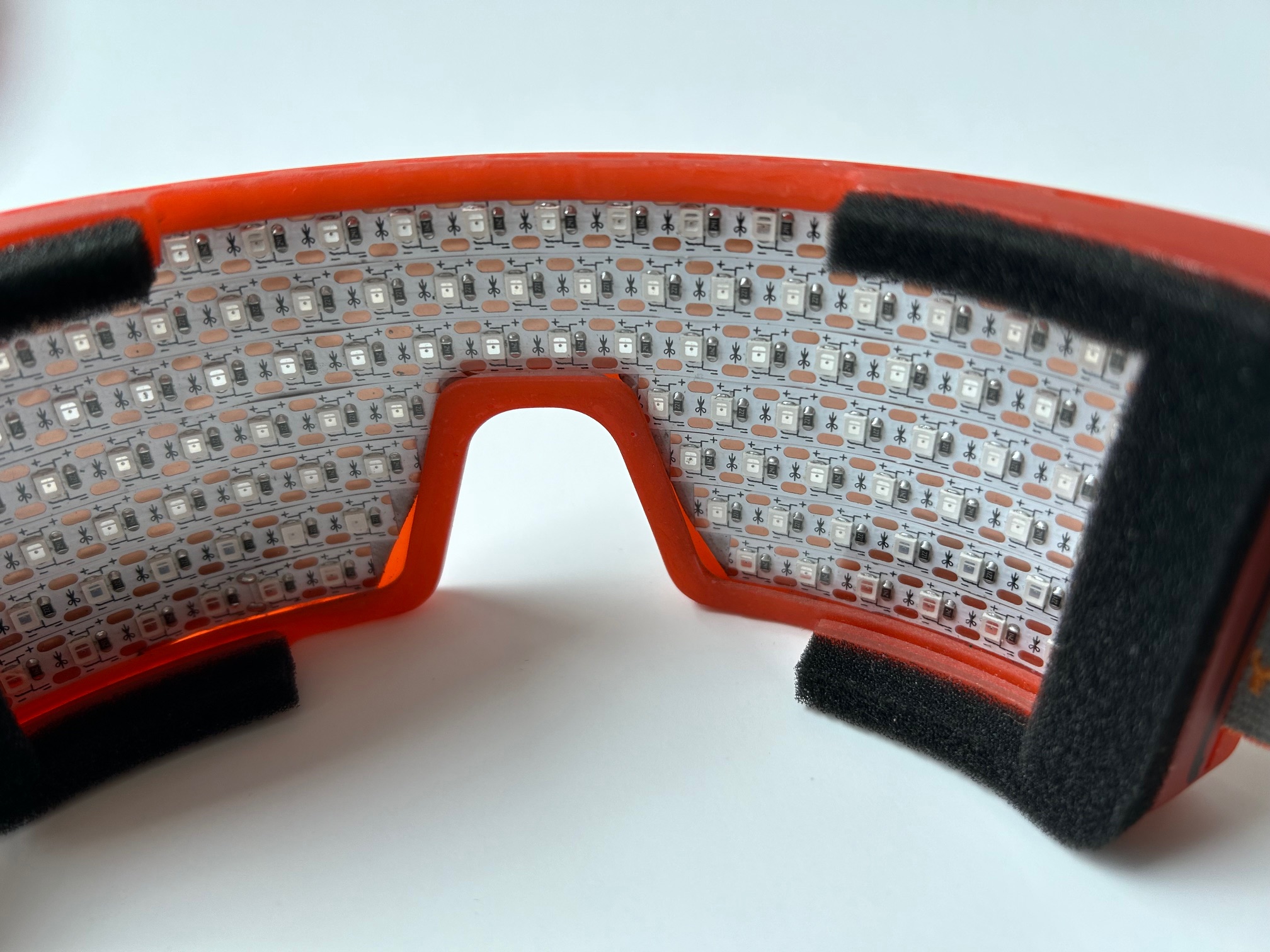
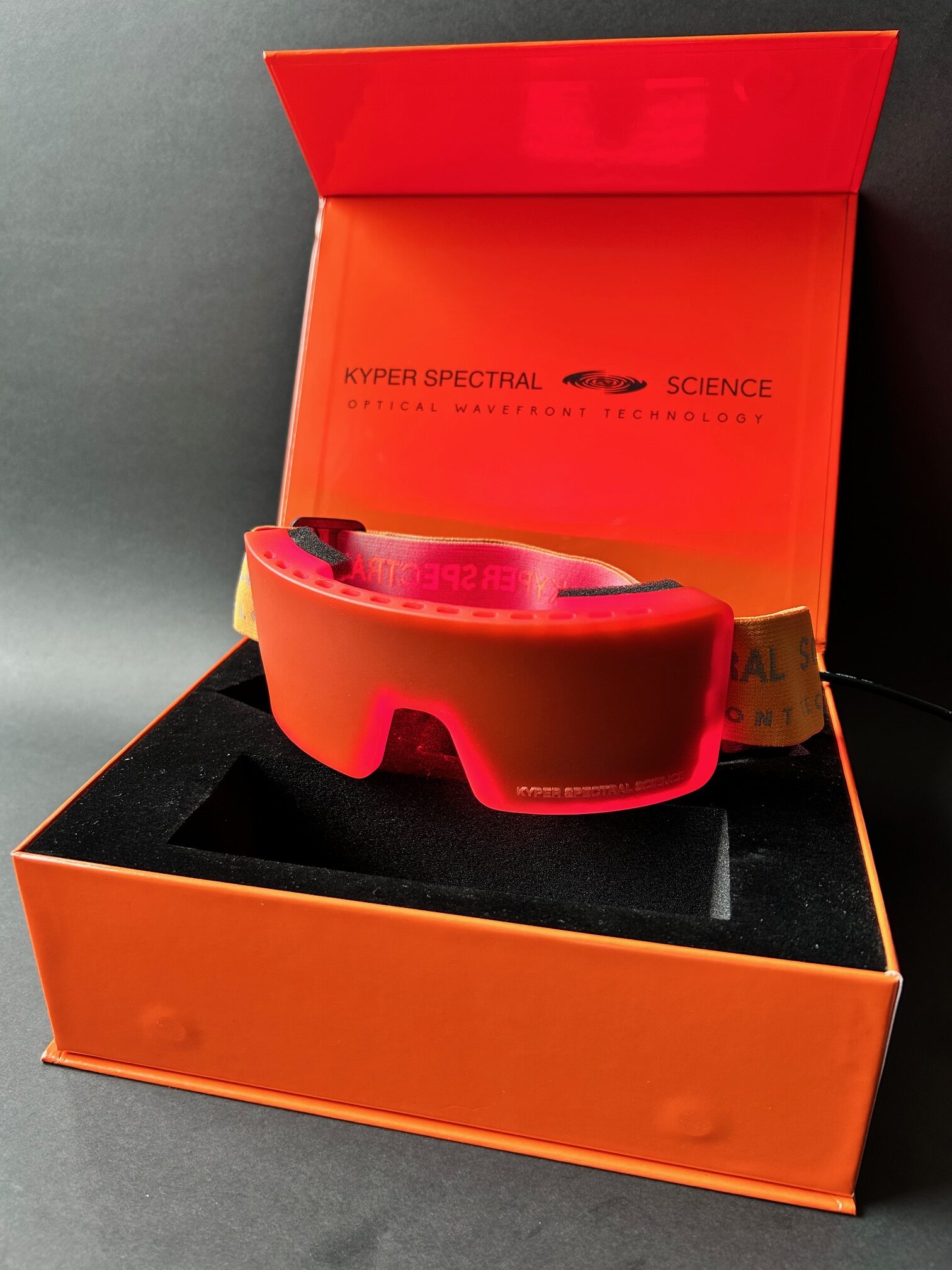
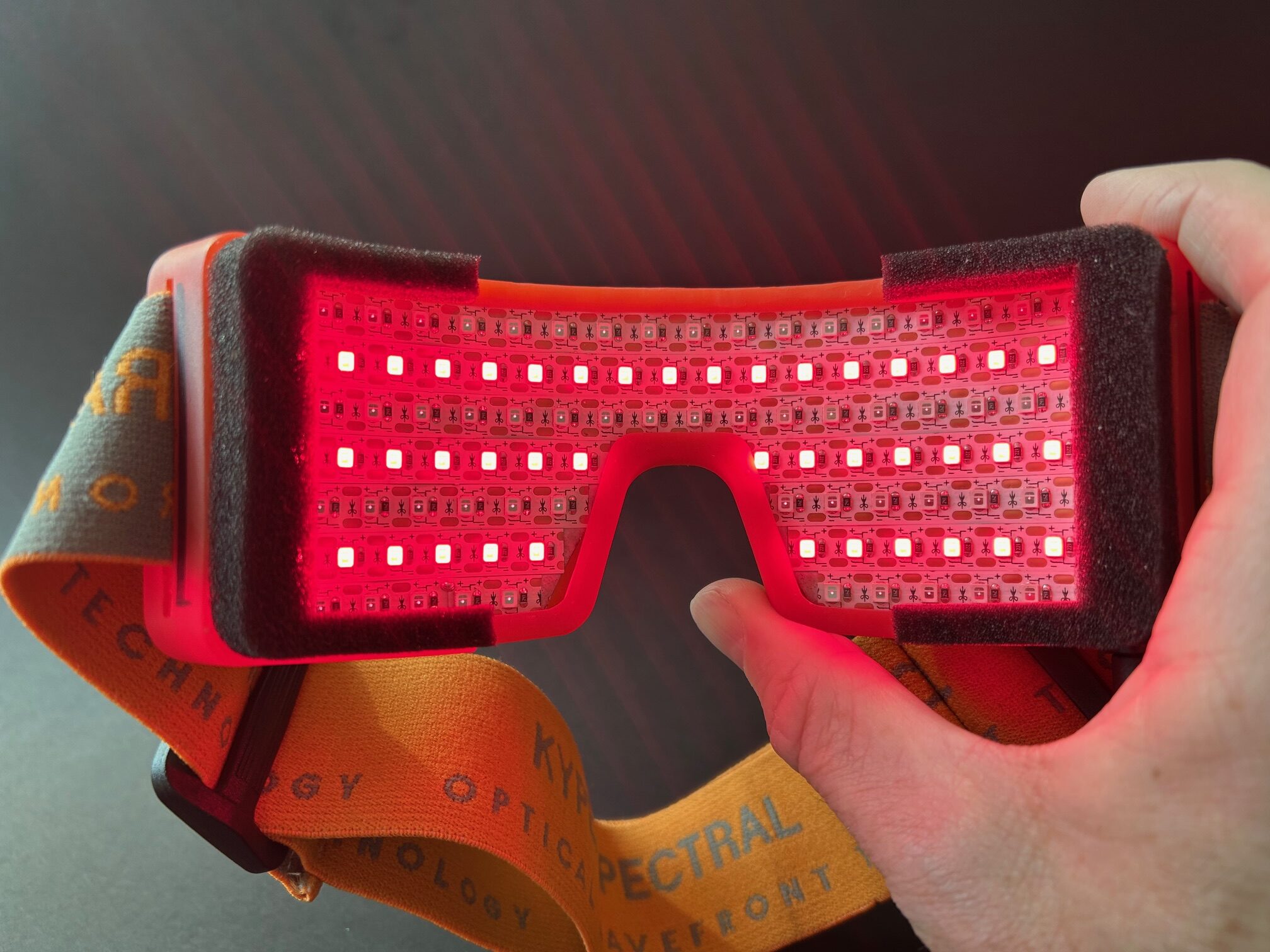
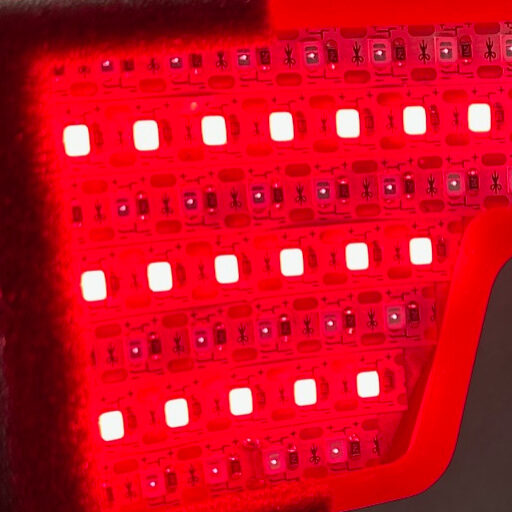
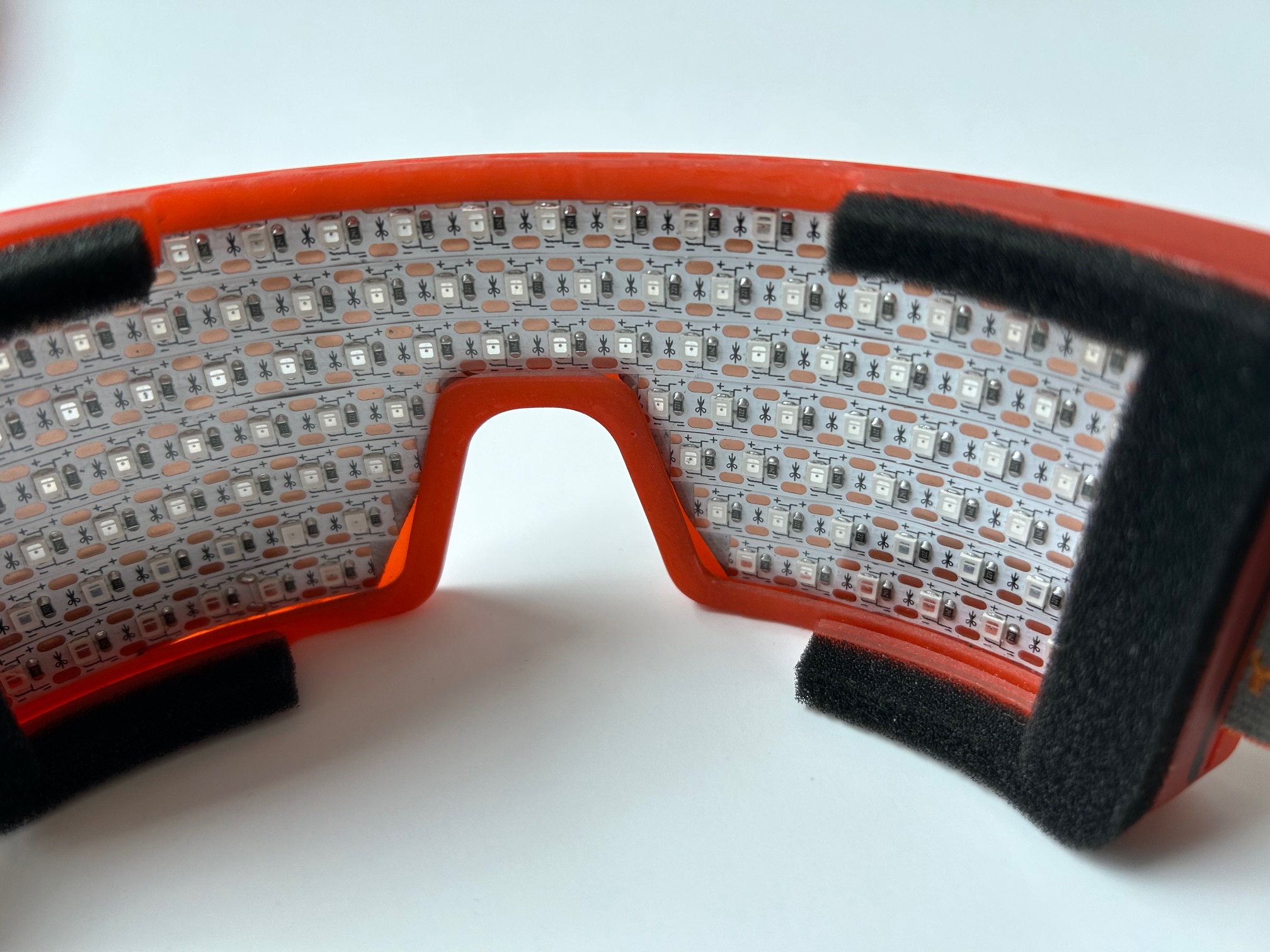
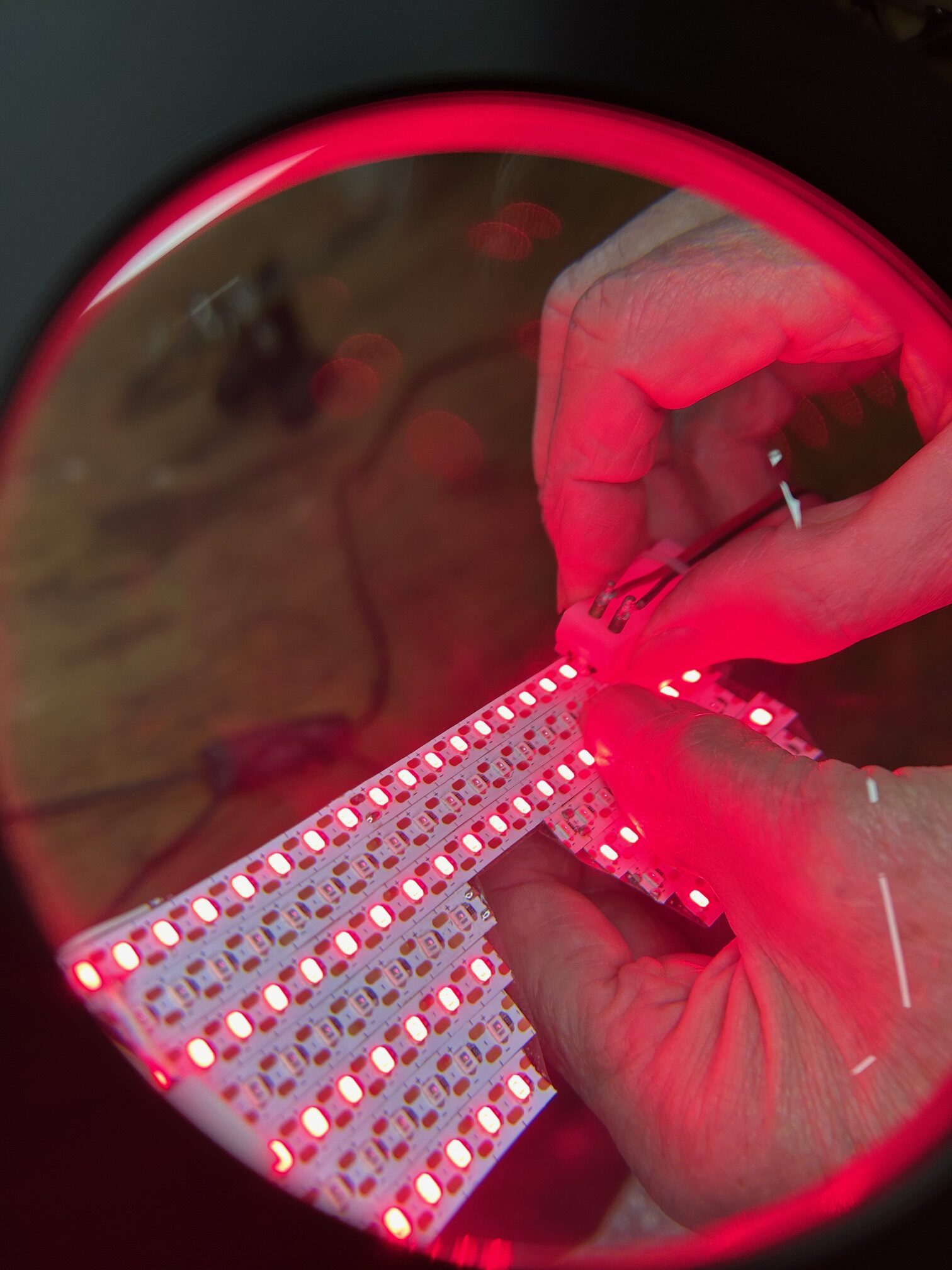
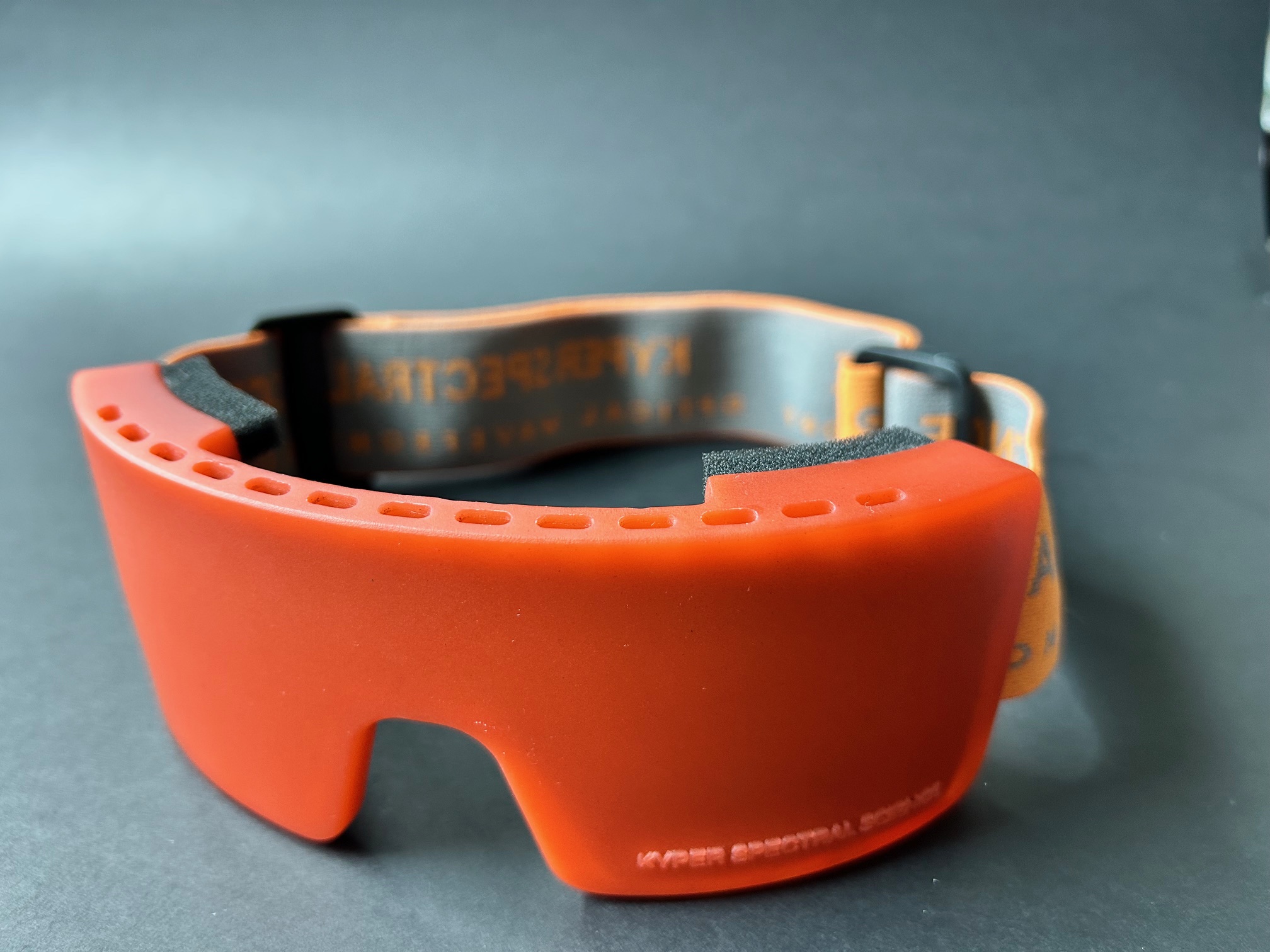
While IPL and PBM differ, this review outlines vascular and inflammatory pathways that overlap with the photobiologic targets of 670 nm + 810 nm PBM. The Spectral WaveFront’s dual wavelengths support mitochondrial function, nitric-oxide-mediated microcirculation, and reduced oxidative and inflammatory load within a gentle, non-heating fluence range.
Link to original research here
Editor’s note: This review highlights vascular, inflammatory, and glandular mechanisms relevant to ocular rosacea and MGD. For PBM wavelengths aligned with the Spectral WaveFront’s dual-wavelength design, see our WaveFront Evidence Alignment. Clinical IPL outcomes for MGD are detailed in Toyos 2015. Multi-wavelength LED anti-inflammatory effects in dry eye are shown in Goo 2023. Thermal approaches to MGD lipid normalization are reviewed in Borchman 2019.
Related Articles
- Clinical Outcomes of IPL for MGD and Ocular Rosacea – Toyos 2015
- MGD: PBM and IPL Therapy as Rescue Treatment – Solomos 2021
- Anti-Inflammatory Effect of Multi-Wavelength LED – Goo 2023
- Heat Therapy for Meibomian Gland Dysfunction – Borchman 2019
- PBM for Chalazia: A Sample Case Summary – Stonecipher 2019
Key Takeaways
- IPL improves eyelid telangiectasia, tear film stability, and meibomian gland expressibility in ocular rosacea
- Mechanisms include selective photothermolysis, Demodex reduction, and inflammatory cytokine down-regulation
- Microcirculation support contributes to restored meibomian gland function and lipid quality
- The review supports light-based modalities as effective non-invasive approaches for ocular surface inflammation
Study Overview
| Study Type: | Clinical and mechanistic review |
| Wavelength(s): | Intense pulsed light (broad spectrum) |
| Treatment Protocol: | Review of various IPL protocols across published literature |
| Sample Size: | Synthesis of multiple clinical studies |
| Primary Outcome: | Improved tear film, reduced inflammation, enhanced meibomian gland function |
Full Citation
Shergill B, et al. (2024). Review: Intense pulse light (IPL) treatment of ocular rosacea. Journal of Clinical Medicine. View Publication