Condition focus: Neurodegeneration & Axonal Injury
Axonal injury triggers progressive neurodegeneration through disrupted energy metabolism, oxidative stress, and activation of cell death pathways. This study investigated whether red light treatment could prevent neurodegeneration following axotomy in a well-characterized optic nerve injury model. Rats underwent optic nerve axotomy with experimental groups receiving 670 nm red light treatment at various time points relative to injury, while outcomes included retinal ganglion cell survival, axonal integrity, mitochondrial function, and oxidative stress markers assessed through histology, electron microscopy, and biochemical analysis.
Animals treated with 670 nm light demonstrated significantly improved retinal ganglion cell survival compared to axotomized controls, with up to 50% preservation of RGCs at timepoints where untreated animals showed severe loss. Mitochondrial function assessment revealed maintained ATP production and enhanced cytochrome c oxidase activity in treated optic nerves. Electron microscopy demonstrated preserved mitochondrial ultrastructure with intact cristae in treated tissues versus swollen, damaged mitochondria in controls. Oxidative stress markers including lipid peroxidation and protein carbonylation were significantly reduced in red light-treated animals. The neuroprotective effects were time-dependent, with early treatment initiation providing superior outcomes, though benefits persisted even with delayed intervention. These findings establish that red light treatment can interrupt neurodegenerative cascades triggered by axonal injury through direct mitochondrial enhancement and oxidative stress reduction.
WaveFront Alignment:
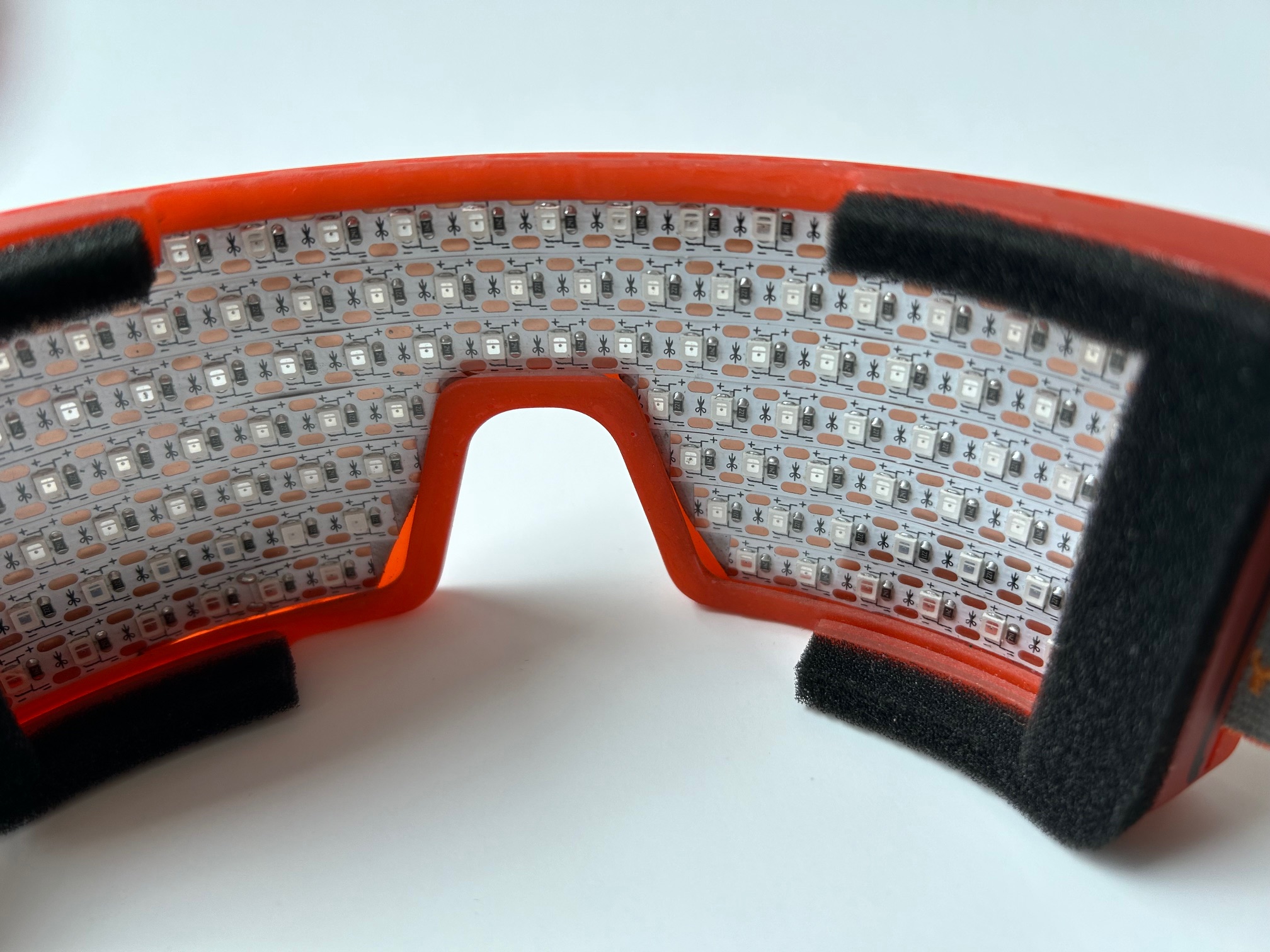
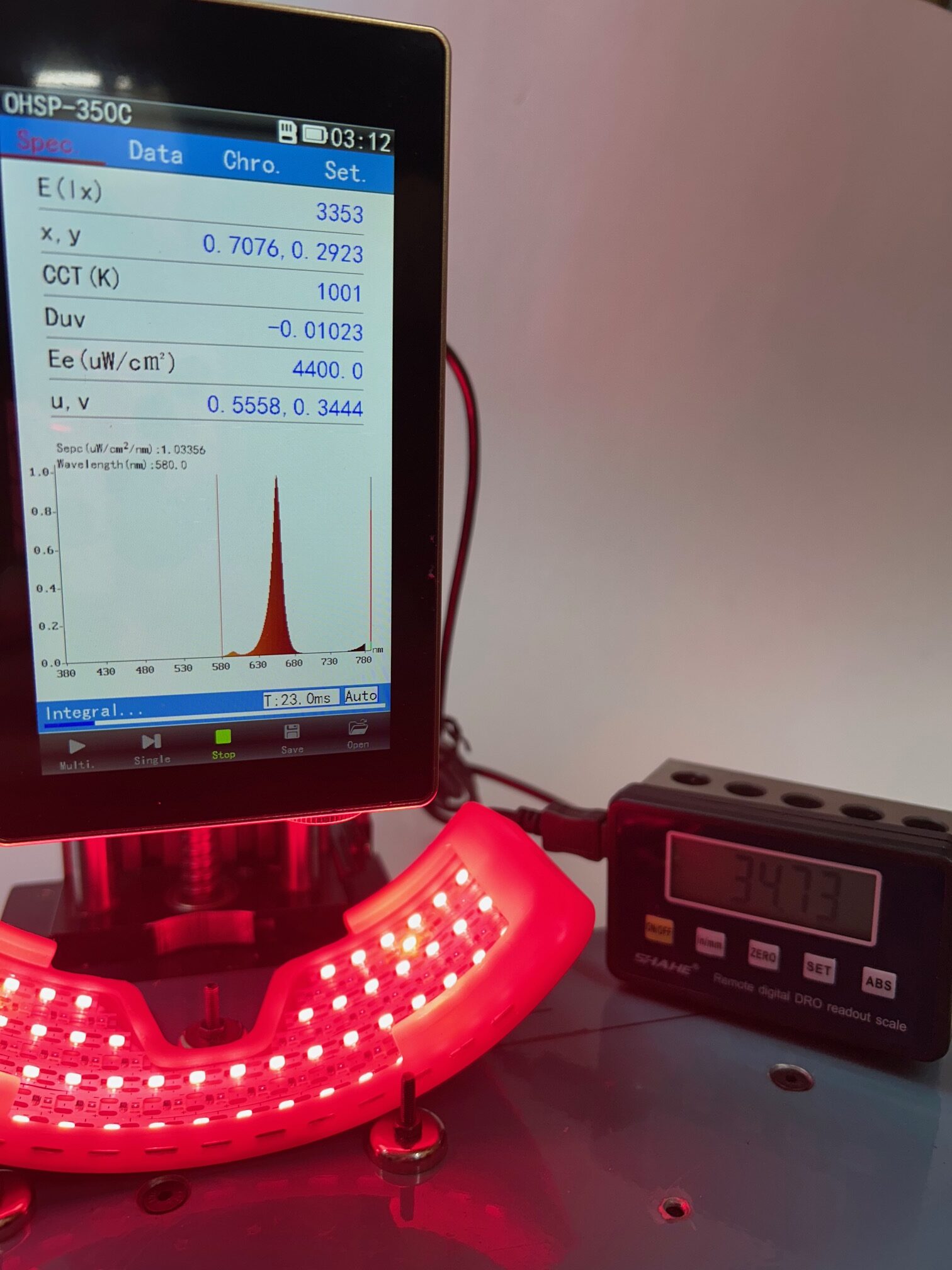
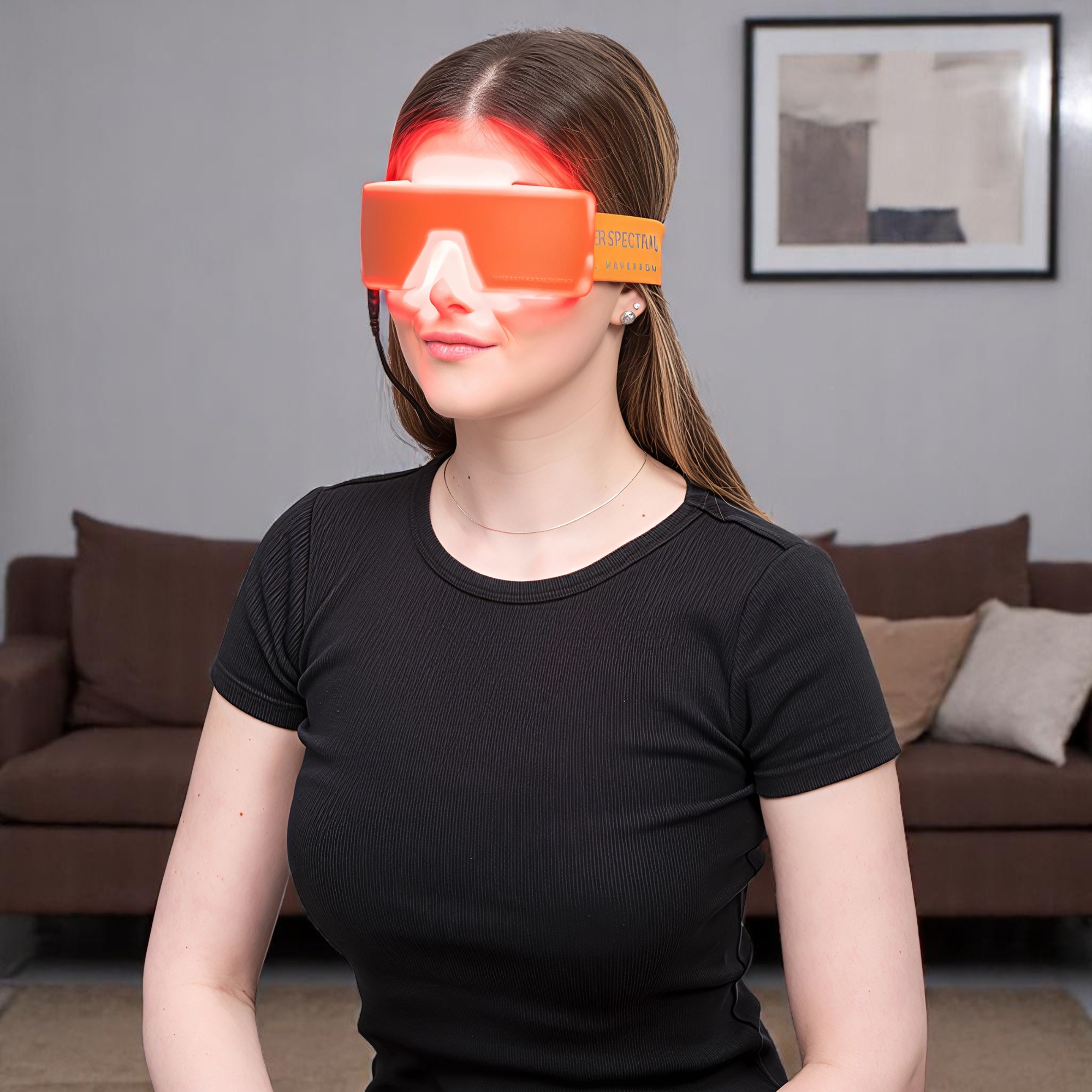
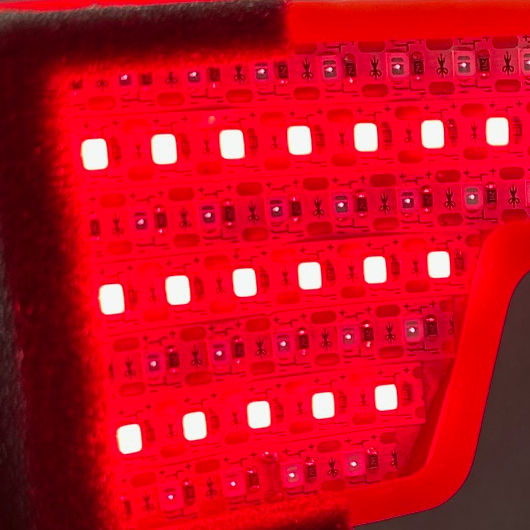
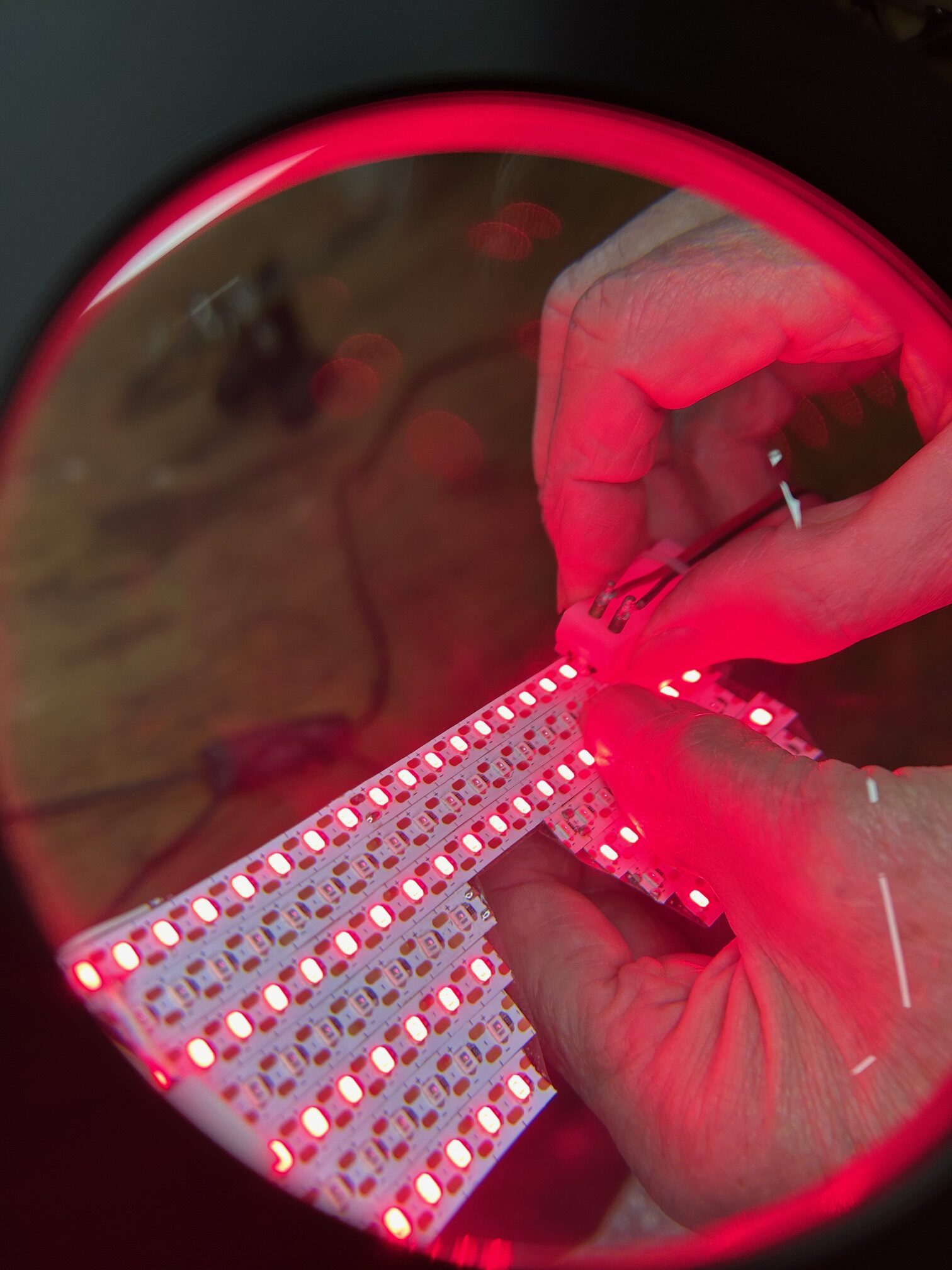
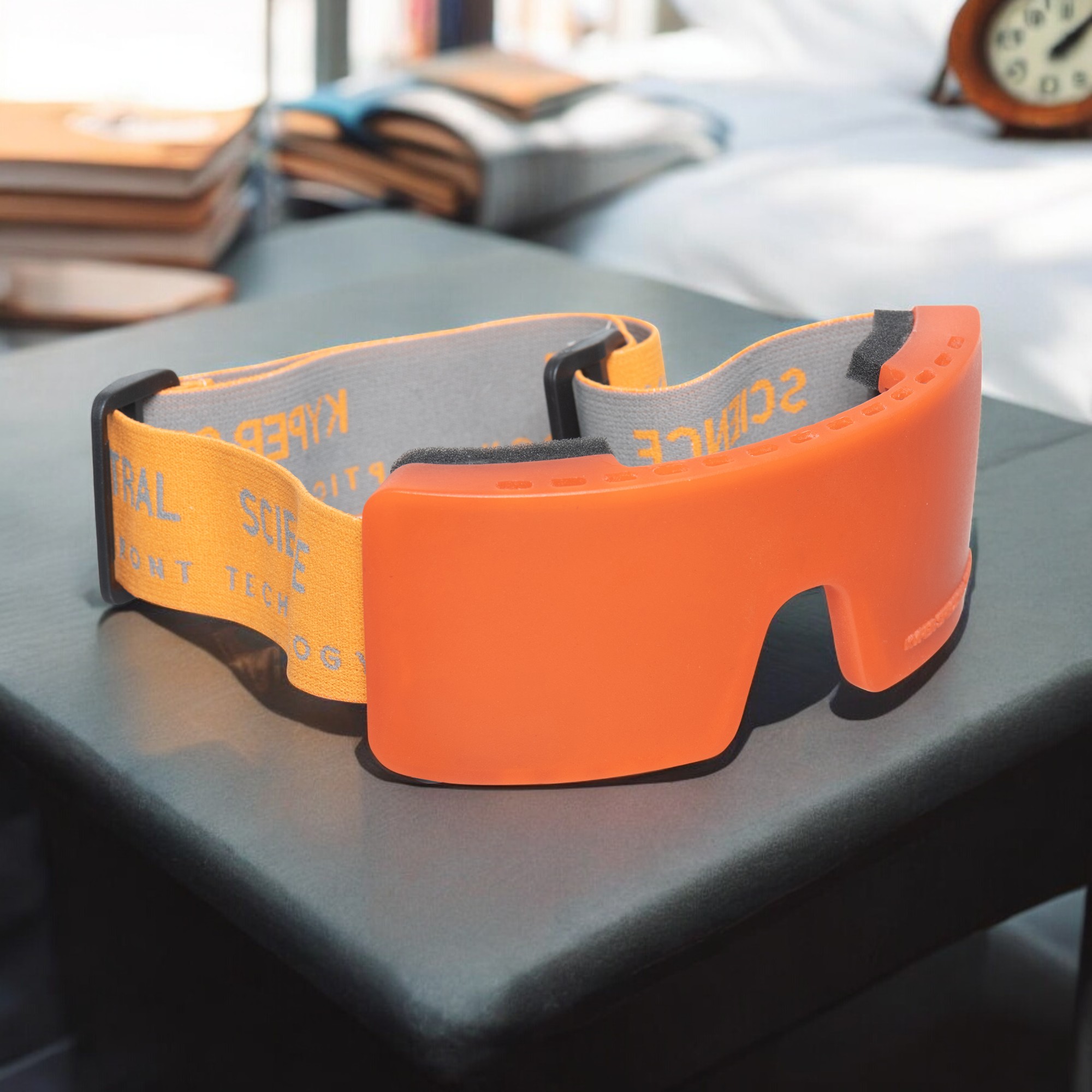
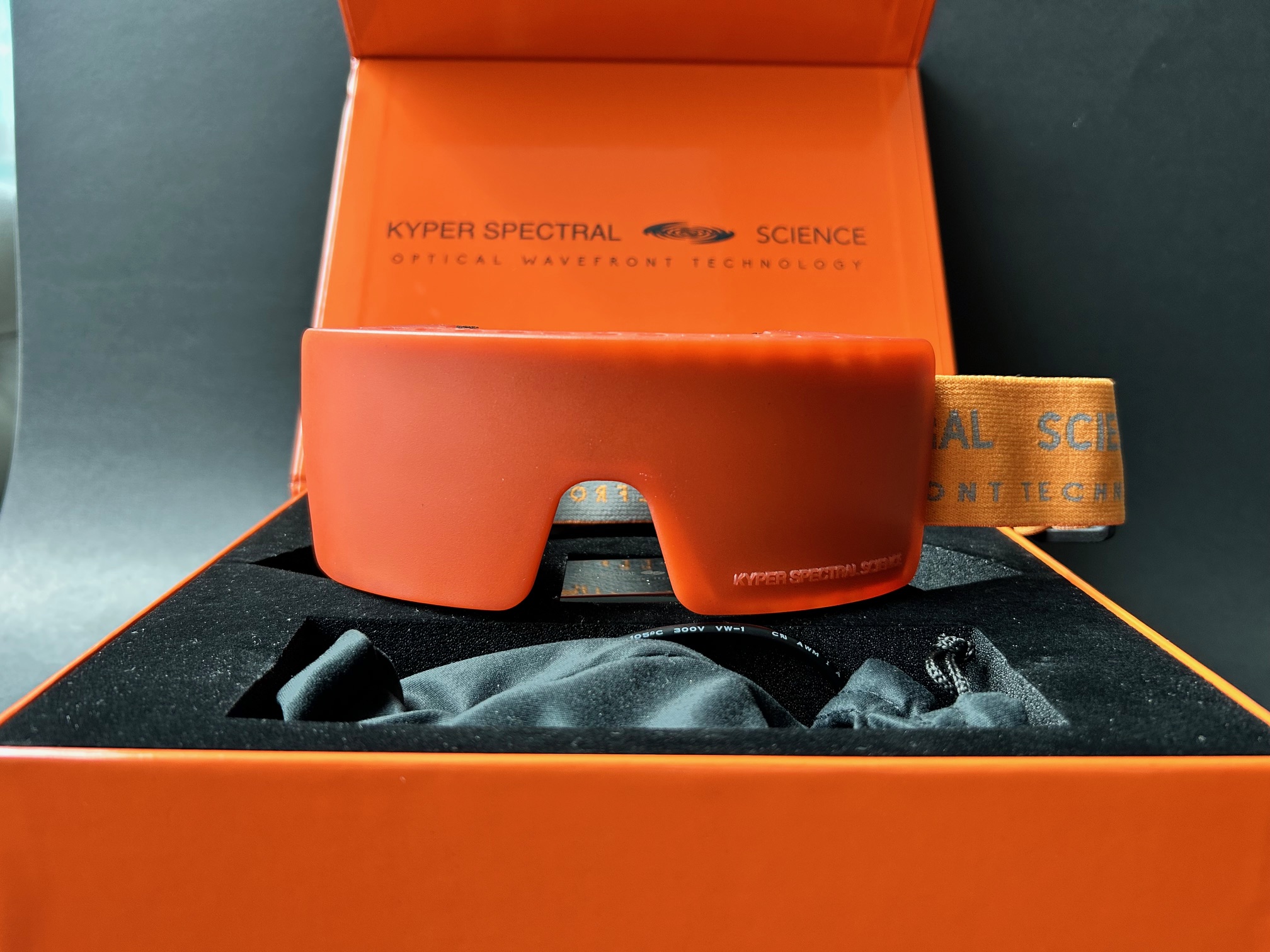
Beirne’s demonstration that 670 nm preserves 50% of retinal ganglion cells following axotomy validates the Spectral WaveFront’s neuroprotective potential for traumatic and degenerative optic nerve conditions through mitochondrial rescue mechanisms.
Read full article here
Editor’s note: Beirne 2016 demonstrates red light neuroprotection in axotomy models. For related optic nerve injury applications, see Szymanski 2013 and Fitzgerald 2010. Mitochondrial therapeutic context appears in Gueven 2016 and Lopez Sanches 2016. Broader mechanistic synthesis in Beirne 2017.
Related Articles
- 670nm Light in Optic Nerve Injury – Szymanski 2013
- NIR Reduces Oxidative Stress in Optic Nerve Injury – Fitzgerald 2010
- Targeting Mitochondrial Function to Treat Optic Neuropathy – Gueven 2016
- Emerging Mitochondrial Therapeutic Targets in Optic Neuropathies – Lopez Sanches 2016
- Photostimulation of Mitochondria for Retinal Neurodegeneration – Beirne 2017
Key Takeaways
- 670 nm treatment preserved up to 50% of retinal ganglion cells following optic nerve axotomy
- Maintained ATP production and enhanced cytochrome c oxidase activity in treated optic nerves
- Electron microscopy confirmed preserved mitochondrial ultrastructure versus damaged controls
- Time-dependent neuroprotection with early initiation optimal, though delayed treatment still beneficial
Study Overview
| Study Type: | Animal model (optic nerve axotomy) |
| Wavelength(s): | 670 nm (red light) |
| Treatment Protocol: | Red light treatment at various timepoints relative to axotomy |
| Sample Size: | Rat models with histology, electron microscopy, and biochemical assessment |
| Primary Outcome: | 50% RGC preservation with maintained mitochondrial function and reduced oxidative stress |
Full Citation
Beirne K, et al. (2016). Red light treatment in an axotomy model of neurodegeneration. Photochem Photobiol, 93(2):623-631. View Publication