Condition focus: Retinal Aging & Mitochondrial ATP Production
This study demonstrated that near-infrared light exposure significantly increases ATP production in aging photoreceptors and retinal tissue. Using aged animal models, researchers measured mitochondrial ATP synthesis before and after near-infrared light treatments. Results showed that aged retinas, which typically exhibit declining ATP levels and compromised mitochondrial function, experienced substantial ATP restoration following NIR exposure. The effect was dose-dependent and reversible, confirming that photobiomodulation directly influences cellular bioenergetics in aging visual tissue.
By directly measuring ATP levels, this work provides quantitative evidence that near-infrared light can “recharge” the metabolic capacity of aging retinal cells, offering a mechanistic explanation for functional improvements observed in clinical PBM studies targeting age-related visual decline.
WaveFront Alignment:
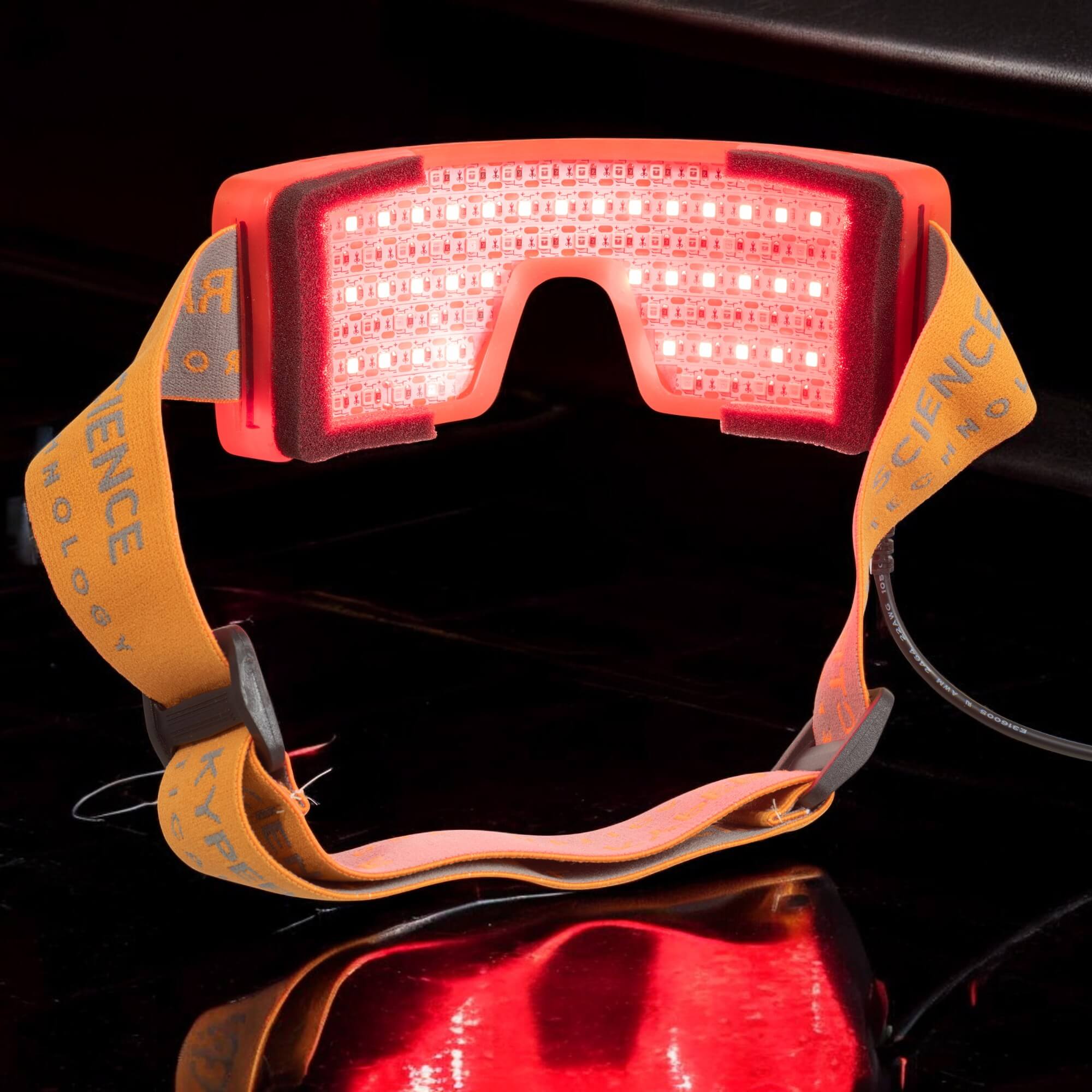
The Spectral WaveFront’s 670 nm and 810 nm wavelengths target the same mitochondrial ATP synthesis pathways demonstrated by Gkotsi et al. The quantitative ATP restoration findings provide direct bioenergetic validation for WaveFront’s dual-wavelength approach to supporting aging retinal metabolism.
Link to original research here
Editor’s note: Gkotsi 2014 provides quantitative ATP measurement demonstrating metabolic restoration in aging retina. For functional translation to visual performance, see Sivapathasuntharam 2017. Human aging retina outcomes with 670 nm are shown in Grewal 2020. For mitochondrial photostimulation mechanisms, see Beirne 2017. Mitochondrial decline in AMD is characterized in Feher 2006.
Related Articles
- Aging Retinal Function Improved by 670 nm NIR – Sivapathasuntharam 2017
- Evaluating 670 nm PBM in Healthy Aging and AMD – Grewal 2020
- Photostimulation of Mitochondria for Retinal Neurodegeneration – Beirne 2017
- Mitochondrial Alterations of RPE in AMD – Feher 2006
- Age-Related Inflammation Reduced by 670 nm – Kokkinopoulos 2013
Key Takeaways
- Near-infrared light significantly increased ATP production in aging retinal tissue
- Effect was dose-dependent and reversible, confirming direct metabolic influence
- Quantitative ATP measurements provide mechanistic evidence for “recharging” aged photoreceptors
- Findings explain functional improvements observed in clinical PBM studies targeting aging retina
Study Overview
| Study Type: | Animal model (mechanistic/metabolic) |
| Wavelength(s): | Near-infrared (670 nm region) |
| Treatment Protocol: | NIR exposure with ATP measurement in aged retinal tissue |
| Sample Size: | Aged animal models |
| Primary Outcome: | Significant ATP increase in aging retina; dose-dependent metabolic restoration |
Full Citation
Gkotsi D, et al. (2014). Recharging mitochondrial batteries in old eyes. Near infra-red increases ATP. Experimental Eye Research, 122:50-53. View Publication