Condition focus: Diabetic Retinopathy & Diabetic Macular Edema (DME)
This randomized clinical trial evaluated the safety and potential functional or anatomical effects of 670 nm PBM in adults with center-involved diabetic macular edema (CI-DME). Participants were assigned 1:1 to PBM or placebo and treated twice daily for four months.
A total of 135 adults were enrolled (69 PBM; 66 placebo). Device adherence was high (92% PBM; 95% placebo). Across the study period:
Central subfield thickness (CST): no significant difference between PBM and placebo
CI-DME status: similar between groups at 4 months
Visual acuity: very small changes with no meaningful difference relative to placebo
Safety: 8 PBM-associated events and 2 placebo-associated events were reported; none were serious
While group-level improvements were not demonstrated in this short trial, the study supports that 670 nm PBM was well tolerated and provides an important safety foundation for exploring PBM as an adjunctive approach in CI-DME.
WaveFront alignment:
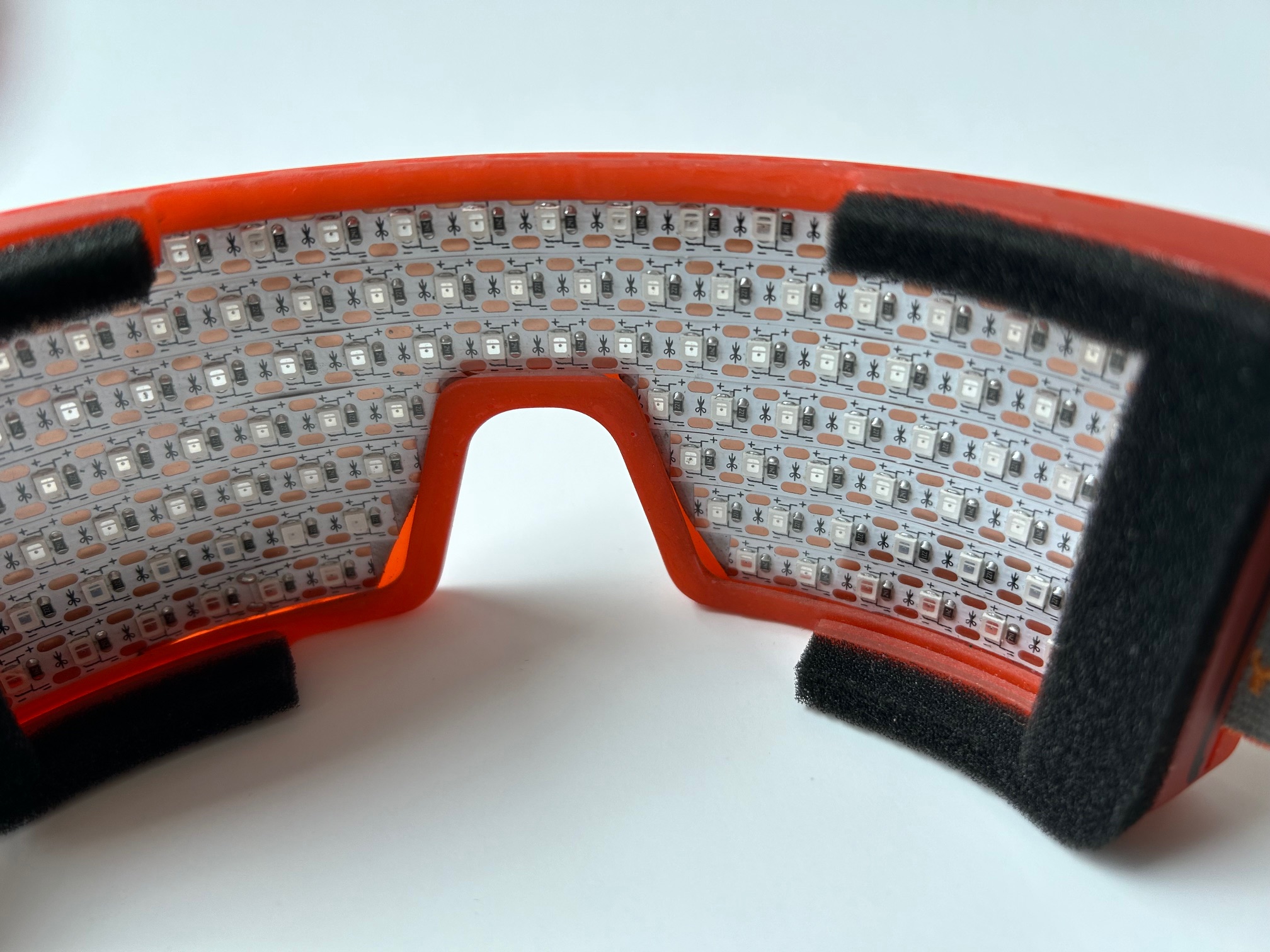
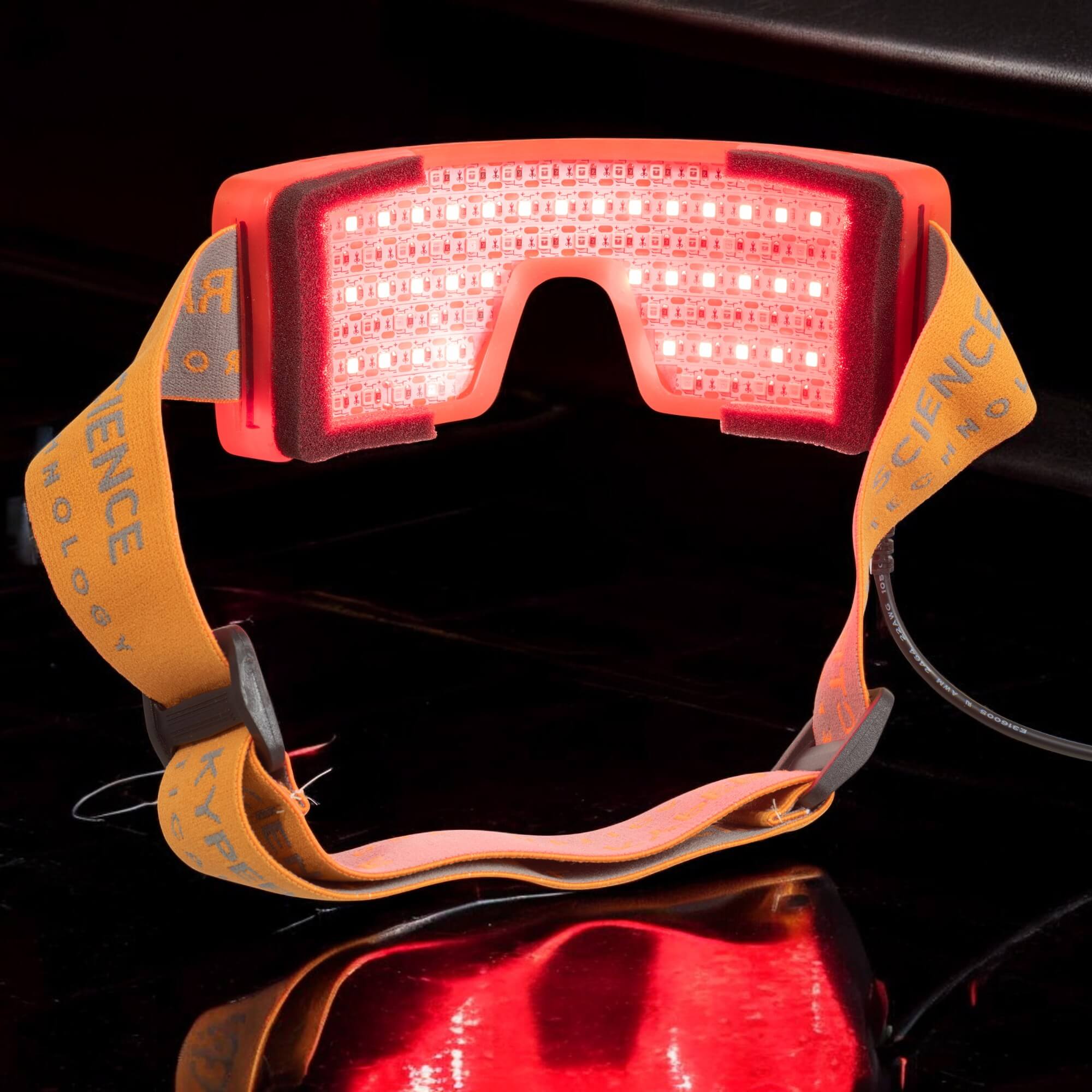
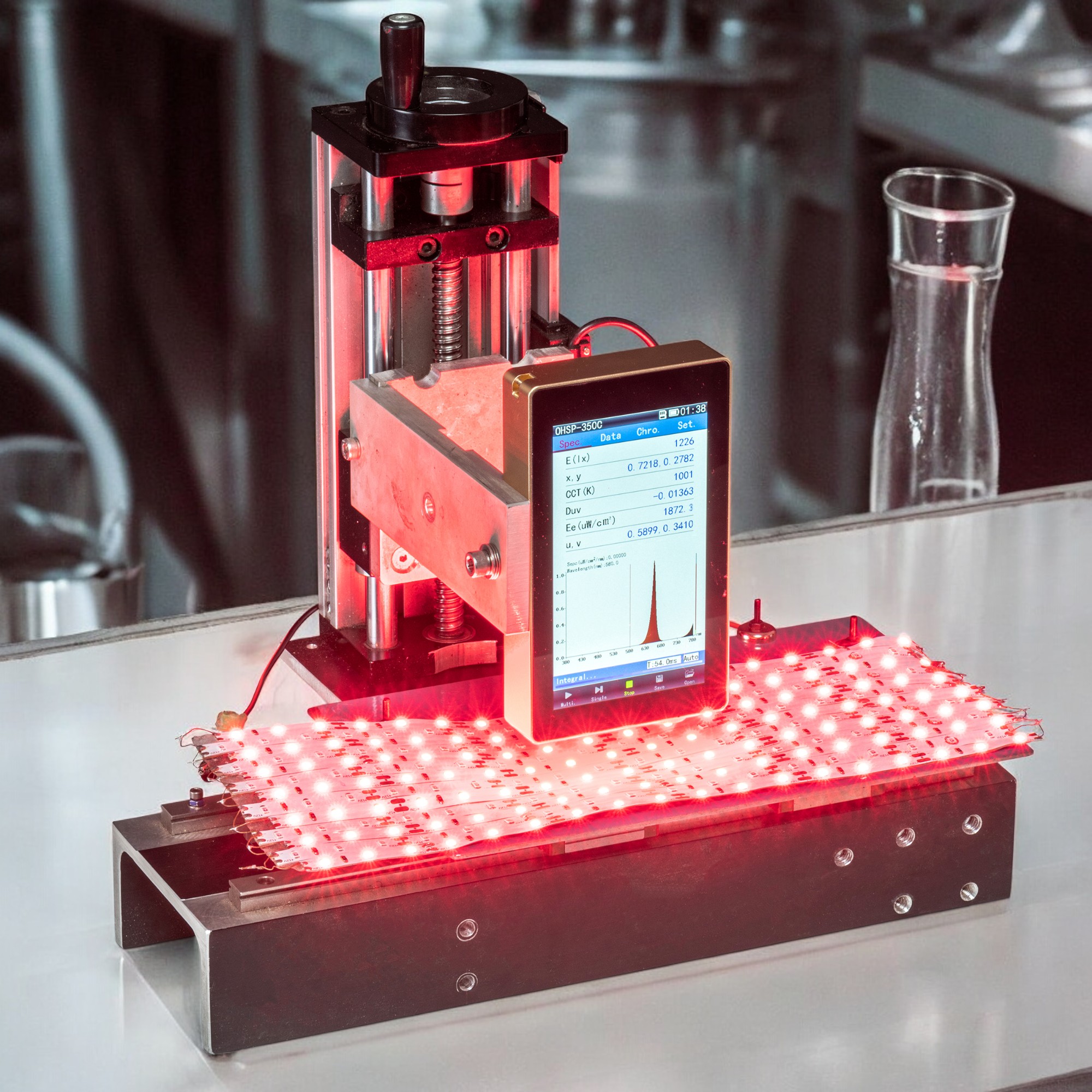
The Spectral WaveFront delivers 670 nm and 810 nm within non-thermal fluence ranges designed to support retinal mitochondrial metabolism and oxidative-balance pathways. The Kim et al. findings reinforce that low-fluence 670 nm PBM is well tolerated in retina-compromised populations—consistent with WaveFront’s targeted mechanism profile.
More information here
Editor’s note: Retinal PBM mechanisms relevant to diabetic macular edema include mitochondrial optimization and reduction of oxidative injury. Foundational neuroprotection data are shown in Eells 2003 and Albarracin 2011. Human functional improvement with 670 nm PBM is reported in Grewal 2020, and single-exposure contrast enhancement effects are described in Shinhmar 2021. For wavelength and dose-window alignment with the Spectral WaveFront, see our WaveFront Evidence Alignment.