Condition focus: Retinal Pigment Epithelium Function & Drusen Clearance
Retinal pigment epithelium phagocytic dysfunction contributes to age-related macular degeneration pathogenesis, with impaired clearance of photoreceptor outer segments and accumulation of lipofuscin and drusen. This in vitro study investigated whether 670 nm near-infrared light could enhance phagocytic capacity in human RPE cells. Cultured ARPE-19 cells were exposed to 670 nm LED treatment followed by challenge with fluorescently-labeled photoreceptor outer segments, with phagocytic uptake quantified through fluorescence microscopy and flow cytometry at multiple time points.
Results demonstrated that 670 nm treatment significantly increased RPE phagocytic activity, with treated cells showing 25-40% greater uptake of photoreceptor outer segments compared to untreated controls. The enhancement was dose-dependent with optimal effects at specific energy densities. Mechanistic analysis revealed that photobiomodulation increased cellular ATP levels and enhanced expression of phagocytosis-related proteins including integrin αvβ5 and MerTK receptors. Mitochondrial membrane potential was elevated in treated cells, correlating with improved phagocytic function. These findings establish that 670 nm light can restore or enhance a critical RPE function that declines with age and in AMD, suggesting photobiomodulation may improve waste clearance and reduce drusen accumulation through metabolically-driven enhancement of cellular housekeeping functions.
WaveFront Alignment:
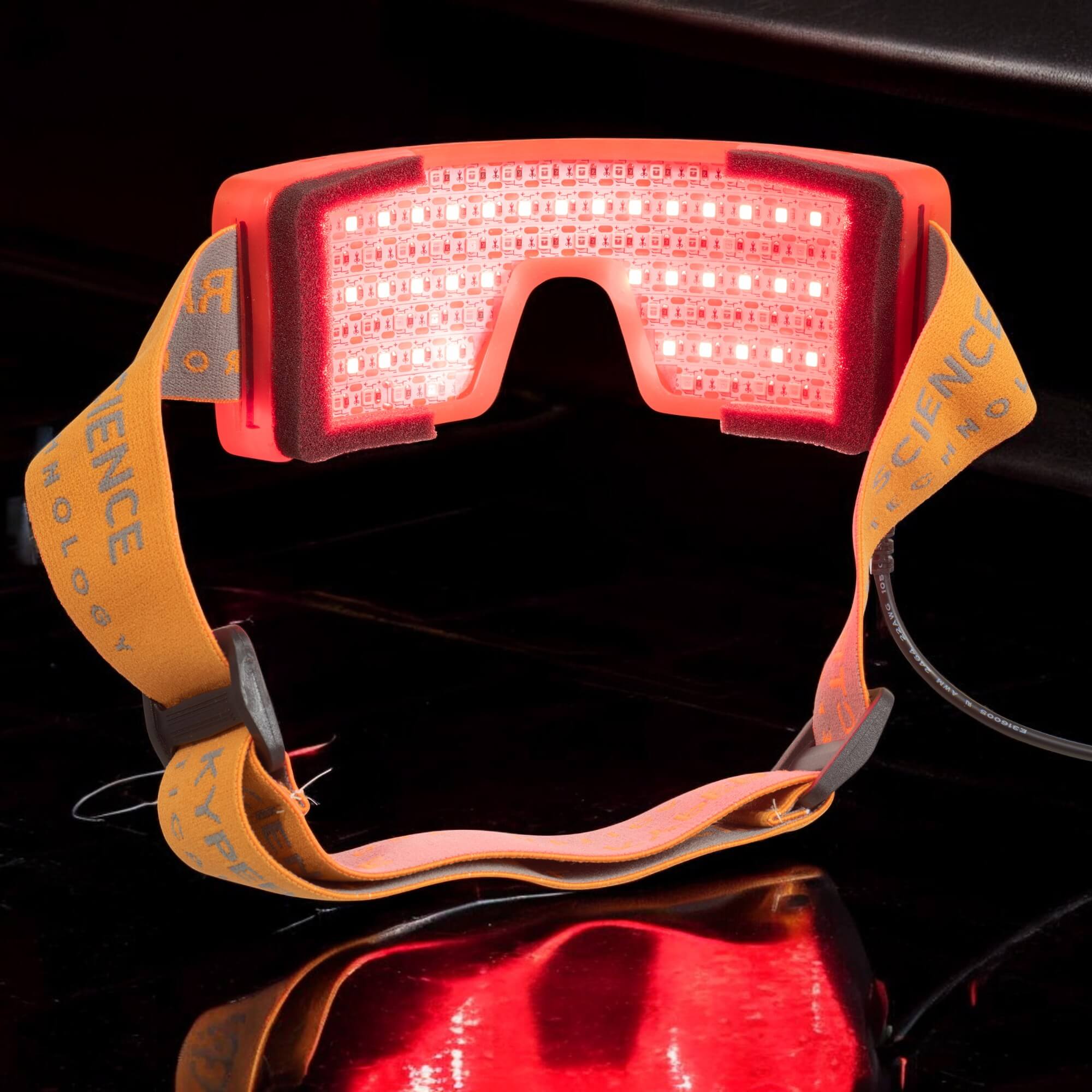
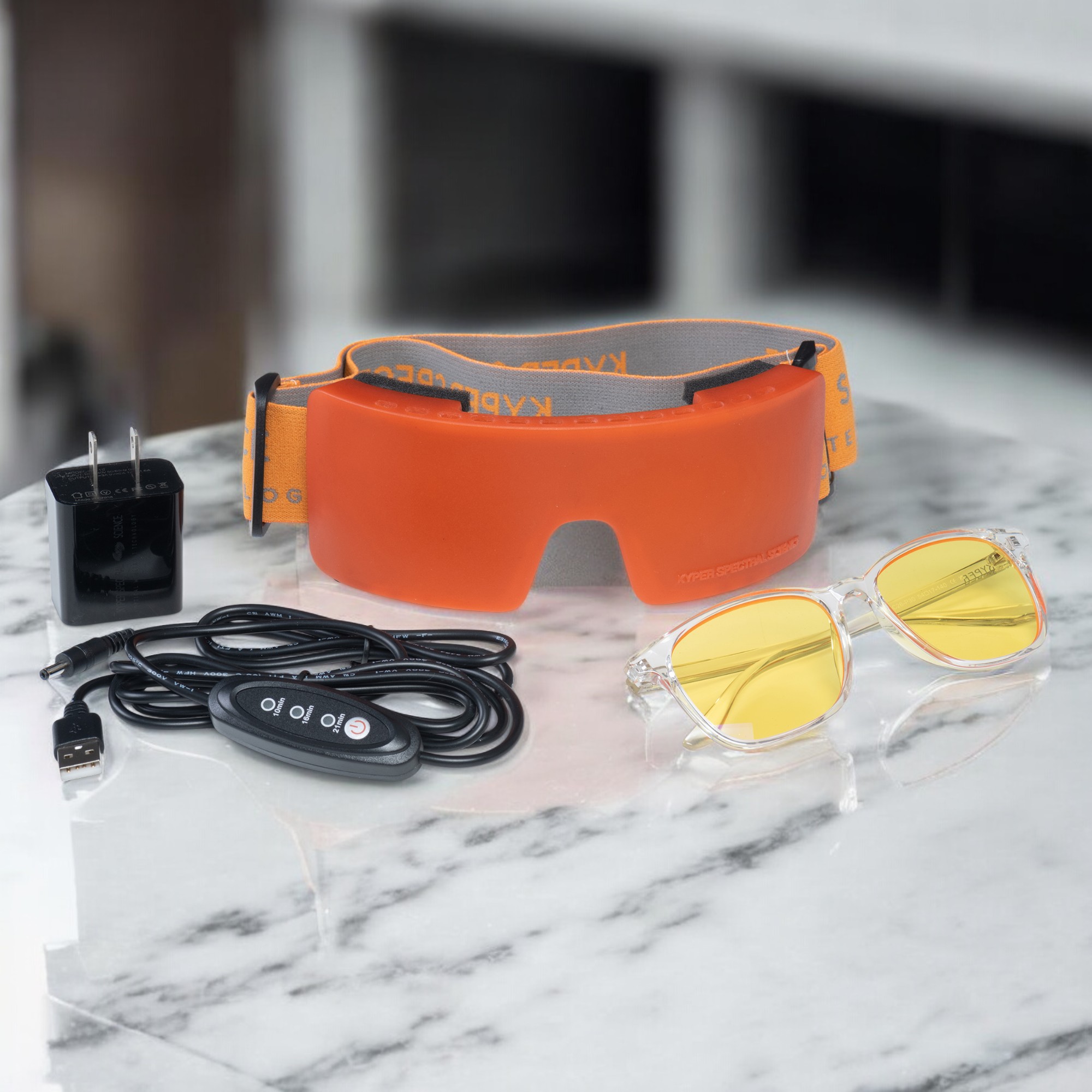
Fuma’s demonstration that 670 nm enhances RPE phagocytic capacity provides mechanistic support for the Spectral WaveFront’s multi-pathway AMD benefits, addressing not only metabolic support but also critical waste clearance functions that prevent drusen accumulation.
Read full article here
Editor’s note: Fuma 2015 establishes 670 nm enhancement of RPE phagocytosis, critical for drusen prevention. For related RPE mitochondrial function, see Feher 2006 and Calaza 2015. Multi-hallmark therapeutic context appears in Rodriguez-Santana 2013. ATP enhancement mechanisms in Gkotsi 2014. For wound healing and tissue repair context, see Koev 2011.
Related Articles
- Mitochondrial Alterations of RPE in AMD – Feher 2006
- Mitochondrial Decline in CFH Knockout Corrected by NIR – Calaza 2015
- Laser PBM as Multi-Hallmark Therapy for AMD – Rodriguez-Santana 2013
- Recharging Mitochondrial Batteries in Old Eyes – Gkotsi 2014
- He-Ne Laser for Corneal Trauma Treatment – Koev 2011
Key Takeaways
- 670 nm treatment increased RPE phagocytic activity by 25-40% versus untreated controls
- Enhancement was dose-dependent with increased ATP levels and phagocytosis-related receptor expression
- Elevated mitochondrial membrane potential correlated with improved phagocytic function
- Demonstrates photobiomodulation can restore critical RPE housekeeping function that declines in AMD
Study Overview
| Study Type: | In vitro mechanistic research |
| Wavelength(s): | 670 nm (near-infrared) |
| Treatment Protocol: | LED treatment of cultured ARPE-19 cells with photoreceptor outer segment uptake assay |
| Sample Size: | Human RPE cell cultures with fluorescence microscopy and flow cytometry |
| Primary Outcome: | 25-40% increased phagocytic uptake with enhanced ATP and receptor expression |
Full Citation
Fuma S, et al. (2015). Photobiomodulation with 670 nm light increased phagocytosis in human retinal pigment epithelial cells. Lasers Med Sci, 30(8):2279-2287. View Publication