Condition focus: Retinal Diseases & LED-Based Photobiomodulation
As photobiomodulation transitions from laser-based to LED-based delivery systems, understanding LED-specific applications, advantages, and limitations becomes critical for clinical implementation. This review examined LED photobiomodulation applications across retinal diseases, analyzing treatment protocols, clinical outcomes, safety profiles, and practical considerations for LED versus laser delivery. The analysis synthesized evidence from clinical trials using LED devices for age-related macular degeneration, diabetic retinopathy, retinal degeneration, and other conditions to evaluate LED-based photobiomodulation’s therapeutic potential.
The review established that LED-based photobiomodulation offers several advantages over laser systems: broader beam coverage allowing full retinal treatment without scanning, reduced thermal risk due to lower power density, improved patient comfort, cost-effectiveness, and greater accessibility for home-based treatment. Clinical studies demonstrated comparable or superior outcomes with LED delivery across multiple conditions. LED wavelength specificity (particularly 630-670 nm) proved adequate for therapeutic mitochondrial stimulation through cytochrome c oxidase activation. Safety profiles showed no adverse effects with appropriate dosing parameters. However, the review noted challenges including less precise dosimetry control compared to lasers, greater wavelength bandwidth potentially reducing specificity, and need for standardized LED treatment protocols. The analysis concluded that LED-based systems represent a practical, safe, and effective photobiomodulation delivery platform suitable for widespread clinical adoption and patient self-administration.
WaveFront Alignment:
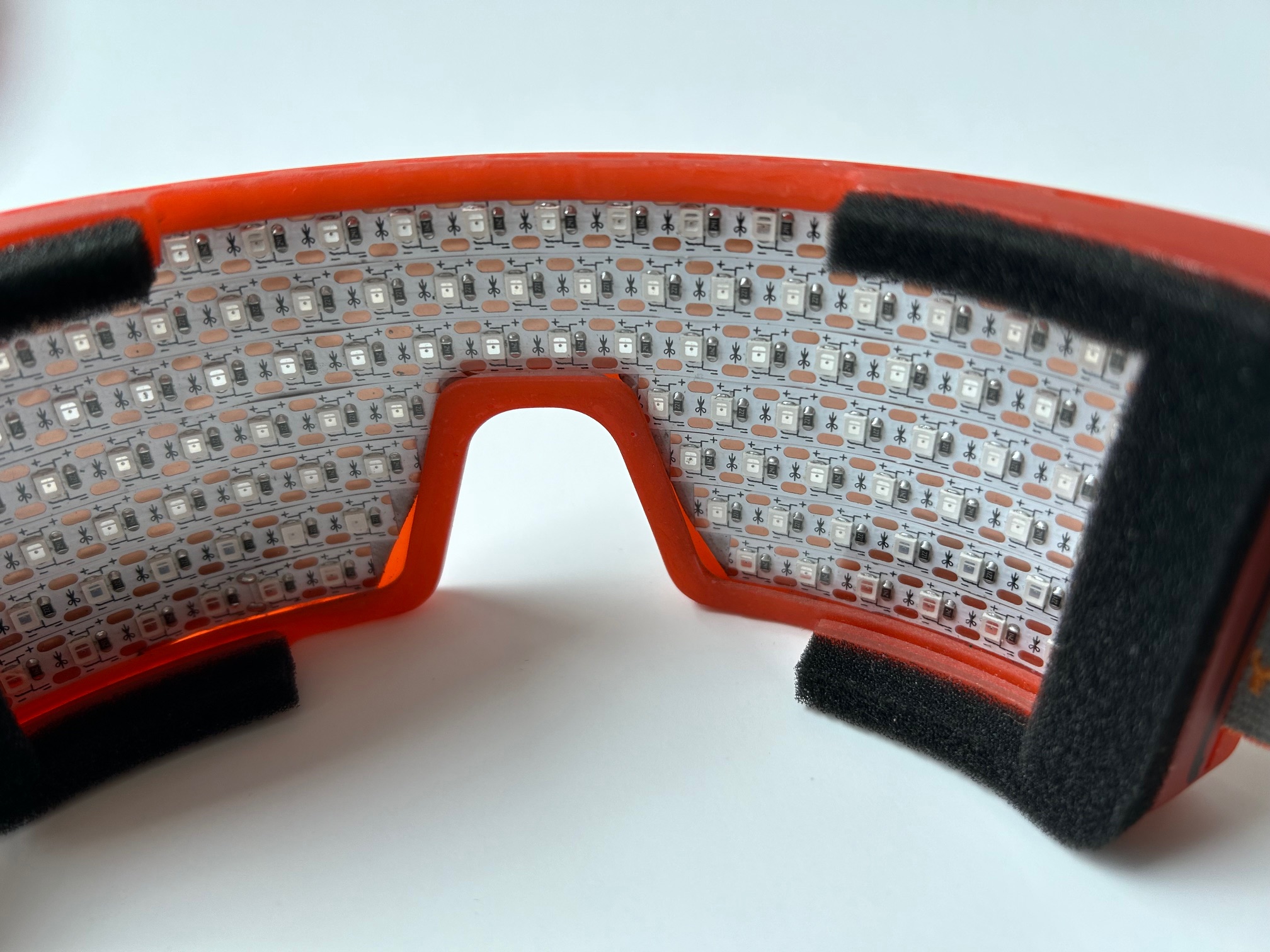
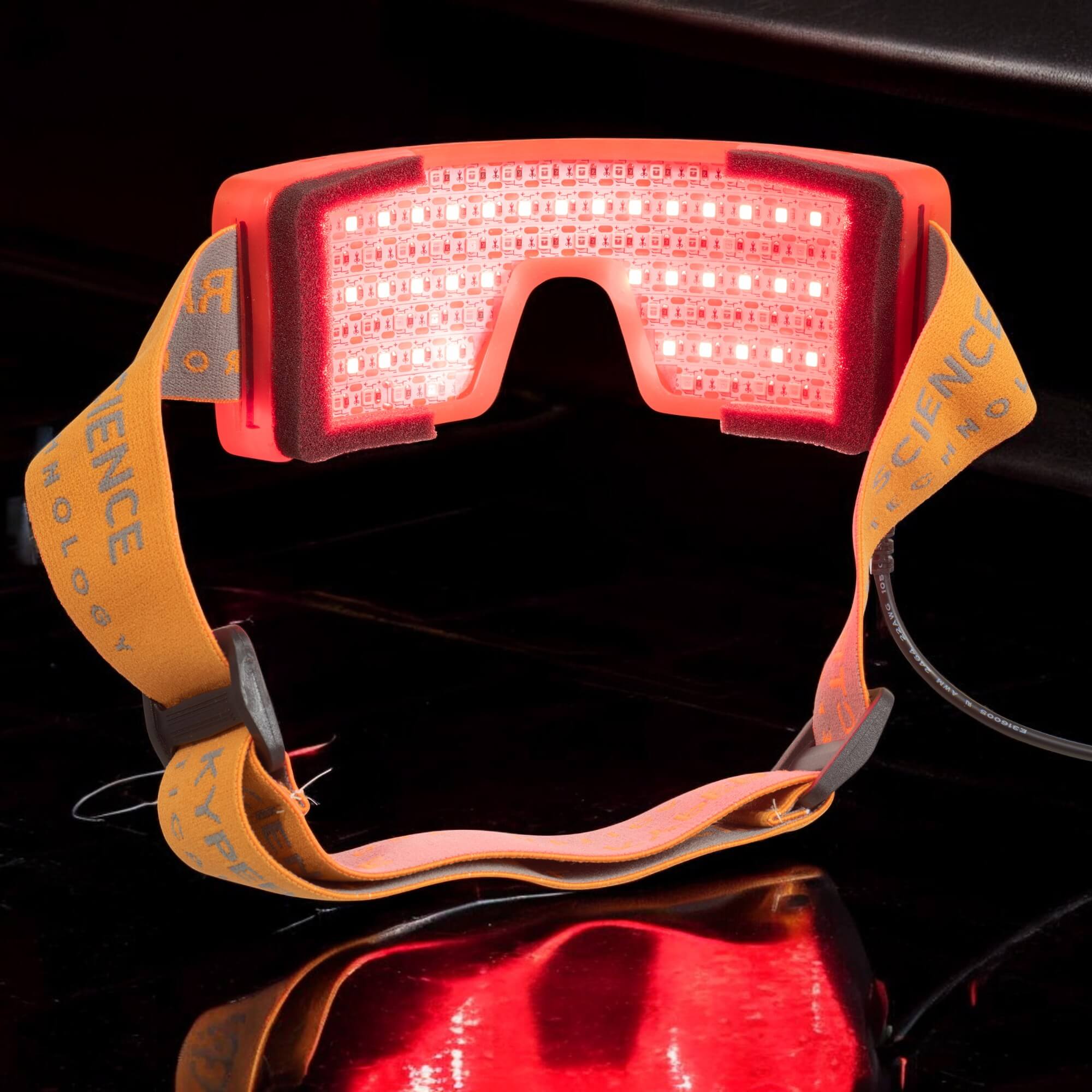
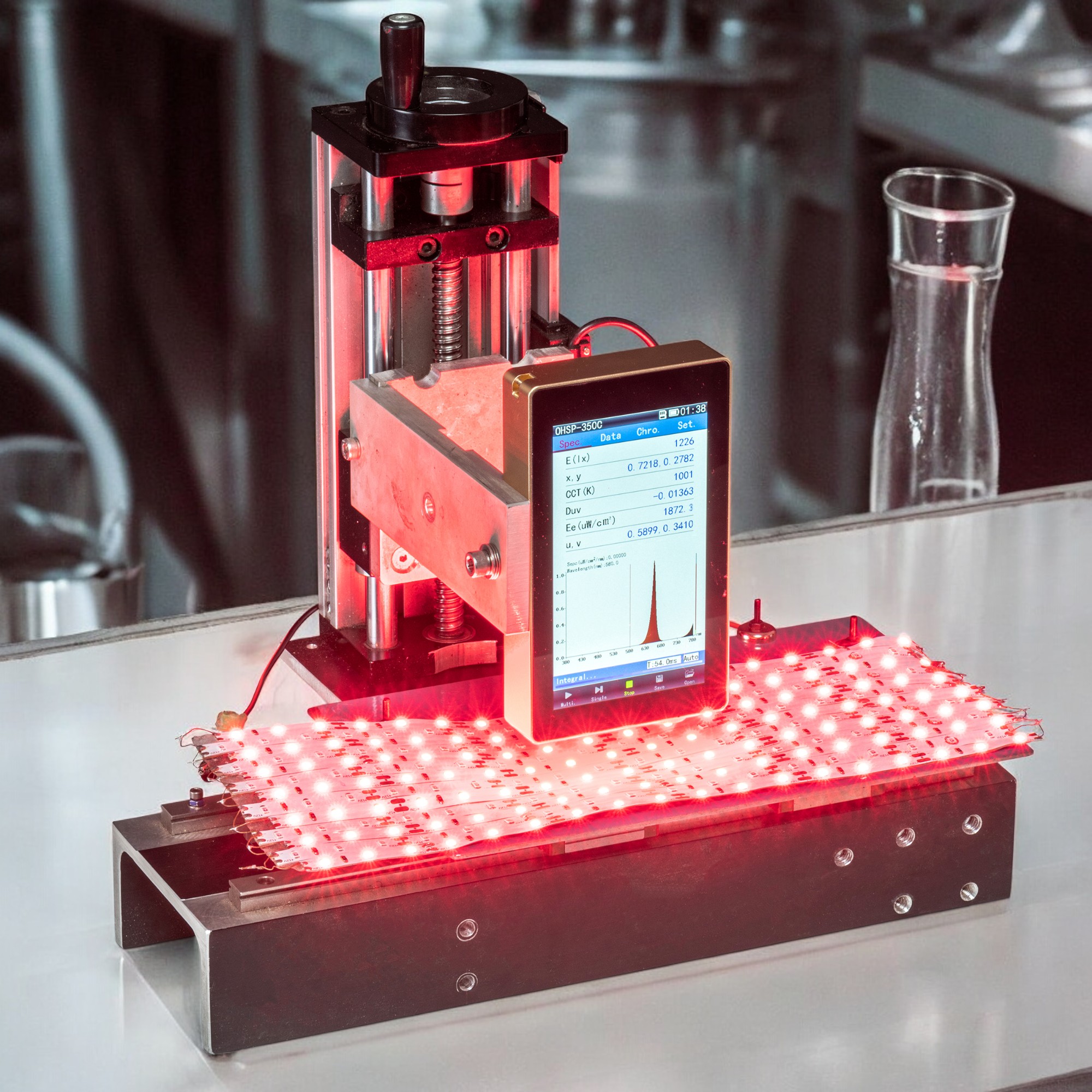
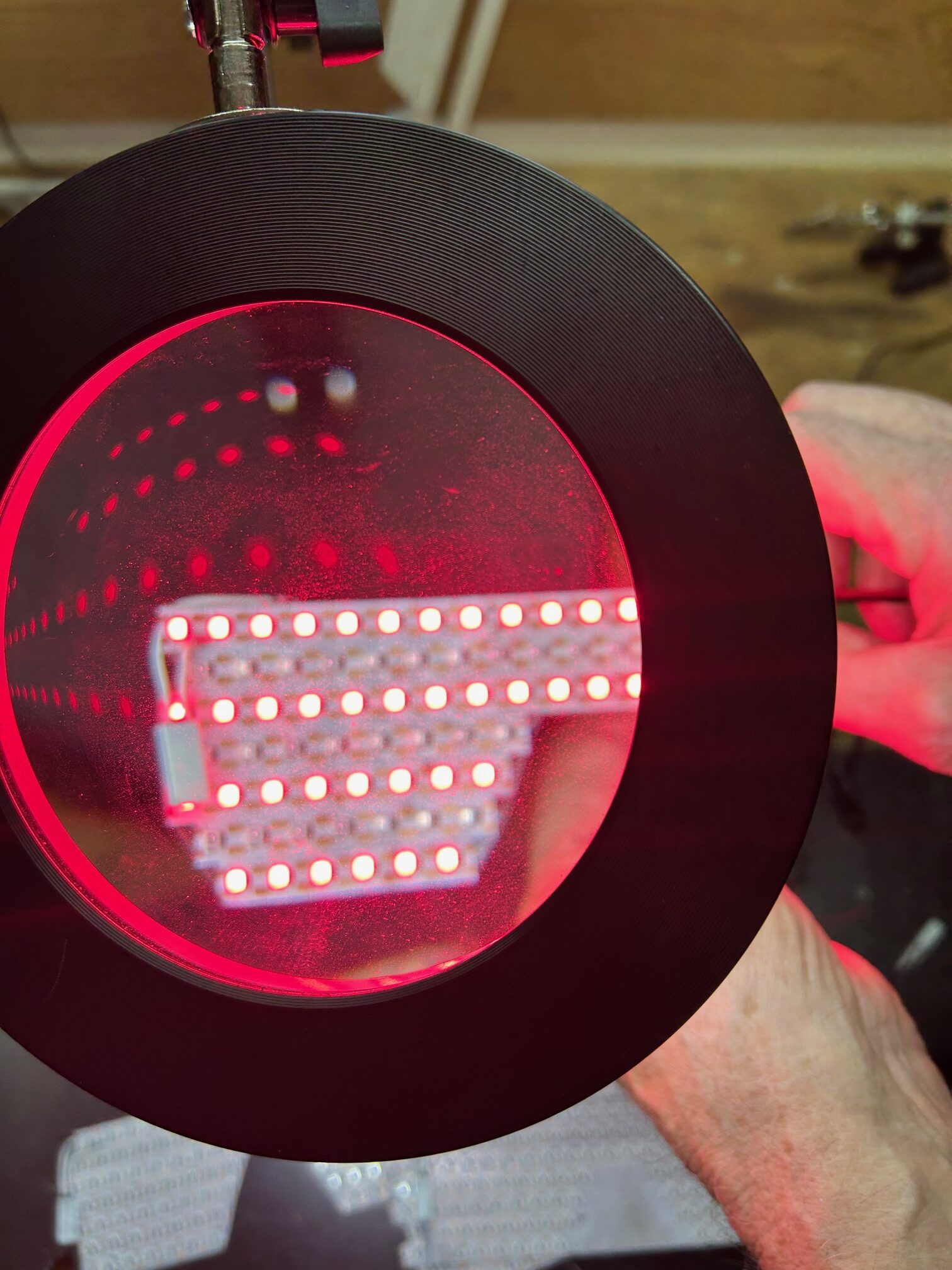
Siqueira’s validation of LED-based photobiomodulation delivery directly supports the Spectral WaveFront’s LED platform selection, confirming that LED systems provide therapeutic efficacy comparable to lasers with practical advantages for patient accessibility and home-based treatment.
Read full article here
Editor’s note: Siqueira 2024 validates LED-based photobiomodulation for retinal diseases. For related comprehensive reviews, see Valter 2024 and Garg 2024. Earlier LED applications appear in Goo 2023. Mechanistic foundations in Beirne 2017 and Eells 2016.
Related Articles
- Photobiomodulation Use in Ophthalmology – Valter 2024
- PBM in Ophthalmology: Comprehensive Review – Garg 2024
- Anti-Inflammatory Effect of Multi-Wavelength LED – Goo 2023
- Photostimulation of Mitochondria for Retinal Neurodegeneration – Beirne 2017
- Near-Infrared Photobiomodulation in Retinal Injury and Disease – Eells 2016
Key Takeaways
- LED-based photobiomodulation offers broader coverage, reduced thermal risk, improved comfort, and cost-effectiveness versus lasers
- Clinical outcomes comparable or superior to laser delivery across multiple retinal conditions
- LED wavelength specificity (630-670 nm) adequate for therapeutic mitochondrial stimulation
- Safety profiles excellent; LED systems suitable for widespread clinical adoption and home-based treatment
Study Overview
| Study Type: | Review (LED delivery platform) |
| Wavelength(s): | Primarily 630-670 nm LED |
| Treatment Protocol: | Analysis of LED-based clinical trials across retinal diseases |
| Sample Size: | Multi-study LED platform synthesis |
| Primary Outcome: | LED delivery validated as practical, safe, effective platform for clinical photobiomodulation |
Full Citation
Siqueira RC. (2024). Photobiomodulation using light-emitting diode (LED) for treatment of retinal diseases. Adv Exp Med Biol, 1428:245-251. View Publication