Condition focus: General Retinal PBM & Photoreceptor Health
Photobiomodulation refers to the process in which wavelengths of light are absorbed by intracellular photoacceptors, resulting in the activation of signaling pathways that culminate in biological changes within the cell. PBM is the result of low-intensity light-induced reactions in the cell in contrast to thermal photoablation produced by high-intensity lasers. PBM has been effectively used in the clinic to enhance wound healing and mitigate pain and inflammation in musculoskeletal conditions, sports injury, and dental applications for many decades. In the past 20 years, experimental evidence has shown the benefit of PBM in increasing numbers of retinal and ophthalmic conditions.
More recently, preclinical findings in ocular models have been translated to the clinic with promising results. This review discusses the preclinical and clinical evidence of the effects of PBM in ophthalmology and provides recommendations for the clinical use of PBM in the management of ocular conditions.
WaveFront Alignment:
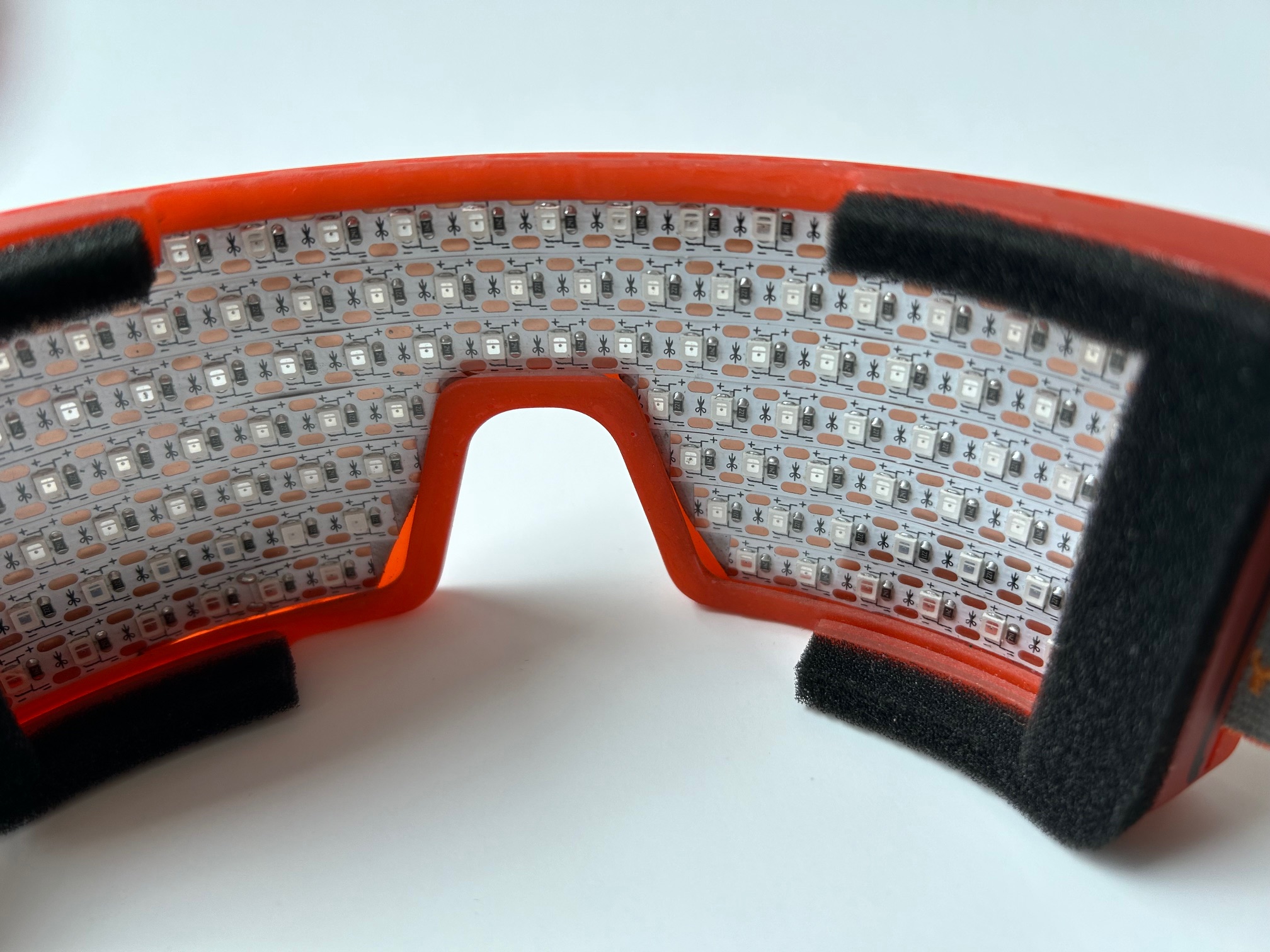
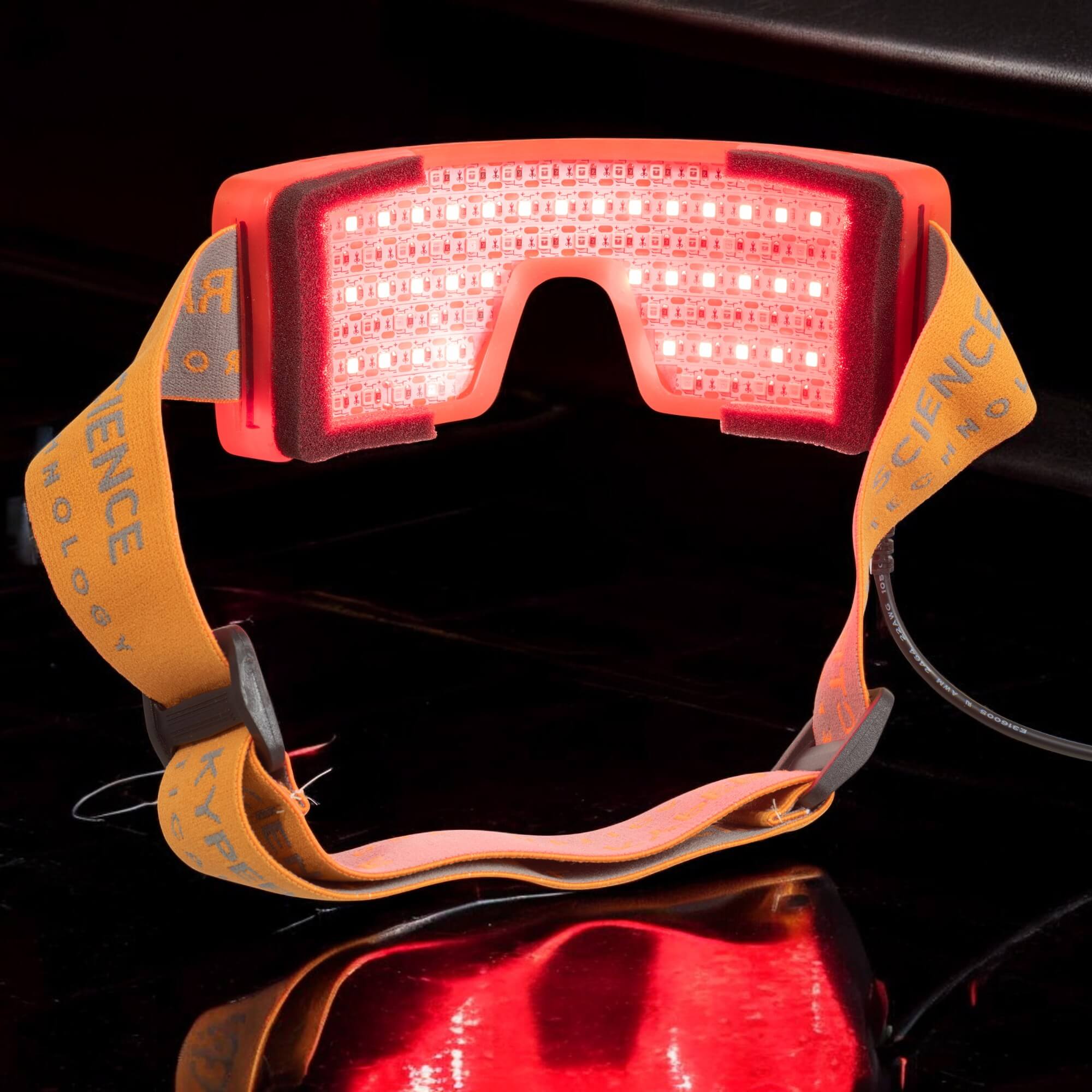
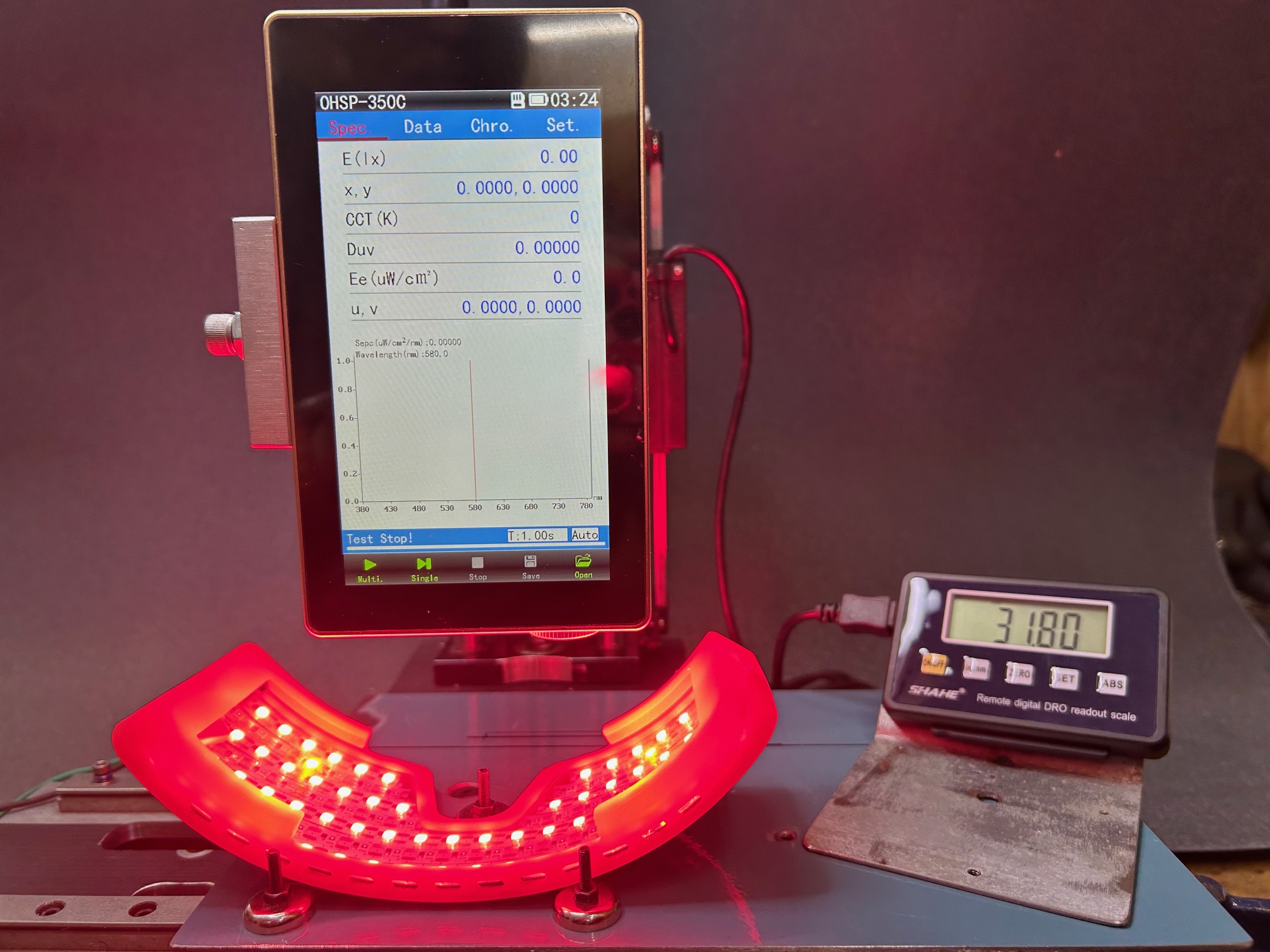
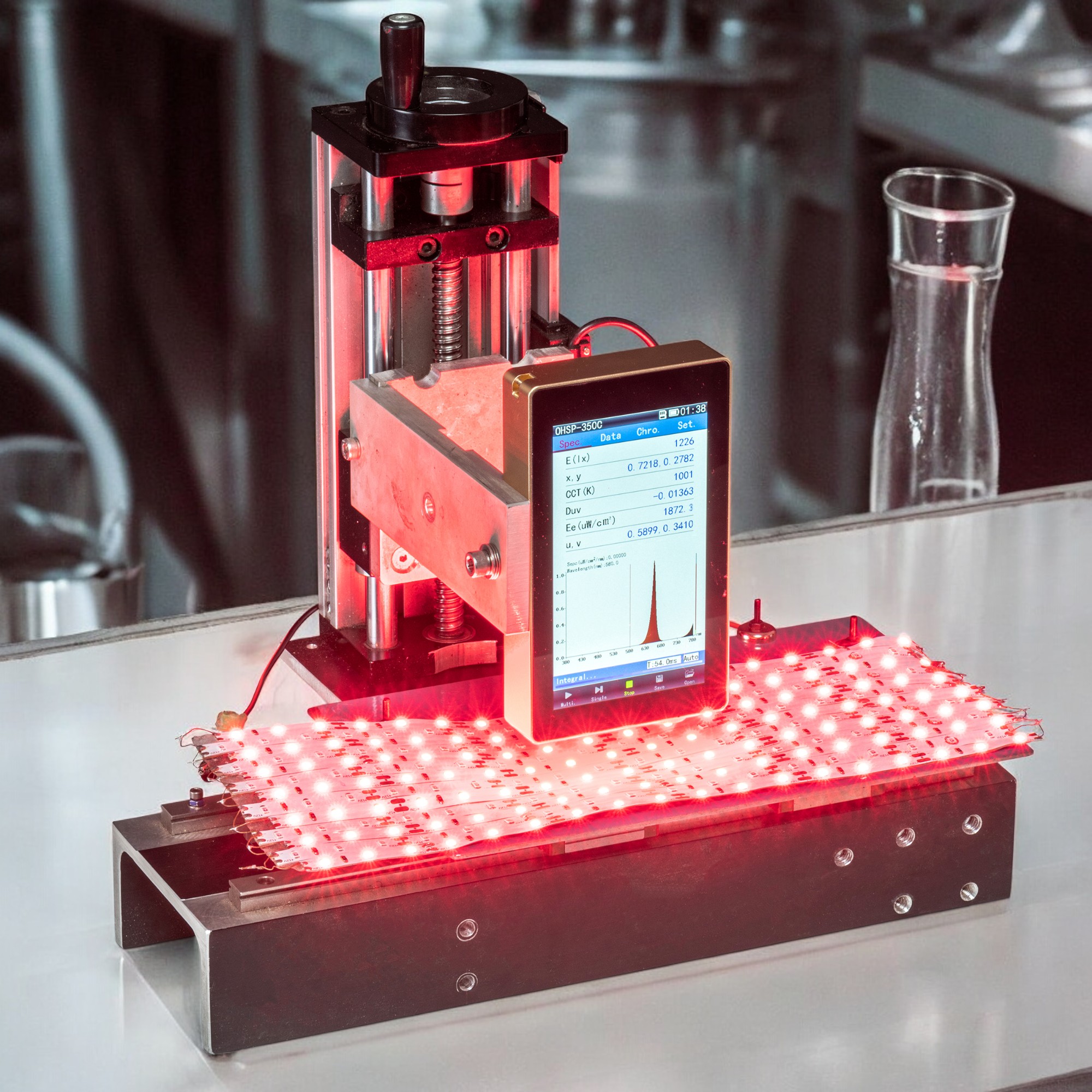
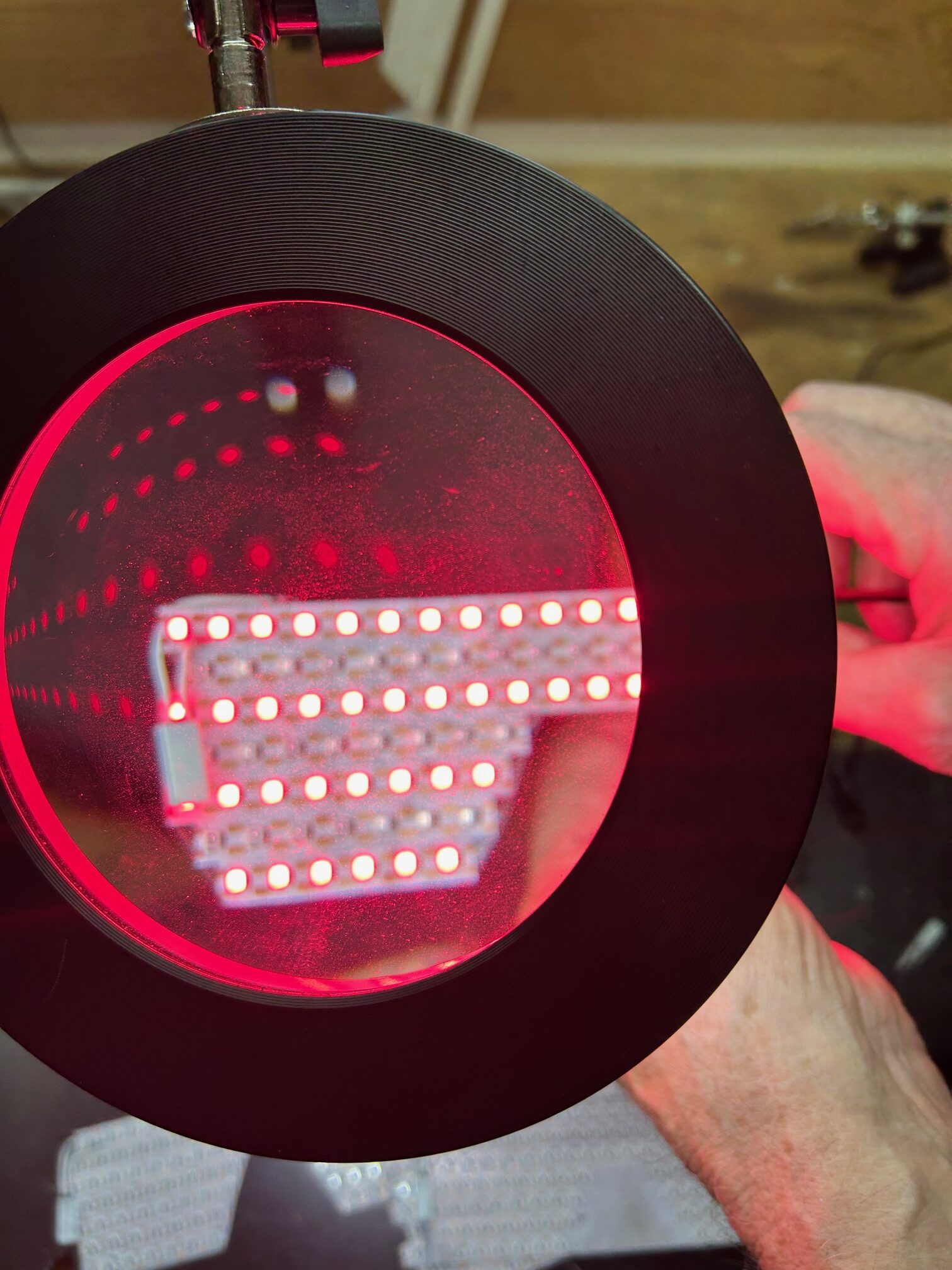
This review supports the core rationale for dual-wavelength PBM targeting mitochondrial and oxidative pathways. The Spectral WaveFront uses 670 nm and 810 nm in a non-thermal ocular geometry designed to overlap with the cellular targets highlighted across the translational evidence summarized by Valter et al.
Editor’s note: Valter et al. provide a translational overview of retinal photobiomodulation, from preclinical protection of photoreceptors to early human functional data. Preclinical protection against photoreceptor loss is shown in Eells 2003 and Albarracin 2011. Human retinal functional change with 670 nm PBM is reported in Grewal 2020. For comprehensive bench-to-bedside context, see Garg 2024. For wavelength and energy alignment with the Spectral WaveFront’s 670 nm and 810 nm parameters, see our WaveFront Evidence Alignment.
Related Articles
- Therapeutic PBM for Methanol-Induced Retinal Toxicity – Eells 2003
- PBM Protects Photoreceptors from Light-Induced Degeneration – Albarracin 2011
- Evaluating the Effects of 670 nm PBM in Healthy Aging and AMD – Grewal 2020
- PBM in Ophthalmology: Bench-to-Bedside Research – Garg 2024
- Photobiomodulation: Innovation on the Horizon for Dry AMD – Rosen 2024
Key Takeaways
- PBM activates intracellular photoacceptors through low-intensity, non-thermal light interactions
- Two decades of experimental evidence support PBM benefits across multiple retinal and ophthalmic conditions
- Preclinical photoreceptor protection has successfully translated to early human functional improvements
- The review provides clinical recommendations for PBM use in ocular disease management
Study Overview
| Study Type: | Translational review |
| Wavelength(s): | Multiple wavelengths discussed (primarily red and near-infrared) |
| Treatment Protocol: | Review of preclinical and clinical protocols |
| Sample Size: | Synthesis of 20+ years of research across animal models and human trials |
| Primary Outcome: | Comprehensive overview of PBM translation from bench to bedside in ophthalmology |
Full Citation
Valter K, Tedja M, Rutar M, et al. (2024). Photobiomodulation use in ophthalmology – an overview of translational research. Frontiers in Ophthalmology, 4:1388602. View Publication