Condition focus: Photoreceptor Health & Retinal Degeneration
Light-induced retinal damage models provide critical insights into photoreceptor vulnerability and potential neuroprotective strategies. This study investigated whether 670 nm near-infrared light pretreatment could protect photoreceptors from bright light-induced degeneration in rats. Animals received 670 nm LED treatment prior to exposure to damaging bright light, with retinal structure and function assessed using electroretinography and histological analysis at multiple time points post-injury.
Rats pretreated with 670 nm light demonstrated significantly preserved photoreceptor function and reduced cell death compared to light-damaged controls. Electroretinography showed maintained a-wave and b-wave amplitudes in treated animals, while untreated controls exhibited severe functional deficits. Histological examination revealed preservation of outer nuclear layer thickness and photoreceptor morphology in the 670 nm group. The protective effect was dose-dependent and required pretreatment timing. These findings establish that 670 nm photobiomodulation can precondition photoreceptors against oxidative stress and phototoxic injury through mitochondrial enhancement and antioxidant pathway activation.
WaveFront Alignment:
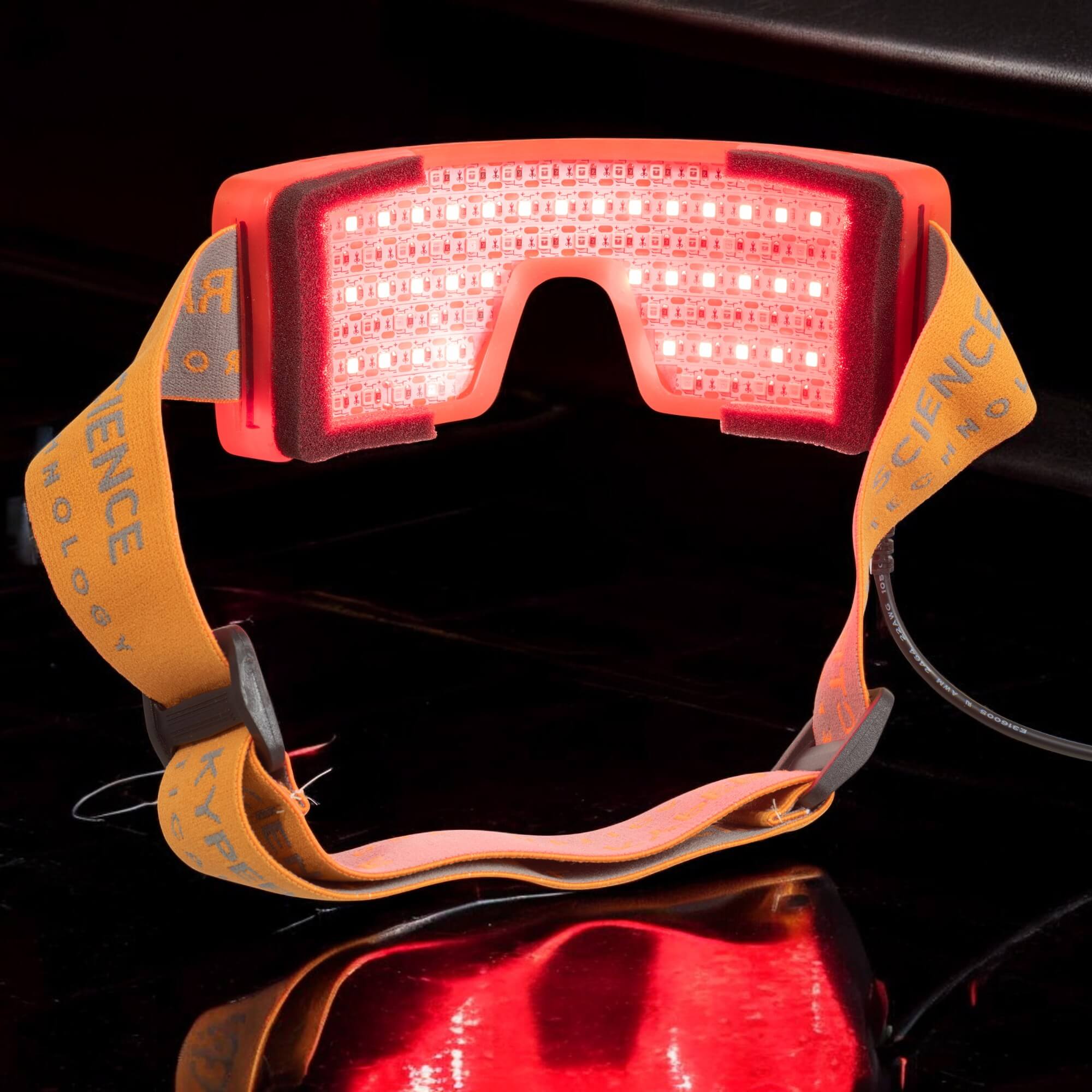
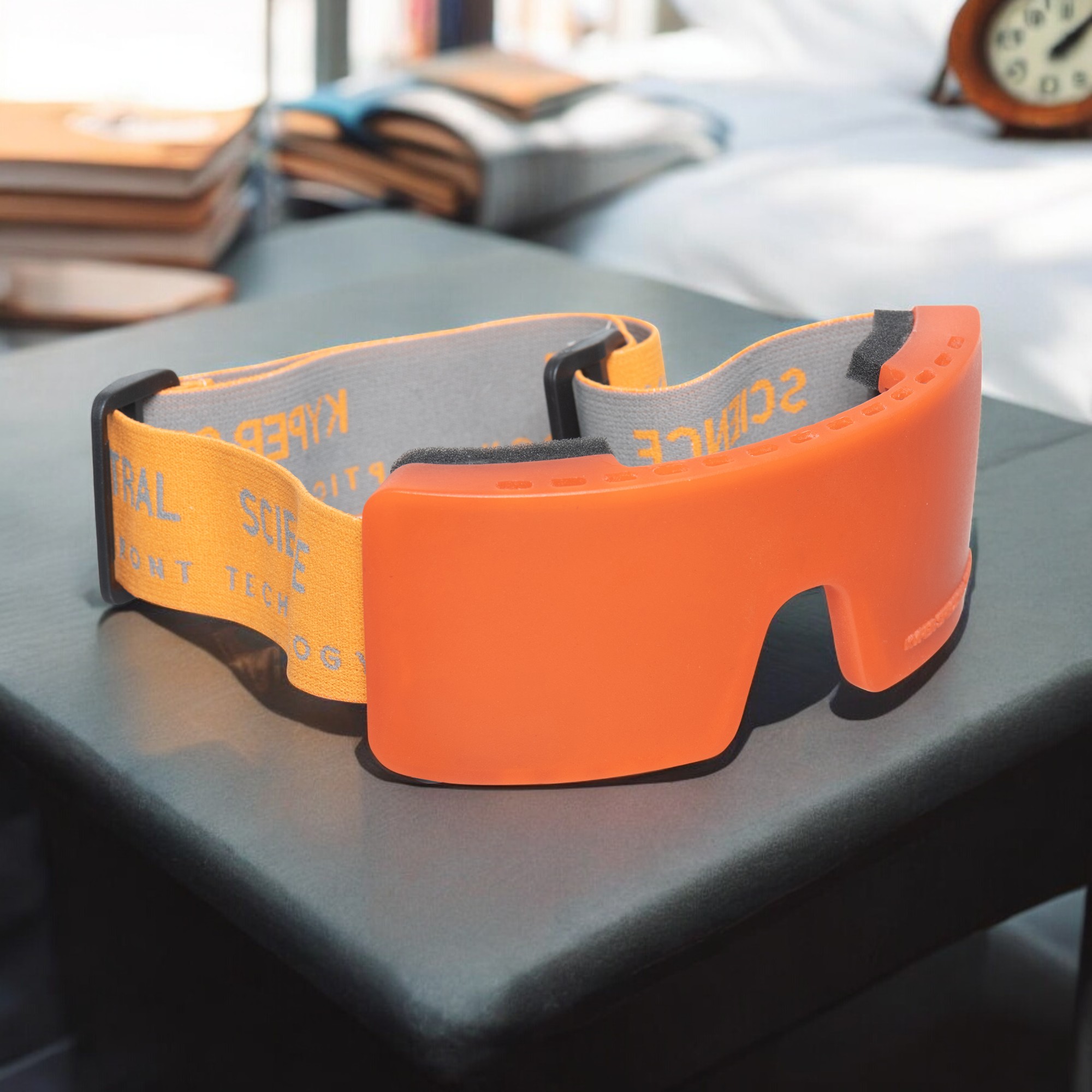
Albarracin’s demonstration that 670 nm pretreatment protects photoreceptors from light damage validates the Spectral WaveFront’s wavelength selection for retinal neuroprotection and supports its potential preventive applications in conditions involving photoreceptor vulnerability and oxidative stress.
Read full article here
Editor’s note: Albarracin 2011 establishes 670 nm photoreceptor protection from phototoxic injury. For related photoreceptor preservation, see Albarracin et al. 2011 (PLoS One) and Albarracin 2012. Wavelength comparison appears in Giacci 2014. Broader mechanistic context in Beirne 2017 and Rutar 2012.
Related Articles
- PBM Protects Photoreceptors from Light-Induced Degeneration – Albarracin 2011
- Treatment with 670 nm Light Protects Cone Photoreceptors – Albarracin 2012
- 670nm vs 830nm: Comparative Neuroprotection – Giacci 2014
- Photostimulation of Mitochondria for Retinal Neurodegeneration – Beirne 2017
- 670 nm Light Reduces Complement Propagation – Rutar 2012
Key Takeaways
- 670 nm pretreatment significantly preserved photoreceptor function and reduced cell death in light damage models
- Electroretinography showed maintained a-wave and b-wave amplitudes versus severe deficits in controls
- Histological analysis confirmed outer nuclear layer preservation and photoreceptor morphology maintenance
- Protective effect was dose-dependent and timing-specific, establishing preconditioning mechanism
Study Overview
| Study Type: | Animal model (light-induced retinal degeneration) |
| Wavelength(s): | 670 nm (near-infrared) |
| Treatment Protocol: | LED pretreatment prior to bright light exposure |
| Sample Size: | Rat models with functional and histological assessment |
| Primary Outcome: | Significant photoreceptor function and structure preservation versus light-damaged controls |
Full Citation
Albarracin R, Eells J, Valter K. (2011). Photobiomodulation protects the retina from light-induced photoreceptor degeneration. Invest Ophthalmol Vis Sci, 52(6):3582-3592. View Publication