Condition Focus: Bone Repair — Parameter Landscape and Novel Delivery Systems
This 2024 review from Lu and colleagues in Progress in Biophysics and Molecular Biology provides the broadest available survey of PBM parameters for bone repair. Covering wavelengths from 635 to 980 nm and energy densities up to 100 J/cm², the review maps the relationship between device specifications and bone-healing outcomes across fracture repair, bone defect regeneration, and bone remodeling studies.
Beyond the familiar cytochrome c oxidase (CCO) chromophore, the review discusses additional photon acceptors relevant to bone: TRP channels (transient receptor potential ion channels that respond to light and mediate calcium signalling), opsins (light-sensitive proteins previously thought to be limited to the visual system), and haemoglobin/myoglobin (oxygen-carrying proteins that absorb light and may contribute to local oxygen release). These multiple chromophores suggest that PBM’s effects on bone are mediated through several parallel pathways, not just the mitochondrial route.
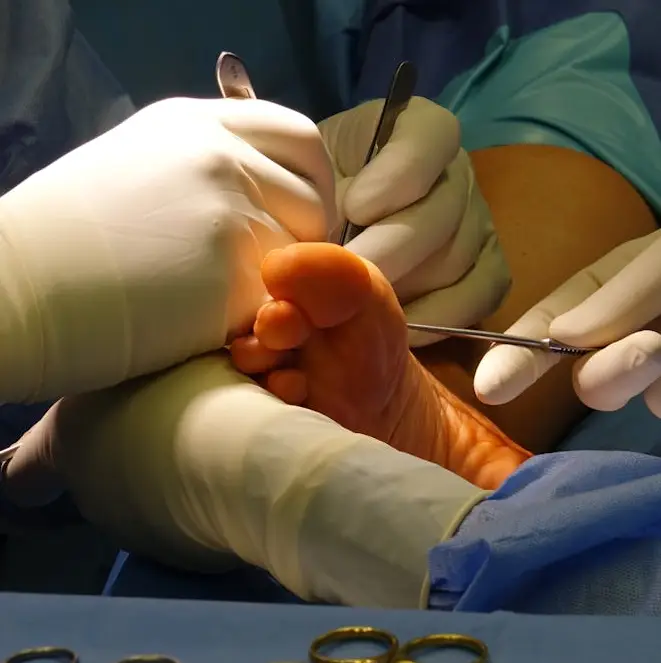
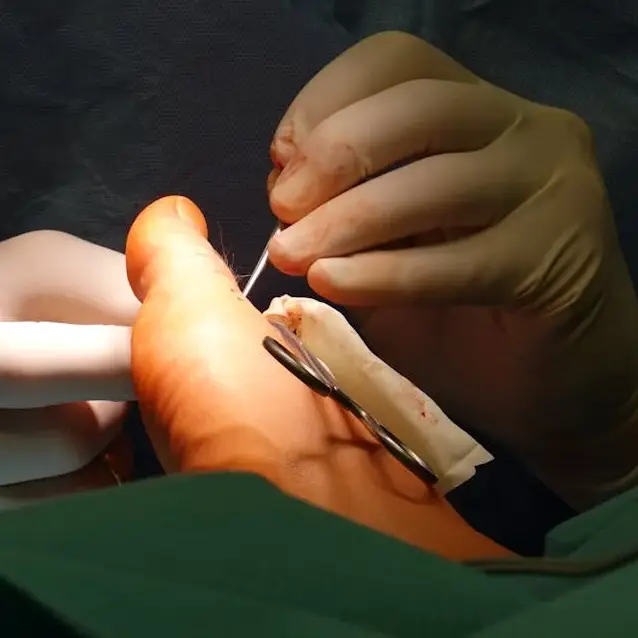
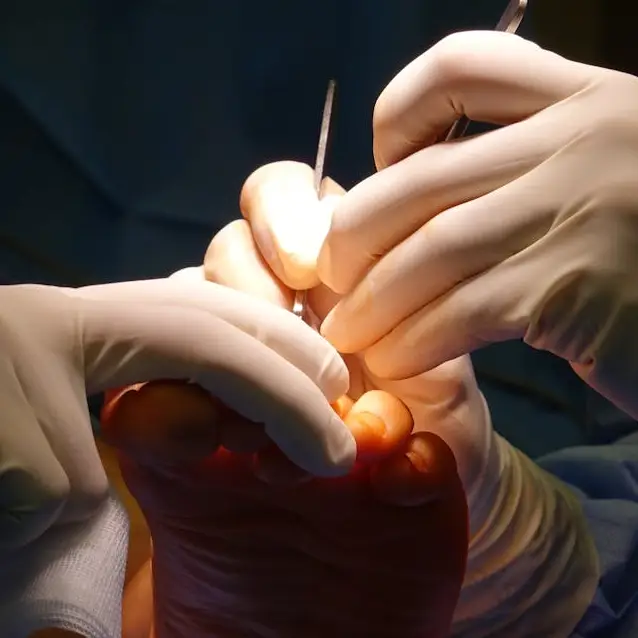
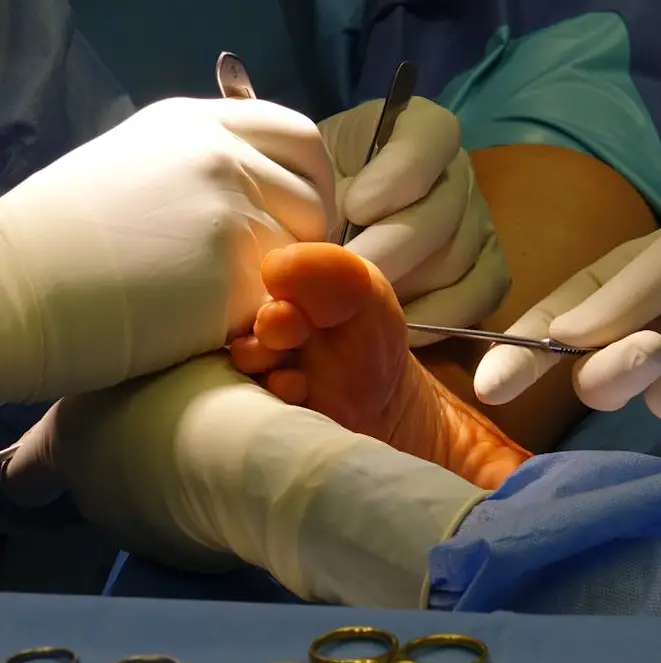
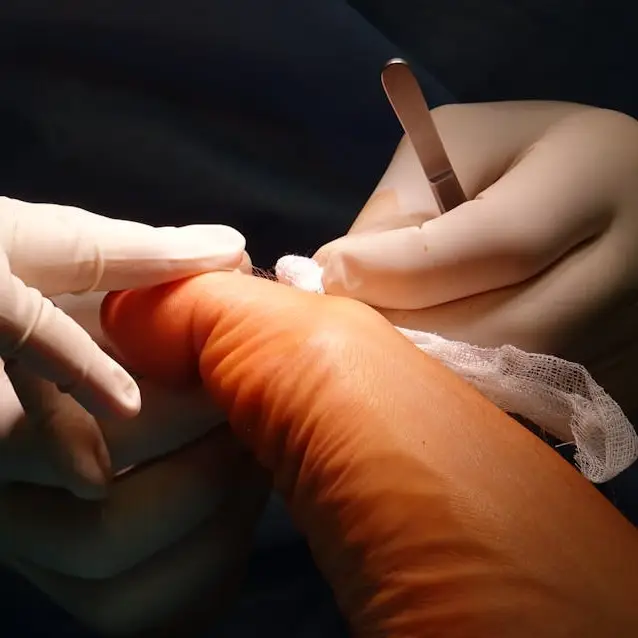
The review also covers novel delivery systems including needle-based intraosseous PBM and implantable biofibre optic systems. While these are clinical and surgical applications beyond the scope of a home-use device, they demonstrate the field’s confidence in PBM for bone repair — researchers are investing in increasingly sophisticated delivery methods because the biological effect is well-established.
For gout, the bone repair evidence addresses the chronic erosive component of the disease. Tophaceous deposits near joints cause pressure erosion, and inflammatory cytokines from repeated flares activate osteoclasts. Evidence that PBM supports bone repair at the cellular and tissue level provides the foundation for the G.O.A.T.’s potential role in protecting against progressive bone damage.
G.O.A.T. for Gout Alignment:
The G.O.A.T.’s 660 nm + 850 nm wavelengths fall within the most commonly studied range (635–980 nm) for bone repair. The multiple chromophore discussion confirms that both wavelengths have bone-relevant photon acceptors beyond CCO alone.
Link to original research here
Editor’s note: The bone protection mechanism at the cellular level is demonstrated in Hong et al 2022. The cell-type specific dosing that optimises bone outcomes is detailed in Na et al 2018. For the osteogenic stem cell activation that feeds into bone repair, see Miranda et al 2020. The broader connective tissue context is reviewed in Houreld et al 2022.
Related Articles
- PBM Effects on Bone Remodeling in Osteoblast-Osteoclast Co-Culture – Hong et al 2022
- Dose Analysis of PBM on Osteoblast, Osteoclast, and Osteocyte – Na et al 2018
- PBM in Proliferation/Differentiation of Stem Cells – Miranda et al 2020
- PBM, Cells of Connective Tissue and Repair – Houreld et al 2022
- Effect of PBM on MSC Differentiation and Proliferation – Ahrabi et al 2020
Key Takeaways
- Comprehensive parameter survey: 635–980 nm wavelengths, up to 100 J/cm² for bone repair
- Multiple chromophores beyond CCO: TRP channels, opsins, haemoglobin/myoglobin
- Novel delivery systems (needle, implantable fibre) reflect strong confidence in PBM for bone
- Addresses chronic erosive bone damage from tophaceous gout
Study Overview
| Study Type: | Comprehensive review |
| Wavelength(s): | 635–980 nm |
| Treatment Protocol: | Up to 100 J/cm² across reviewed studies |
| Sample Size: | Review of bone repair studies |
| Primary Outcome: | Parameter landscape for PBM-accelerated bone repair |
Full Citation
Lu P, et al. (2024). The role of photobiomodulation in accelerating bone repair. Progress in Biophysics and Molecular Biology, 188, 55–67. View Publication</a