Condition focus: Retinal Health, Dry Eye Disease, Corneal Recovery & Ocular Surface Metabolism
PBM has emerged as a promising modality in ophthalmology due to its potential benefits in managing various ocular conditions. For retinal diseases, PBM has shown promise in reducing inflammation, enhancing retinal cell survival, and improving visual function. In treating corneal and anterior segment disorders, PBM accelerates wound healing, alleviates dry eye symptoms, and potentially minimizes complications following refractive surgeries. The non-invasive nature of PBM, along with its ability to modulate inflammatory responses and expedite tissue repair, positions it as a valuable adjunctive therapy in ophthalmic care.
The integration of PBM into ophthalmic practice reflects a shift toward minimally invasive, drug-free treatments that can complement traditional therapeutic approaches. As the field of ophthalmology advances toward personalized and precision medicine, PBM’s ability to target specific cellular pathways and enhance treatment outcomes underscores its relevance and potential in modern ophthalmic care.
WaveFront Alignment:
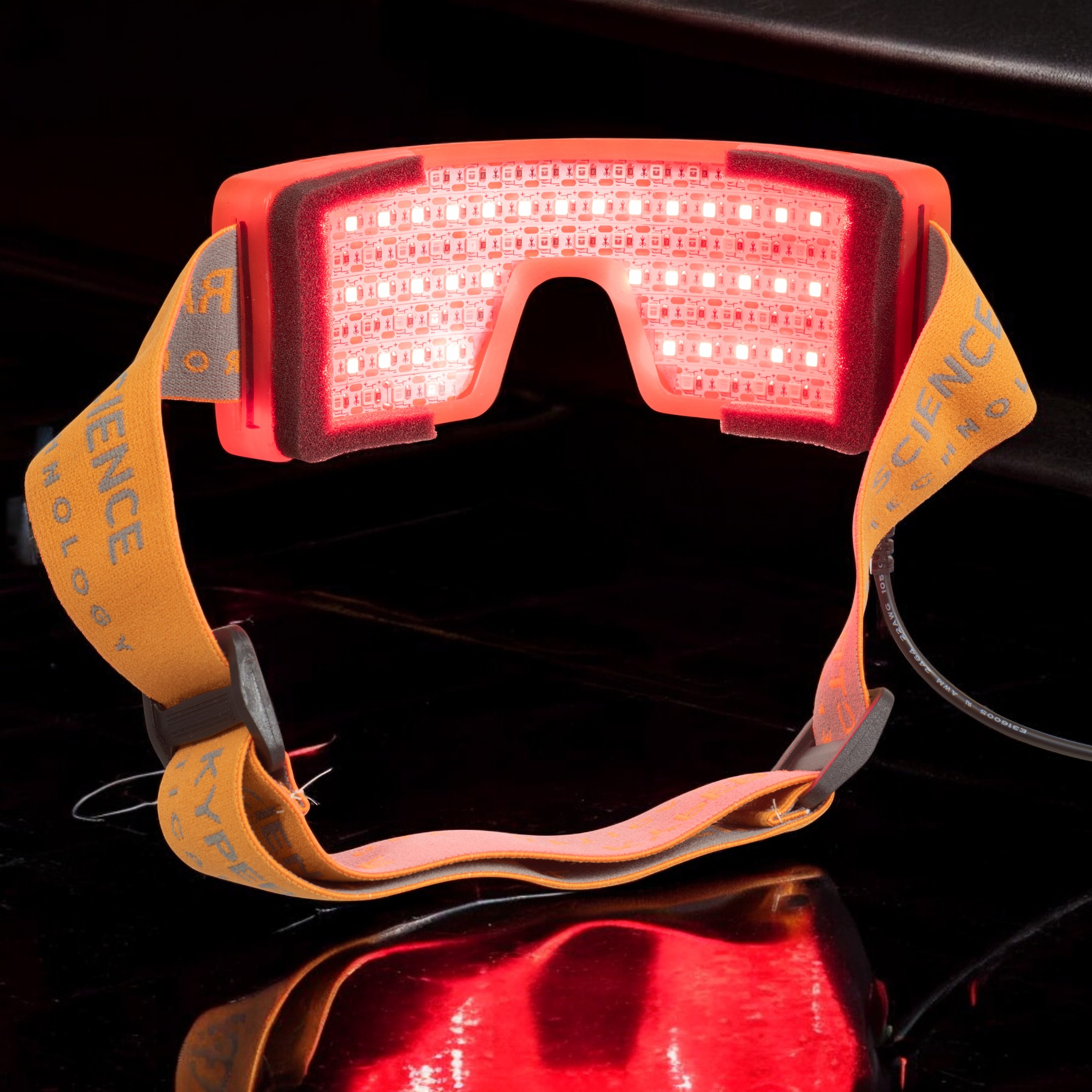
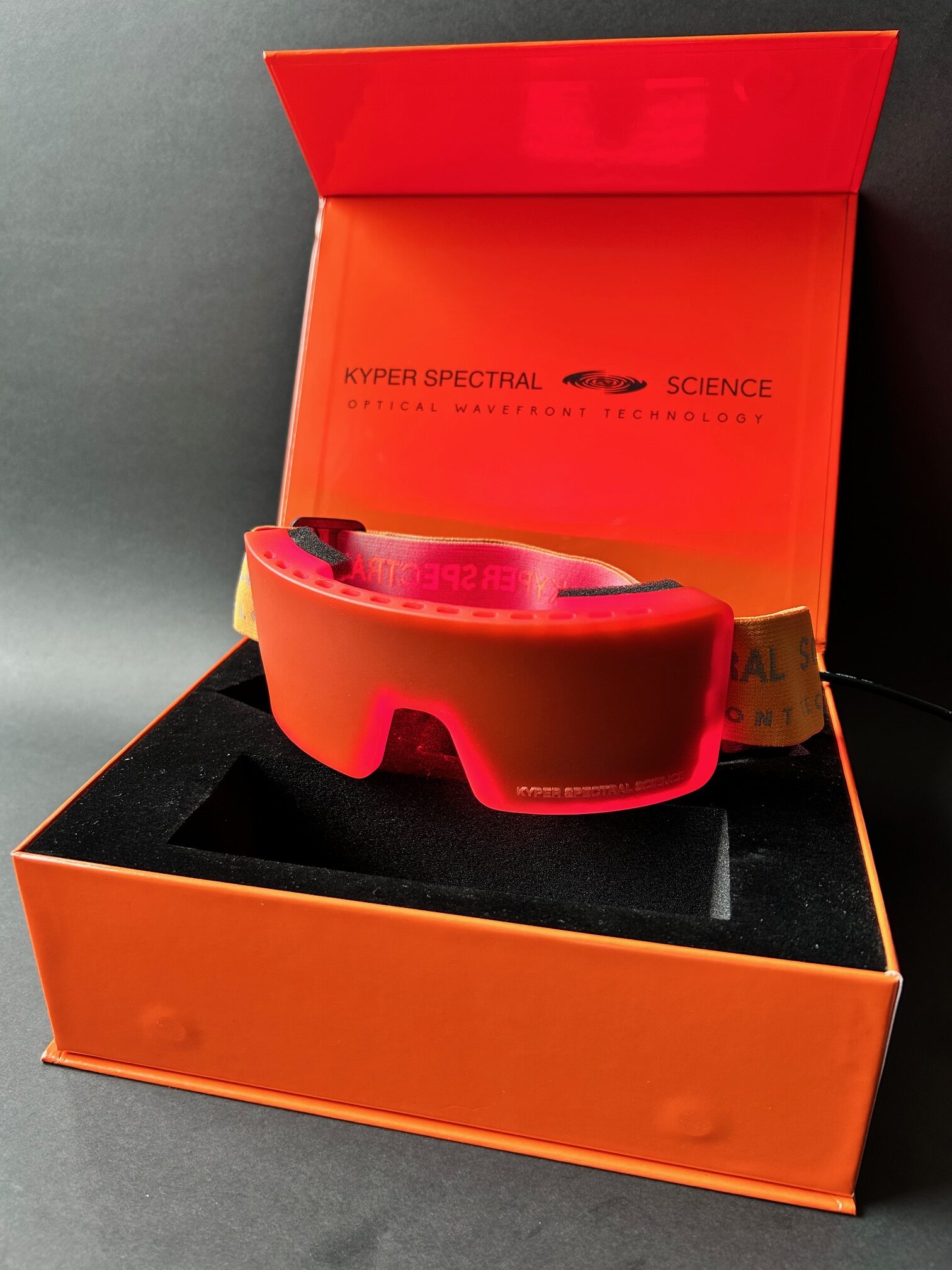
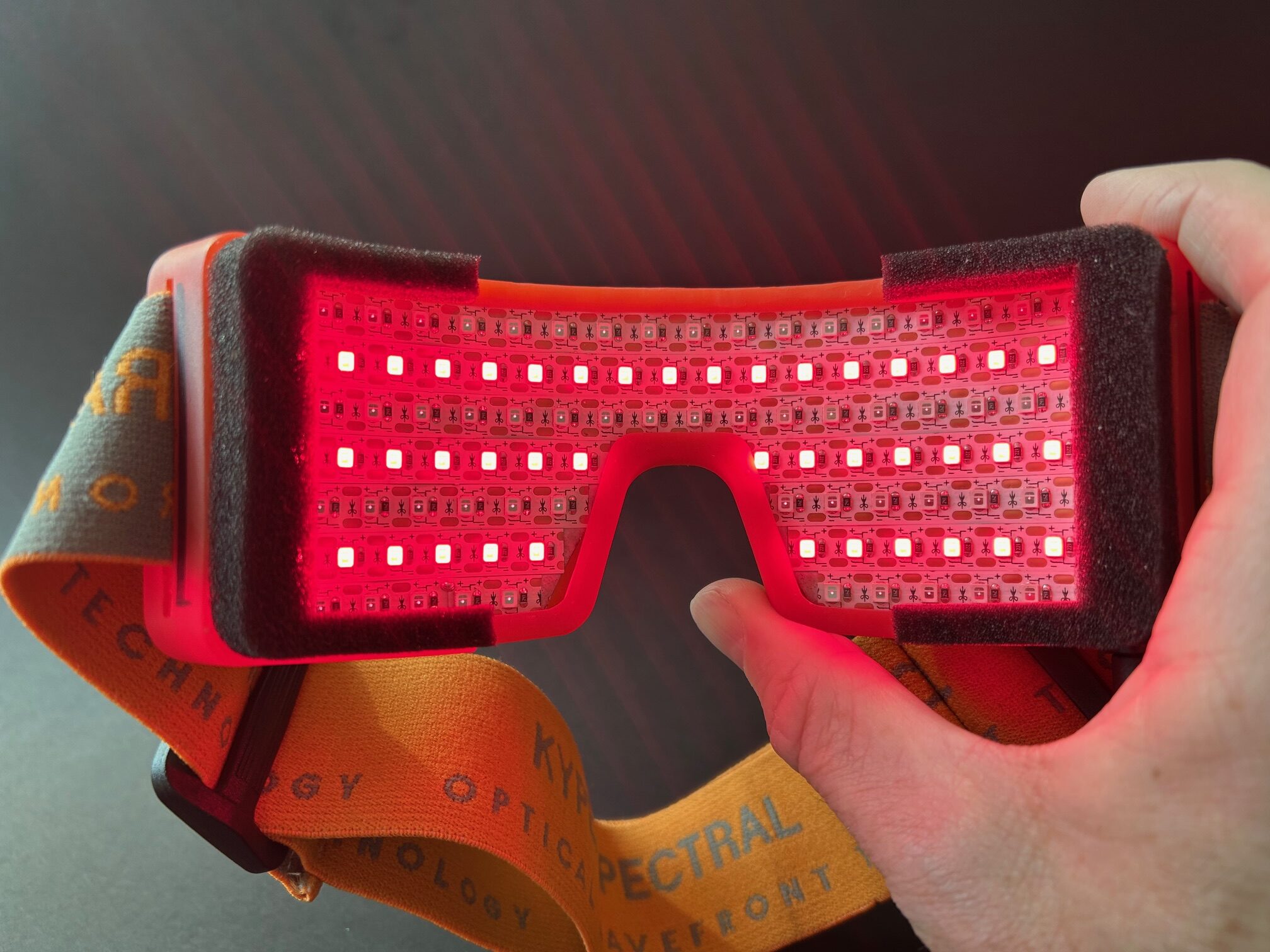
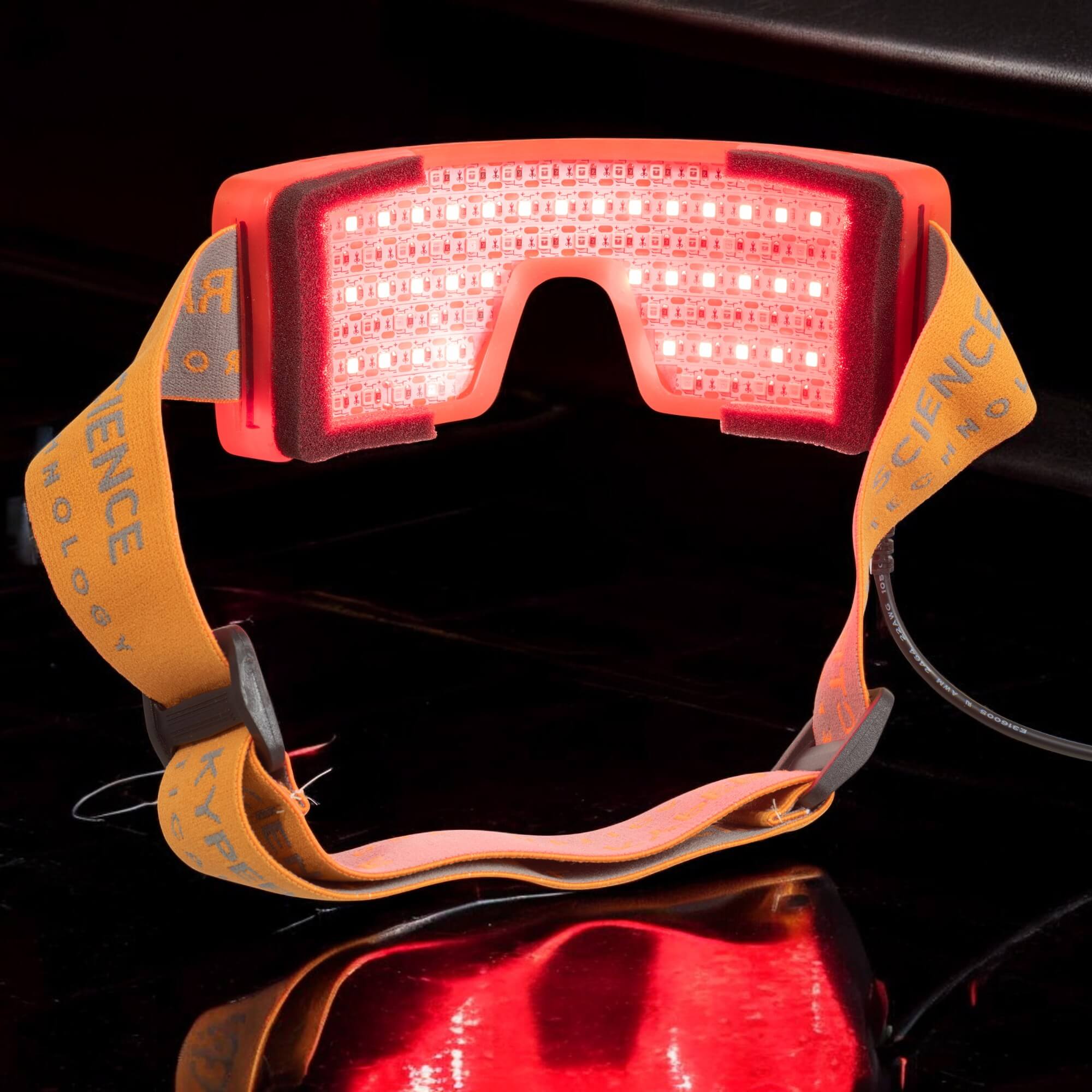
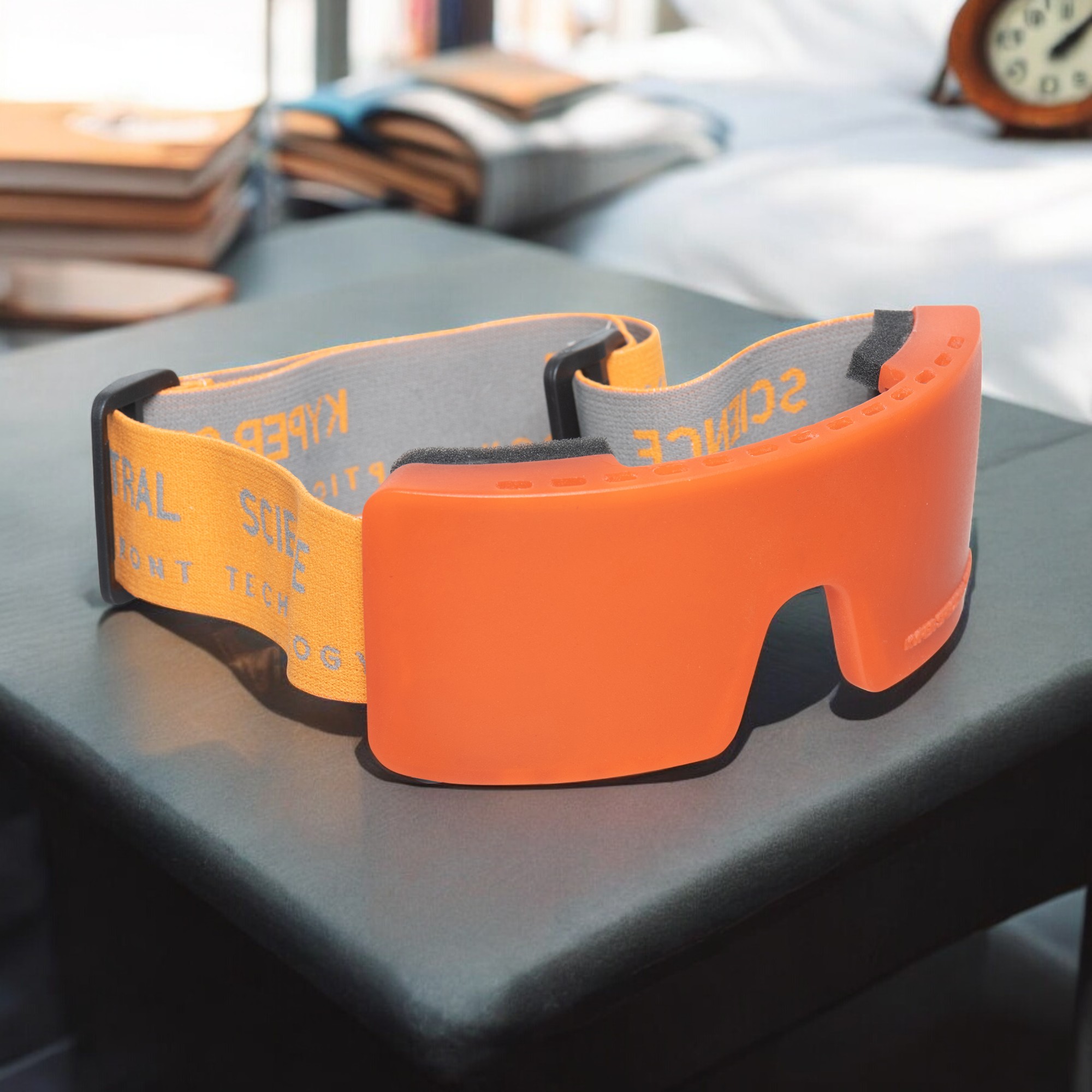
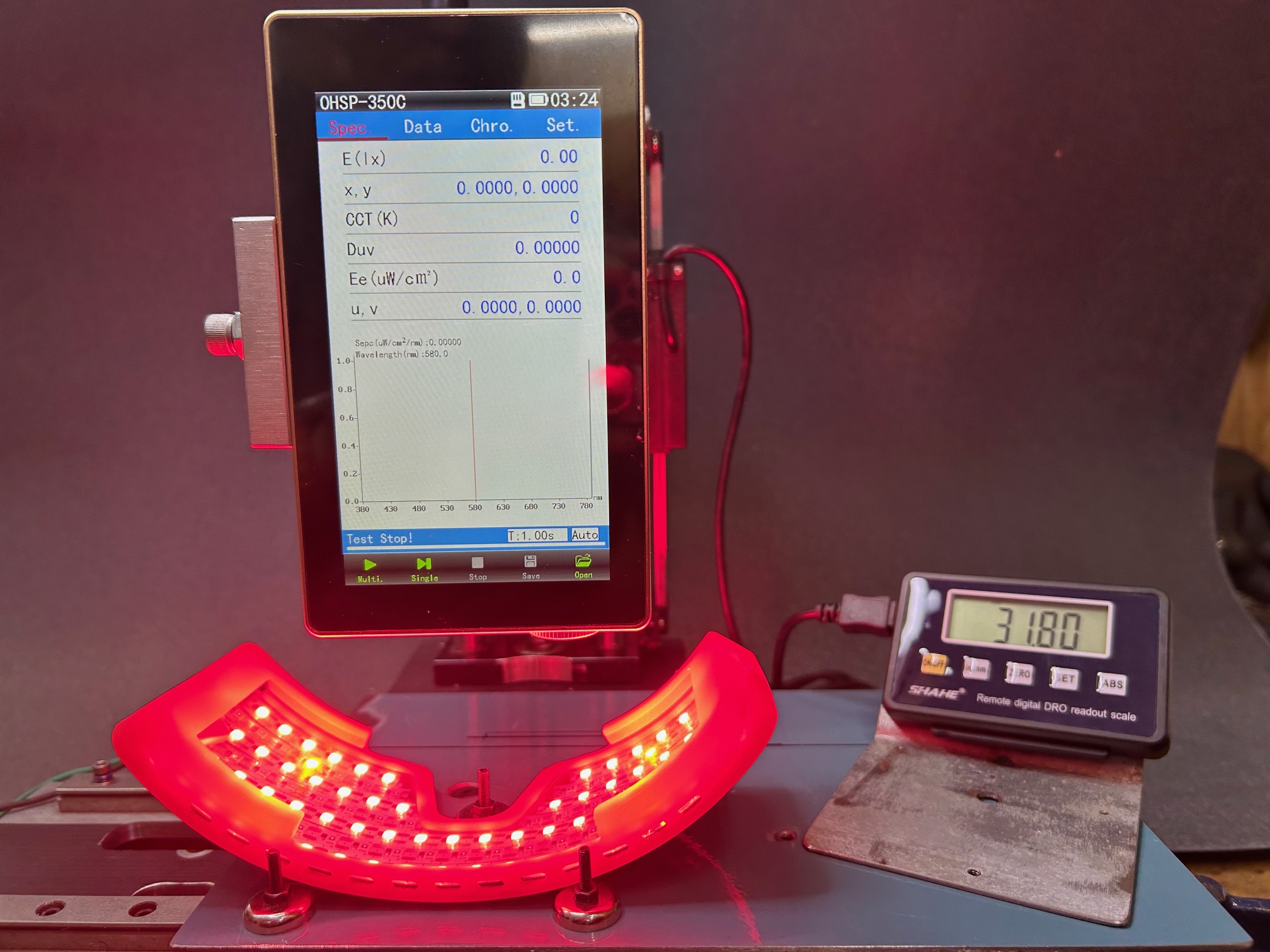
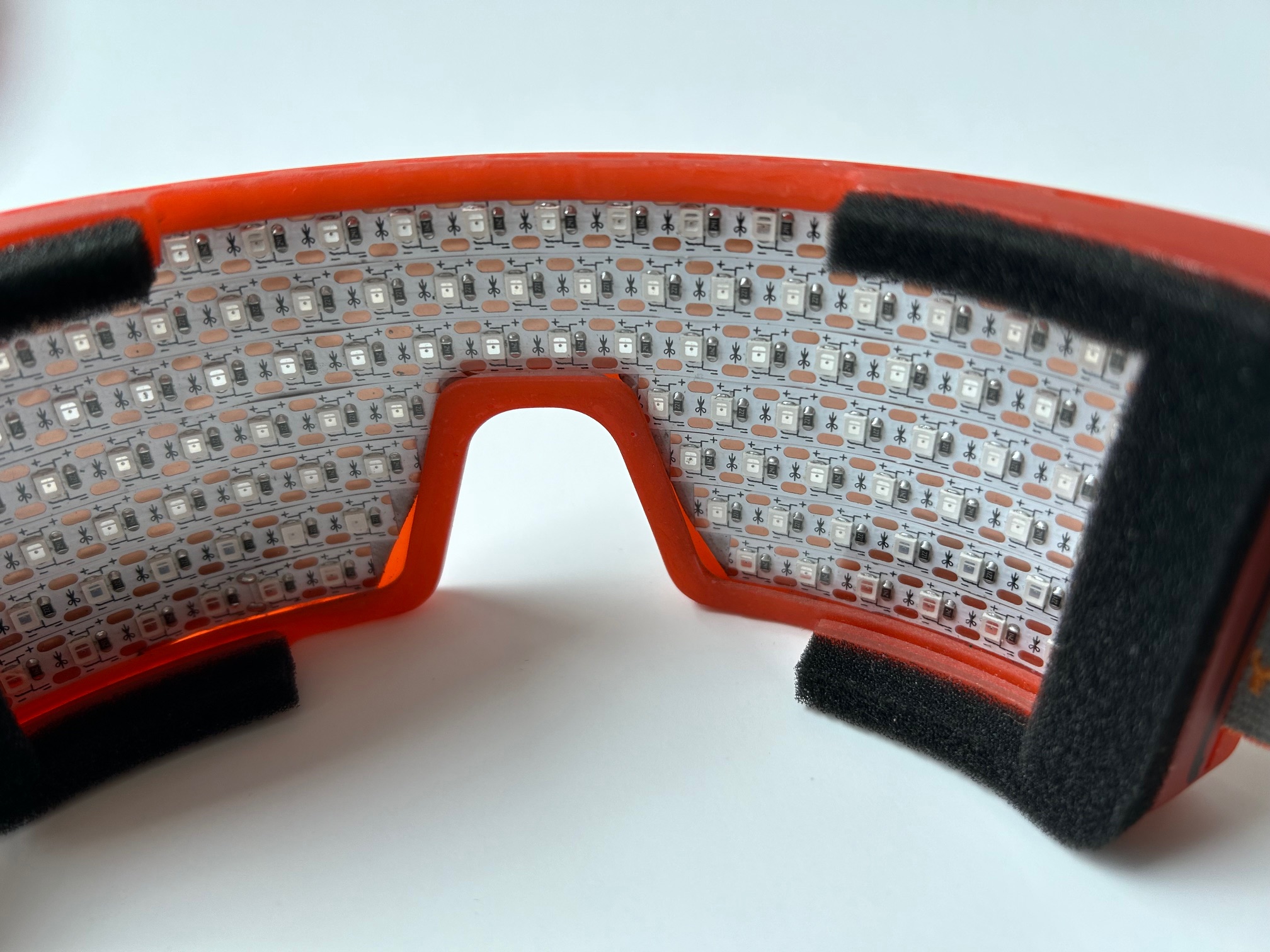
The Spectral WaveFront’s dual-wavelength design (670 nm + 810 nm) aligns with the mitochondrial and anti-inflammatory mechanisms described in this review. Its ocular-specific geometry is consistent with the retinal, ocular surface, and corneal pathways outlined by Garg et al., enabling a gentle, non-thermal approach to supporting cellular resilience and tear-film physiology.
Link to original research here
Editor’s note: Garg et al. 2024 summarize photobiomodulation across retinal and ocular surface applications, highlighting mitochondrial and inflammatory pathways directly relevant to the Spectral WaveFront’s 670 nm and 810 nm wavelengths. For comparison of dosing windows and ocular-specific geometry, see our WaveFront Evidence Alignment. Foundational mechanistic work on mitochondrial ATP support is detailed in Gkotsi 2014. Photoreceptor protection mechanisms are explored in Beirne 2017, while aging retinal mitochondrial decline is addressed in Sivapathasuntharam 2017.
Related Articles
- Photostimulation of Mitochondria for Retinal Neurodegeneration – Beirne 2017
- Aging Retinal Function Improved by 670 nm NIR Light – Sivapathasuntharam 2017
- Recharging Mitochondrial Batteries in Old Eyes – Gkotsi 2014
- Low-Level Light Therapy in Dry Eye Disease – Antwi 2024
- PBM in Dry Eye: Randomized Controlled Trial – Park 2022
Key Takeaways
- PBM reduces inflammation, enhances retinal cell survival, and improves visual function in retinal diseases
- For anterior segment disorders, PBM accelerates wound healing and alleviates dry eye symptoms
- Non-invasive, drug-free approach complements traditional therapeutic strategies in ophthalmic care
- PBM’s ability to target specific cellular pathways positions it for personalized medicine applications
Study Overview
| Study Type: | Comprehensive review |
| Wavelength(s): | Multiple wavelengths (red and near-infrared spectrum) |
| Treatment Protocol: | Review of bench-to-bedside applications across ophthalmology |
| Sample Size: | Synthesis of preclinical and clinical evidence |
| Primary Outcome: | Overview of PBM applications in retinal, corneal, and ocular surface conditions |
Full Citation
Garg A, et al. (2024). Photobiomodulation in ophthalmology: A comprehensive review of bench-to-bedside research and clinical integration. Journal of Clinical Medicine. View Publication