Condition focus: Retinal Diseases & Clinical Applications
As photobiomodulation clinical applications expanded across ophthalmology, comprehensive assessment of efficacy, safety, and practical implementation became critical for guiding evidence-based practice. This review examined photobiomodulation applications for retinal diseases with emphasis on clinical outcomes, treatment protocols, and patient selection. The analysis synthesized evidence from clinical trials and case series across age-related macular degeneration, diabetic retinopathy, retinitis pigmentosa, and other retinal conditions to evaluate therapeutic potential and identify optimal applications.
The review documented consistent visual function improvements across retinal diseases, with particularly robust evidence in dry AMD where multiple studies demonstrated stabilized or improved visual acuity and contrast sensitivity. Diabetic macular edema trials showed anatomic improvements with reduced central subfield thickness alongside functional gains. Inherited retinal degenerations exhibited disease stabilization and subjective visual improvements in treatment groups. Safety profiles were uniformly favorable with no significant adverse effects reported across studies. However, the review identified substantial protocol variability including wavelength selection, treatment duration, energy density, and frequency, emphasizing the need for standardization. Patient selection criteria and optimal disease stage for intervention remained incompletely defined. The analysis supported photobiomodulation’s clinical utility while highlighting critical gaps requiring systematic investigation to optimize therapeutic implementation.
WaveFront Alignment:
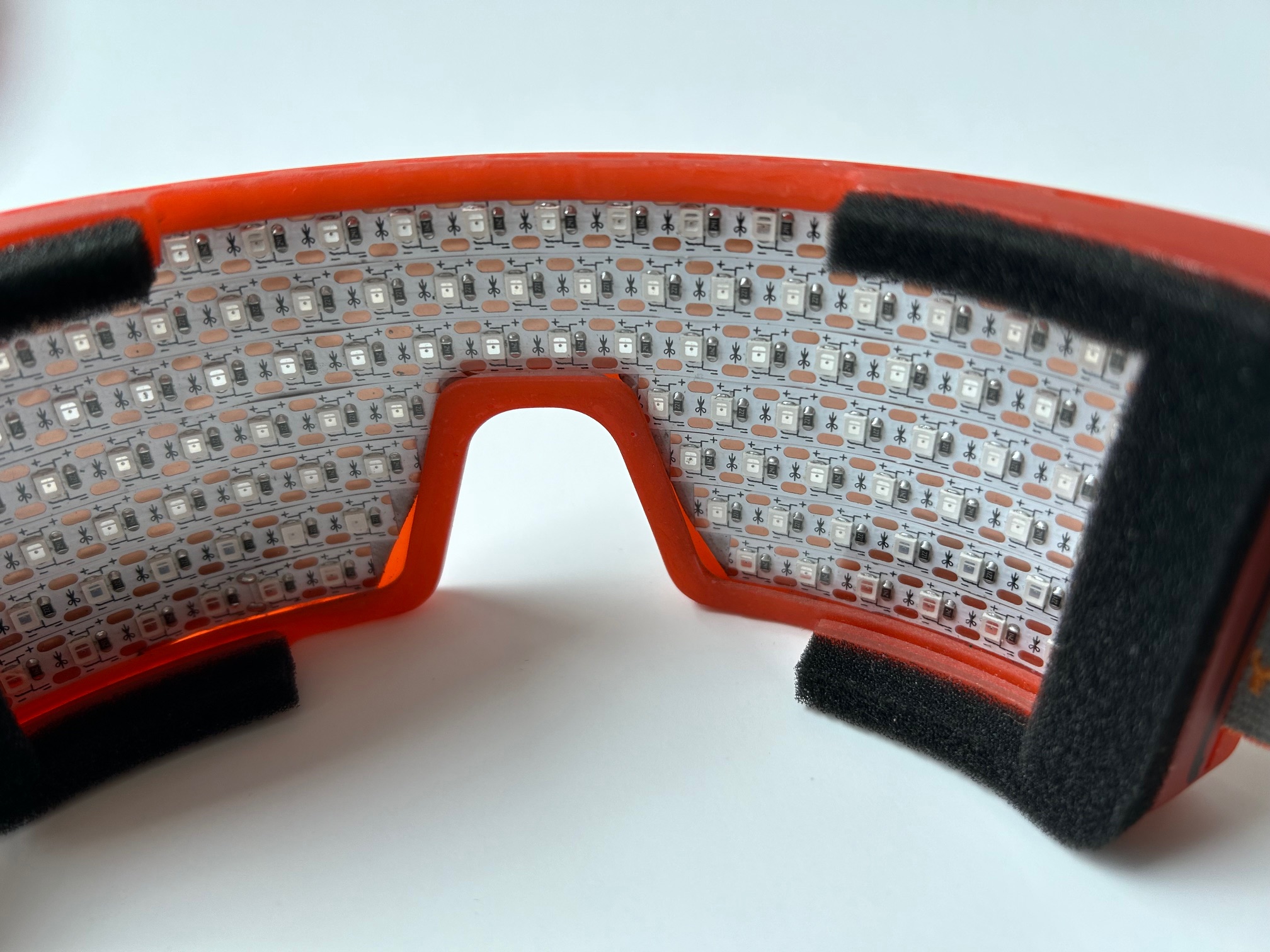
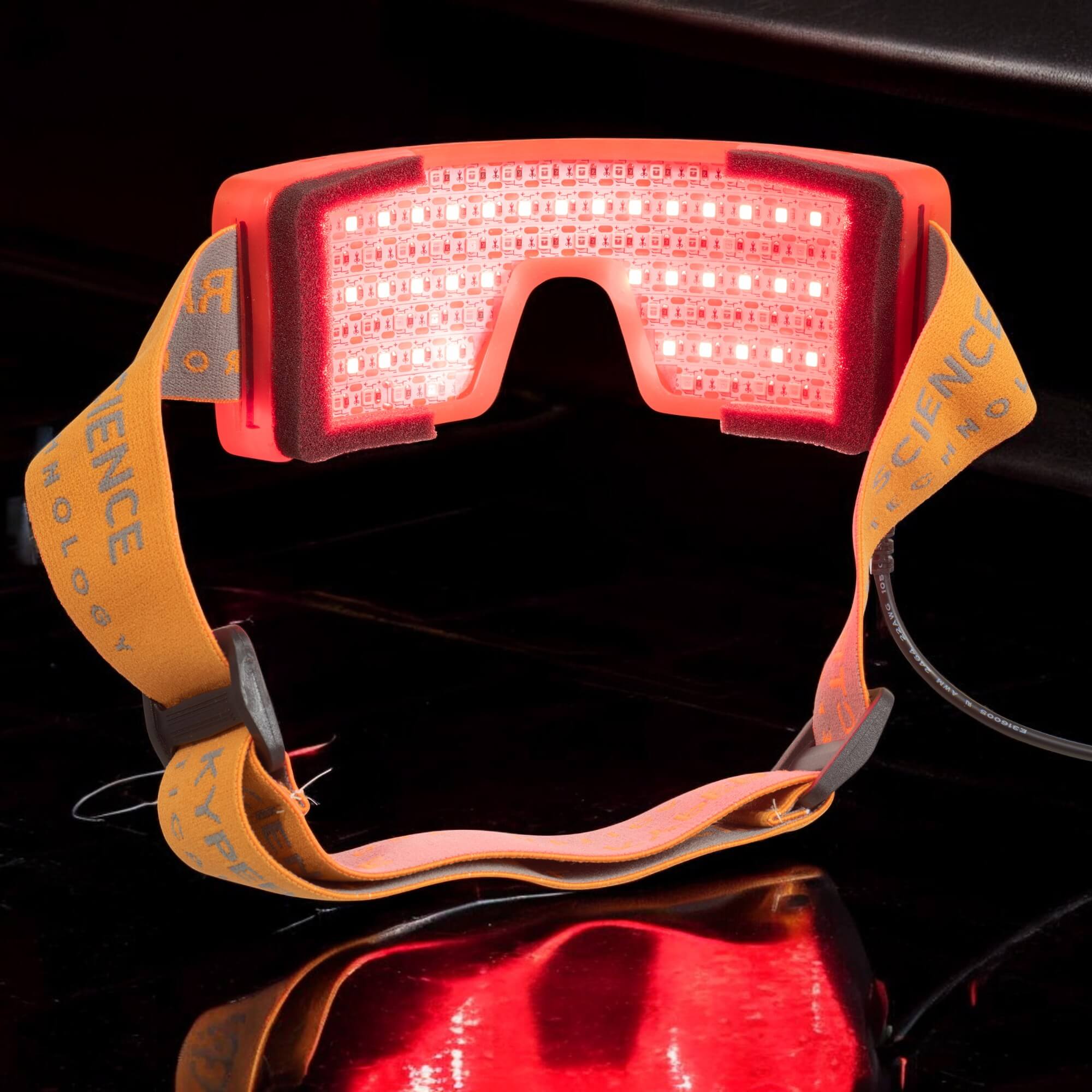
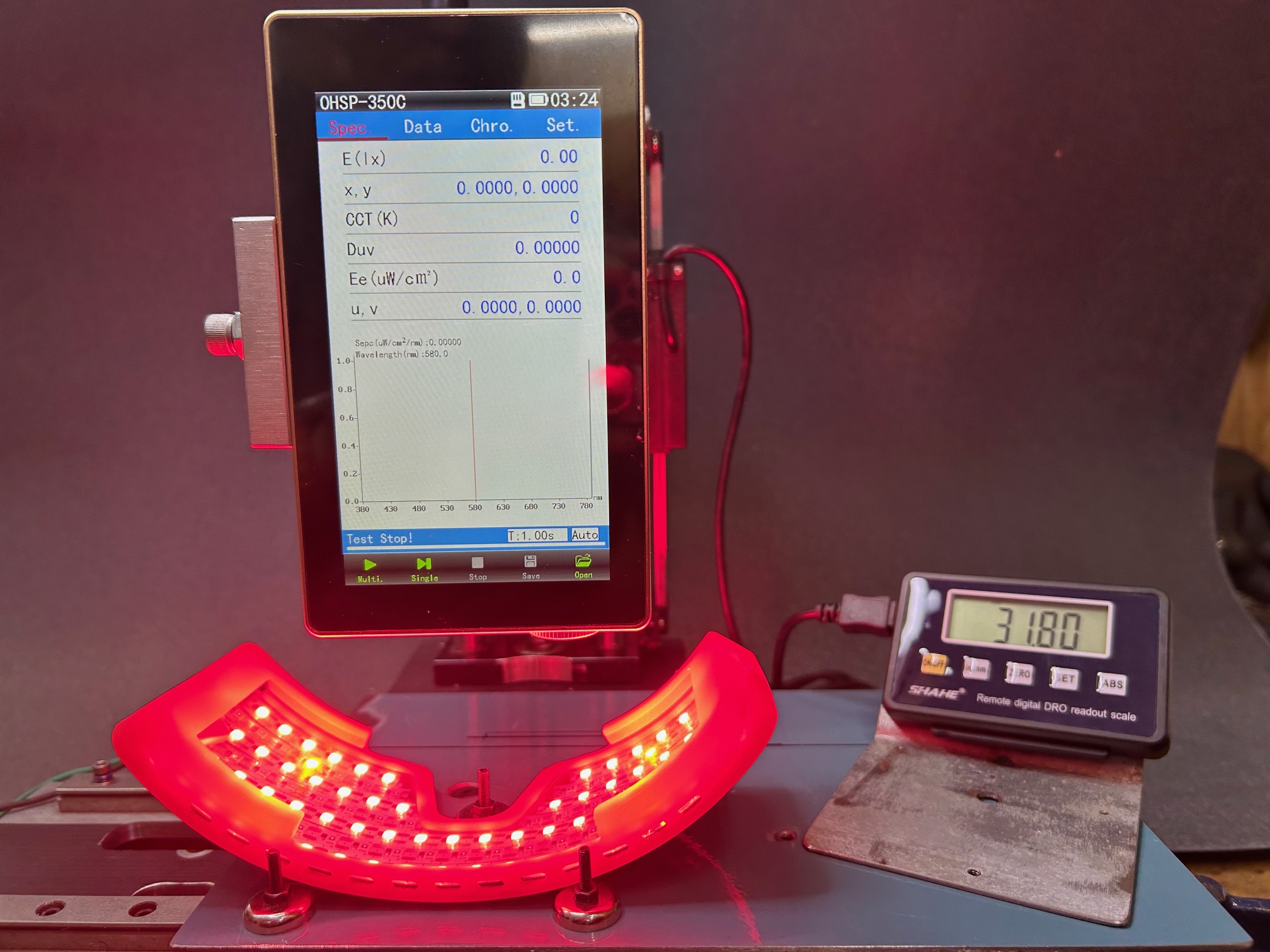
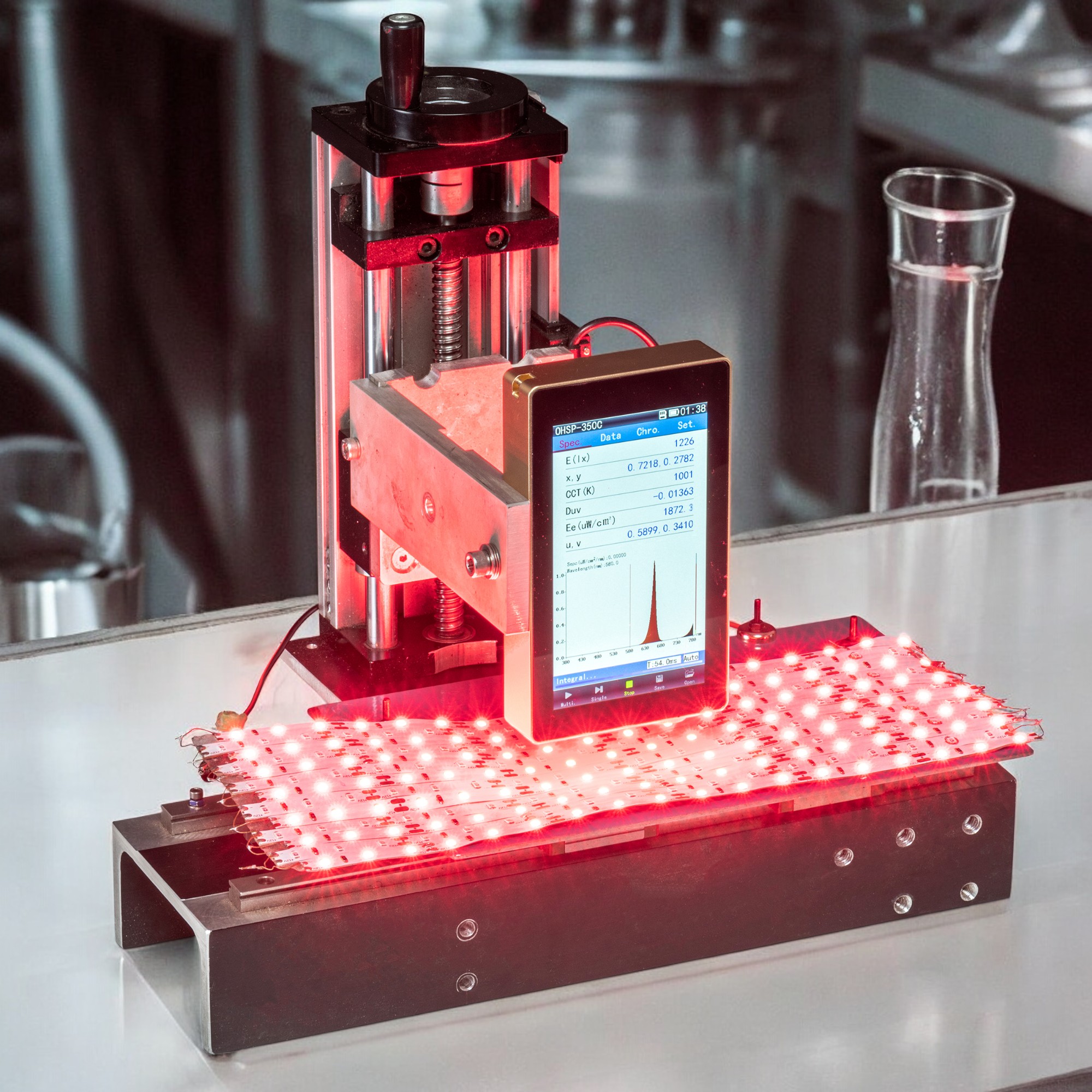
Ivayla’s clinical outcomes synthesis validates the Spectral WaveFront’s therapeutic positioning across retinal diseases, confirming consistent visual improvements and favorable safety while identifying standardization needs that inform optimized treatment protocol development.
Read full article here
Editor’s note: Ivayla 2016 provides clinical outcomes-focused review. For related comprehensive reviews, see Geneva 2016, Eells 2016, and updated perspectives in Valter 2024. Specific clinical evidence includes AMD trials Merry 2012, diabetic retinopathy studies Kim 2022, and inherited degeneration applications Gopalakrishnan 2012.
Related Articles
- Photobiomodulation for Treatment of Retinal Diseases – Geneva 2016
- Near-Infrared Photobiomodulation in Retinal Injury and Disease – Eells 2016
- Photobiomodulation Use in Ophthalmology – Valter 2024
- PBM for Dry AMD – Toronto & Oak Ridge Study – Merry 2012
- Randomized Clinical Trial of 670nm PBM for Diabetic Macular Edema – Kim 2022
Key Takeaways
- Consistent visual function improvements documented across AMD, diabetic retinopathy, and inherited degenerations
- Particularly robust evidence in dry AMD with stabilized/improved visual acuity and contrast sensitivity
- Uniformly favorable safety profiles with no significant adverse effects across studies
- Identified substantial protocol variability and need for standardization in wavelength, duration, and energy density
Study Overview
| Study Type: | Clinical review |
| Wavelength(s): | Various (primarily red and near-infrared) |
| Treatment Protocol: | Synthesis of clinical trials and case series across retinal conditions |
| Sample Size: | Multi-study clinical evidence synthesis |
| Primary Outcome: | Established clinical utility with identified standardization needs for optimal implementation |
Full Citation
Ivayla. (2016). Photobiomodulation for the treatment of retinal diseases: a review. Int J Ophthalmol, 9(1):145-152. View Publication