Condition focus: Retinal Diseases & Translational Applications
As photobiomodulation emerged as a potential therapeutic modality for retinal diseases, comprehensive review of existing evidence became essential to guide clinical translation and identify research priorities. This systematic review examined photobiomodulation applications across multiple retinal conditions including age-related macular degeneration, diabetic retinopathy, retinal degeneration, and optic neuropathies. The authors analyzed mechanisms of action, treatment parameters, clinical outcomes, and safety data from preclinical and clinical studies spanning cellular research through human trials.
The review identified consistent mechanistic themes across conditions: enhanced mitochondrial ATP production through cytochrome c oxidase activation, reduced oxidative stress and inflammation, improved cellular metabolism, and neuroprotective effects on photoreceptors and retinal ganglion cells. Clinical studies demonstrated visual function improvements in AMD, diabetic macular edema, and inherited retinal degenerations, with particularly robust evidence for 670 nm wavelength efficacy. Safety profiles were consistently favorable with no significant adverse effects reported. However, the review noted heterogeneity in treatment protocols, outcome measures, and study quality, emphasizing the need for standardized parameters and larger controlled trials. The analysis established photobiomodulation’s therapeutic potential across diverse retinal pathologies while identifying critical gaps requiring further investigation to optimize clinical implementation.
WaveFront Alignment:
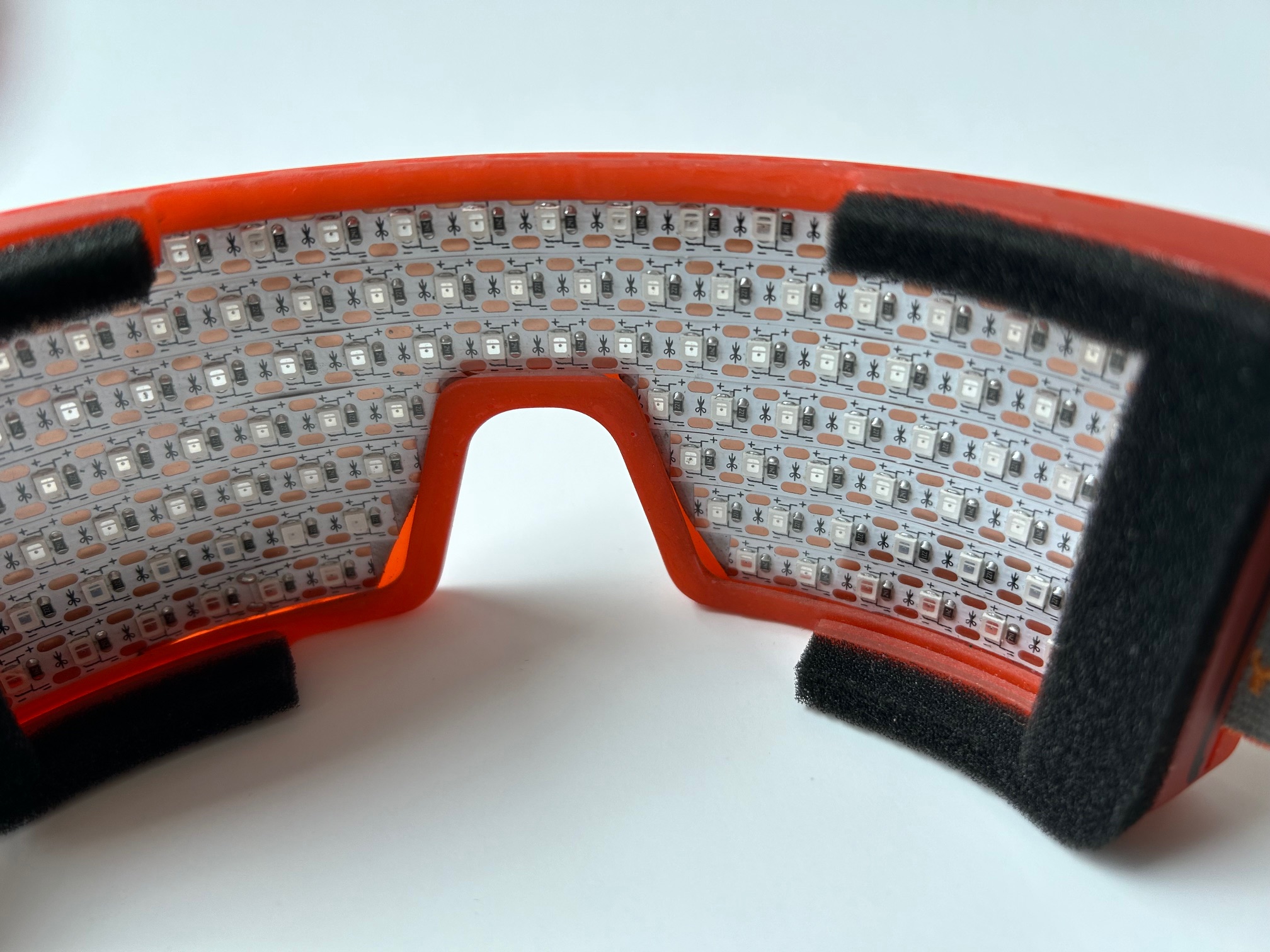
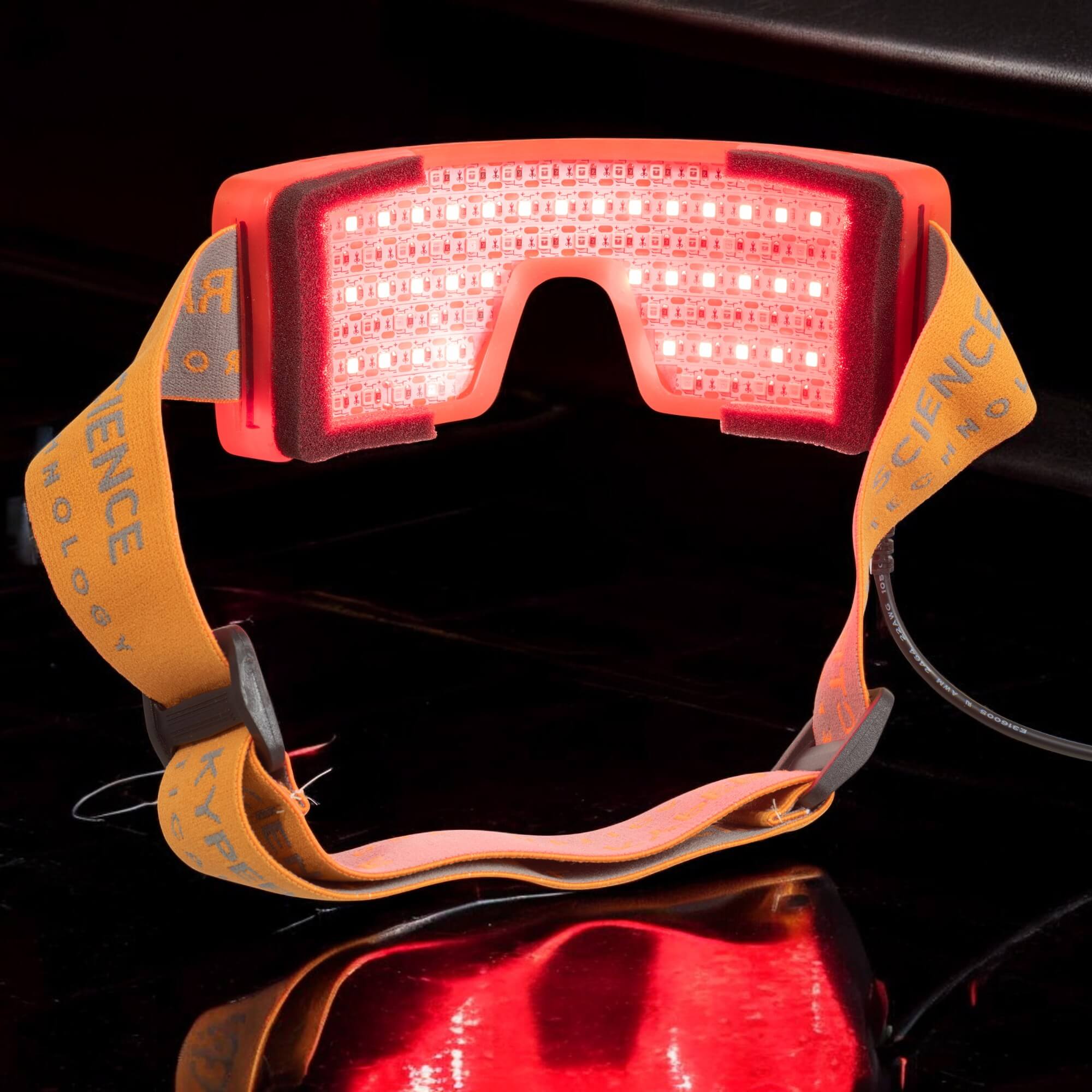
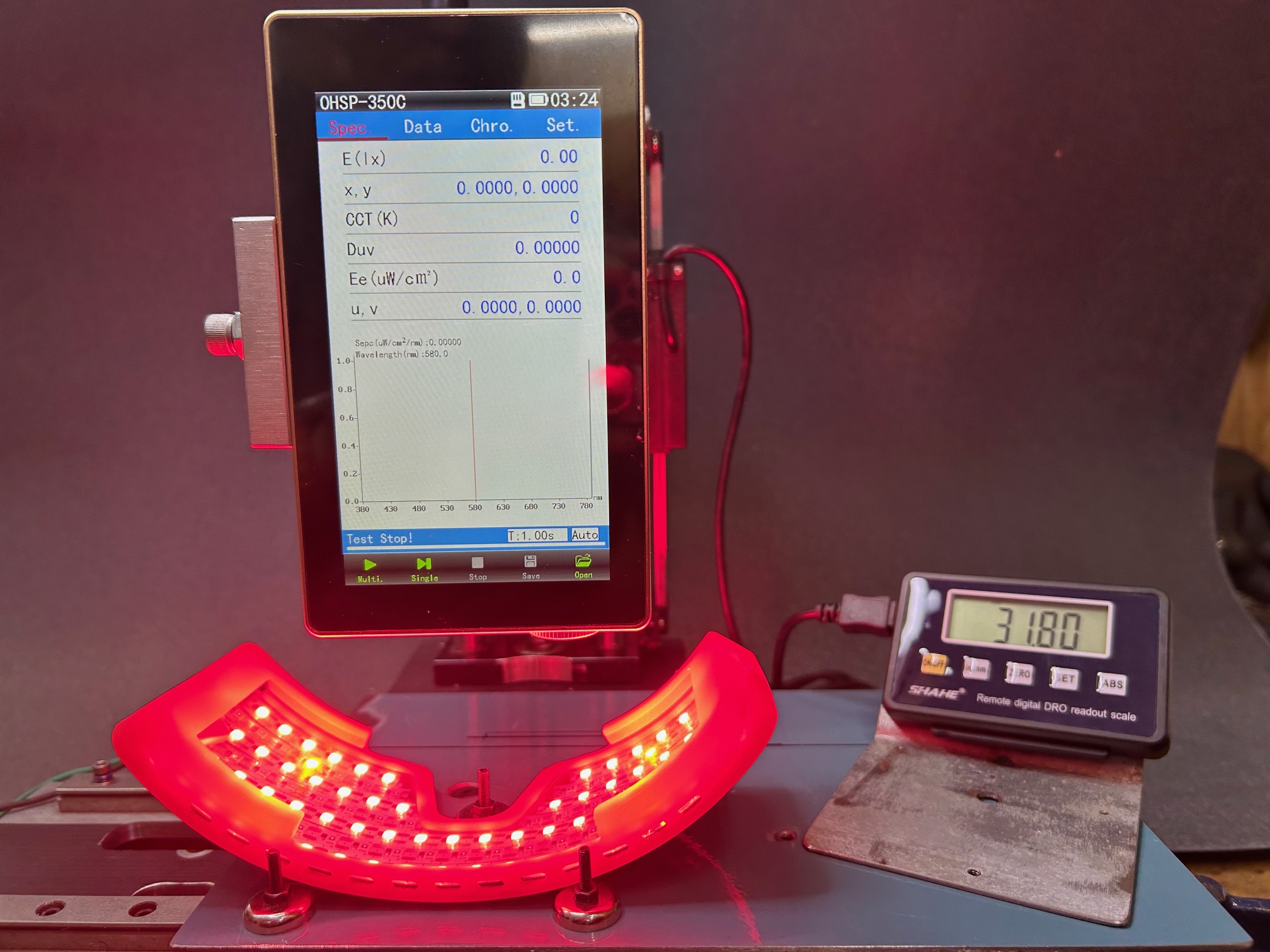
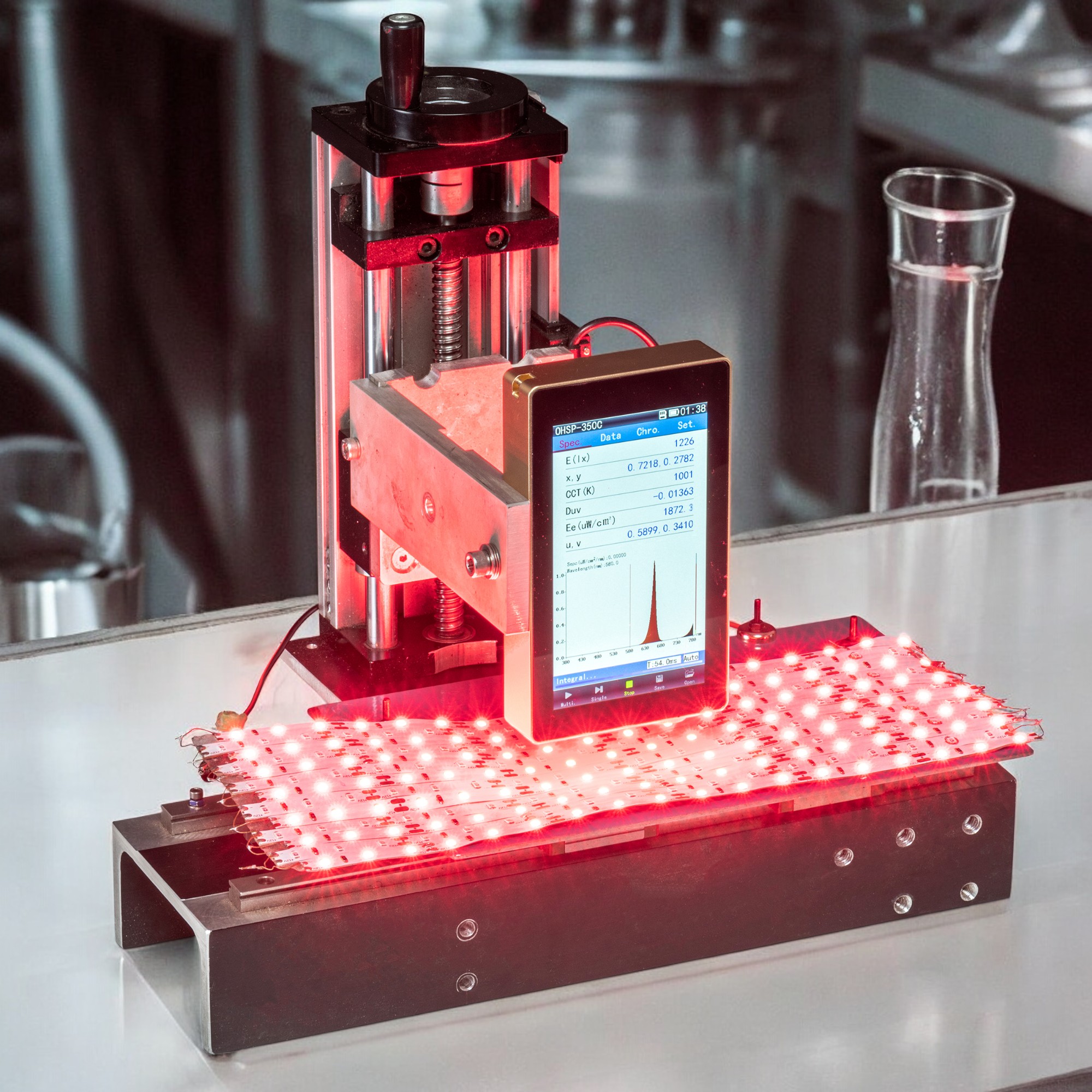
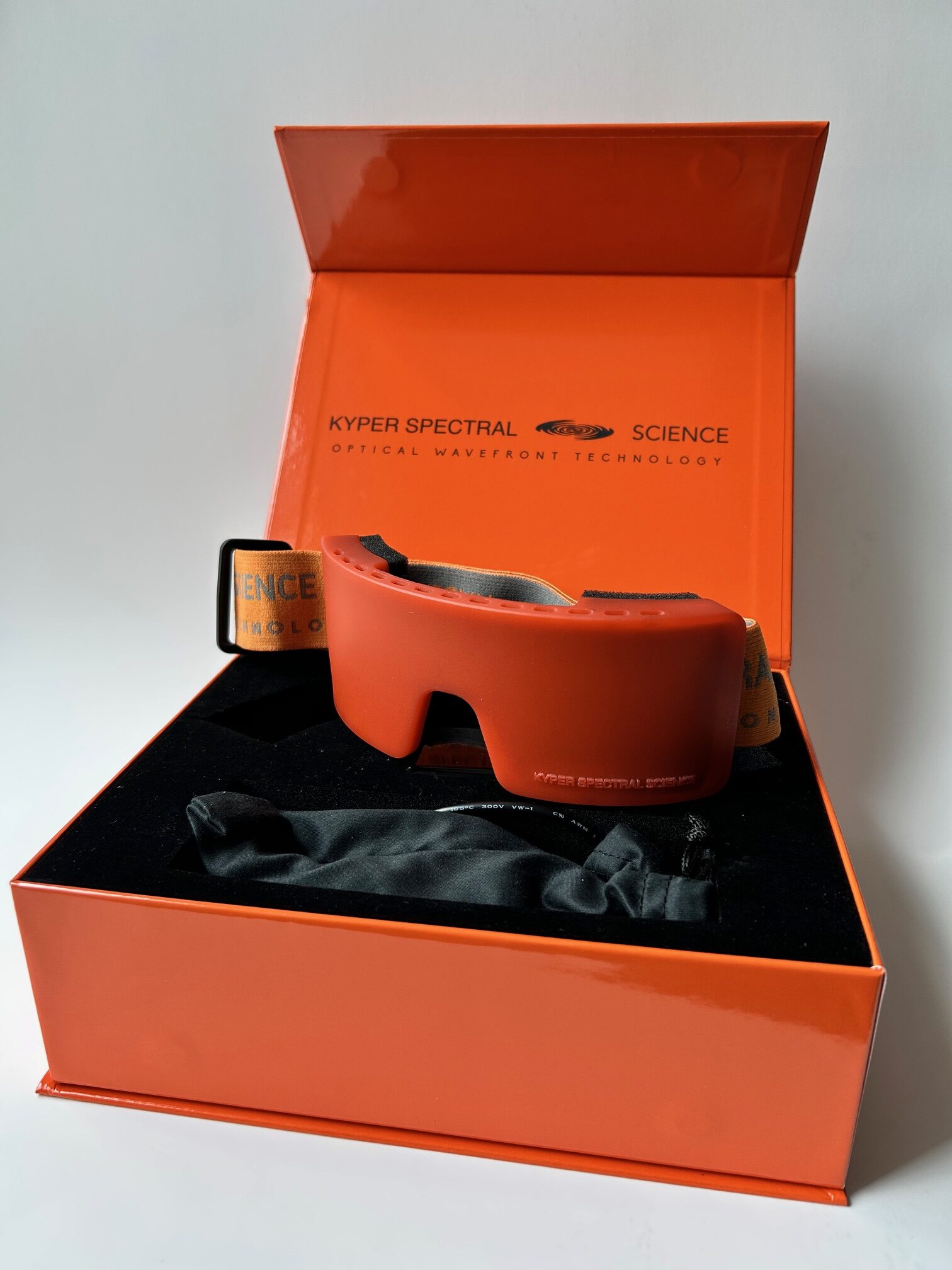
Geneva’s comprehensive review validates the scientific foundation underlying the Spectral WaveFront’s design, confirming that photobiomodulation’s multi-pathway mechanisms and consistent safety profile support its application across the spectrum of retinal diseases addressed by the device.
Read full article here
Editor’s note: Geneva 2016 provides systematic review of photobiomodulation across retinal diseases. For updated comprehensive reviews, see Valter 2024 and Garg 2024. Related review focusing on inherited degeneration appears in Ivayla 2016. Mechanistic foundations in Beirne 2017 and Eells 2016.
Related Articles
- Photobiomodulation Use in Ophthalmology – Valter 2024
- PBM in Ophthalmology: Comprehensive Review – Garg 2024
- Photobiomodulation for Treatment of Retinal Diseases – Ivayla 2016
- Photostimulation of Mitochondria for Retinal Neurodegeneration – Beirne 2017
- Near-Infrared Photobiomodulation in Retinal Injury and Disease – Eells 2016
Key Takeaways
- Systematic review identified consistent mechanistic themes: enhanced ATP, reduced oxidative stress, improved metabolism, neuroprotection
- Clinical studies showed visual improvements across AMD, diabetic macular edema, and inherited degenerations
- Particularly robust evidence for 670 nm wavelength efficacy with consistently favorable safety profiles
- Identified need for standardized protocols and larger controlled trials to optimize clinical implementation
Study Overview
| Study Type: | Systematic review |
| Wavelength(s): | Multiple wavelengths analyzed (670 nm particularly robust) |
| Treatment Protocol: | Analysis of preclinical and clinical studies across retinal conditions |
| Sample Size: | Multi-study systematic review |
| Primary Outcome: | Established therapeutic potential across retinal pathologies with identified research gaps |
Full Citation
Geneva II. (2016). Photobiomodulation for the treatment of retinal diseases: a review. Int J Ophthalmol, 9(1):145-152. View Publication