Condition focus: Age-Related Macular Degeneration (AMD) & Macular Health
This early-phase clinical study evaluated photobiomodulation in patients with dry age-related macular degeneration at two sites: Toronto and Oak Ridge. Participants received multiwavelength PBM treatment targeting mitochondrial function and oxidative stress pathways in retinal tissue. The study assessed visual acuity, contrast sensitivity, and drusen characteristics before and after intervention. Results demonstrated improvements in visual function metrics and suggested structural benefits, laying important groundwork for subsequent AMD PBM investigations.
The Toronto and Oak Ridge cohorts provided early evidence that low-intensity light therapy could influence AMD progression through metabolic support mechanisms rather than thermal effects, distinguishing PBM from ablative laser approaches.
WaveFront Alignment:
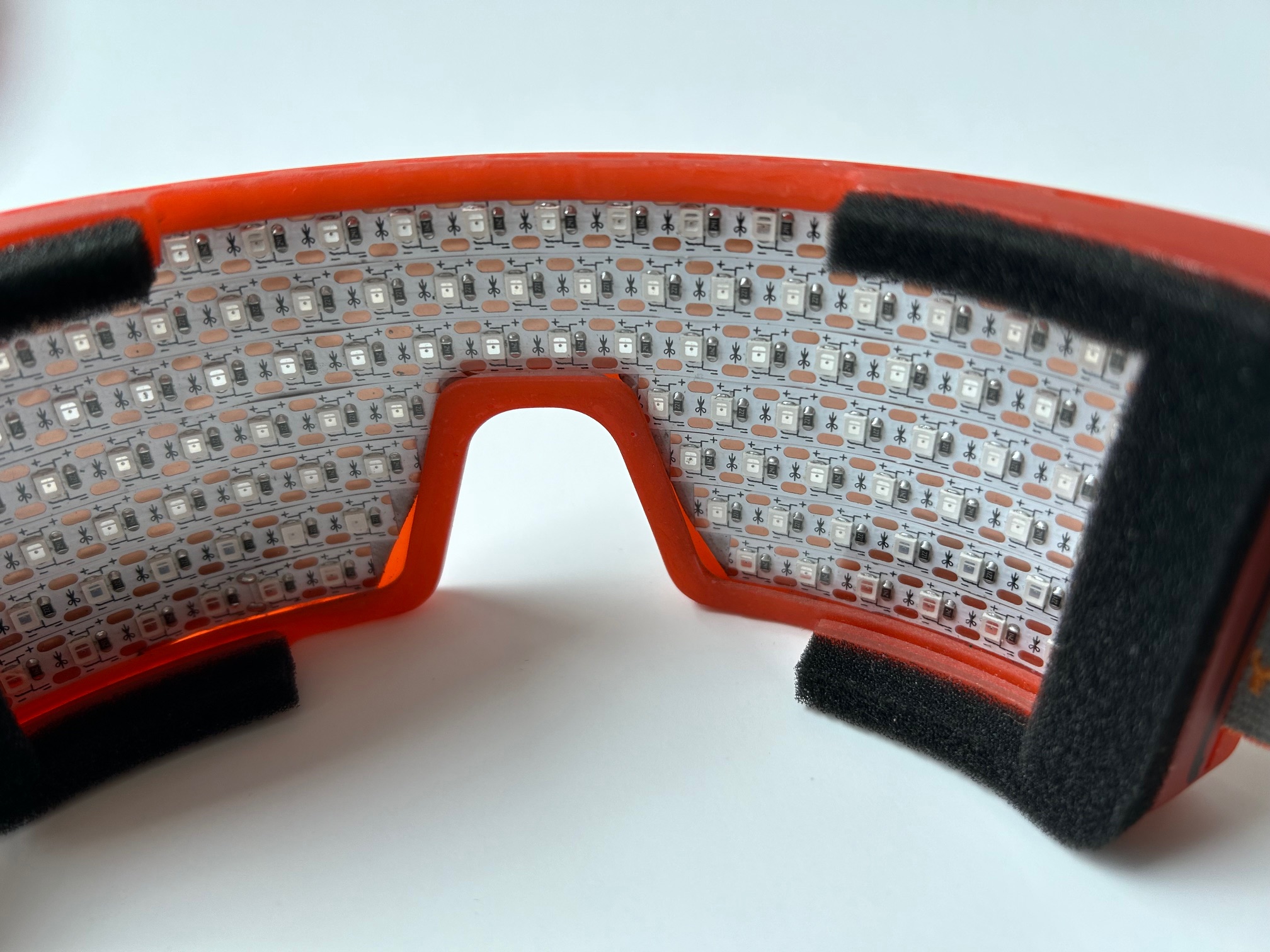
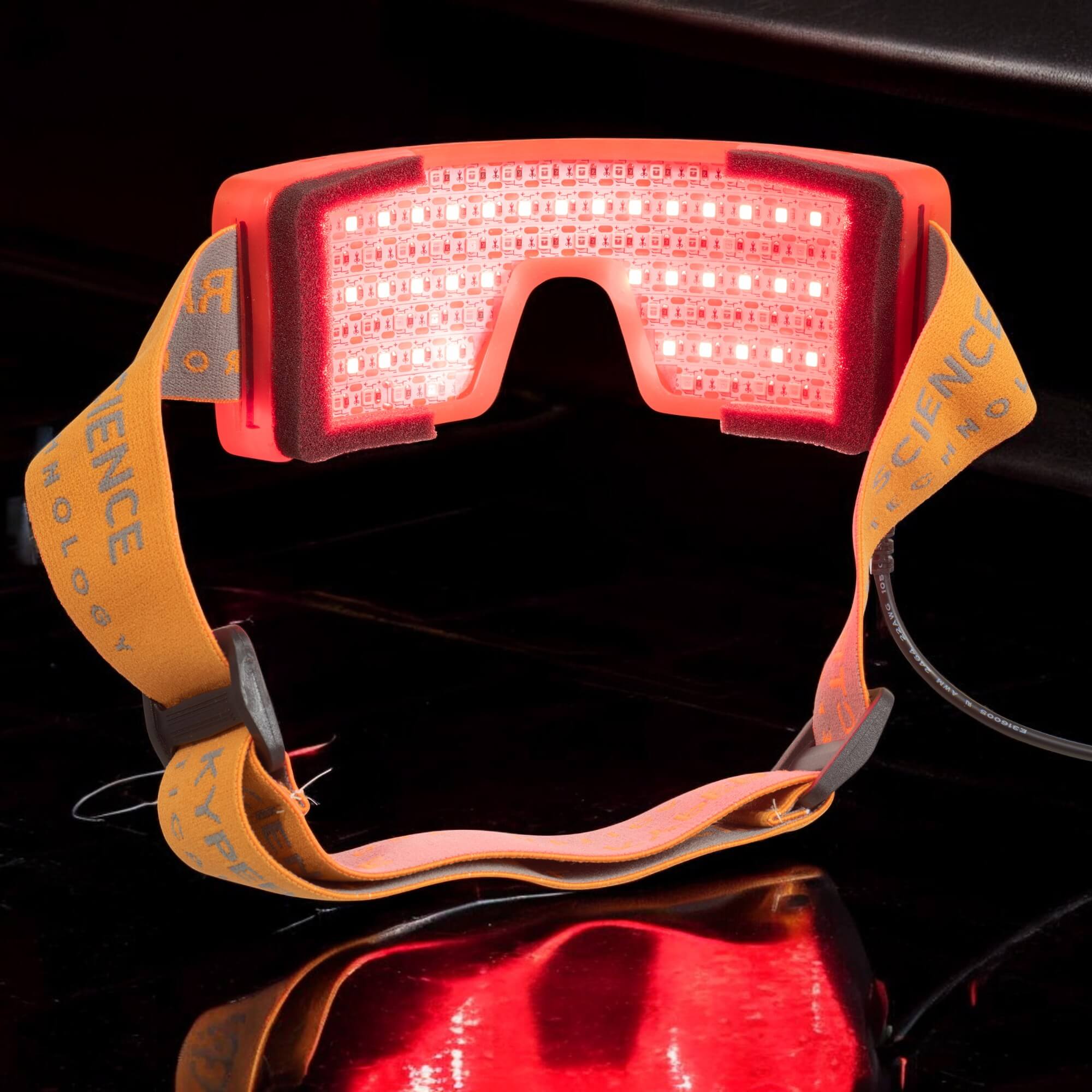
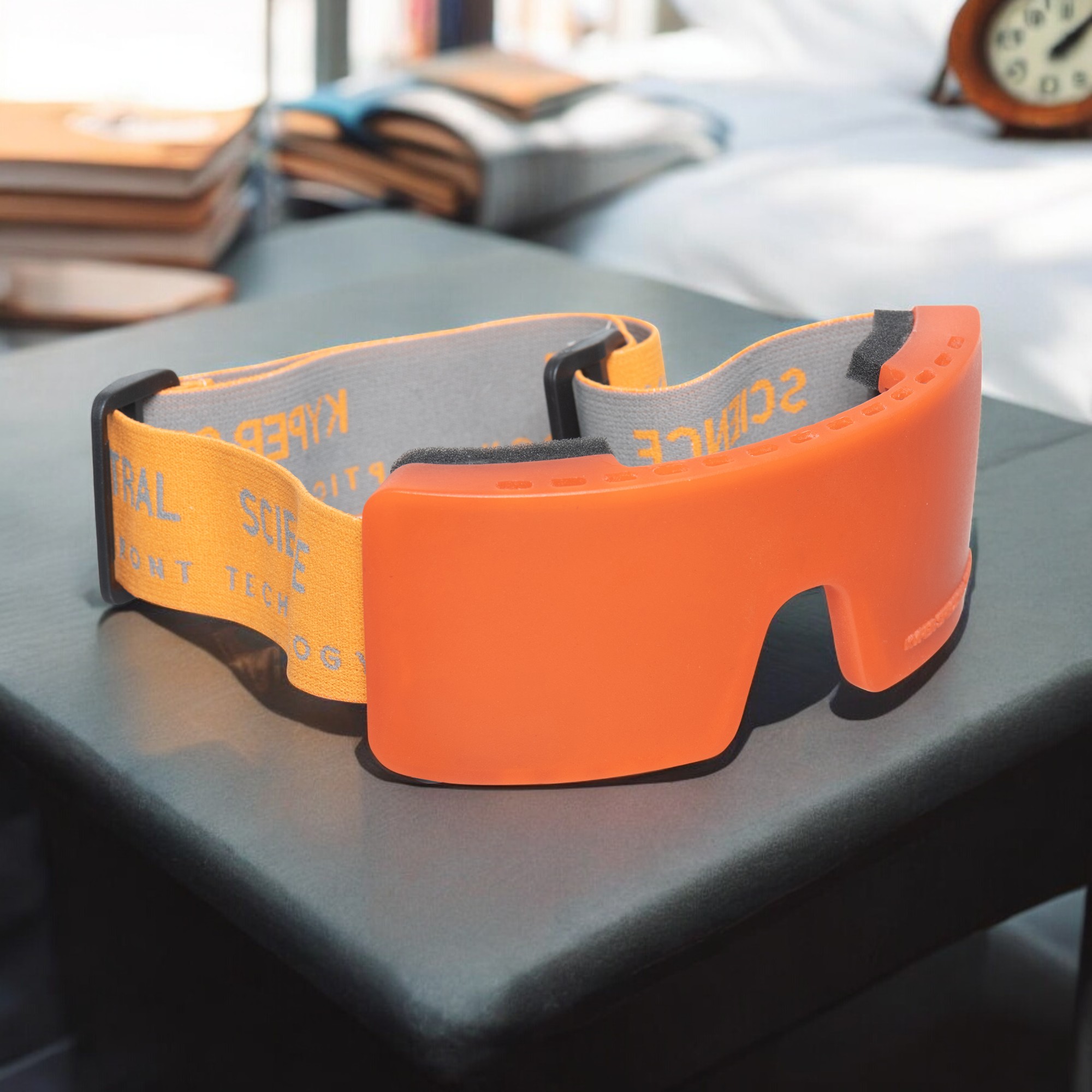
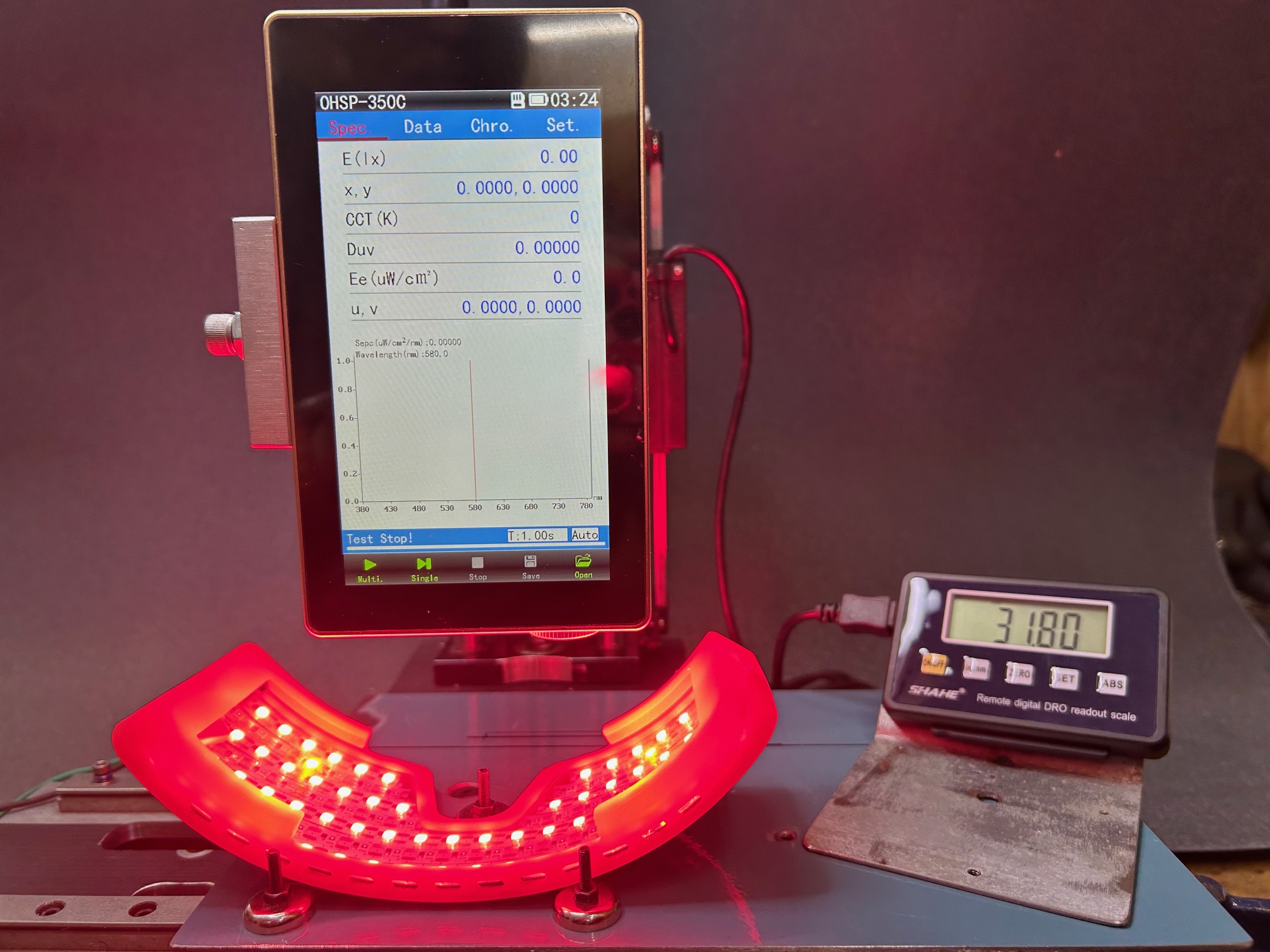
The Spectral WaveFront’s 670 nm and 810 nm wavelengths target the same mitochondrial pathways investigated in this foundational Toronto-Oak Ridge study. The non-thermal, metabolic-support rationale established by Merry 2012 directly informs WaveFront’s dual-wavelength geometry and energy delivery parameters.
Link to original research here
Editor’s note: The Toronto-Oak Ridge cohorts provided foundational evidence that informed the larger 2017 Merry trial showing drusen reduction and visual improvements. For those later outcomes, see Merry 2017. Long-term follow-up data on PBM durability in AMD are detailed in Koev 2018. Early mechanistic understanding of mitochondrial alterations in AMD RPE is provided in Feher 2006. For comparison with WaveFront parameters, see our WaveFront Evidence Alignment.
Related Articles
- Photobiomodulation Reduces Drusen Volume in Dry AMD – Merry 2017
- Five-Year Follow-Up of LLLT in AMD – Koev 2018
- Mitochondrial Alterations of RPE in AMD – Feher 2006
- Low-Level Laser Therapy Improves Vision in AMD – Ivandic 2008
- Is Multiwavelength PBM Effective and Safe for AMD? – Jackson 2023
Key Takeaways
- Early-phase dual-site trial established feasibility of multiwavelength PBM for dry AMD
- Visual function improvements suggested metabolic pathways could be therapeutically targeted in AMD
- Non-thermal approach distinguished PBM from ablative laser treatments in retinal disease
- Study provided foundational data that informed subsequent larger-scale AMD PBM investigations
Study Overview
| Study Type: | Early-phase clinical trial (dual-site) |
| Wavelength(s): | Multiwavelength protocol |
| Treatment Protocol: | Details in publication; Toronto and Oak Ridge cohorts |
| Sample Size: | Dry AMD patients across two sites |
| Primary Outcome: | Visual function improvements; foundational safety and feasibility data |
Full Citation
Merry GF, et al. (2012). Photobiomodulation for age-related macular degeneration: the Toronto and Oak Ridge photobiomodulation study. Investigative Ophthalmology & Visual Science, 53(14):3988. View Publication