Condition focus: Age-Related Macular Degeneration (AMD) & Macular Health
Mitochondrial decline contributes to AMD progression through reduced cellular energy production and increased oxidative stress. This clinical trial evaluated multiwavelength photobiomodulation—primarily 670 nm (4–7.7 J/cm²), supplemented with 590 nm and 790 nm (0.1 J/cm²)—in patients with atrophic AMD. Across a 3-week treatment period, participants demonstrated reduced drusen volume, improved best-corrected visual acuity, and improved contrast sensitivity, with excellent tolerability and no significant adverse effects.
The mechanism is thought to involve enhanced mitochondrial ATP generation through cytochrome c oxidase photoactivation, supporting metabolic resilience in retinal tissue. These findings contribute to growing evidence that targeted light delivery can influence structural and functional parameters in degenerative retinal disease.
WaveFront Alignment:
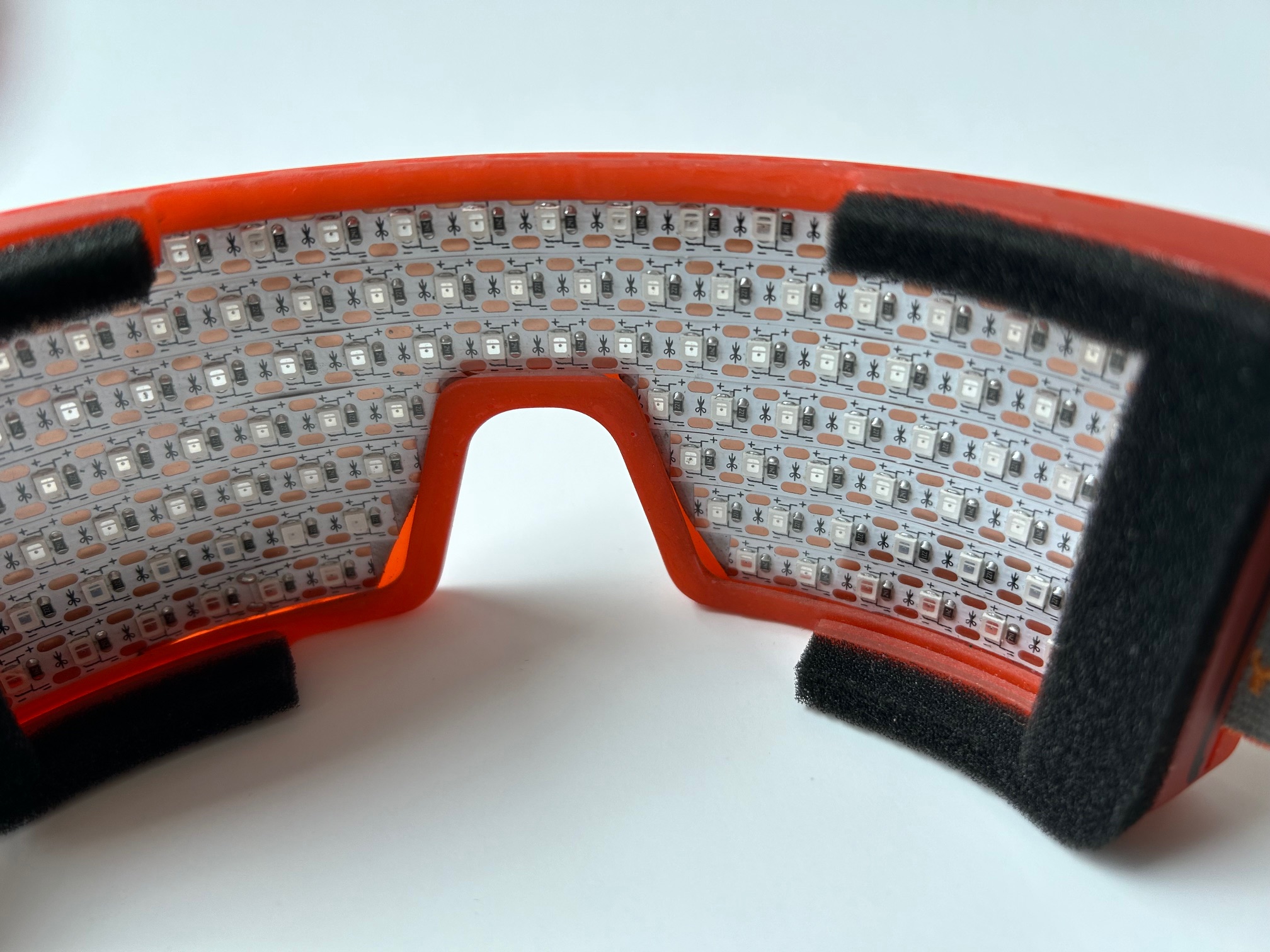
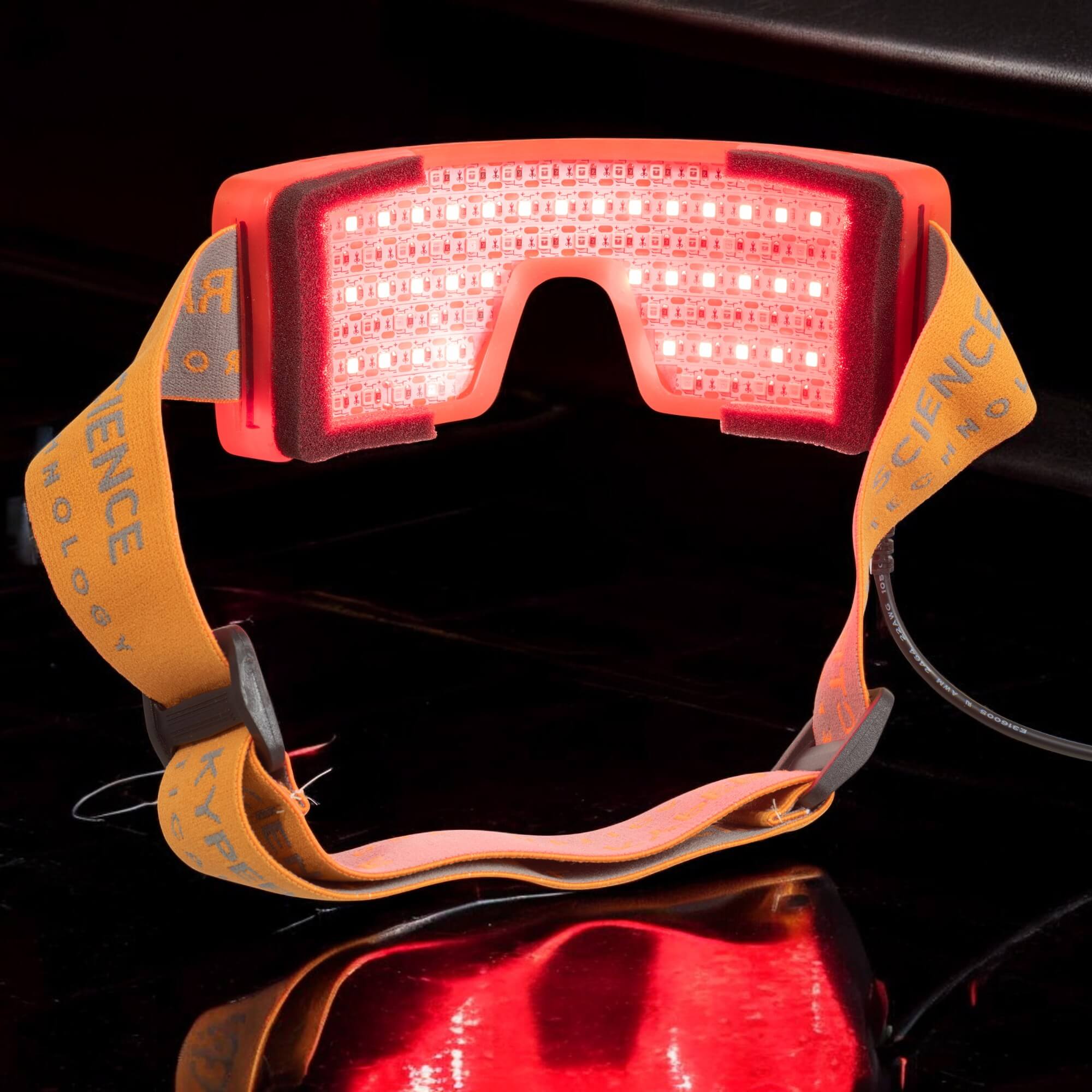
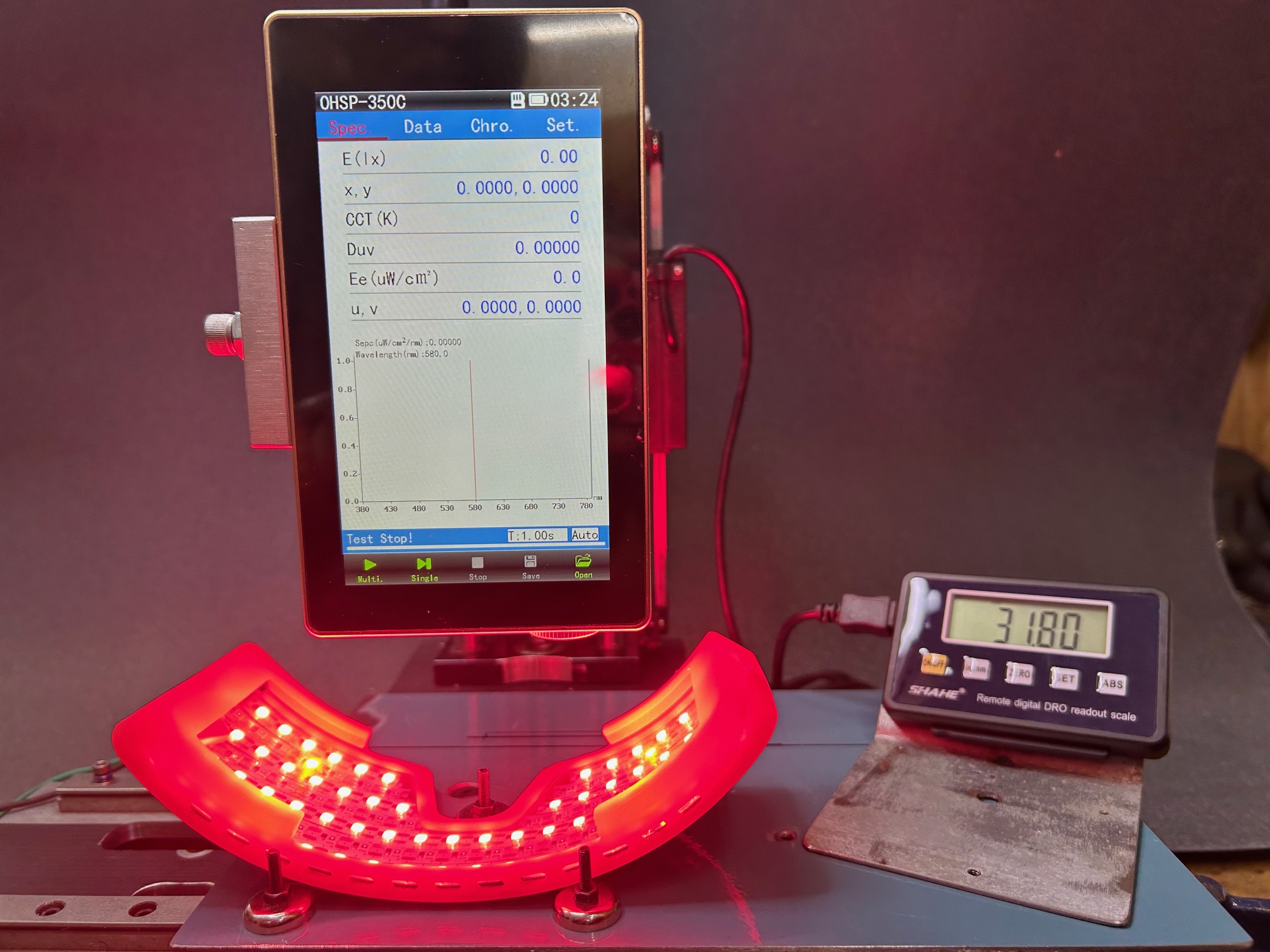
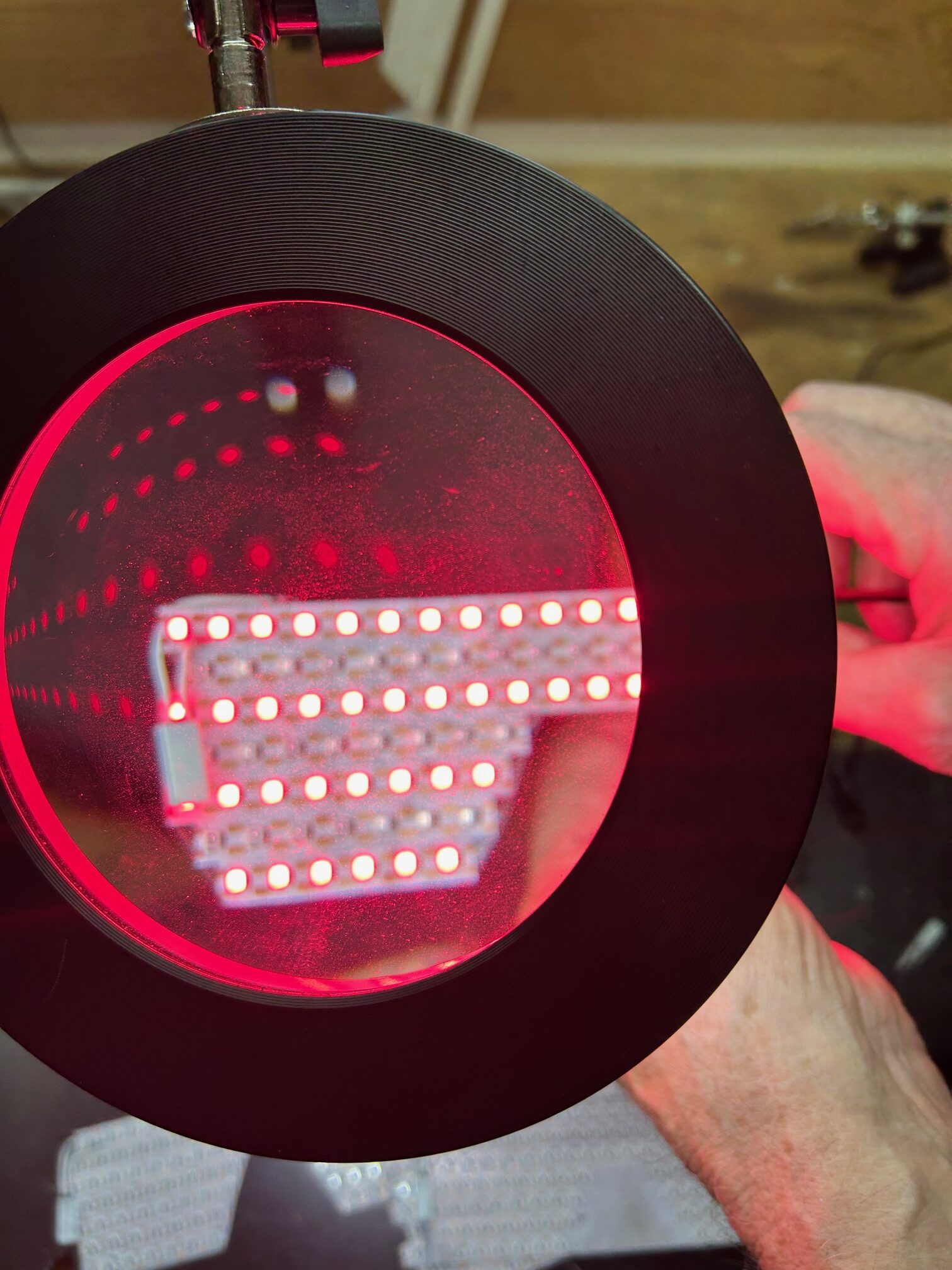
The Spectral WaveFront employs 670 nm and 810 nm wavelengths in an ocular-specific, non-thermal geometry. The Merry et al. outcomes reinforce the relevance of 670 nm to mitochondrial optimization and visual-function support—mechanistic pathways also tied to WaveFront’s dual-wavelength design.
Editor’s note: The structural and functional gains observed in Merry 2017 complement human 670 nm pilot data reported in Grewal 2020, where rod function improved in healthy aging adults. For earlier mechanistic foundations linking cytochrome c oxidase activation to reduced inflammation in AMD models, see Begum 2013. The Toronto cohort’s findings are further detailed in Merry 2012, while systematic synthesis across AMD trials appears in Jackson 2023. For wavelength and energy alignment with the Spectral WaveFront’s 670 nm and 810 nm parameters, see our WaveFront Evidence Alignment.
Related Articles
- Evaluating the Effects of 670 nm PBM in Healthy Aging and AMD – Grewal 2020
- Photobiomodulation for Dry AMD – Toronto & Oak Ridge Study – Merry 2012
- 670nm Light Reduces Inflammation via Cytochrome c Oxidase – Begum 2013
- Is Multiwavelength PBM Effective and Safe for AMD? – Jackson 2023
- Photobiomodulation: Innovation on the Horizon for Dry AMD – Rosen 2024
Key Takeaways
- Multiwavelength PBM (primarily 670 nm) reduced drusen volume in atrophic AMD patients over 3 weeks
- Visual acuity and contrast sensitivity showed measurable improvement following treatment
- Cytochrome c oxidase photoactivation is proposed as the primary mechanism supporting retinal ATP production
- Treatment was well-tolerated with no significant adverse events, supporting clinical feasibility
Study Overview
| Study Type: | Clinical trial |
| Wavelength(s): | 670 nm (primary), 590 nm, 790 nm (supplemental) |
| Treatment Protocol: | 3 weeks; 670 nm at 4–7.7 J/cm²; supplemental wavelengths at 0.1 J/cm² |
| Sample Size: | Patients with atrophic AMD |
| Primary Outcome: | Reduced drusen volume; improved BCVA and contrast sensitivity |
Full Citation
Merry GF, Munk MR, Dotson RS, Walker MG, Devenyi RG. (2017). Photobiomodulation reduces drusen volume and improves visual acuity and contrast sensitivity in dry age-related macular degeneration. Acta Ophthalmologica, 95(4):e270-e277. View Publication