Condition focus: Dry Eye Disease & Meibomian Gland Dysfunction (MGD)
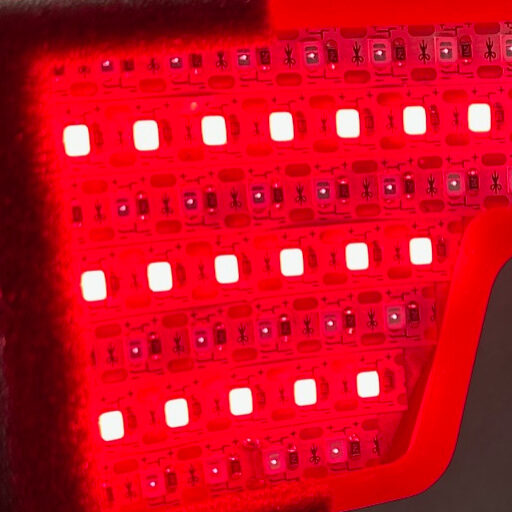
LLLT was conducted on patients at Dankook University Hospital upon the scheduled visits of each patient. Light irradiation was performed with a LED-based array matrix module with 5 planar panels. For the first 1 min of irradiation a wavelength of 590 nm in continuous wave and an irradiance of ≈ 50 µW/cm² scanned panel by panel for 1 s per panel, giving a fluence of ≈ 50 µJ/cm². At the end of that minute, 830 nm was delivered from all 5 panels at an irradiance of 100 mW/cm² for 10 min in continuous wave mode. The energy density over the entire near field area (encompassing the entire face and orbital area) was therefore ≈ 60 J/cm² per session.
Reports have suggested that the above parameters with the 830 nm LED-based approach have been safe and effective in general for wound healing and as an adjunctive approach to other aesthetic procedures. Specifically, the same device as used in the present study has been proven safe and effective for treating wounds on the face around the orbit and for effective and safe treatment of acute herpes zoster ophthalmicus. No serious adverse events were observed. The use of LED-LLLT for the treatment of dry eye and MGD appears to be safe and beneficial.
WaveFront Alignment:
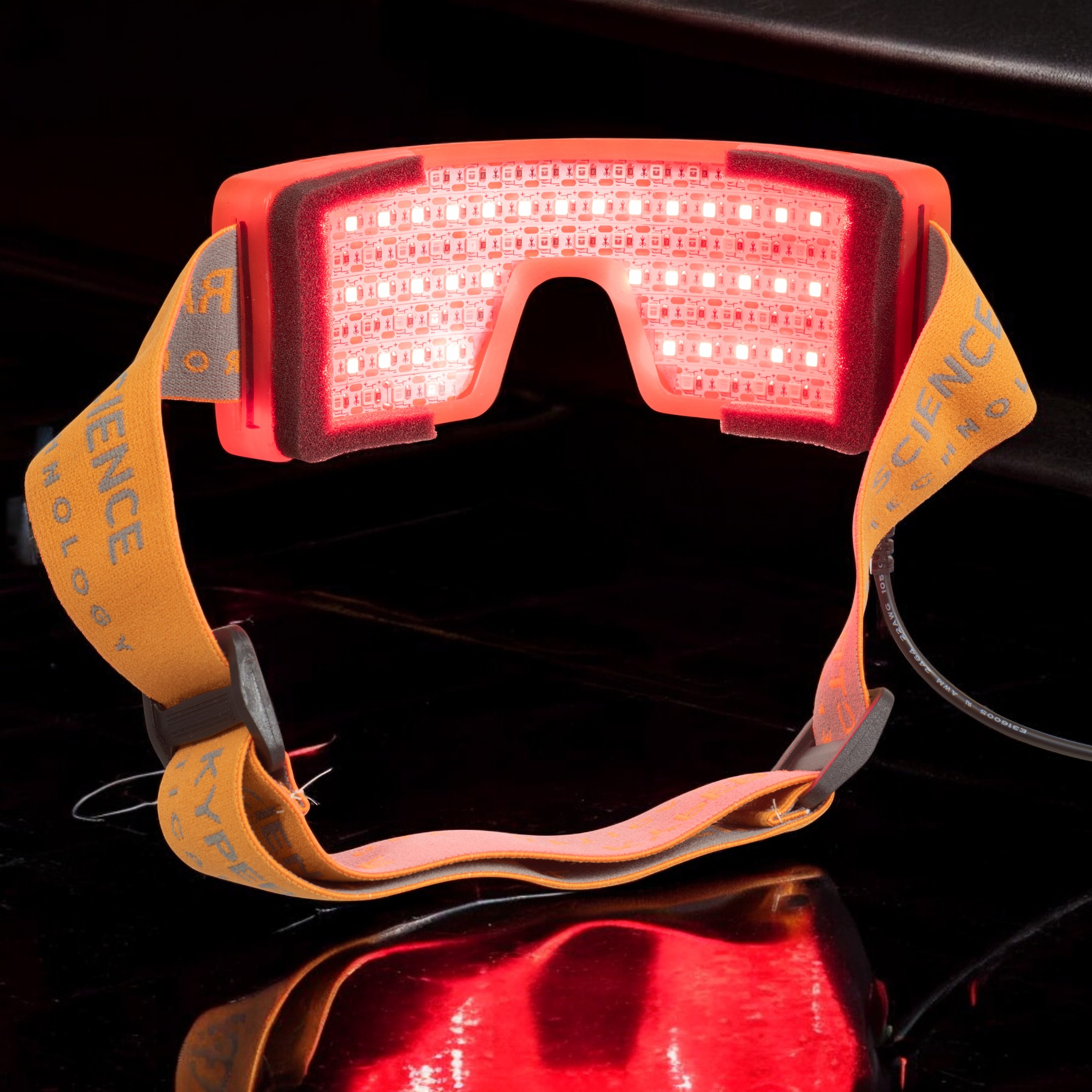
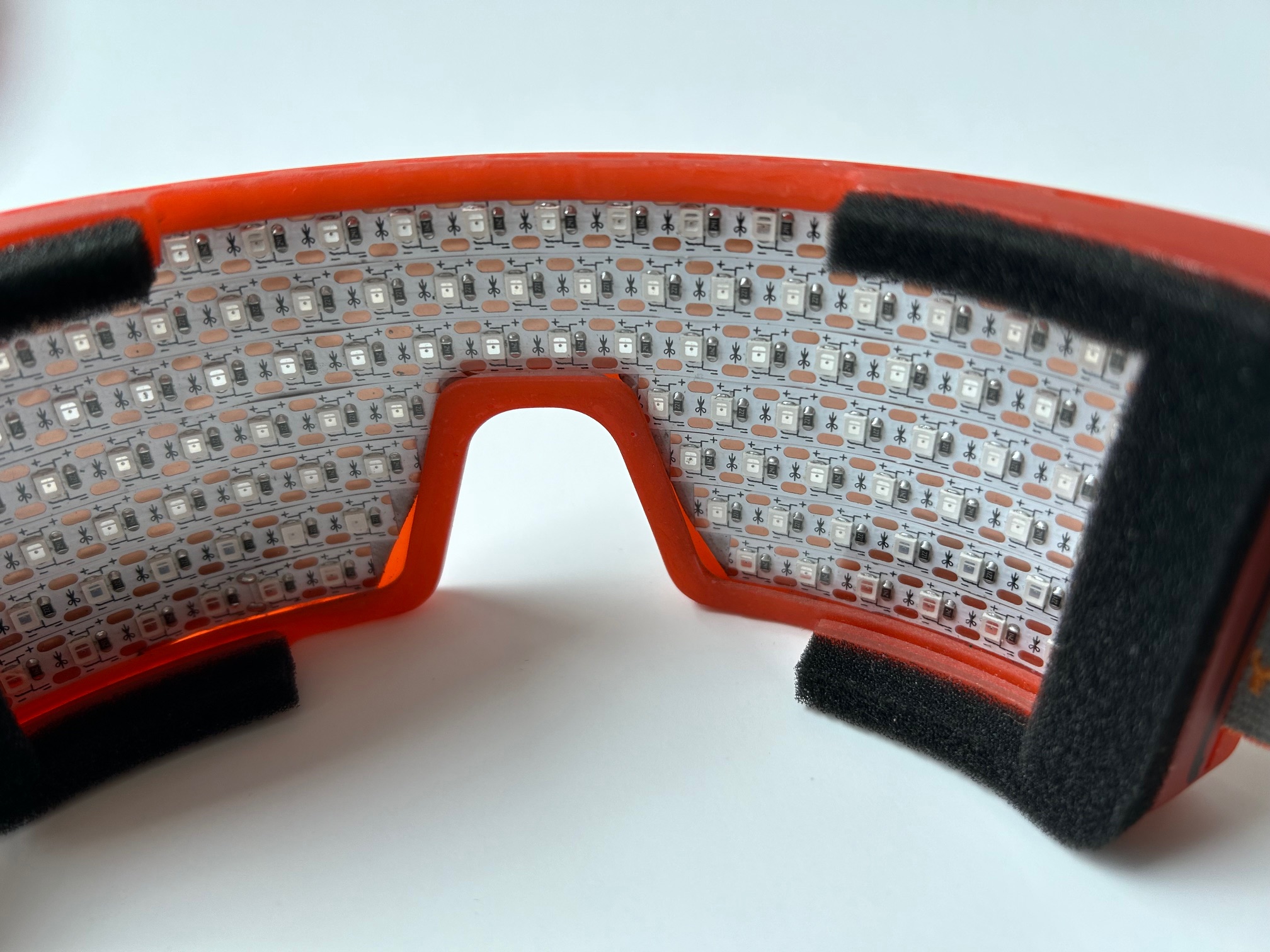
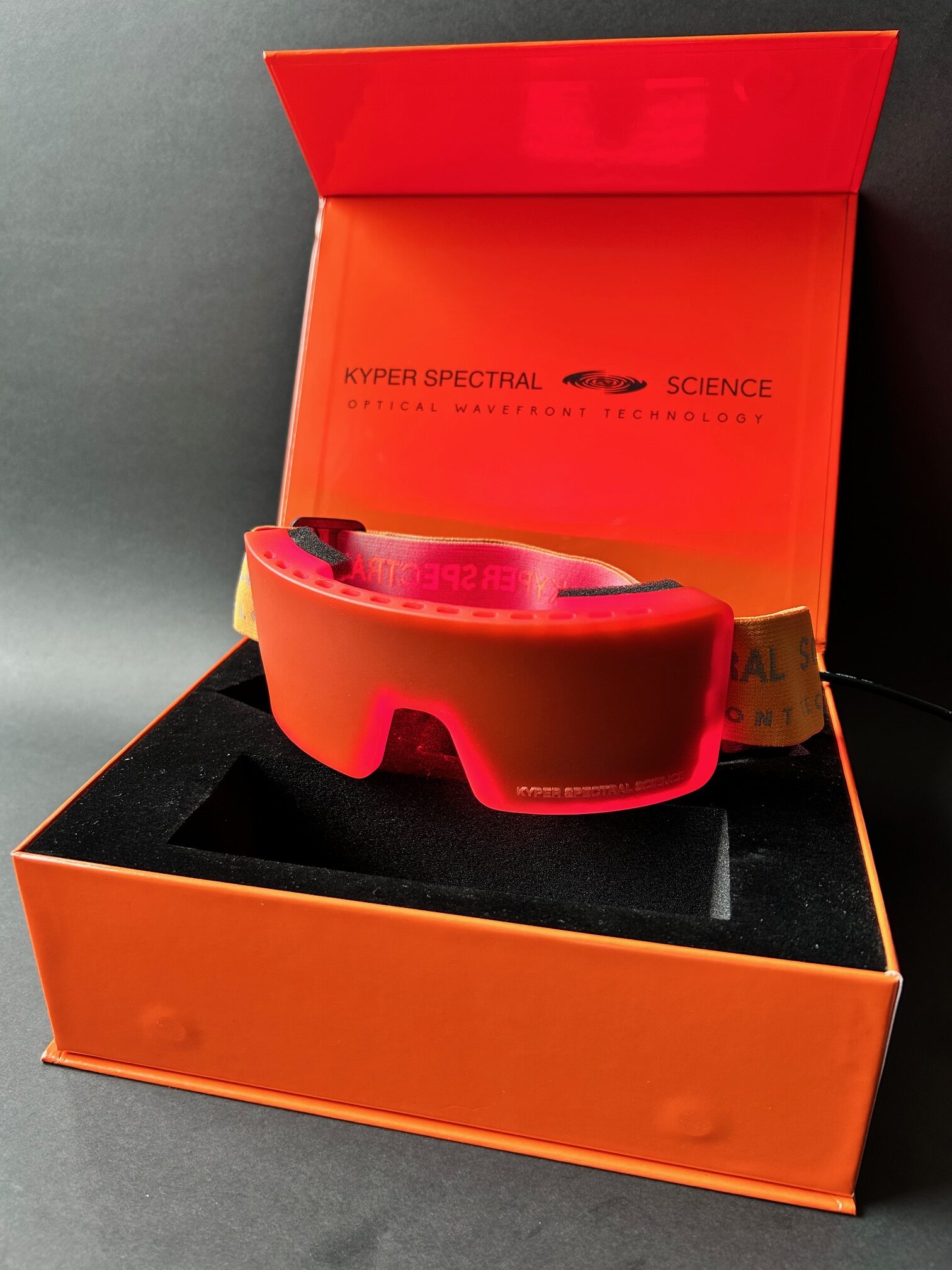
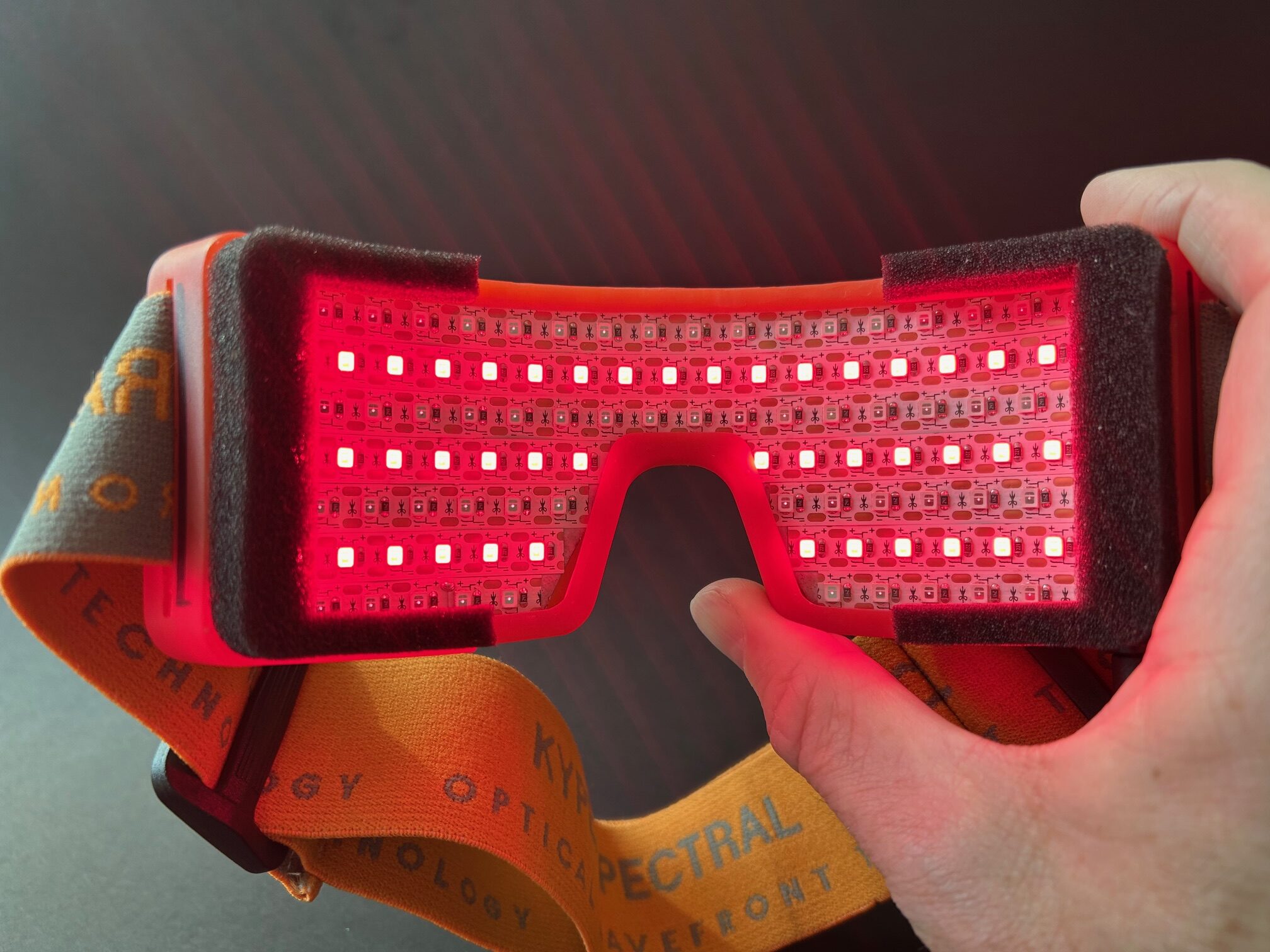
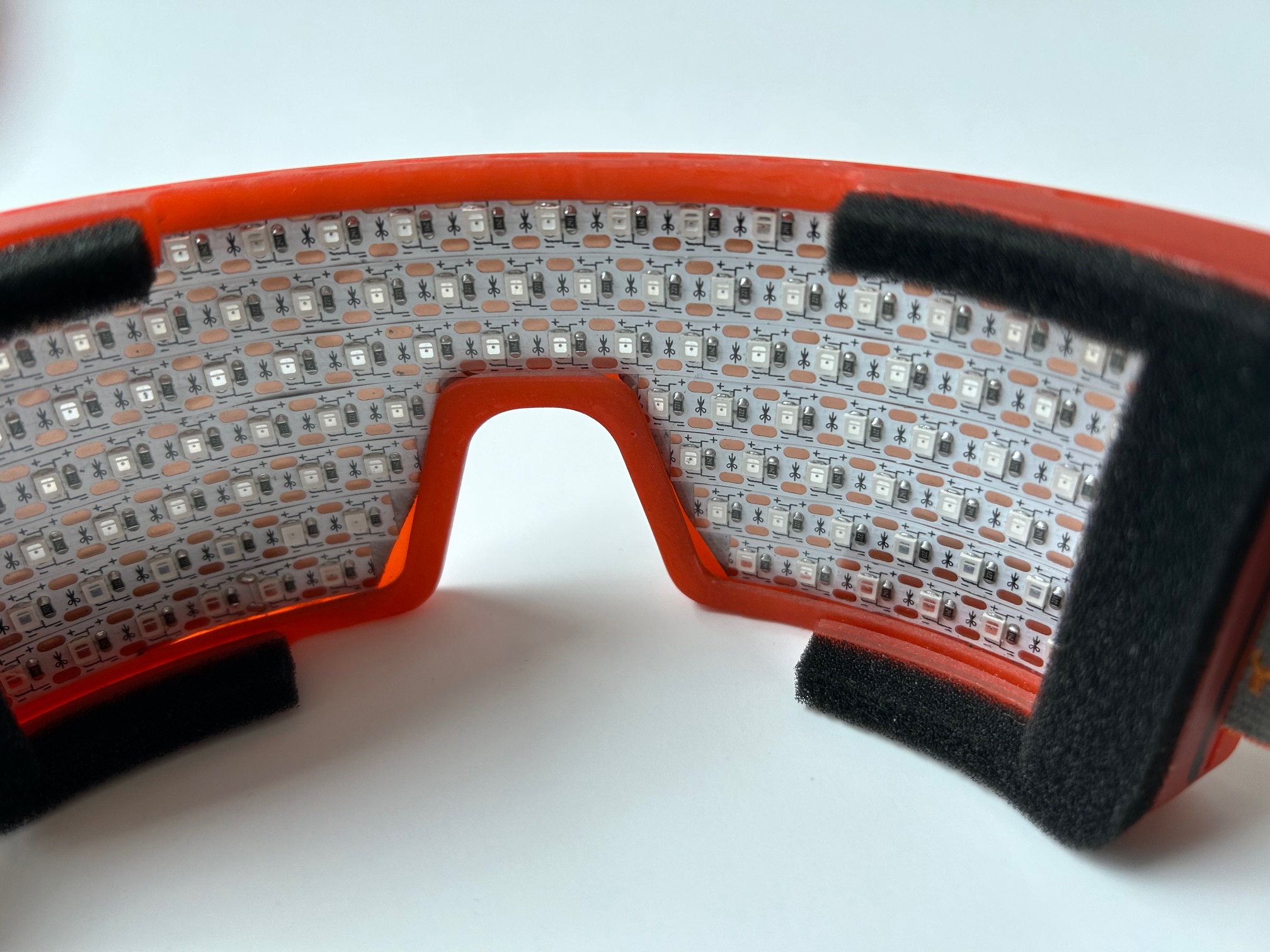
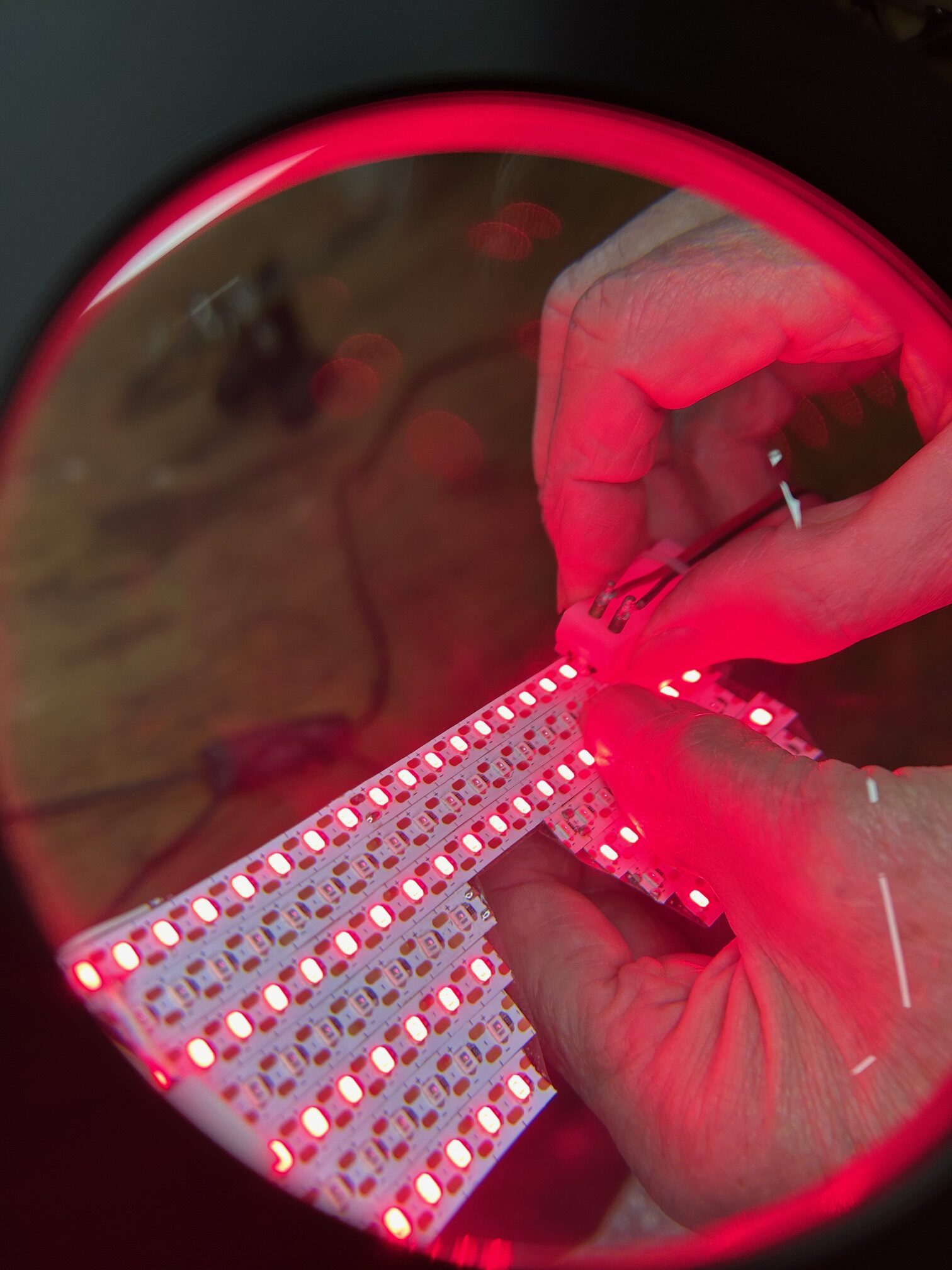
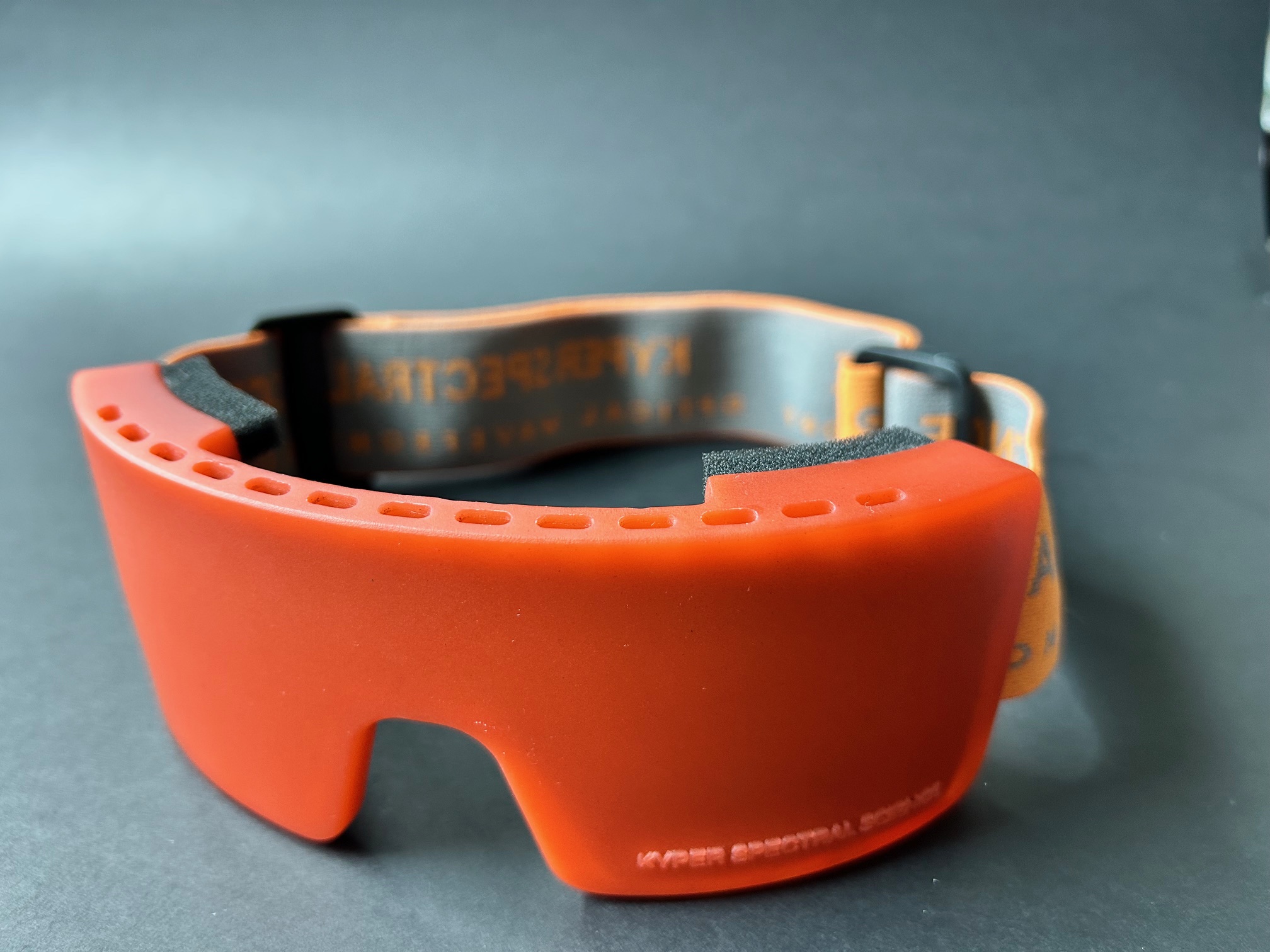
Park et al. used a 590→830 nm sequence at slightly higher diffuse fluence; the outcomes align with PBM’s known mitochondrial and inflammatory pathways. The Spectral WaveFront uses 670 nm and 810 nm with ocular-specific geometry and lower, non-contact fluence—supporting similar biologic mechanisms relevant to dry eye, eyelid-margin metabolism, and tear-film stability.
Link to original research here
Editor’s note: Park et al. 2022 provide controlled human data demonstrating that LED-based PBM can support signs and symptoms of dry eye and MGD. For comparison with the Spectral WaveFront’s wavelength selection, ocular-specific delivery, and non-thermal energy windows, see our WaveFront Evidence Alignment. Historical context on facial LED safety near the orbit is provided in earlier dermatologic applications. For foundational retinal mitochondrial support at similar near-infrared wavelengths, see Sivapathasuntharam 2017. Wavelength-specific comparisons between 670 nm and 830 nm neuroprotective effects are detailed in Giacci 2014.
Related Articles
- Low-Level Light Therapy in Dry Eye Disease – Antwi 2024
- Anti-Inflammatory Effect of Multi-Wavelength LED – Goo 2023
- Aging Retinal Function Improved by 670 nm NIR – Sivapathasuntharam 2017
- 670nm vs 830nm: Comparative Neuroprotection – Giacci 2014
- Heat Therapy for Meibomian Gland Dysfunction – Borchman 2019
Key Takeaways
- LED-based dual-wavelength protocol (590 nm + 830 nm) demonstrated safety and efficacy for dry eye and MGD
- Treatment delivered 60 J/cm² per session with no serious adverse events reported
- Same device previously proven safe for periorbital wound healing and herpes zoster ophthalmicus
- Randomized, observer-masked design supports LED-LLLT as a beneficial dry eye intervention
Study Overview
| Study Type: | Randomized controlled trial (observer-masked) |
| Wavelength(s): | 590 nm (1 min) + 830 nm (10 min) |
| Treatment Protocol: | LED array; 590 nm at 50 µW/cm², 830 nm at 100 mW/cm²; total ~60 J/cm² per session |
| Sample Size: | Dry eye and MGD patients |
| Primary Outcome: | Safe and beneficial for dry eye and MGD with no serious adverse events |
Full Citation
Park KY, et al. (2022). PBM low-level light therapy in patients with dry eye: a prospective, randomized, observer-masked trial. Scientific Reports, 12:3874. View Publication