Condition focus: Mitochondrial Function & Real-Time Metabolic Monitoring
While photobiomodulation’s effects on mitochondrial function have been inferred from ATP measurements and cellular outcomes, direct real-time observation of mitochondrial respiratory changes during light exposure remained unexplored. This study employed novel optical monitoring techniques to visualize retinal mitochondrial redox state changes in real-time during 670 nm light exposure. Researchers used flavoprotein fluorescence imaging to track mitochondrial respiration dynamics in isolated rat retinas, measuring oxidized flavoprotein levels that reflect mitochondrial electron transport chain activity during and after near-infrared treatment.
Results demonstrated immediate increases in mitochondrial oxidized flavoprotein signals during 670 nm exposure, indicating enhanced electron transport chain flux and increased oxidative phosphorylation. The redox state changes occurred within seconds of light application and persisted after treatment cessation, suggesting sustained metabolic enhancement. Dose-response analysis revealed optimal wavelength specificity at 670 nm compared to other wavelengths tested. Oxygen consumption measurements confirmed that enhanced flavoprotein oxidation correlated with increased ATP production. These findings provide the first direct real-time visualization of photobiomodulation’s immediate mitochondrial effects, establishing that 670 nm light directly stimulates electron transport chain activity rather than acting through secondary mechanisms, and validating the rapid onset of metabolic enhancement underlying photobiomodulation’s therapeutic effects.
WaveFront Alignment:
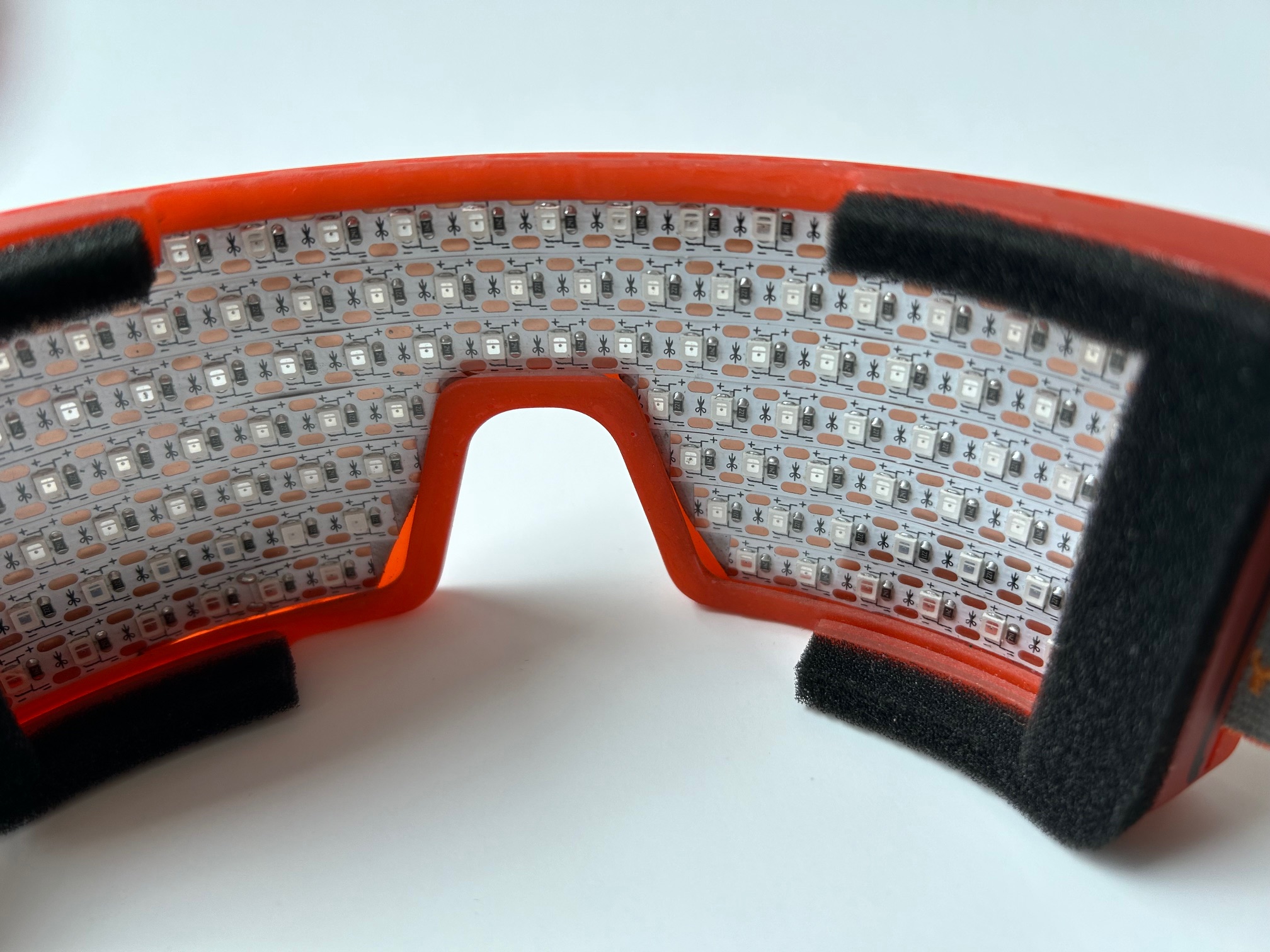
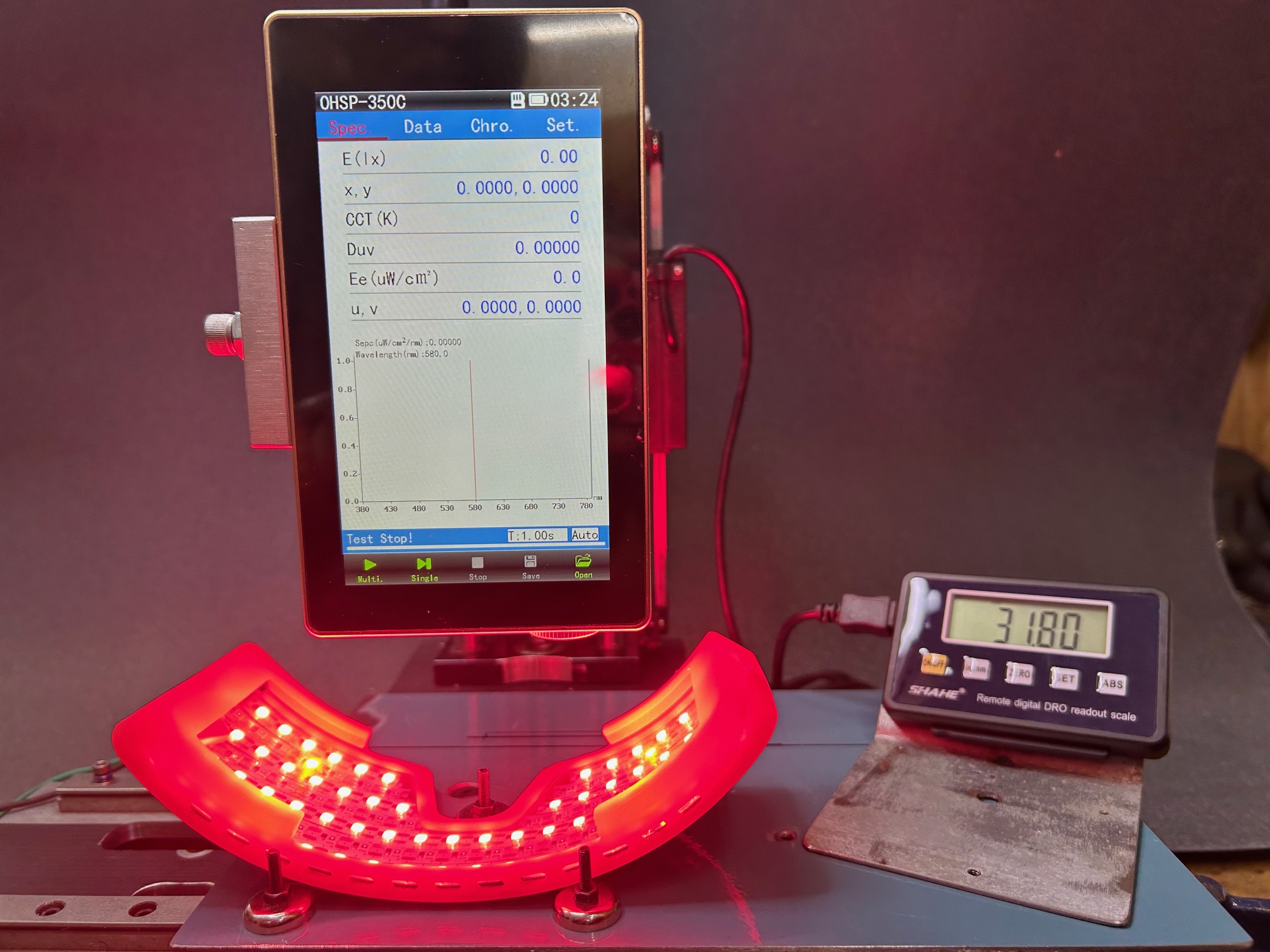
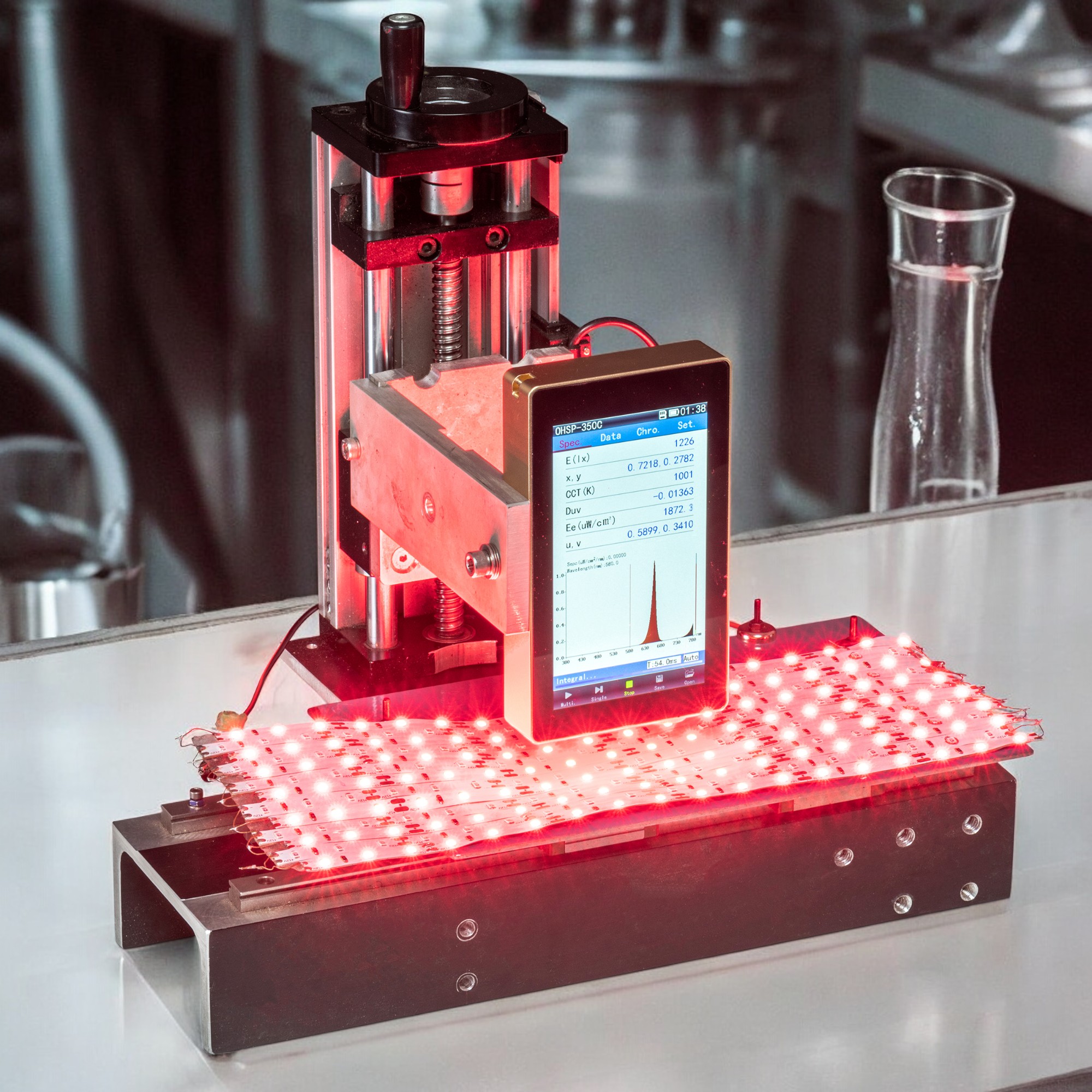
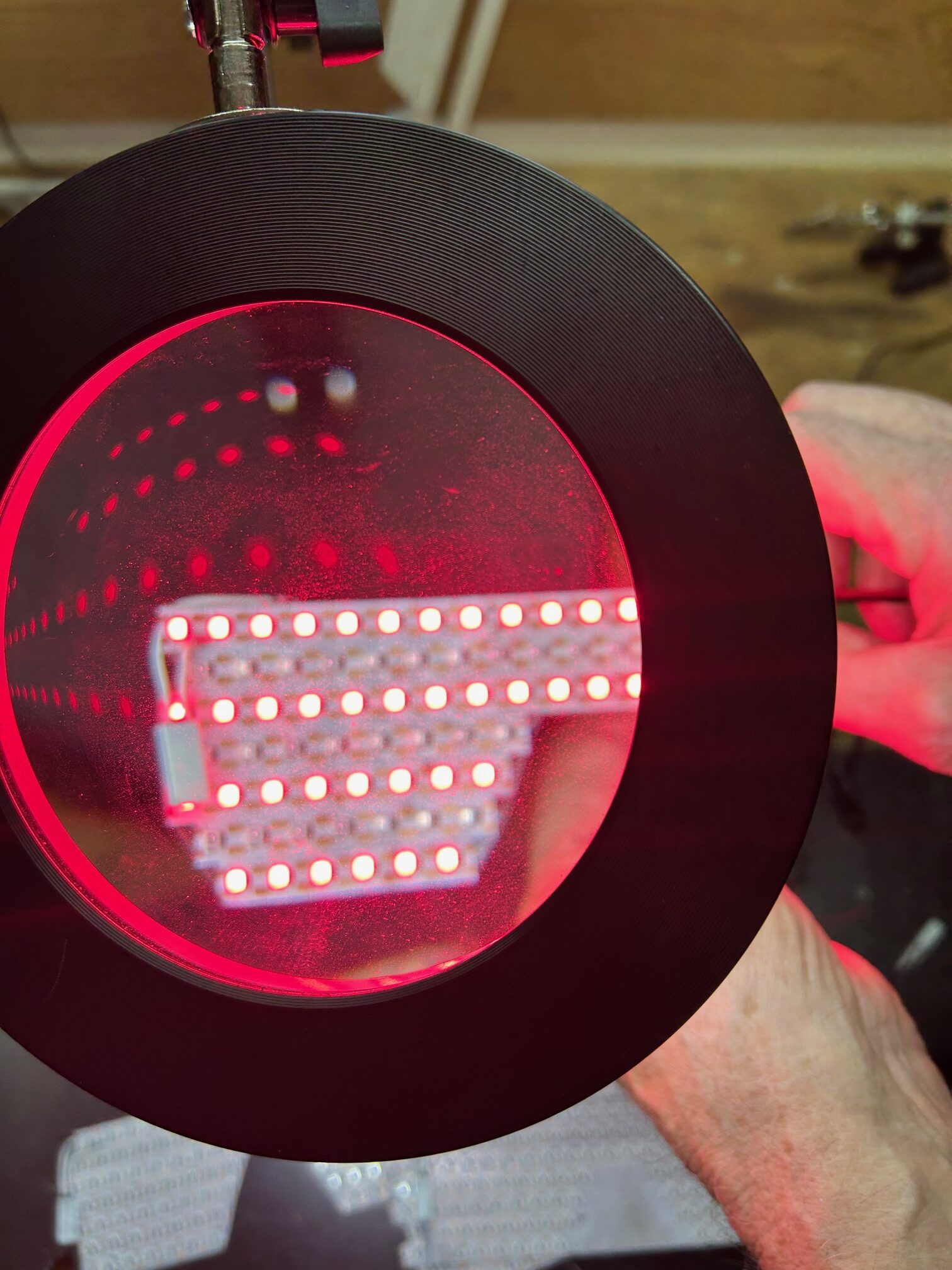
Kaynezhad’s real-time visualization of 670 nm stimulating mitochondrial electron transport provides direct mechanistic validation for the Spectral WaveFront’s wavelength selection, confirming immediate metabolic enhancement at the subcellular level underlying clinical photobiomodulation benefits.
Read full article here
Editor’s note: Kaynezhad 2016 provides first real-time visualization of 670 nm mitochondrial effects. For related ATP enhancement evidence, see Gkotsi 2014 and Calaza 2015. Broader mitochondrial mechanisms appear in Beirne 2017 and Feher 2006. Wavelength specificity comparison in Giacci 2014.
Related Articles
- Recharging Mitochondrial Batteries in Old Eyes – Gkotsi 2014
- Mitochondrial Decline in CFH Knockout Corrected by NIR – Calaza 2015
- Photostimulation of Mitochondria for Retinal Neurodegeneration – Beirne 2017
- Mitochondrial Alterations of RPE in AMD – Feher 2006
- 670nm vs 830nm: Comparative Neuroprotection – Giacci 2014
Key Takeaways
- Real-time imaging showed immediate mitochondrial oxidized flavoprotein increases during 670 nm exposure
- Enhanced electron transport chain flux occurred within seconds with sustained effects after treatment
- Optimal wavelength specificity at 670 nm confirmed through dose-response analysis
- First direct visualization proving 670 nm immediately stimulates electron transport rather than acting through secondary mechanisms
Study Overview
| Study Type: | Ex vivo mechanistic research (real-time optical monitoring) |
| Wavelength(s): | 670 nm (near-infrared, compared to other wavelengths) |
| Treatment Protocol: | Flavoprotein fluorescence imaging during light exposure in isolated rat retinas |
| Sample Size: | Isolated rat retinas with real-time metabolic imaging |
| Primary Outcome: | Immediate enhanced electron transport chain activity with wavelength-specific optimization at 670 nm |
Full Citation
Kaynezhad P, et al. (2016). Optical monitoring of retinal respiration in real-time: 670 nm light increases the redox state of mitochondria. Exp Eye Res, 152:88-98. View Publication