Condition focus: Foundational Research & Safety
As low-level laser therapy emerged as a potential ophthalmic intervention in the early 1990s, fundamental questions about safety, tissue penetration, and biological effects required systematic investigation. This foundational study examined the effects of low-energy laser irradiation on ocular tissues using multiple wavelengths and power densities. Experimental protocols evaluated retinal, corneal, and lens responses to various laser parameters, establishing baseline safety thresholds and identifying beneficial biological effects.
Results demonstrated that appropriately dosed low-level laser therapy could stimulate beneficial cellular responses without causing tissue damage. The study identified wavelength-specific penetration depths and established power density ranges that produced therapeutic effects while maintaining safety margins. Histological examination confirmed absence of thermal injury at therapeutic doses, while biochemical analyses revealed enhanced cellular metabolism and reduced oxidative stress markers. These early findings provided critical safety data and mechanistic insights that informed subsequent clinical applications of photobiomodulation in ophthalmology, establishing foundational parameters still referenced in contemporary protocols.
WaveFront Alignment:
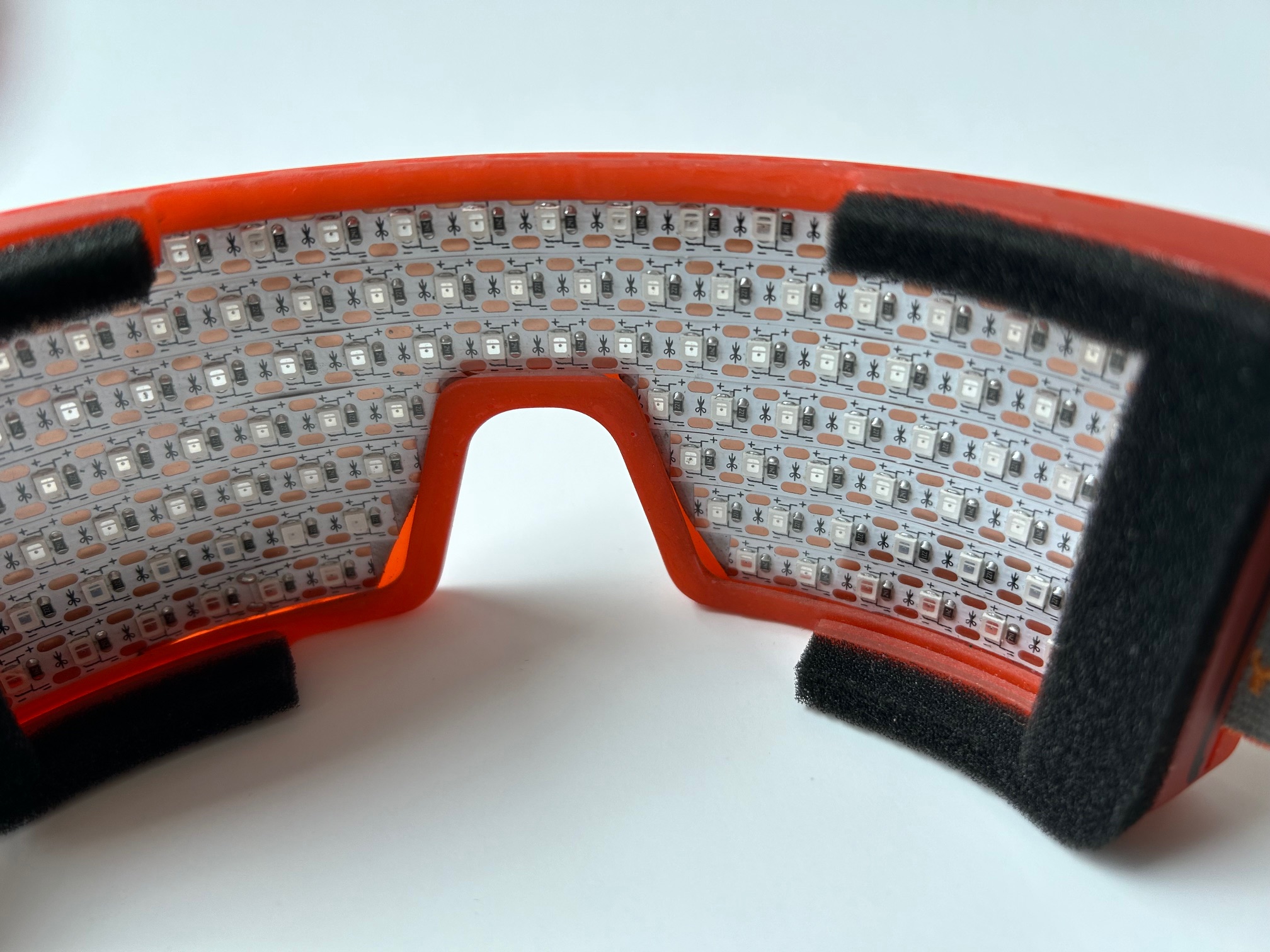
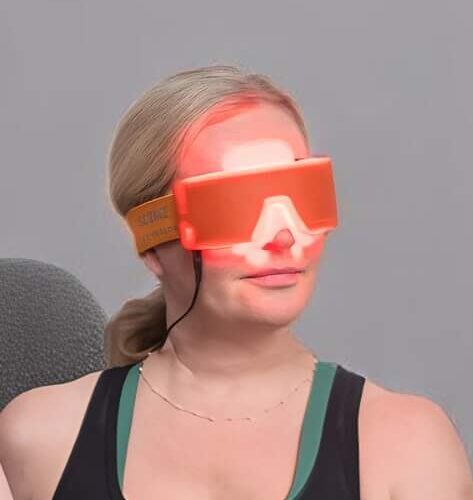
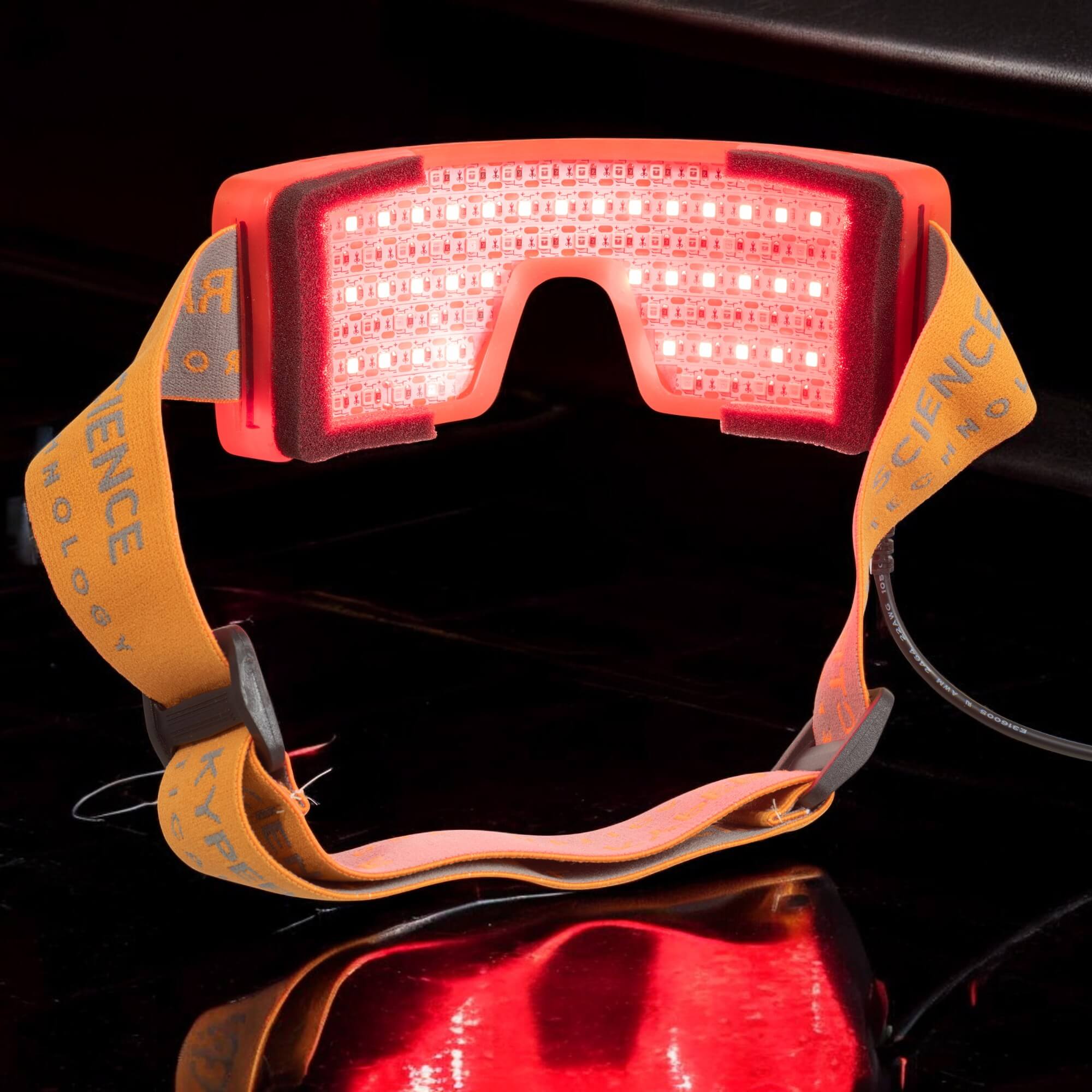
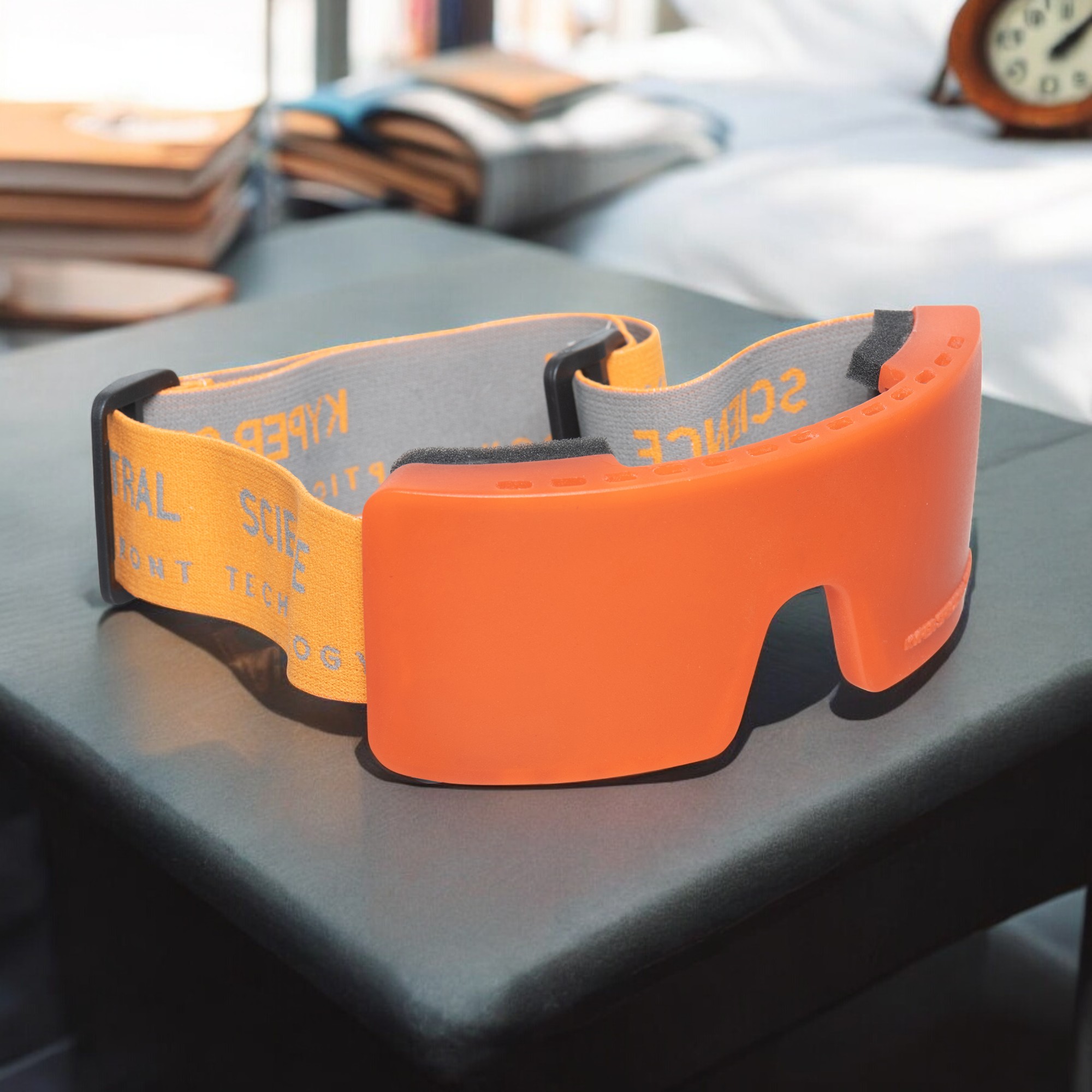
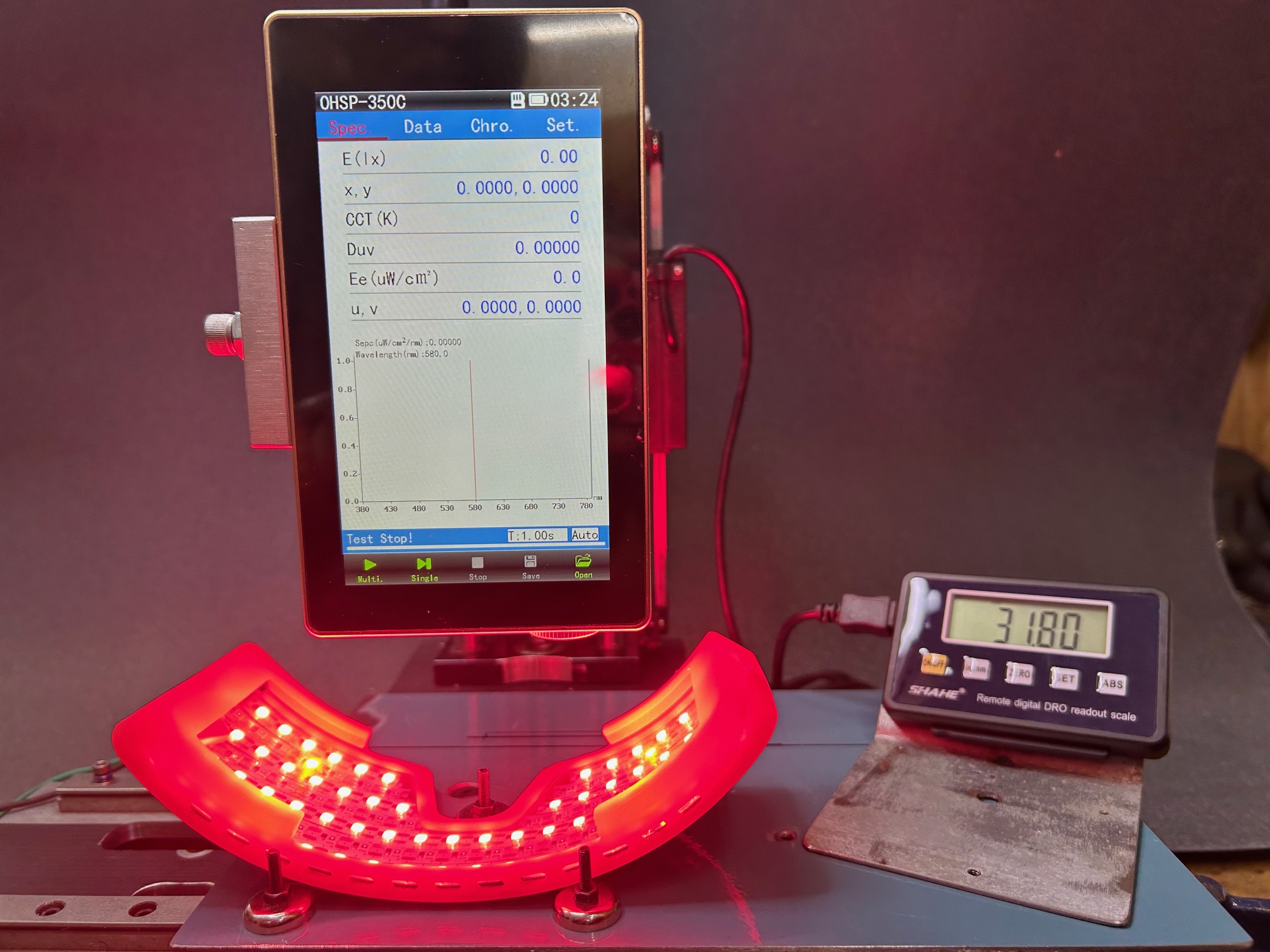
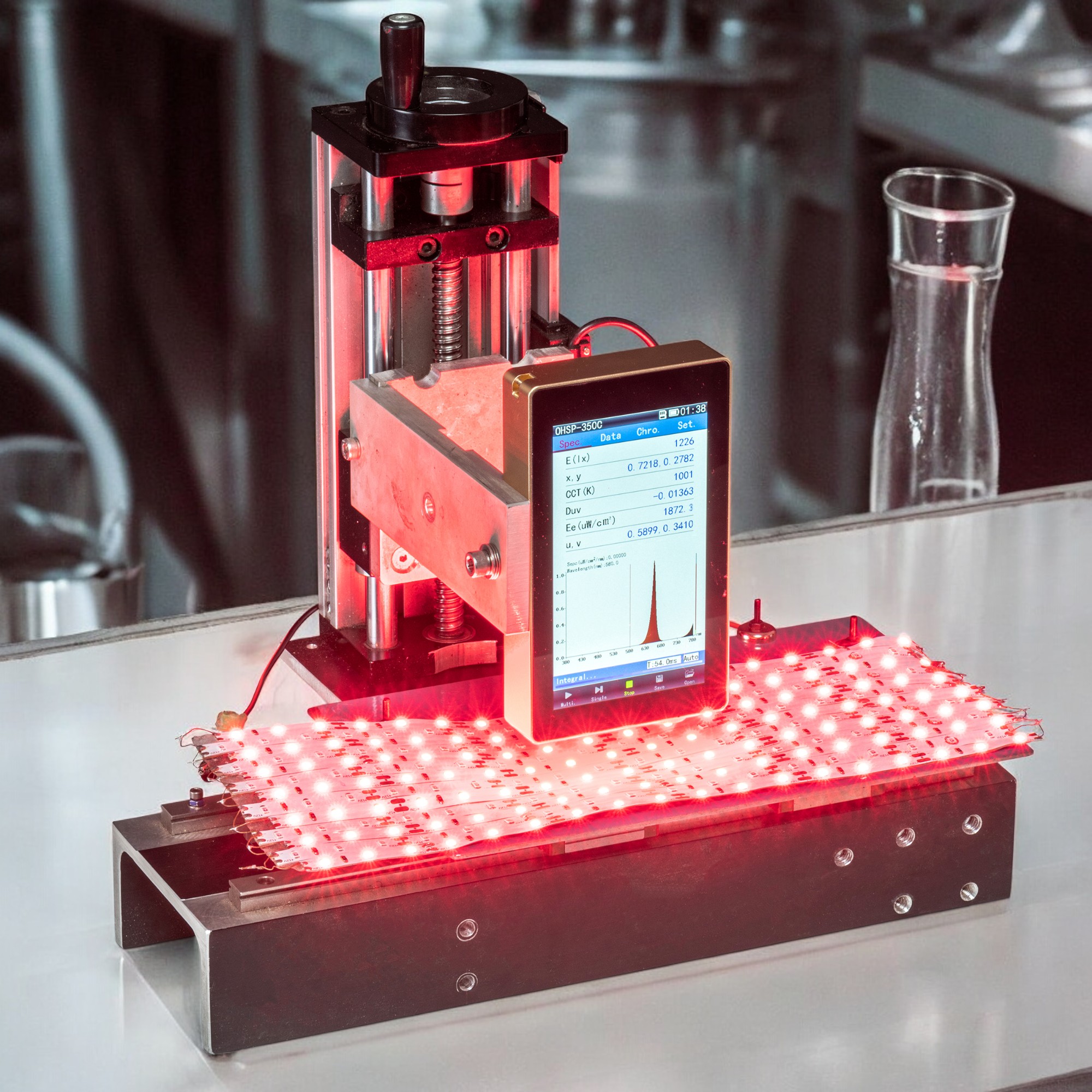
Belkin’s foundational safety and dosimetry work established critical parameters for ophthalmic photobiomodulation that continue to inform device development, including the Spectral WaveFront’s power density ranges and treatment duration protocols based on established safety thresholds.
Read full article here
Editor’s note: Belkin 1994 provides foundational safety and dosimetry data for ophthalmic laser therapy. For subsequent safety studies, see Prokofeva 1996. Clinical translation context appears in Valter 2024 and Garg 2024. Mechanistic foundations in Beirne 2017.
Related Articles
- Effects of Low-Intensity Infrared Laser Irradiation – Prokofeva 1996
- Photobiomodulation Use in Ophthalmology – Valter 2024
- PBM in Ophthalmology: Comprehensive Review – Garg 2024
- Photostimulation of Mitochondria for Retinal Neurodegeneration – Beirne 2017
- Therapeutic PBM for Methanol-Induced Retinal Toxicity – Eells 2003
Key Takeaways
- Established safety thresholds and power density ranges for ophthalmic low-level laser therapy
- Demonstrated wavelength-specific tissue penetration and therapeutic windows without thermal damage
- Histological and biochemical analyses confirmed enhanced cellular metabolism at therapeutic doses
- Foundational study providing safety data and parameters still referenced in contemporary protocols
Study Overview
| Study Type: | Foundational research (safety and dosimetry) |
| Wavelength(s): | Multiple wavelengths evaluated |
| Treatment Protocol: | Various power densities and exposure durations tested |
| Sample Size: | Experimental models with histological and biochemical assessment |
| Primary Outcome: | Established safety parameters and therapeutic windows for ophthalmic laser therapy |
Full Citation
Belkin M, Schwartz M, et al. (1994). Ophthalmic effects of low energy laser irradiation. Surv Ophthalmol, 38(3):293-302. View Publication