Condition focus: Retinal Injury & Disease – Translational Overview
As photobiomodulation research progressed from cellular studies to clinical applications, comprehensive integration of mechanistic understanding with therapeutic outcomes became essential for guiding clinical translation. This review synthesized evidence from the authors’ pioneering work on near-infrared photobiomodulation across diverse retinal injury and disease models, bridging bench-to-bedside applications. The analysis integrated findings from methanol-induced retinal toxicity, light-induced retinal degeneration, inherited retinal dystrophies, diabetic retinopathy, and age-related macular degeneration to identify common therapeutic mechanisms and optimal treatment parameters.
The review established that near-infrared light (particularly 670 nm) consistently protects retinal cells through cytochrome c oxidase activation, leading to enhanced ATP production, reduced oxidative stress, decreased inflammation, and improved cellular survival across diverse pathological conditions. Dose-response relationships demonstrated therapeutic windows with optimal effects at specific energy densities, while timing studies revealed both preventive and rescue treatment efficacy. The mechanistic framework showed that photobiomodulation addresses fundamental metabolic dysfunction underlying varied retinal pathologies rather than disease-specific mechanisms, explaining therapeutic breadth. Clinical translation challenges were identified including treatment protocol standardization, patient selection criteria, and outcome measure optimization. The analysis provided a comprehensive translational roadmap supporting photobiomodulation’s progression from experimental therapy to clinical practice.
WaveFront Alignment:
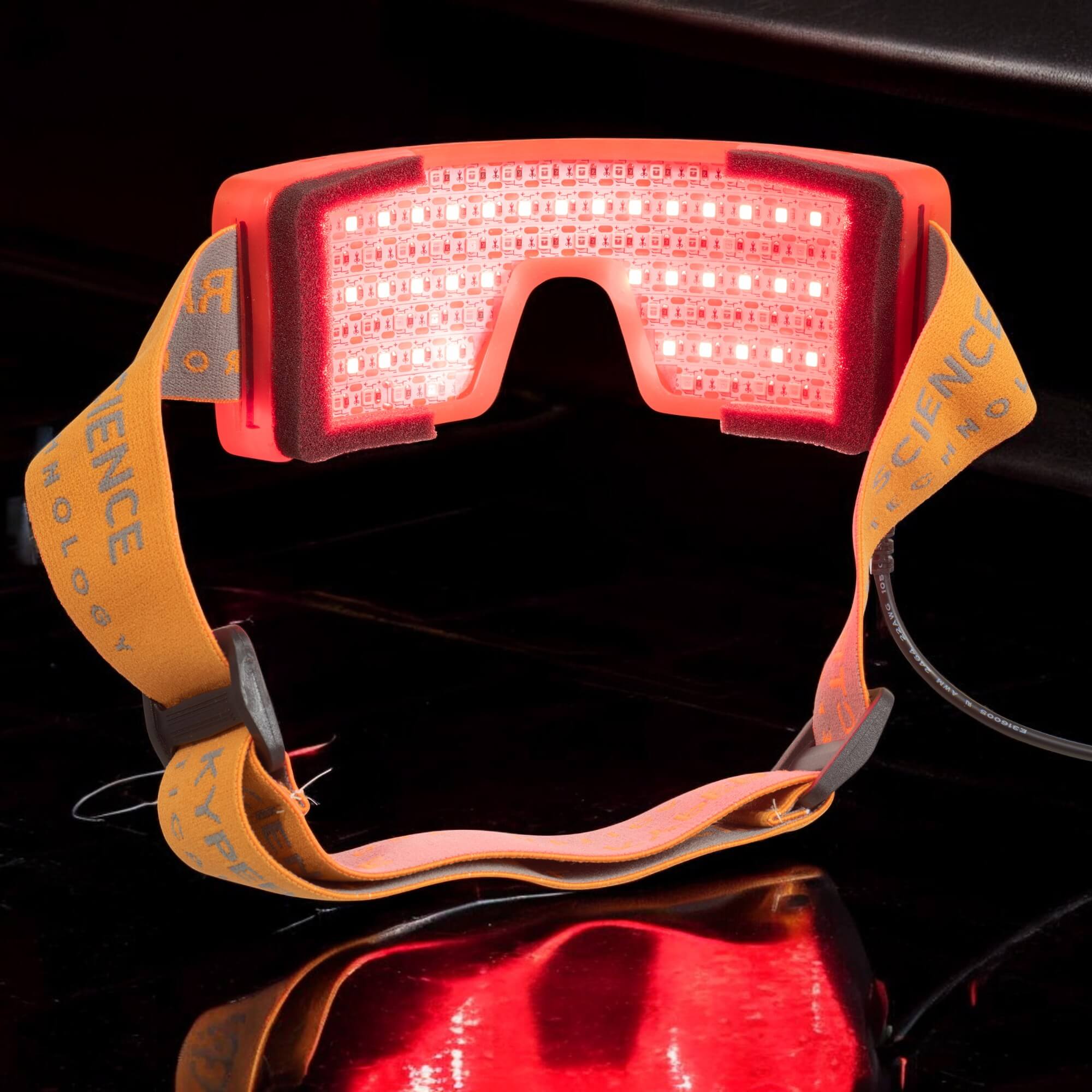
Eells’ translational synthesis validates the Spectral WaveFront’s foundational approach: targeting fundamental mitochondrial dysfunction across diverse retinal conditions through optimized 670 nm delivery, supported by decades of mechanistic research and early clinical evidence.
Read full article here
Editor’s note: Eells 2016 provides comprehensive translational overview integrating bench-to-bedside photobiomodulation research. For foundational methanol toxicity work, see Eells 2003. Related reviews include Geneva 2016, Valter 2024, and Garg 2024. Real-time mechanistic validation in Kaynezhad 2016.
Related Articles
- Therapeutic PBM for Methanol-Induced Retinal Toxicity – Eells 2003
- Photobiomodulation for Treatment of Retinal Diseases – Geneva 2016
- Photobiomodulation Use in Ophthalmology – Valter 2024
- PBM in Ophthalmology: Comprehensive Review – Garg 2024
- Optical Monitoring of Retinal Respiration – Kaynezhad 2016
Key Takeaways
- Near-infrared light (670 nm) consistently protects across diverse retinal pathologies through cytochrome c oxidase activation
- Therapeutic mechanisms address fundamental metabolic dysfunction rather than disease-specific pathways
- Dose-response relationships established therapeutic windows with both preventive and rescue efficacy
- Comprehensive translational roadmap supports progression from experimental therapy to clinical practice
Study Overview
| Study Type: | Translational review |
| Wavelength(s): | Near-infrared (670 nm emphasis) |
| Treatment Protocol: | Integration of methanol toxicity, light damage, inherited dystrophies, diabetic retinopathy, AMD studies |
| Sample Size: | Multi-model translational synthesis |
| Primary Outcome: | Established mechanistic framework and translational roadmap for clinical implementation |
Full Citation
Eells JT, et al. (2016). Near-infrared photobiomodulation in retinal injury and disease. Adv Exp Med Biol, 854:437-441. View Publication