Condition focus: Age-Related Macular Degeneration & Complement Dysregulation
Complement factor H (CFH) polymorphisms represent the most significant genetic risk factor for age-related macular degeneration, with CFH variants contributing to chronic inflammation and mitochondrial dysfunction in retinal cells. This study investigated whether near-infrared light could rescue mitochondrial decline in CFH knockout models that simulate genetic AMD susceptibility. CFH-deficient mice received 670 nm near-infrared LED treatment, with mitochondrial function, oxidative stress markers, and retinal structure assessed through biochemical analysis, electron microscopy, and histology.
Results demonstrated that near-infrared treatment significantly improved mitochondrial function in CFH knockout retinas, restoring ATP production to near wild-type levels despite continued complement dysregulation. Mitochondrial membrane potential was enhanced, oxidative phosphorylation efficiency improved, and reactive oxygen species generation decreased in treated CFH-deficient animals. Electron microscopy revealed improved mitochondrial cristae structure in treated retinas. Importantly, the mitochondrial rescue occurred independently of complement pathway normalization, indicating that photobiomodulation can bypass genetic complement defects by directly enhancing cellular energy metabolism. These findings establish that near-infrared treatment can compensate for genetic AMD risk factors through metabolic enhancement, offering therapeutic potential even in individuals with high-risk CFH variants.
WaveFront Alignment:
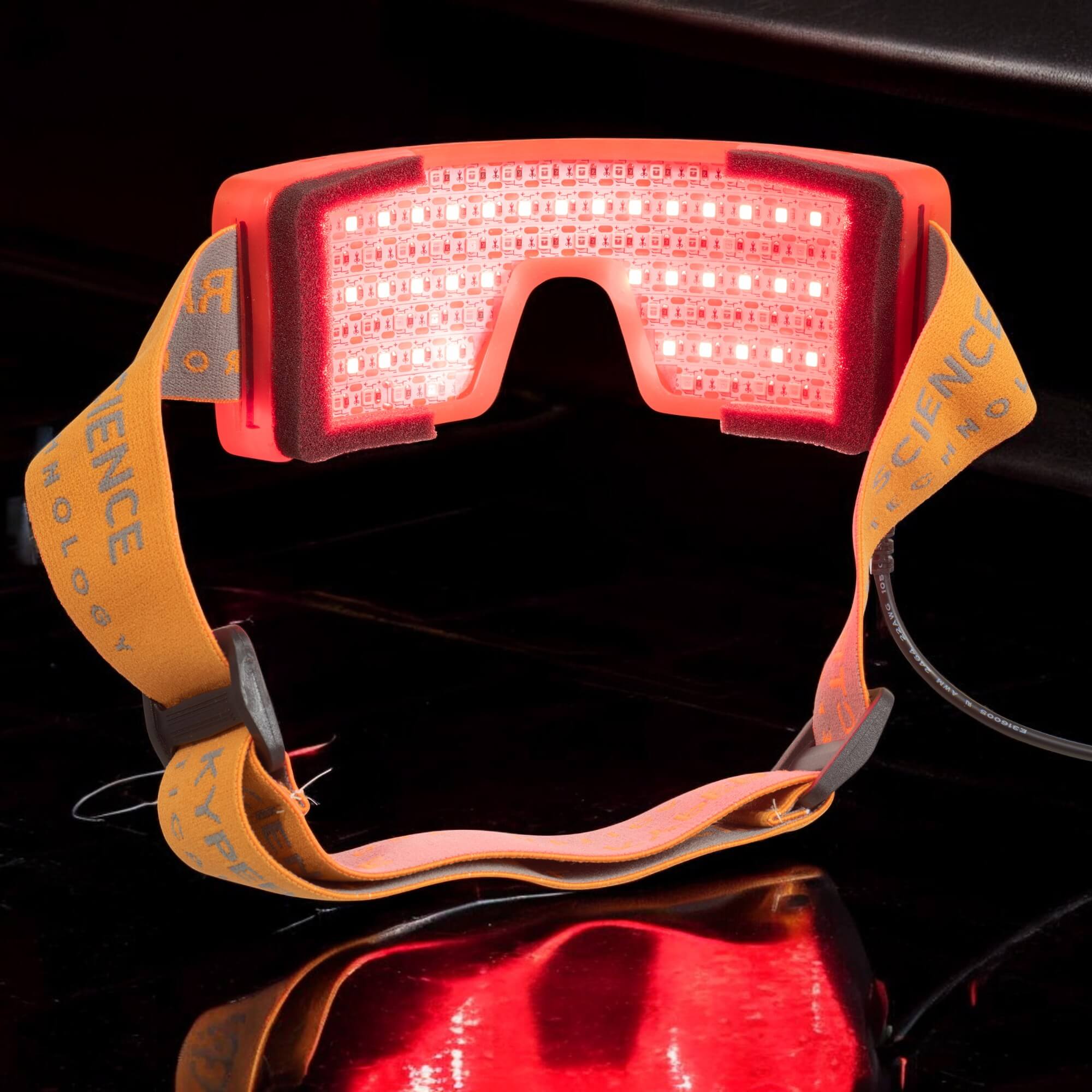
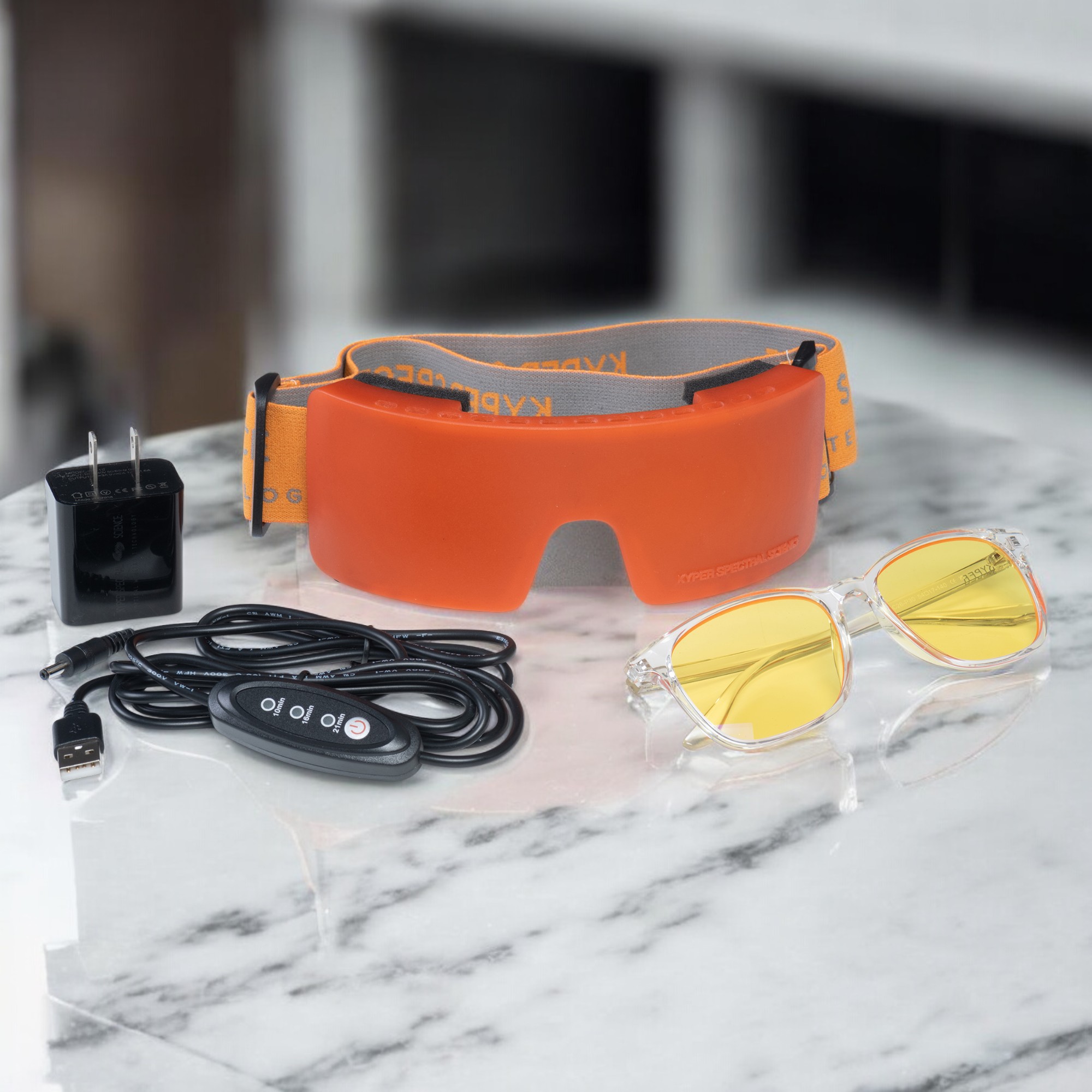
Calaza’s demonstration that near-infrared light rescues mitochondrial function despite CFH genetic defects validates the Spectral WaveFront’s potential for genetically at-risk AMD patients, showing photobiomodulation can compensate for inherited metabolic vulnerabilities through direct mitochondrial enhancement.
Read full article here
Editor’s note: Calaza 2015 demonstrates NIR can rescue mitochondrial decline in genetic AMD risk models. For related mitochondrial mechanisms, see Feher 2006 and Gkotsi 2014. Complement pathway context appears in Rutar 2012. Multi-hallmark therapeutic framework in Rodriguez-Santana 2013. Broader oxidative stress reduction in Fitzgerald 2010.
Related Articles
- Mitochondrial Alterations of RPE in AMD – Feher 2006
- Recharging Mitochondrial Batteries in Old Eyes – Gkotsi 2014
- 670 nm Light Reduces Complement Propagation – Rutar 2012
- Laser PBM as Multi-Hallmark Therapy for AMD – Rodriguez-Santana 2013
- NIR Reduces Oxidative Stress in Optic Nerve Injury – Fitzgerald 2010
Key Takeaways
- Near-infrared treatment restored ATP production to near wild-type levels in CFH knockout retinas
- Enhanced mitochondrial membrane potential and improved oxidative phosphorylation efficiency despite genetic complement defect
- Mitochondrial rescue occurred independently of complement pathway normalization
- Demonstrates photobiomodulation can compensate for genetic AMD risk factors through direct metabolic enhancement
Study Overview
| Study Type: | Animal model (genetic AMD risk – CFH knockout) |
| Wavelength(s): | 670 nm (near-infrared) |
| Treatment Protocol: | LED treatment in CFH-deficient mice with mitochondrial function assessment |
| Sample Size: | CFH knockout mouse models with biochemical and ultrastructural analysis |
| Primary Outcome: | Restored mitochondrial function independently of genetic complement defect correction |
Full Citation
Calaza KC, et al. (2015). Photobiomodulation rescues mitochondrial dysfunction in complement factor H knockout mice. Neuroscience, 284:496-508. View Publication