Condition focus: Dry Eye Disease & Meibomian Gland Dysfunction (MGD)
This study evaluated photobiomodulation and intense pulsed light therapy as rescue treatment options for patients with refractory meibomian gland dysfunction who had not responded adequately to conventional management strategies. Patients who had failed standard therapies including warm compresses, lid hygiene, and topical treatments received either PBM or IPL interventions. Results demonstrated that light-based therapies provided meaningful symptom relief and objective improvements in meibomian gland function for patients with treatment-resistant MGD.
The findings support light-based modalities as effective second-line options when first-line MGD treatments prove insufficient, offering new therapeutic pathways for patients with chronic, refractory dry eye disease.
WaveFront Alignment:
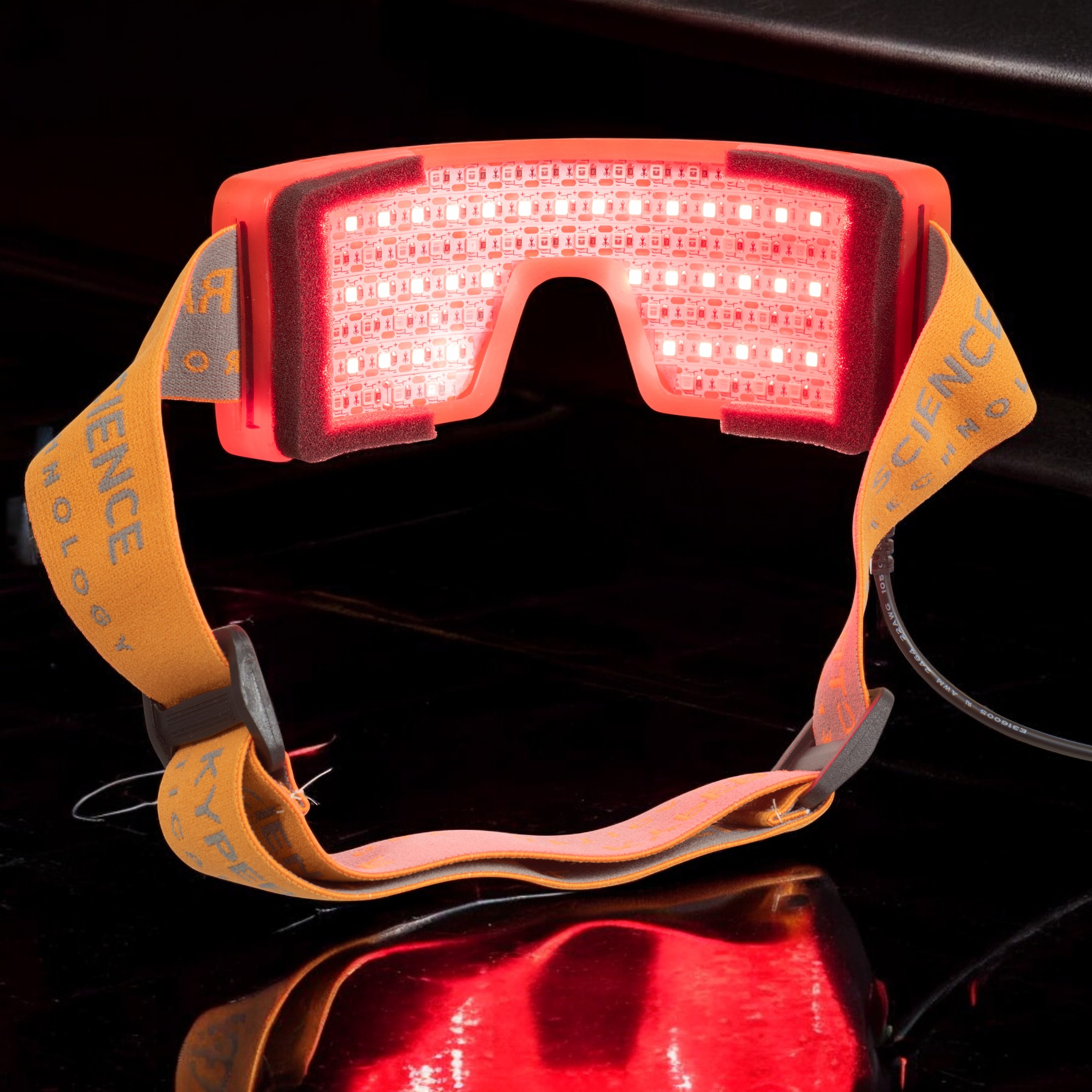
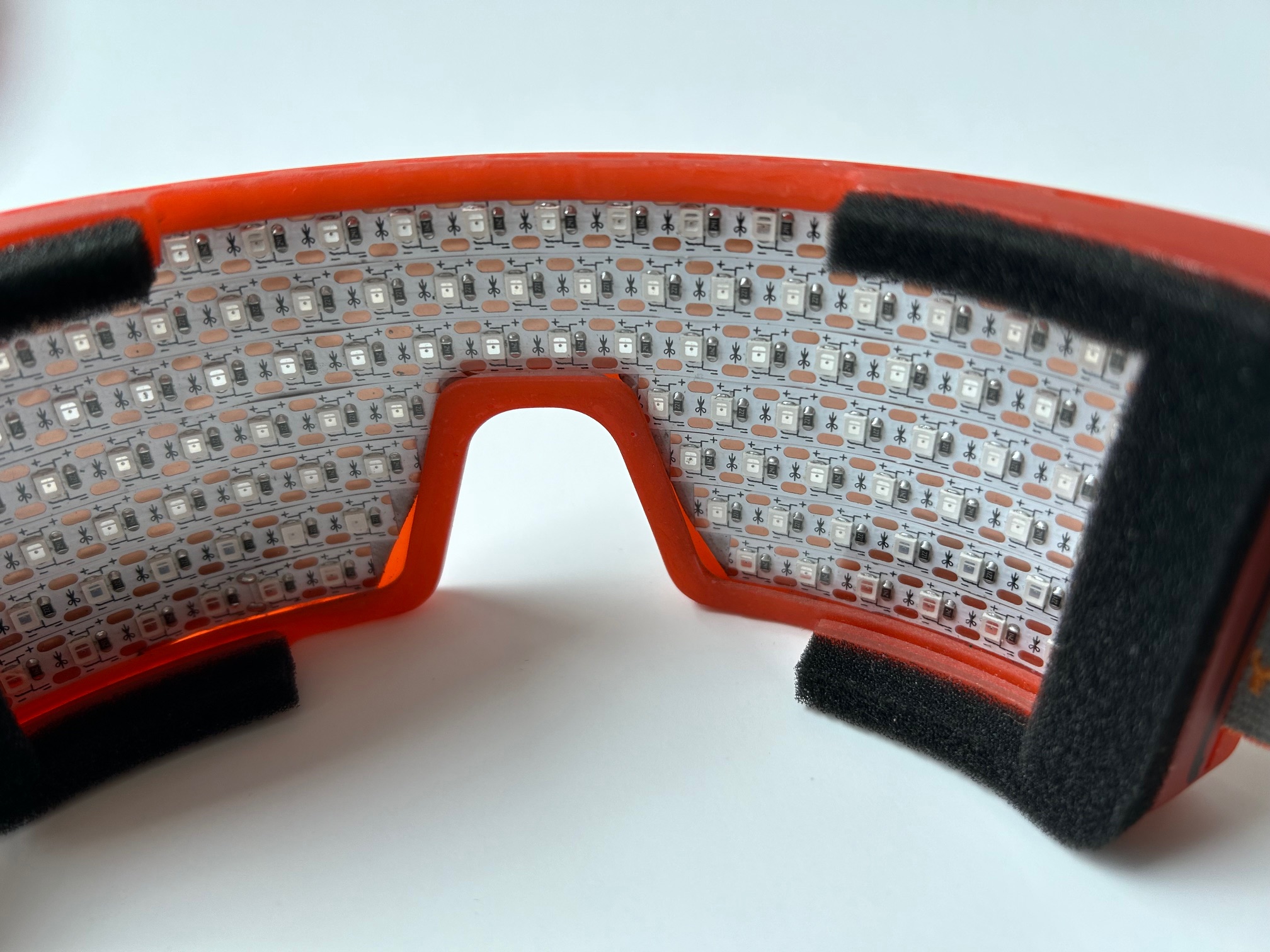
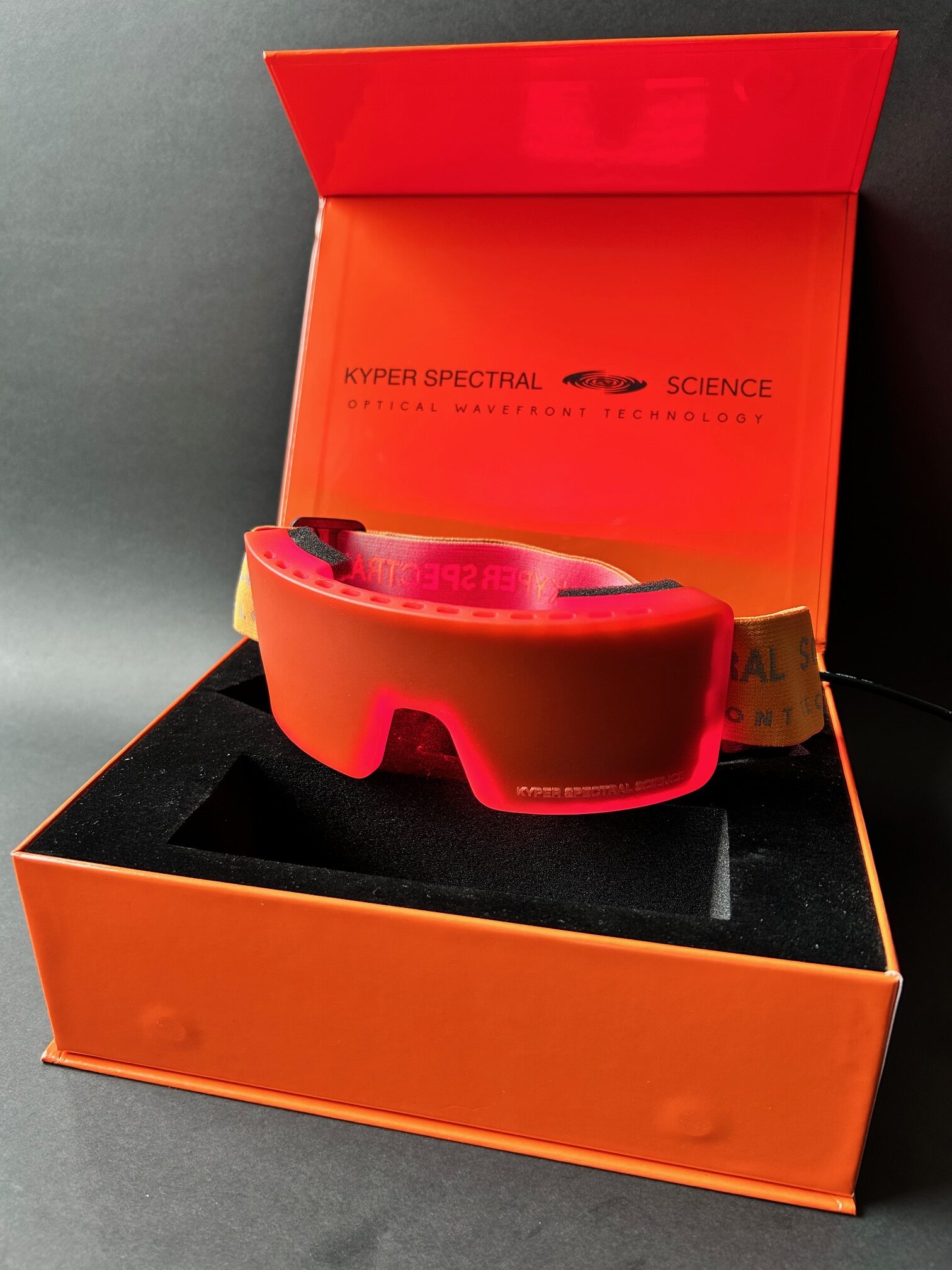
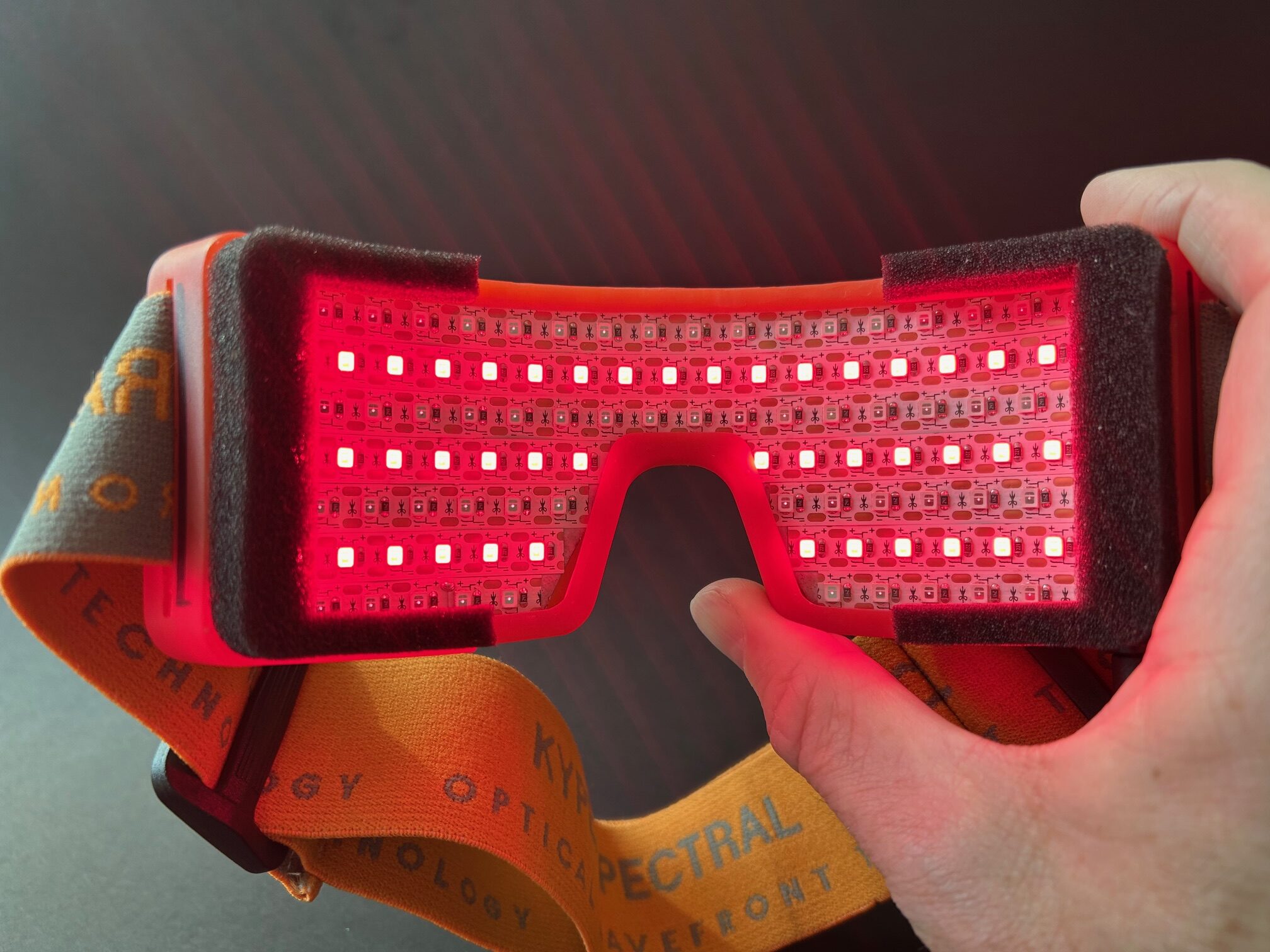
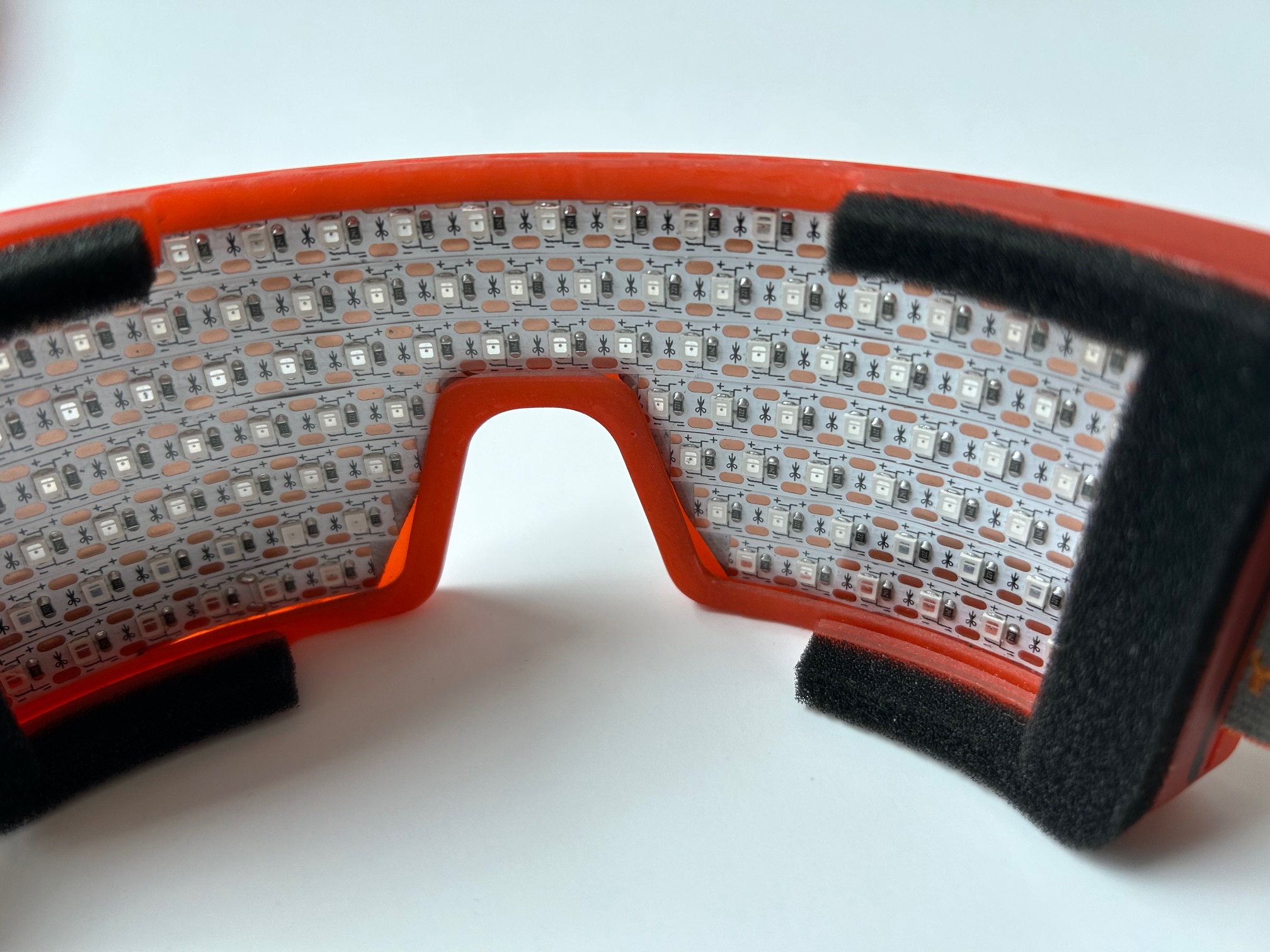
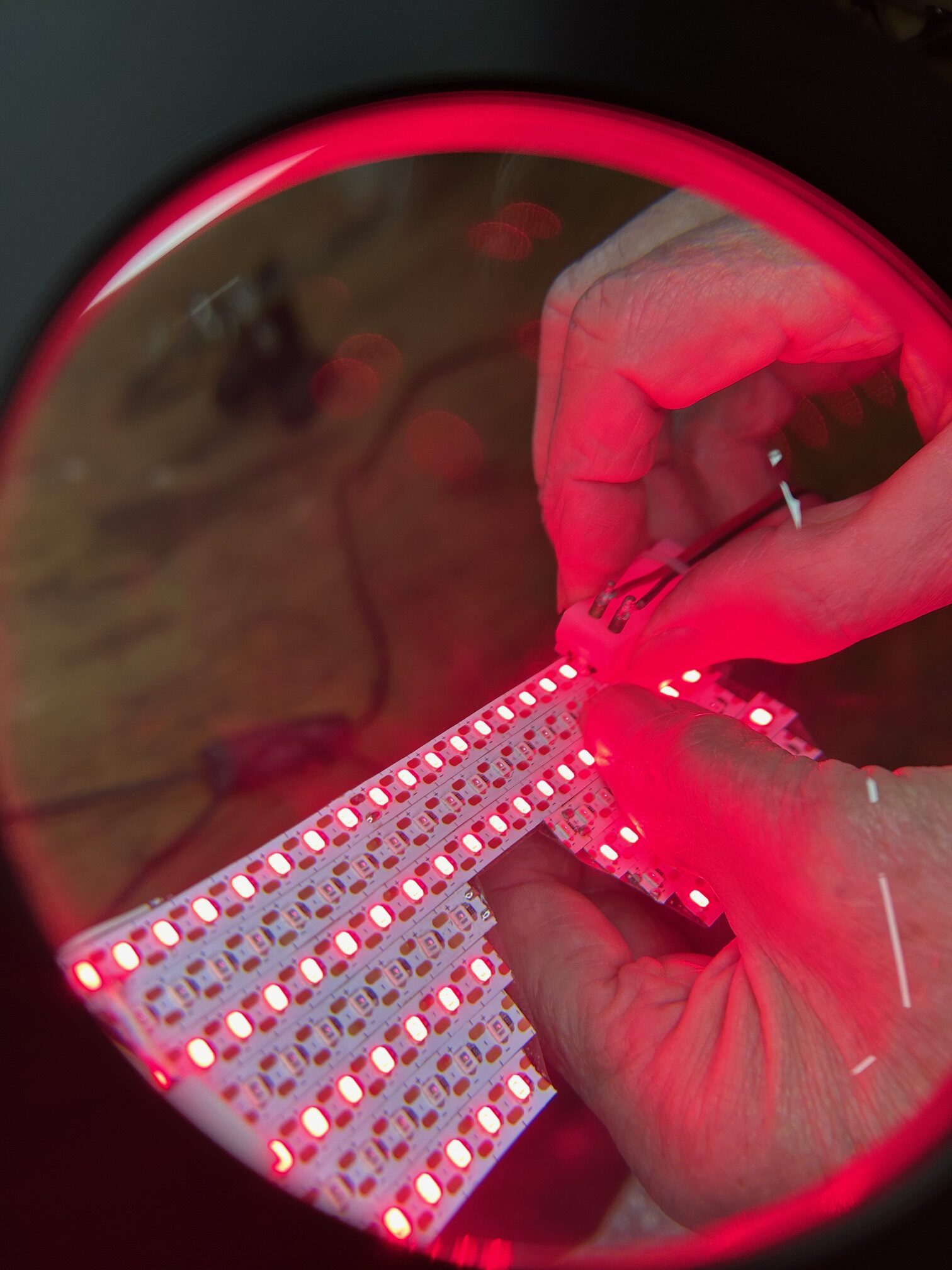
While this study evaluated both PBM and IPL protocols, the demonstrated benefits in refractory MGD support the rationale for the Spectral WaveFront’s 670 nm and 810 nm wavelengths. WaveFront’s non-thermal, mitochondrial-targeted approach addresses eyelid margin metabolism and inflammatory pathways relevant to meibomian gland function and tear film stability.
Link to original research here
Editor’s note: Solomos 2021 demonstrates that light-based therapies can benefit patients who fail conventional MGD management. For IPL outcomes in ocular rosacea and MGD, see Toyos 2015 and Shergill 2024. PBM-specific dry eye outcomes are detailed in Park 2022 and Antwi 2024. Thermal approaches to meibum lipid normalization are reviewed in Borchman 2019.
Related Articles
- Clinical Outcomes of IPL for MGD and Ocular Rosacea – Toyos 2015
- Review: IPL Treatment of Ocular Rosacea – Shergill 2024
- PBM Low-Level Light Therapy in Dry Eye – Park 2022
- Low-Level Light Therapy in Dry Eye Disease – Antwi 2024
- Heat Therapy for Meibomian Gland Dysfunction – Borchman 2019
Key Takeaways
- PBM and IPL provided symptom relief for patients with refractory MGD unresponsive to conventional treatments
- Light-based therapies demonstrated objective improvements in meibomian gland function
- Established light modalities as effective second-line options for treatment-resistant dry eye disease
- Study supports expanded therapeutic options beyond warm compresses and topical management
Study Overview
| Study Type: | Clinical study (rescue treatment) |
| Wavelength(s): | PBM and IPL protocols |
| Treatment Protocol: | Light-based therapy for refractory MGD cases |
| Sample Size: | Patients with treatment-resistant MGD |
| Primary Outcome: | Symptom relief and improved meibomian gland function in refractory cases |
Full Citation
Solomos A, et al. (2021). Meibomian gland dysfunction: photobiomodulation and intense pulsed light therapy as rescue treatment. Clinical Ophthalmology, 15:4567-4575. View Publication