Condition focus: Dry Eye Disease & Meibomian Gland Dysfunction (MGD)
Low-level light therapy or photobiomodulation, the application of red light to the eye, is used for the treatment of dry eye. Limited studies have investigated the efficacy of LLLT as a stand-alone treatment. This investigation aimed to evaluate the effect of LLLT on signs and symptoms of dry eye. Participants with mild to moderate dry eye were recruited for this three-visit study. Visits were 7 (±3) days apart and all participants received 633 nm LLLT for 15 min at each visit.
Clinical measures including first and average non-invasive keratograph tear break-up time (NIKBUT), tear meniscus height (TMH), meibomian gland loss for upper and lower eyelids, ocular surface disease index (OSDI) score, tear film lipid layer thickness, meibum quality score, Schirmer’s test, corneal fluorescein staining and eyelid temperature were measured before and after treatment. Low-level light therapy treatment significantly improved signs and symptoms of dry eye in the early phases of treatment, suggesting its efficacy for dry eye management.
WaveFront Alignment:
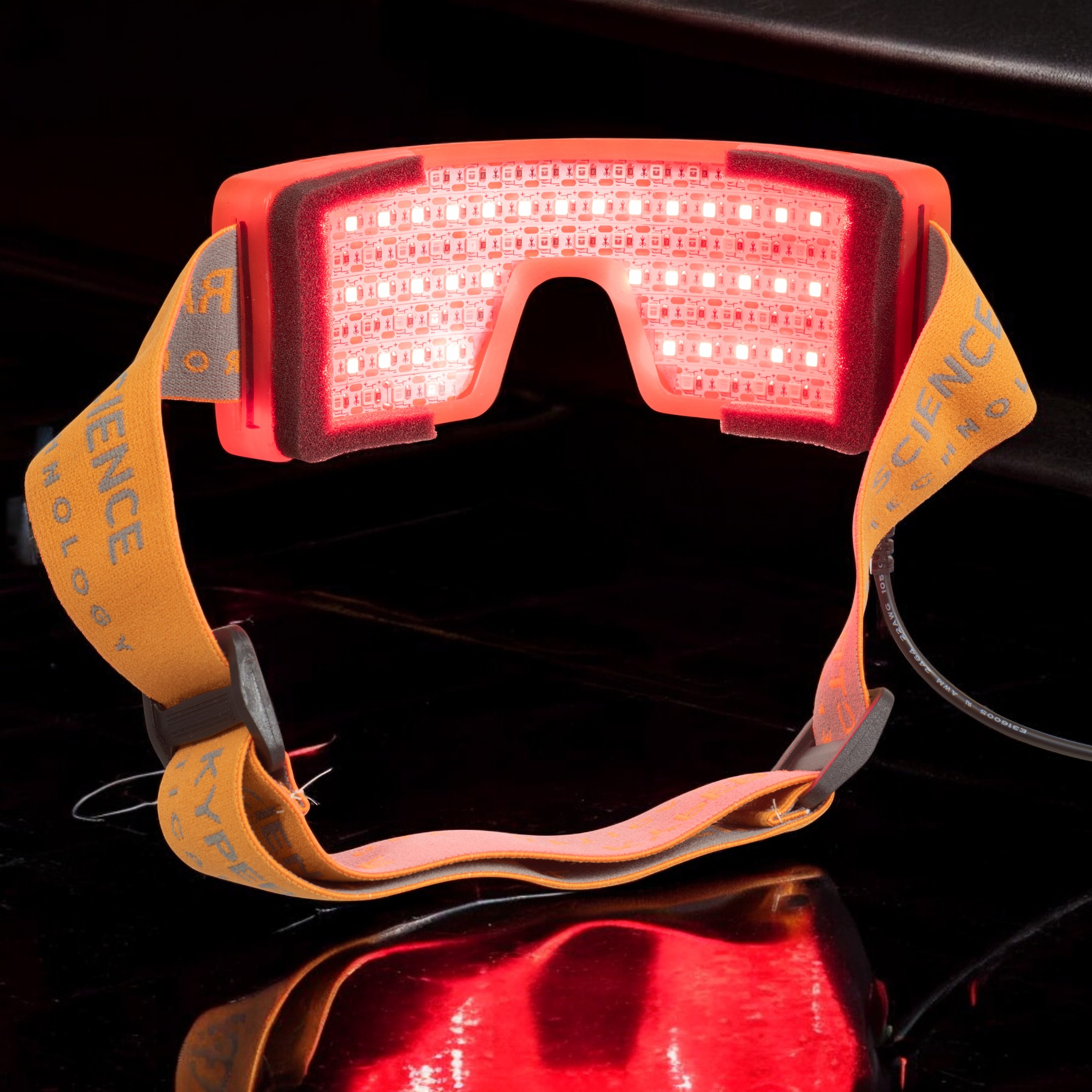
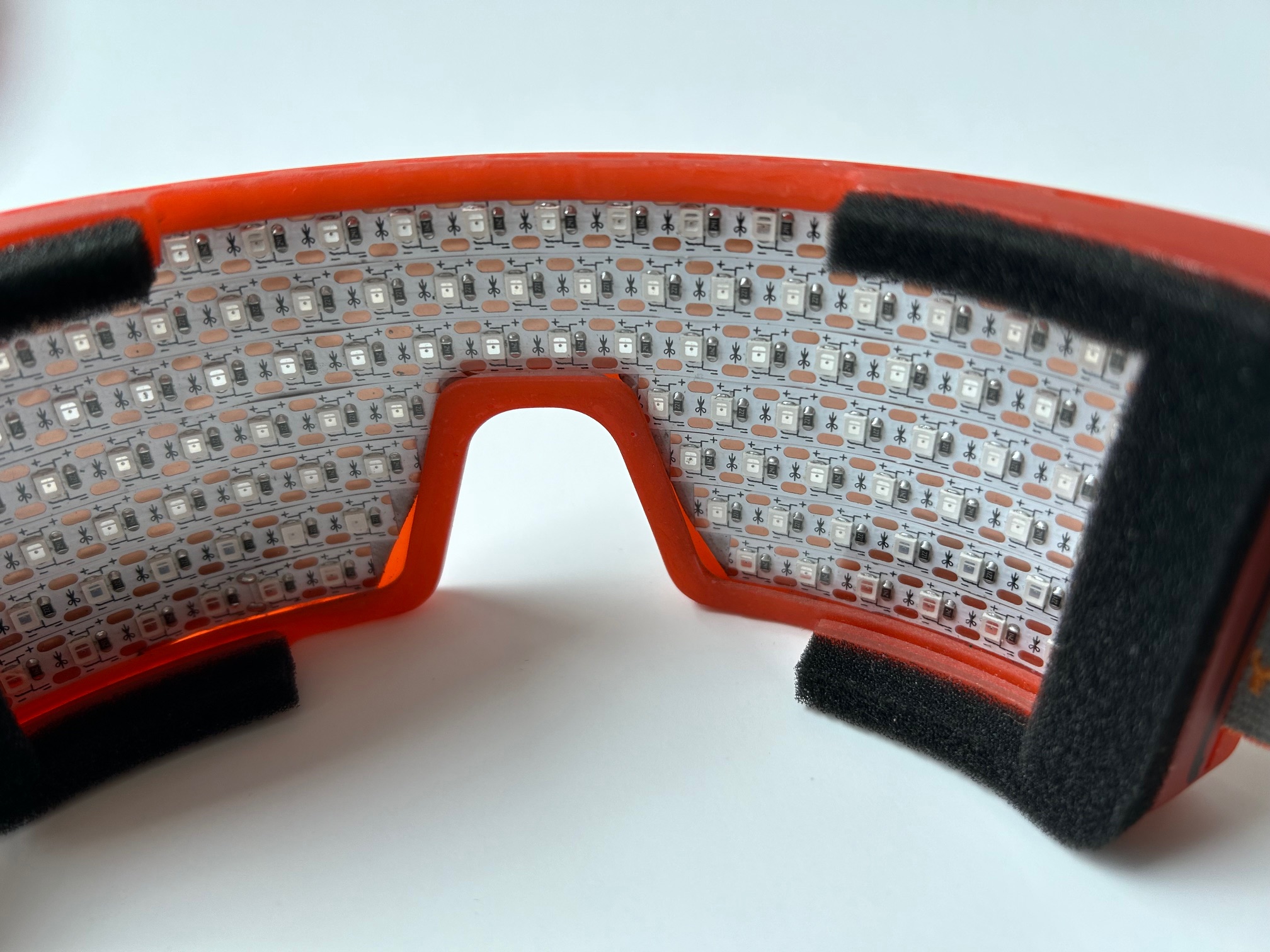
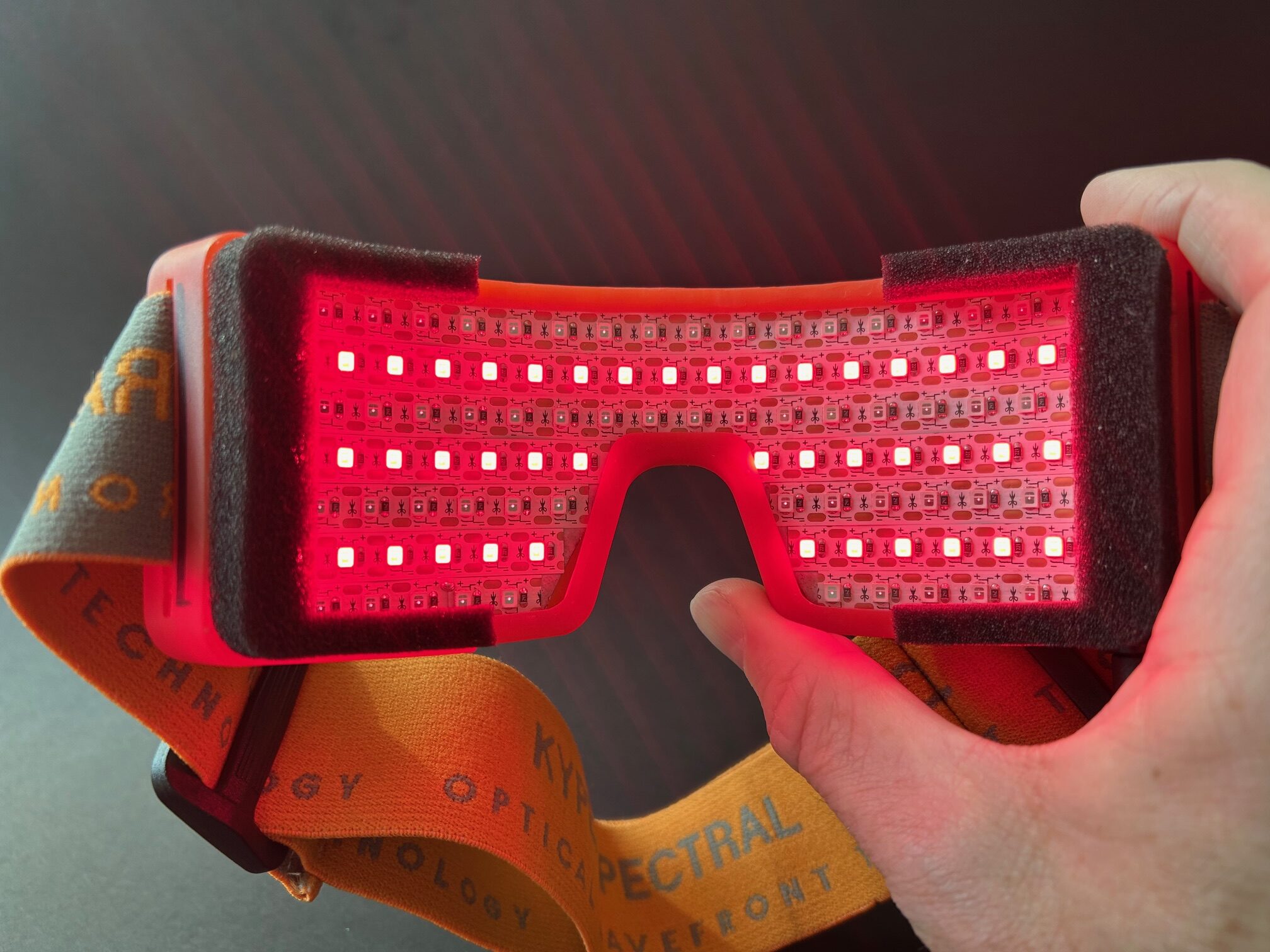
This study’s reported improvements in tear breakup time, symptom scores, and glandular metrics align with PBM’s known mitochondrial and inflammatory pathways. The Spectral WaveFront’s dual-wavelength design (670 nm and 810 nm) operates within the same biologic framework by supporting cytochrome c oxidase activity, oxidative balance, and eyelid-margin metabolism relevant to dry eye and MGD.
Link to original research here
Editor’s note: Antwi et al. 2024 provide human clinical data showing early improvements in tear-film stability and dry eye symptoms following PBM. For comparison with WaveFront wavelength selection and dosing rationale, see our WaveFront Evidence Alignment. Additional corroborating dry eye data appear in Park 2022, while multi-wavelength mechanistic context is provided in Goo 2023. IPL outcomes for refractory MGD are discussed in Solomos 2021.
Related Articles
- PBM Low-Level Light Therapy in Dry Eye – Park 2022
- Anti-Inflammatory Effect of Multi-Wavelength LED – Goo 2023
- MGD: PBM and IPL as Rescue Treatment – Solomos 2021
- Clinical Outcomes of IPL for MGD – Toyos 2015
- Heat Therapy for Meibomian Gland Dysfunction – Borchman 2019
Key Takeaways
- 633 nm LLLT significantly improved tear breakup time and OSDI scores in mild-to-moderate dry eye
- Meibomian gland function and tear film lipid layer thickness showed measurable improvement
- Three treatment sessions spaced 7 days apart demonstrated efficacy in early-phase intervention
- Stand-alone LLLT offers a non-invasive approach for dry eye symptom management
Study Overview
| Study Type: | Clinical trial |
| Wavelength(s): | 633 nm |
| Treatment Protocol: | 15 minutes per visit; 3 visits spaced 7 (±3) days apart |
| Sample Size: | Participants with mild to moderate dry eye |
| Primary Outcome: | Significant improvement in tear film stability and dry eye symptoms |
Full Citation
Antwi EK, et al. (2024). Low-level light therapy (PBM) in individuals with dry eye disease. Clinical and Experimental Optometry. View Publication