Condition focus: Amblyopia & Visual Acuity
Amblyopia traditionally has been considered treatable only during early childhood critical periods, with limited treatment options for adolescents and adults who missed early intervention. This clinical study evaluated whether low-level laser therapy could improve visual acuity in adolescent and adult amblyopic patients beyond conventional treatment windows. Patients aged 12-45 years with various forms of amblyopia (strabismic, anisometropic, and deprivation) received low-level laser photobiomodulation treatments, with visual acuity measured before treatment, immediately after, and at follow-up intervals.
Results demonstrated significant visual acuity improvements in the majority of treated patients, with mean improvement of 2-3 lines on the logMAR chart. Improvements were sustained at 6-month follow-up, indicating durable treatment effects. Patients with anisometropic amblyopia showed particularly robust responses, though improvements occurred across amblyopia subtypes. No adverse effects were observed. The findings challenge conventional understanding of amblyopia treatment windows, suggesting that photobiomodulation may enhance retinal and cortical plasticity even in mature visual systems. The mechanisms likely involve enhanced mitochondrial function in retinal neurons and possible modulation of cortical processing, offering new therapeutic opportunities for adolescent and adult amblyopic patients.
WaveFront Alignment:
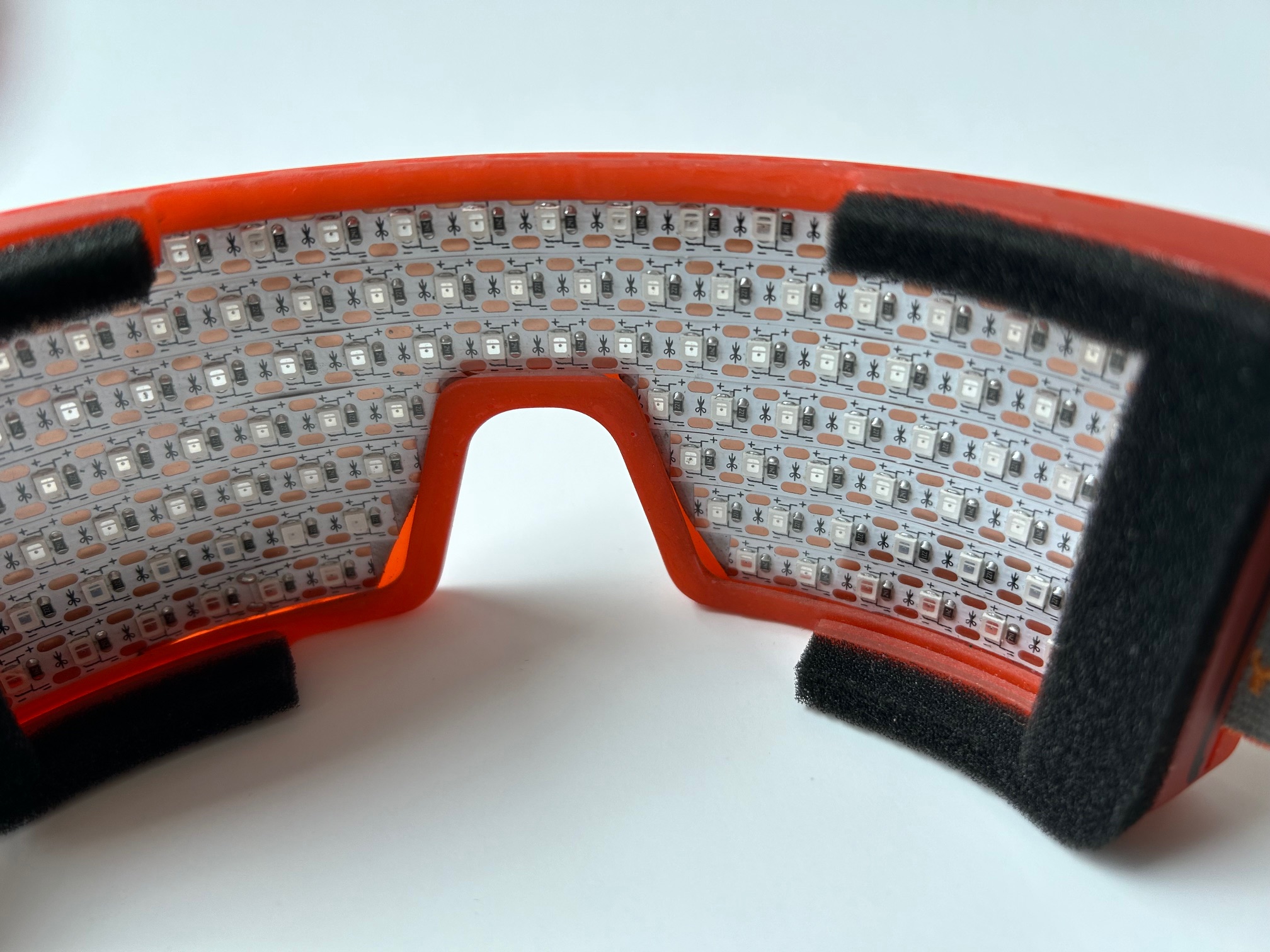
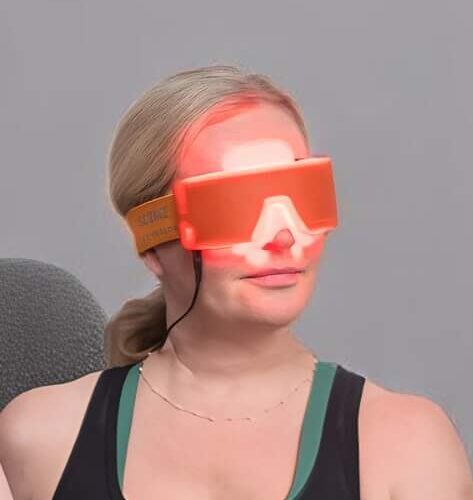
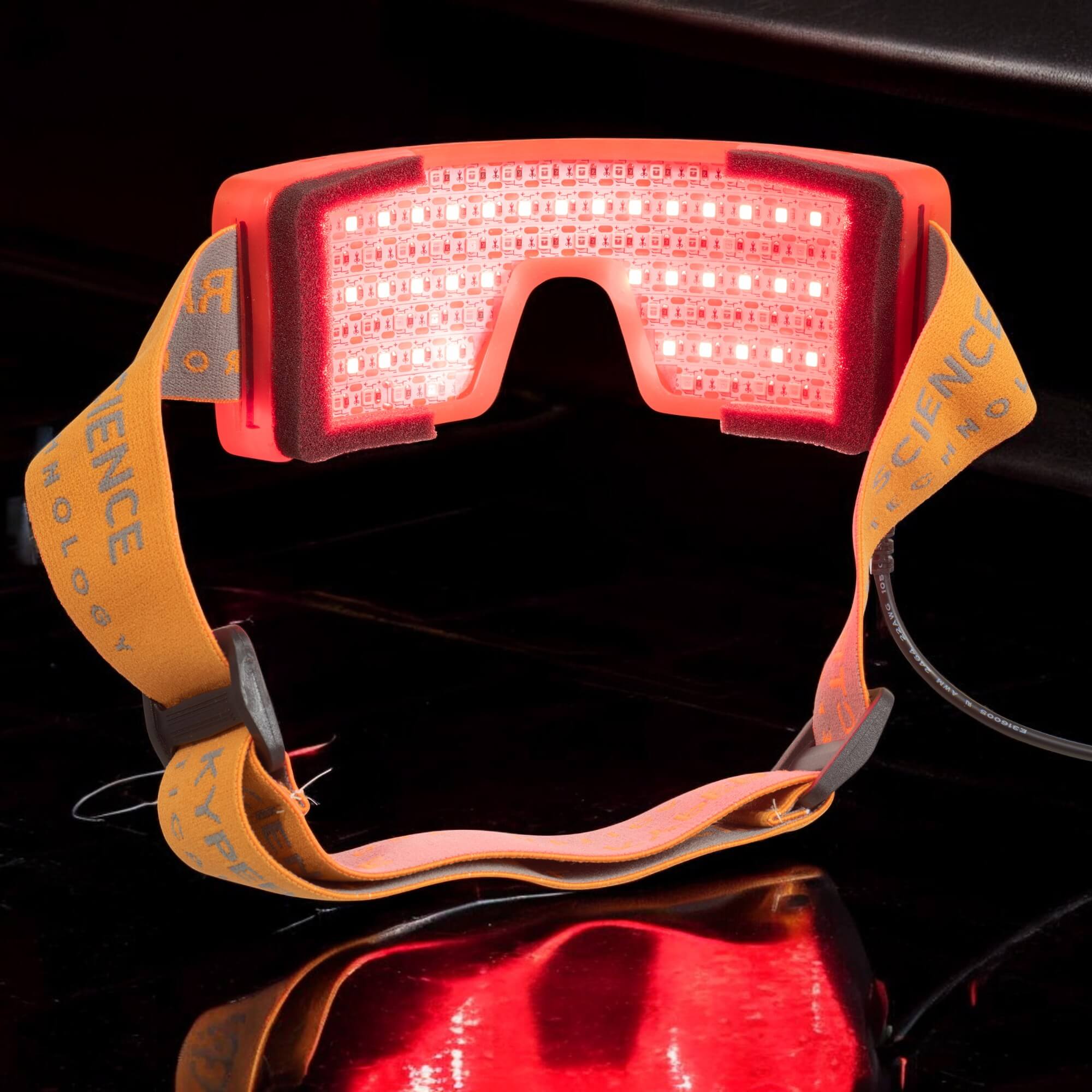
Ivandic’s demonstration that laser therapy can improve visual acuity in adult amblyopia extends photobiomodulation’s potential beyond traditional age-limited interventions, supporting the Spectral WaveFront’s role in enhancing neural plasticity and visual function across age groups.
Read full article here
Editor’s note: Ivandic 2012 demonstrates LLLT efficacy in adolescent and adult amblyopia. For related Ivandic clinical work, see Ivandic 2008 (AMD) and Ivandic 2014 (retinitis pigmentosa). For neural plasticity and mitochondrial mechanisms, see Beirne 2017 and Gkotsi 2014. For oxidative stress reduction in neural tissue, see Fitzgerald 2010.
Related Articles
- Low-Level Laser Therapy Improves Vision in AMD – Ivandic 2008
- Low-Level Laser Therapy in Retinitis Pigmentosa – Ivandic 2014
- Photostimulation of Mitochondria for Retinal Neurodegeneration – Beirne 2017
- Recharging Mitochondrial Batteries in Old Eyes – Gkotsi 2014
- NIR Reduces Oxidative Stress in Optic Nerve Injury – Fitzgerald 2010
Key Takeaways
- LLLT produced 2-3 line visual acuity improvements in adolescent and adult amblyopic patients
- Improvements sustained at 6-month follow-up with particularly robust responses in anisometropic amblyopia
- No adverse effects observed; treatment effective across amblyopia subtypes
- Challenges conventional treatment windows by demonstrating visual plasticity enhancement in mature systems
Study Overview
| Study Type: | Clinical study |
| Wavelength(s): | Low-level laser therapy (wavelength not specified) |
| Treatment Protocol: | Laser photobiomodulation in adolescent and adult amblyopic patients |
| Sample Size: | Patients aged 12-45 years with various amblyopia forms |
| Primary Outcome: | Mean 2-3 line visual acuity improvement sustained at 6-month follow-up |
Full Citation
Ivandic BT, et al. (2012). Low-level laser therapy improves visual acuity in adolescent and adult patients with amblyopia. Photomed Laser Surg, 30(3):167-171. View Publication