Condition focus: Diabetic Retinopathy & Early Neural/Vascular Protection
Diabetic retinopathy causes progressive damage to both neural and vascular elements of the retina, with current treatments primarily addressing late-stage complications. This study investigated whether 670 nm photobiomodulation could prevent early diabetic retinopathy lesions affecting both retinal neurons and vasculature. Using streptozotocin-induced diabetic rats and cultured retinal cells exposed to high glucose, researchers assessed functional, biochemical, and histological changes with and without daily 670 nm treatment at 6 J/cm² energy density.
Results demonstrated beneficial effects on both neural and vascular retinal elements. Daily 670 nm photobiomodulation significantly inhibited diabetes-induced retinal ganglion cell death and produced 50% improvement in electroretinography amplitude, specifically photopic b-wave responses indicating enhanced cone photoreceptor function. Mechanistic investigation revealed that photobiomodulation inhibited diabetes-induced superoxide production and preserved manganese superoxide dismutase (MnSOD) expression, indicating enhanced antioxidant defenses. Critically, diabetes significantly increased leukostasis and ICAM-1 expression—early inflammatory markers of diabetic retinopathy—and photobiomodulation essentially prevented both abnormalities. In cultured retinal cells, 30 mM glucose exposure increased superoxide production, inflammatory biomarker expression, and cell death, all of which were inhibited by photobiomodulation treatment. Interestingly, photobiomodulation did not alter cytochrome oxidase activity, suggesting protective mechanisms beyond direct mitochondrial enzyme modulation. The findings establish 670 nm photobiomodulation as a noninvasive, low-risk adjunct therapy capable of attenuating diabetic retinopathy development through combined anti-oxidative and anti-inflammatory pathways.
WaveFront Alignment:
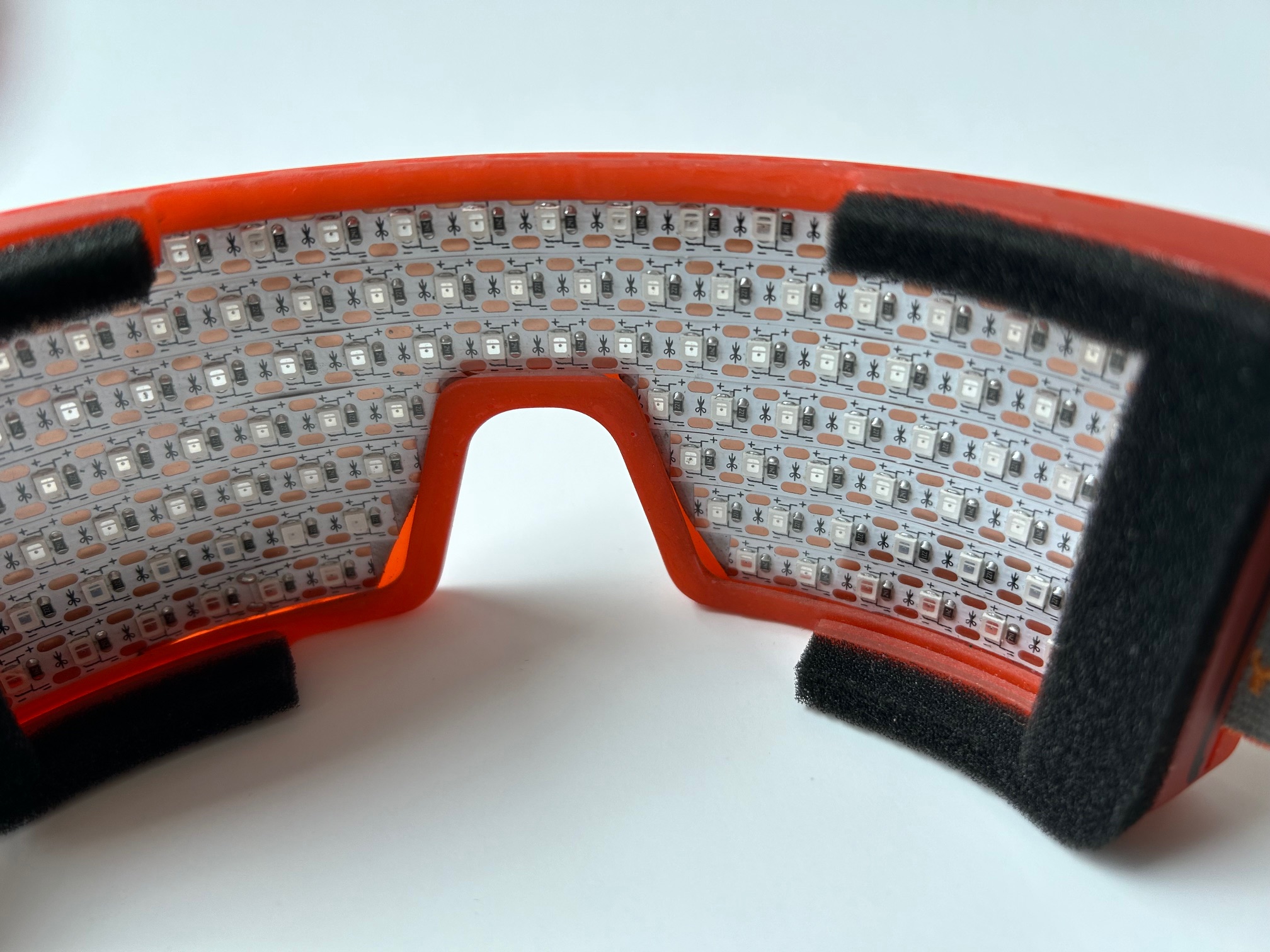
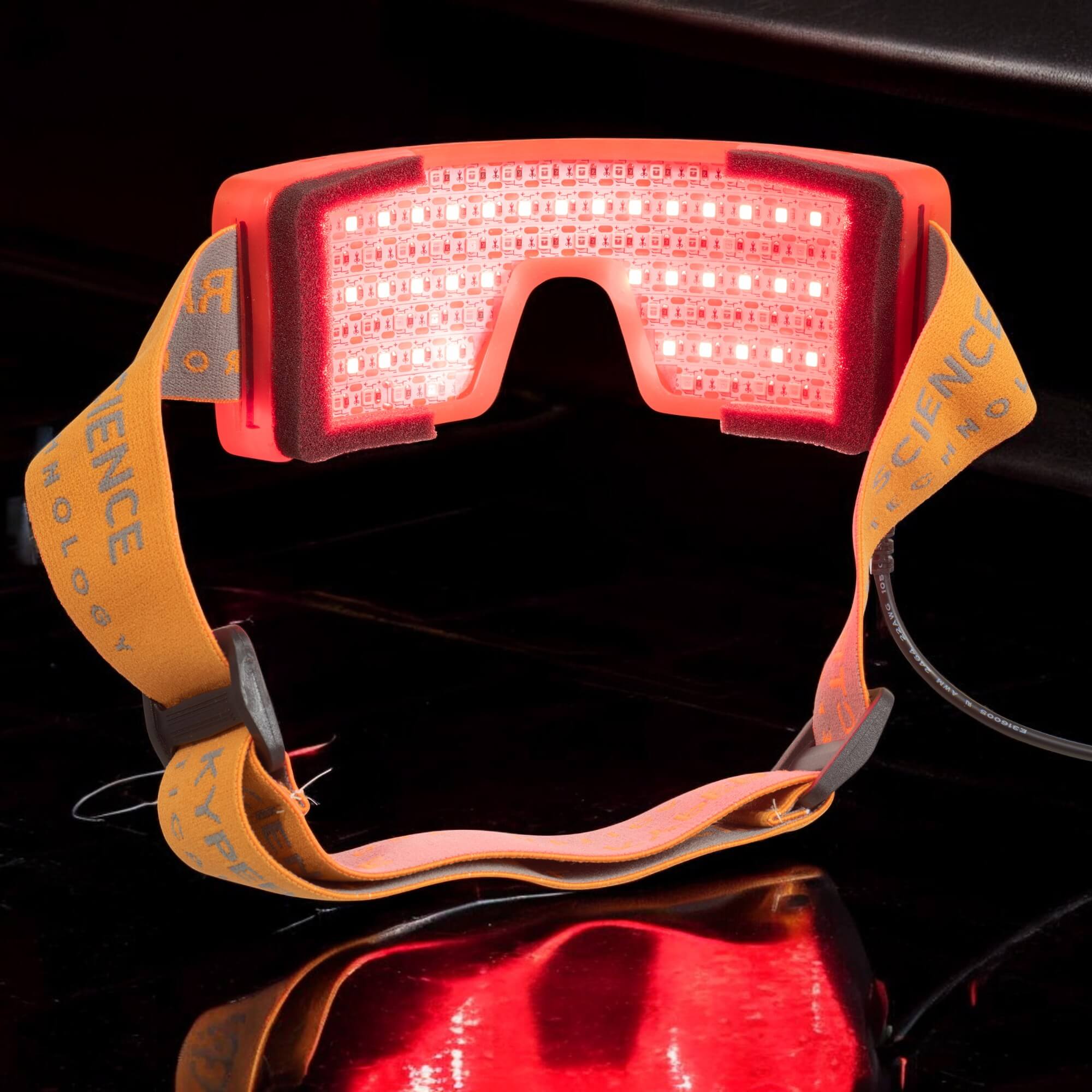
Tang’s demonstration that 670 nm photobiomodulation prevents diabetic retinopathy lesions through oxidative stress reduction and inflammation suppression validates the Spectral WaveFront’s wavelength selection for diabetic eye disease, supporting early intervention to preserve both neural and vascular retinal function.
Read full article here
Editor’s note: Tang 2013 establishes 670 nm prevention of early diabetic retinopathy lesions. For clinical diabetic macular edema applications, see Kim 2022 and Tang 2014. Mechanistic diabetic retinopathy context in Roy 2016. Vascular applications appear in Natoli 2013. Oxidative stress mechanisms in Fitzgerald 2010.
Related Articles
- Randomized Clinical Trial of 670nm PBM for Diabetic Macular Edema – Kim 2022
- PBM for Non-Center-Involving Diabetic Macular Oedema – Tang 2014
- Mechanistic Insights into Diabetic Retina Changes – Roy 2016
- 670nm PBM Protection Against Retinopathy of Prematurity – Natoli 2013
- NIR Reduces Oxidative Stress in Optic Nerve Injury – Fitzgerald 2010
Key Takeaways
- Daily 670 nm PBM (6 J/cm²) significantly inhibited diabetes-induced retinal ganglion cell death
- Produced 50% improvement in ERG amplitude (photopic b-wave), indicating enhanced cone function
- Prevented diabetes-induced leukostasis, ICAM-1 expression, and superoxide production
- Noninvasive, low-risk adjunct therapy attenuating diabetic retinopathy through anti-oxidative and anti-inflammatory pathways
Study Overview
| Study Type: | In vivo and in vitro research |
| Wavelength(s): | 670 nm (far-red/near-infrared) |
| Treatment Protocol: | Daily 6 J/cm² in diabetic rats and high-glucose cultured retinal cells |
| Sample Size: | Diabetic rat models and retinal cell cultures |
| Primary Outcome: | Prevention of neural and vascular diabetic retinopathy lesions through oxidative stress/inflammation reduction |
Full Citation
Tang J, et al. (2013). Low-intensity far-red light inhibits early lesions that contribute to diabetic retinopathy: in vivo and in vitro. Invest Ophthalmol Vis Sci, 54(5):3681-3690. View Publication