Condition focus: Age-Related Macular Degeneration & Multi-Pathway Mechanisms
Age-related macular degeneration is a multifactorial disease involving oxidative stress, inflammation, mitochondrial dysfunction, complement activation, and vascular abnormalities. This theoretical and experimental review examined whether laser photobiomodulation could simultaneously address multiple AMD pathogenic mechanisms, functioning as a “multi-hallmark” therapy. The analysis integrated mechanistic data from cellular, animal, and clinical studies to evaluate photobiomodulation’s effects on key AMD pathways.
Evidence demonstrated that photobiomodulation concurrently targets multiple AMD hallmarks: enhancing mitochondrial ATP production to counter metabolic decline in RPE cells, reducing oxidative stress through cytochrome c oxidase activation, modulating inflammatory cascades including complement pathways, improving retinal blood flow, and potentially enhancing drusen clearance through improved RPE phagocytic function. The multi-pathway effects distinguish photobiomodulation from single-target therapies, suggesting advantages for complex multifactorial diseases. Clinical data showed visual improvements correlating with these mechanistic benefits. The review establishes photobiomodulation’s unique position as a therapy addressing AMD’s fundamental pathophysiology across multiple interconnected pathways rather than isolated disease features.
WaveFront Alignment:
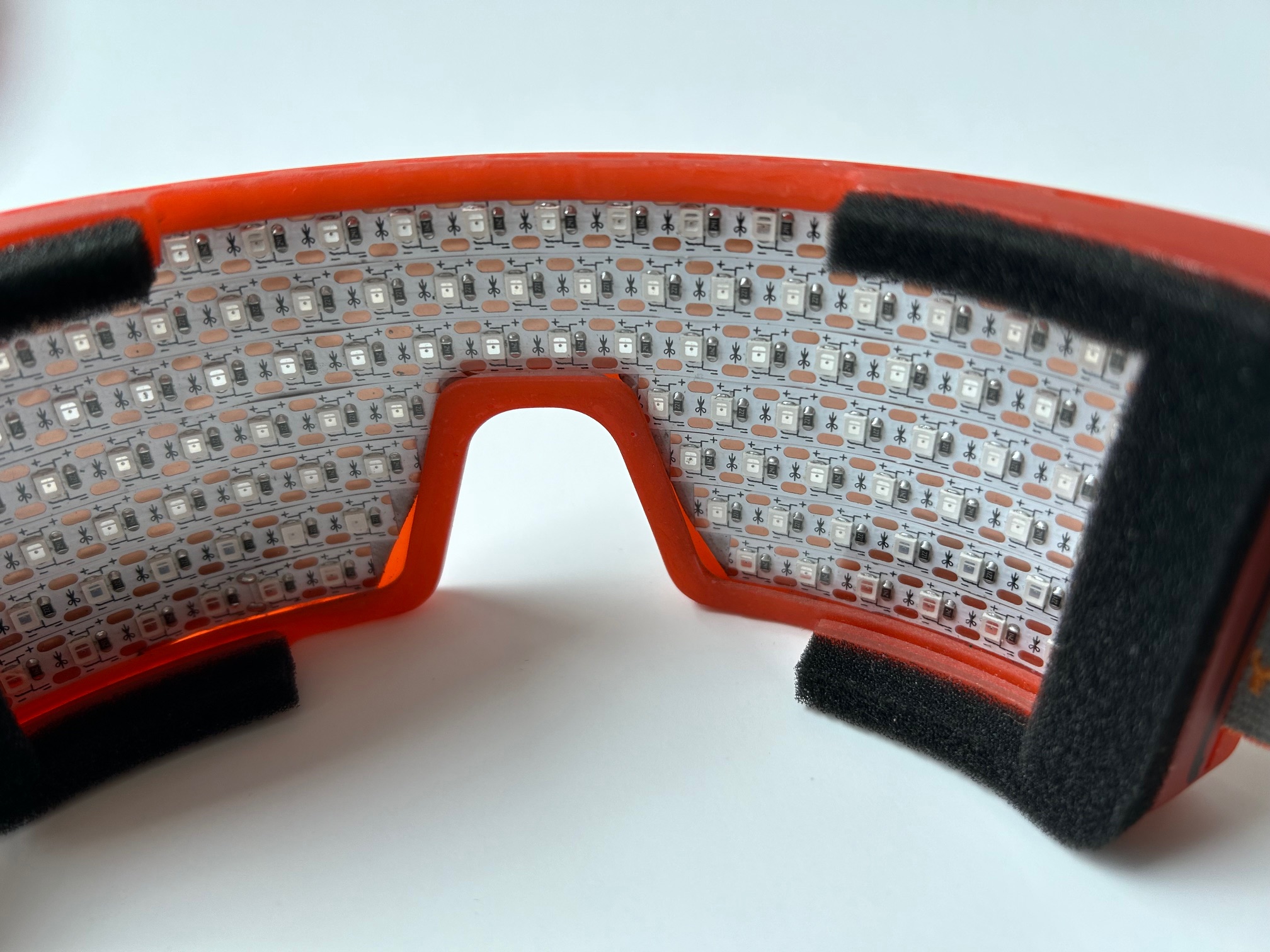
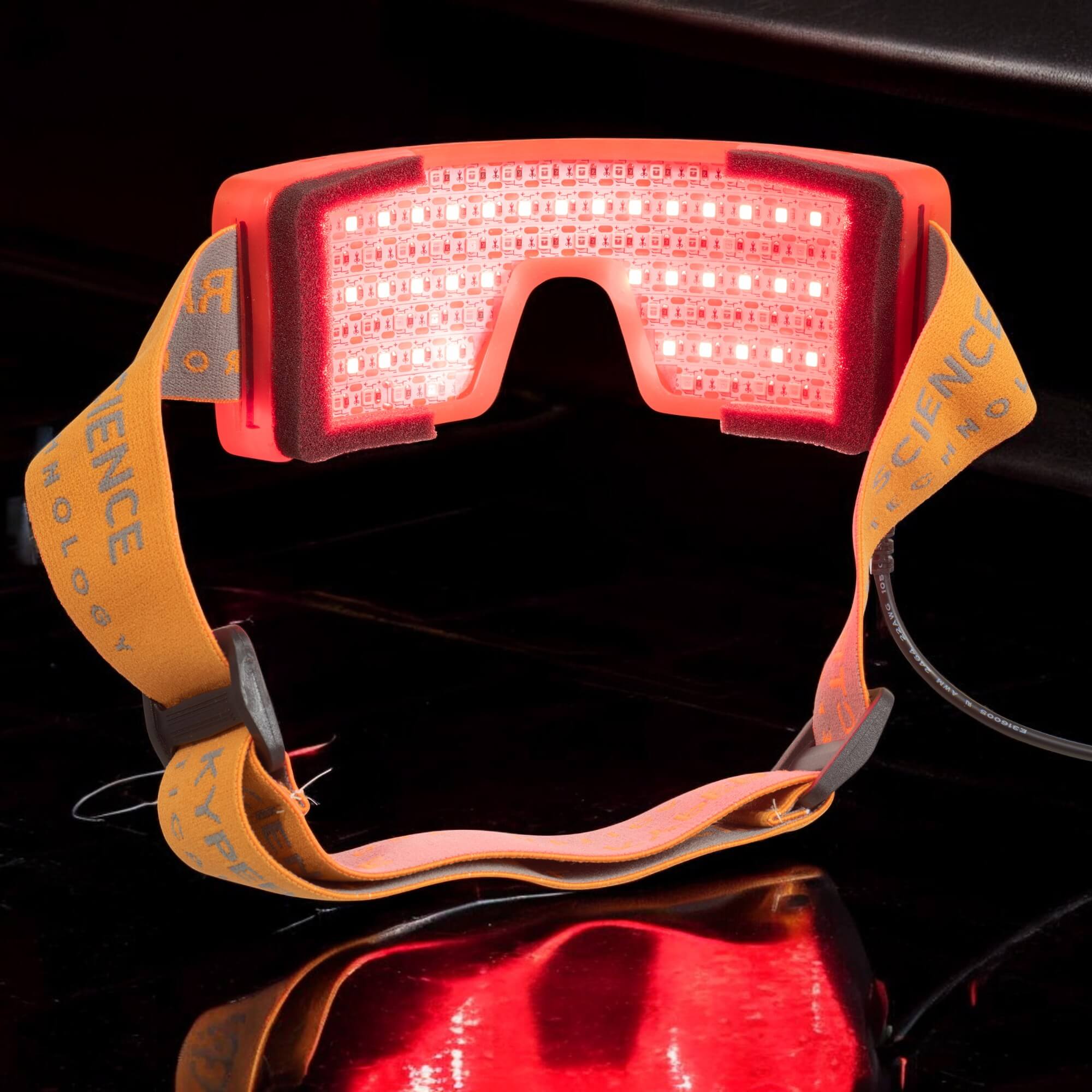
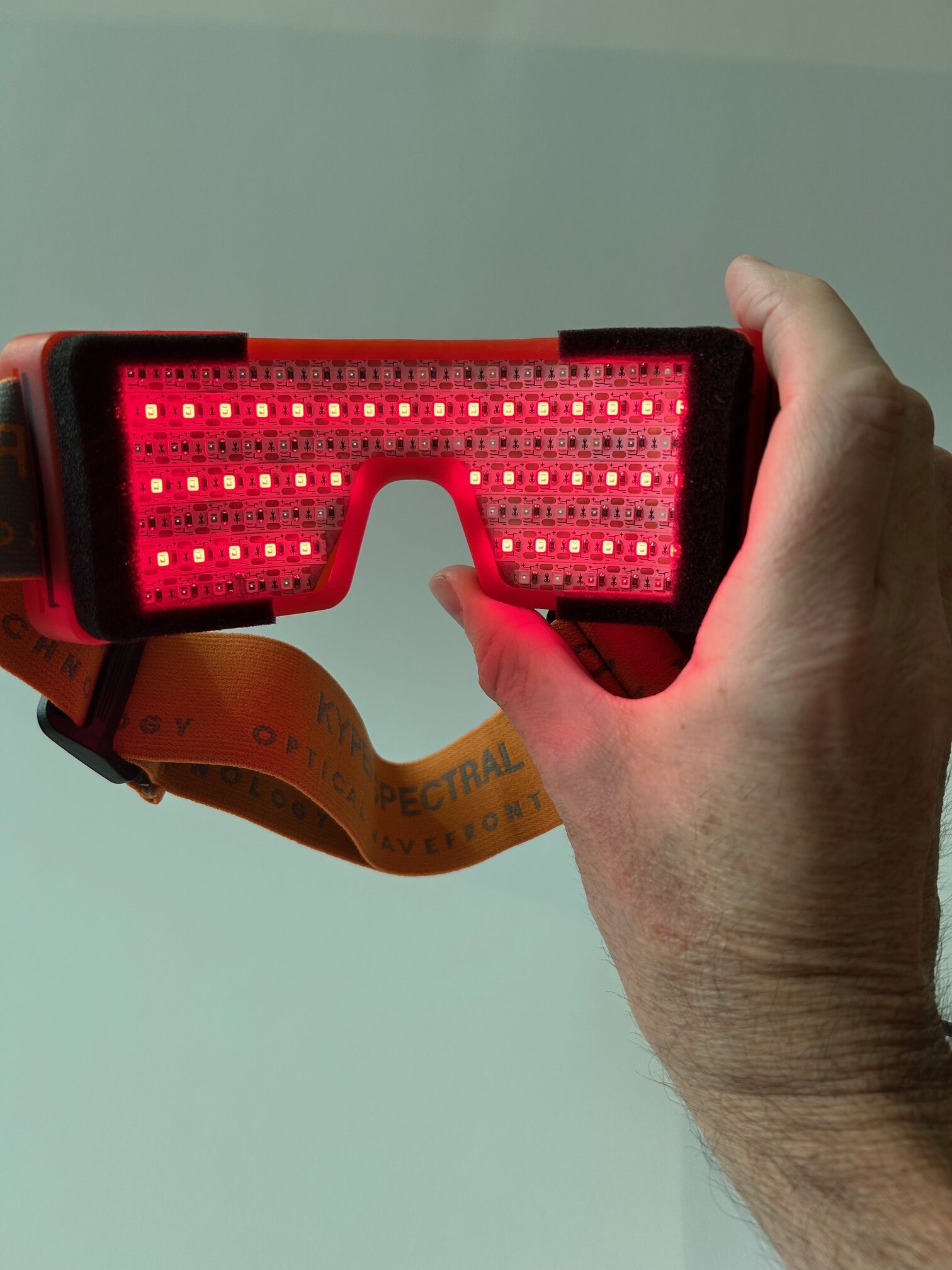
Rodriguez-Santana’s multi-hallmark framework validates the Spectral WaveFront’s comprehensive approach to AMD, demonstrating that photobiomodulation’s simultaneous effects on metabolism, inflammation, and vascular function address the disease’s complex pathophysiology through interconnected mechanisms.
Read full article here
Editor’s note: Rodriguez-Santana 2013 establishes multi-hallmark therapeutic framework for PBM in AMD. For mitochondrial mechanisms, see Feher 2006 and Gkotsi 2014. Complement pathway modulation appears in Rutar 2012. Anti-inflammatory effects in Begum 2013. Clinical translation context in Merry 2012 and Grewal 2020.
Related Articles
- Mitochondrial Alterations of RPE in AMD – Feher 2006
- Recharging Mitochondrial Batteries in Old Eyes – Gkotsi 2014
- 670 nm Light Reduces Complement Propagation – Rutar 2012
- 670nm Light Reduces Inflammation via Cytochrome c Oxidase – Begum 2013
- PBM for Dry AMD – Toronto & Oak Ridge Study – Merry 2012
Key Takeaways
- Photobiomodulation simultaneously targets multiple AMD hallmarks: mitochondrial function, oxidative stress, inflammation, and vascular health
- Multi-pathway effects distinguish PBM from single-target therapies for complex multifactorial diseases
- Mechanisms include enhanced ATP production, complement modulation, improved RPE phagocytosis, and blood flow optimization
- Review establishes PBM’s unique therapeutic position addressing AMD’s fundamental interconnected pathophysiology
Study Overview
| Study Type: | Theoretical review and mechanistic analysis |
| Wavelength(s): | Laser photobiomodulation (various wavelengths analyzed) |
| Treatment Protocol: | Integration of cellular, animal, and clinical data |
| Sample Size: | Multi-study analysis and theoretical framework |
| Primary Outcome: | Multi-hallmark therapeutic framework addressing AMD’s complex pathophysiology |
Full Citation
Rodriguez-Santana E, Santana-Blank L, et al. (2013). Photobiomodulation as a multi-target anti-aging modality for retinal pigment epithelial cells. Photomed Laser Surg, 31(12):563-571. View Publication