Condition focus: Vascular Health & Retinal Blood Flow
Retinal vascular insufficiency contributes to multiple vision-threatening conditions including diabetic retinopathy, retinal vein occlusion, and glaucoma. This study investigated whether near-infrared irradiation applied to the carotid artery and stellate ganglion could increase central retinal artery blood flow in humans. Healthy volunteers received 0.6 to 1.6 micrometer wavelength irradiation to cervical vascular and neural structures, with retinal blood flow measured using laser Doppler flowmetry before and after treatment.
Results demonstrated significant increases in central retinal artery blood flow following irradiation, with effects sustained for at least 30 minutes post-treatment. The blood flow enhancement occurred without changes in systemic blood pressure or heart rate, indicating localized vascular effects. Color Doppler imaging confirmed increased flow velocity in the central retinal artery. The findings suggest that near-infrared irradiation of cervical structures can modulate autonomic control of retinal circulation, potentially through stellate ganglion effects on sympathetic tone. This approach may offer a non-invasive method to enhance retinal perfusion in conditions characterized by vascular insufficiency.
WaveFront Alignment:
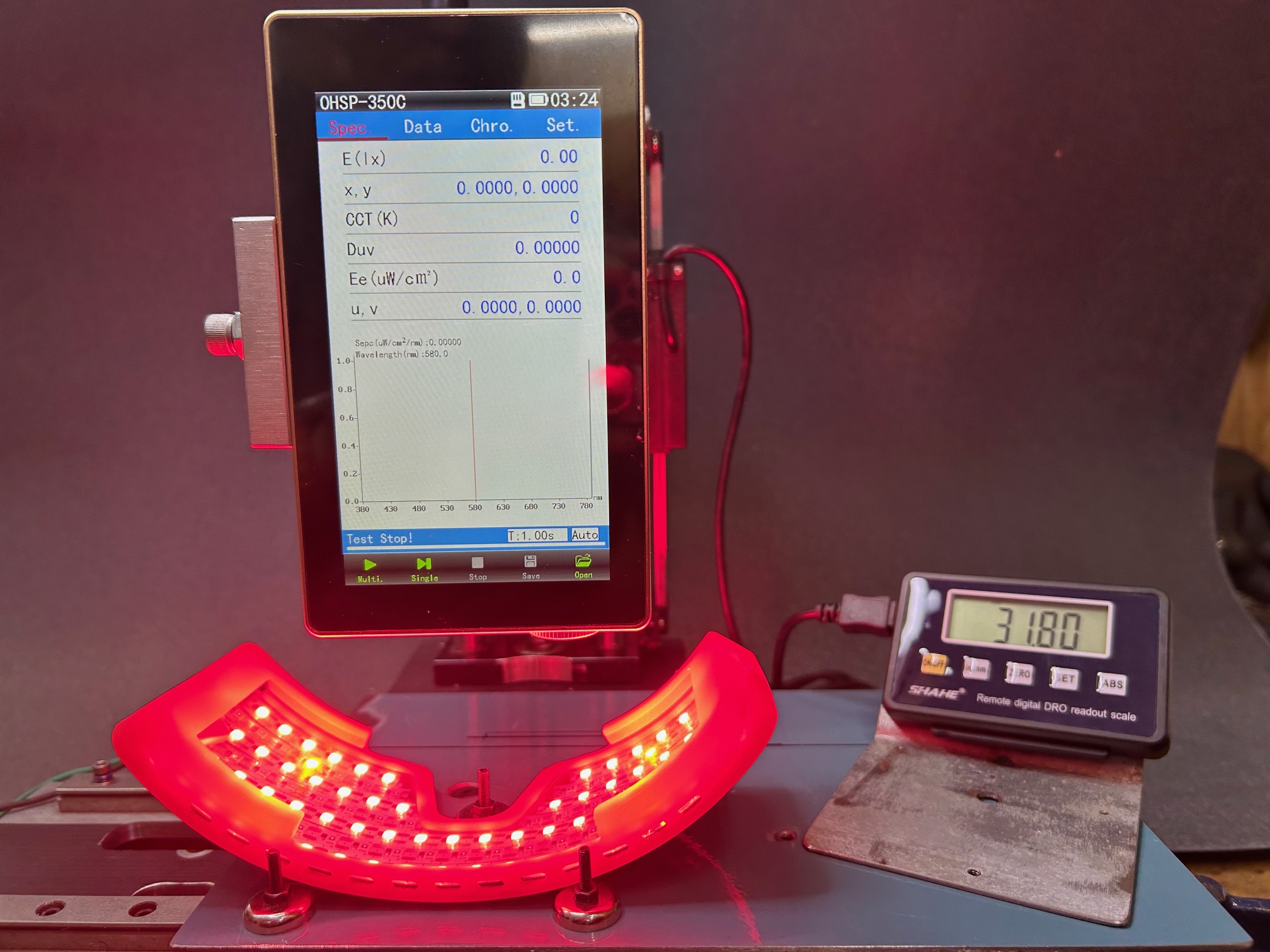
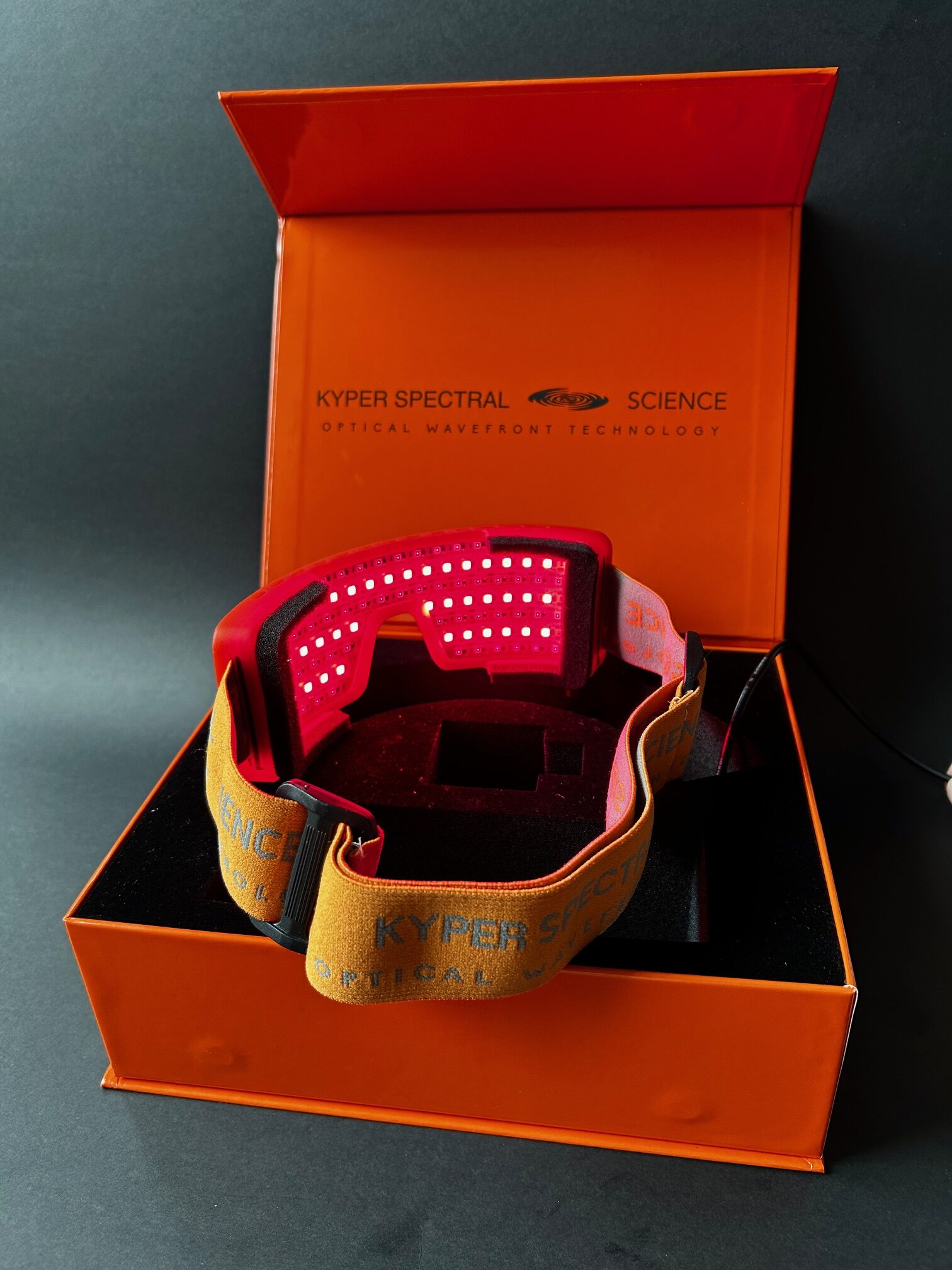
Mii’s demonstration that near-infrared irradiation can enhance retinal blood flow through peripheral application provides complementary evidence for photobiomodulation’s vascular effects, supporting the Spectral WaveFront’s potential benefits in conditions with retinal vascular compromise.
Read full article here
Editor’s note: Mii 2007 demonstrates near-infrared enhancement of retinal blood flow through peripheral vascular irradiation. For related vascular applications, see Cornish 2021 and Tang 2014. Diabetic retinopathy context appears in Tang 2013.
Related Articles
- NIR PBM for Retinal Vein Occlusion Macular Oedema – Cornish 2021
- PBM for Non-Center-Involving Diabetic Macular Oedema – Tang 2014
- Far-Red Light Inhibits Early Diabetic Retinopathy Lesions – Tang 2013
- Mechanistic Insights into Diabetic Retina Changes – Roy 2016
Key Takeaways
- Near-infrared irradiation of carotid artery and stellate ganglion significantly increased retinal artery blood flow
- Enhanced flow sustained for 30+ minutes without systemic blood pressure or heart rate changes
- Color Doppler imaging confirmed increased central retinal artery flow velocity
- Findings suggest non-invasive approach to enhance retinal perfusion in vascular insufficiency conditions
Study Overview
| Study Type: | Human clinical study (vascular physiology) |
| Wavelength(s): | 0.6 to 1.6 micrometers (600-1600 nm) |
| Treatment Protocol: | Near-infrared irradiation to carotid artery and stellate ganglion |
| Sample Size: | Healthy volunteers with laser Doppler flowmetry assessment |
| Primary Outcome: | Significant increase in central retinal artery blood flow post-irradiation |
Full Citation
Mii S, et al. (2007). Increases in central retinal artery blood flow in humans following carotid artery and stellate ganglion irradiation with 0.6 to 1.6 μm irradiation. J Nippon Med Sch, 74(3):196-201. View Publication