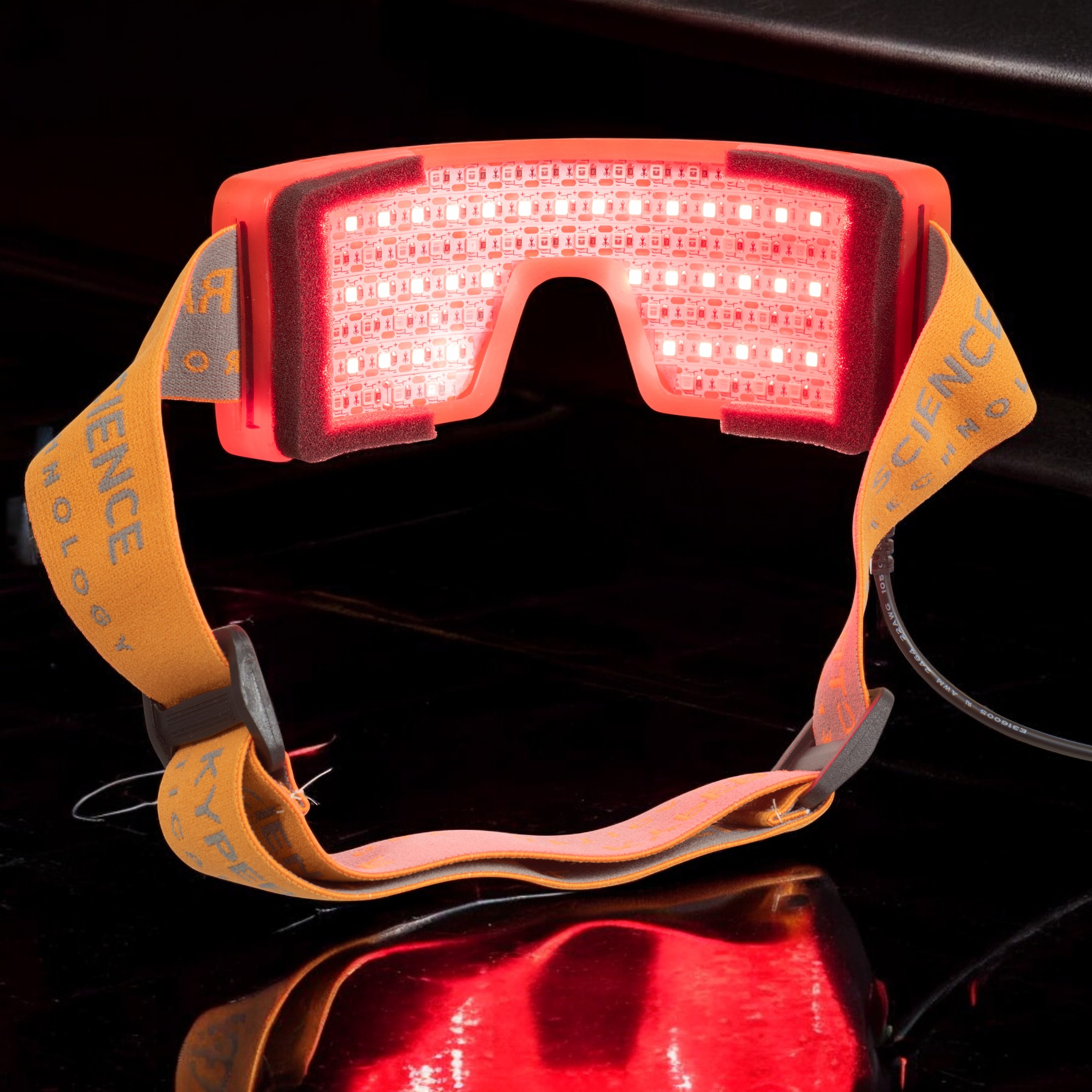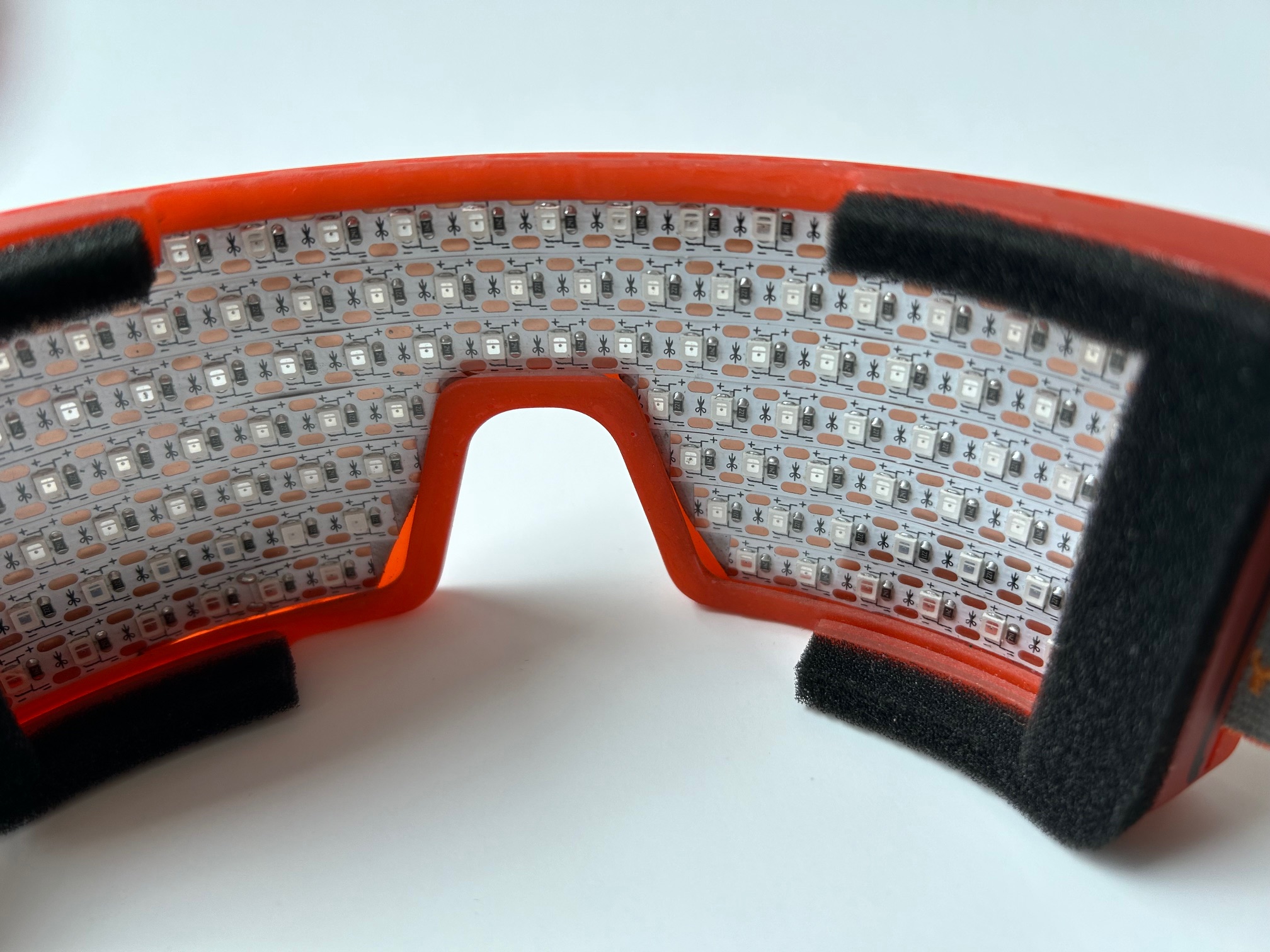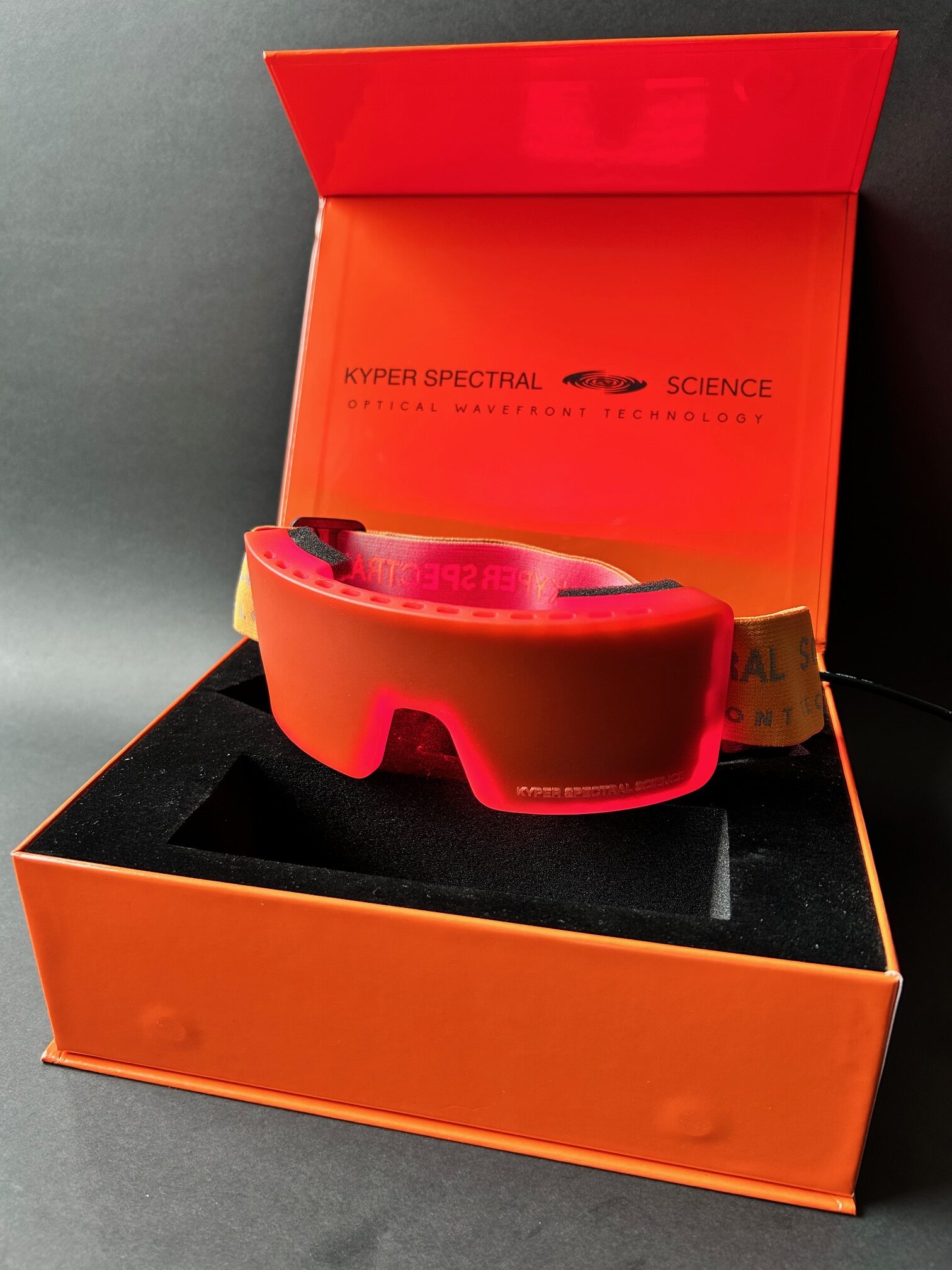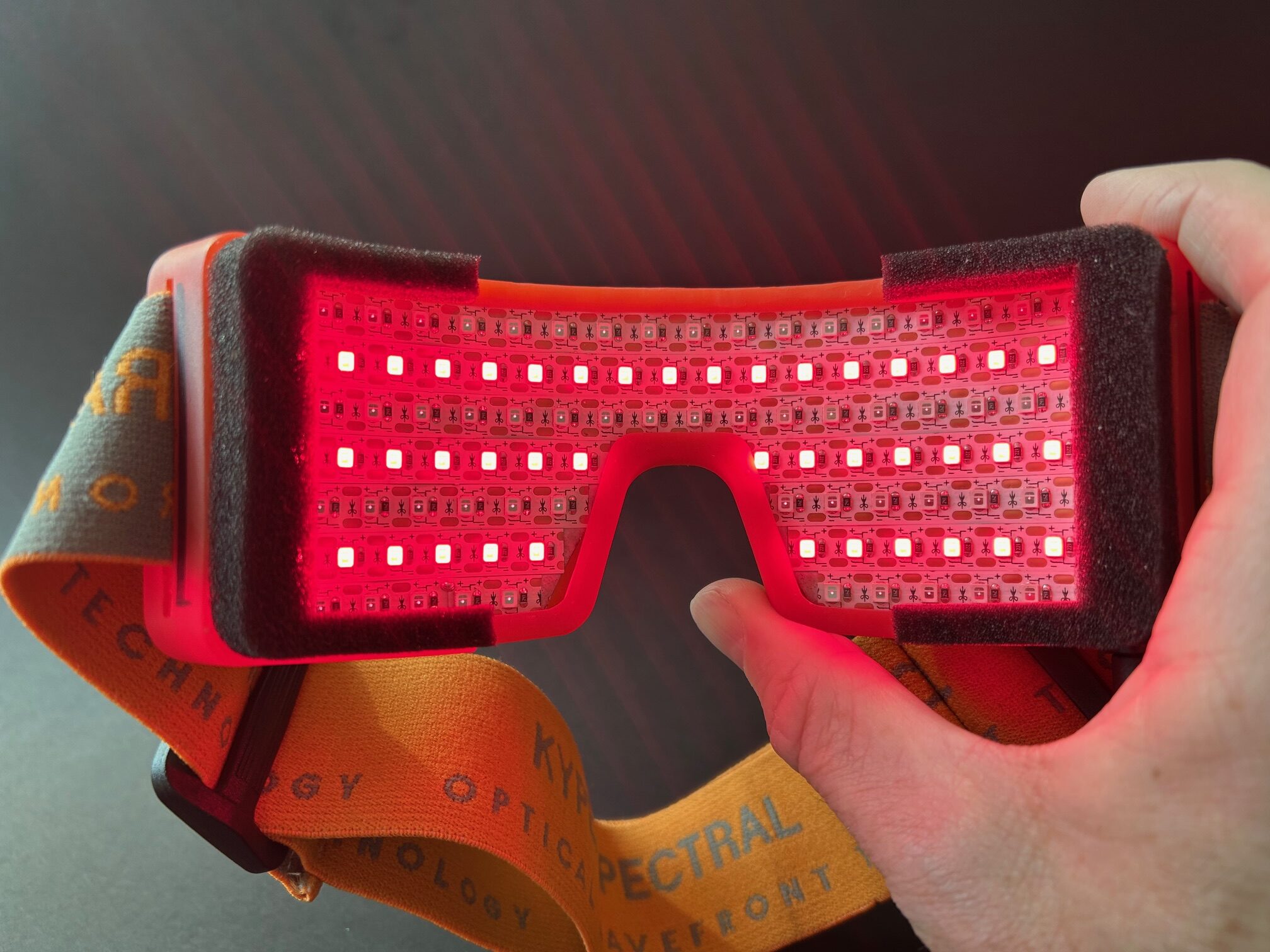
Condition focus: Meibomian Gland Dysfunction & Evaporative Dry Eye
Meibomian gland dysfunction is the leading cause of evaporative dry eye, resulting from altered meibum lipid composition and increased melting point that obstructs gland secretion. This review examines the biophysical mechanisms underlying heat therapy for MGD, focusing on how temperature elevation affects meibum viscosity and secretion. Analysis of meibum phase transition temperatures demonstrates that therapeutic heating must reach sufficient temperatures to lower lipid viscosity and restore gland function.
The review evaluates various heat delivery modalities including warm compresses, heated eye masks, and intense pulsed light therapy, correlating their effectiveness with achieved tissue temperatures and lipid phase transitions. Evidence indicates that sustained heating to 40-45°C is required to effectively reduce meibum viscosity and promote gland evacuation. However, many conventional warm compress applications fail to achieve or maintain therapeutic temperatures. The findings provide biophysical rationale for optimizing heat-based MGD treatments and explain the superior outcomes observed with devices delivering controlled, sustained thermal energy.
WaveFront Alignment:
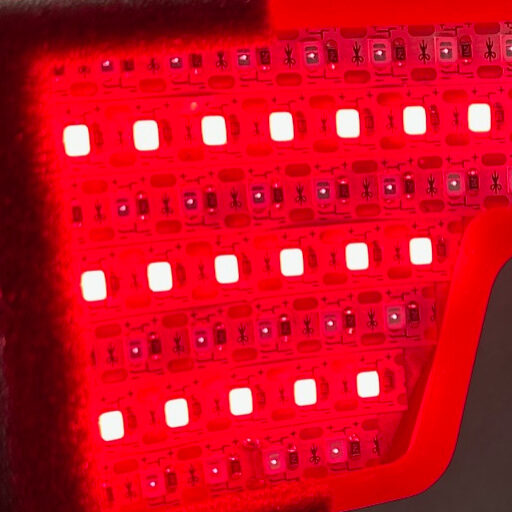
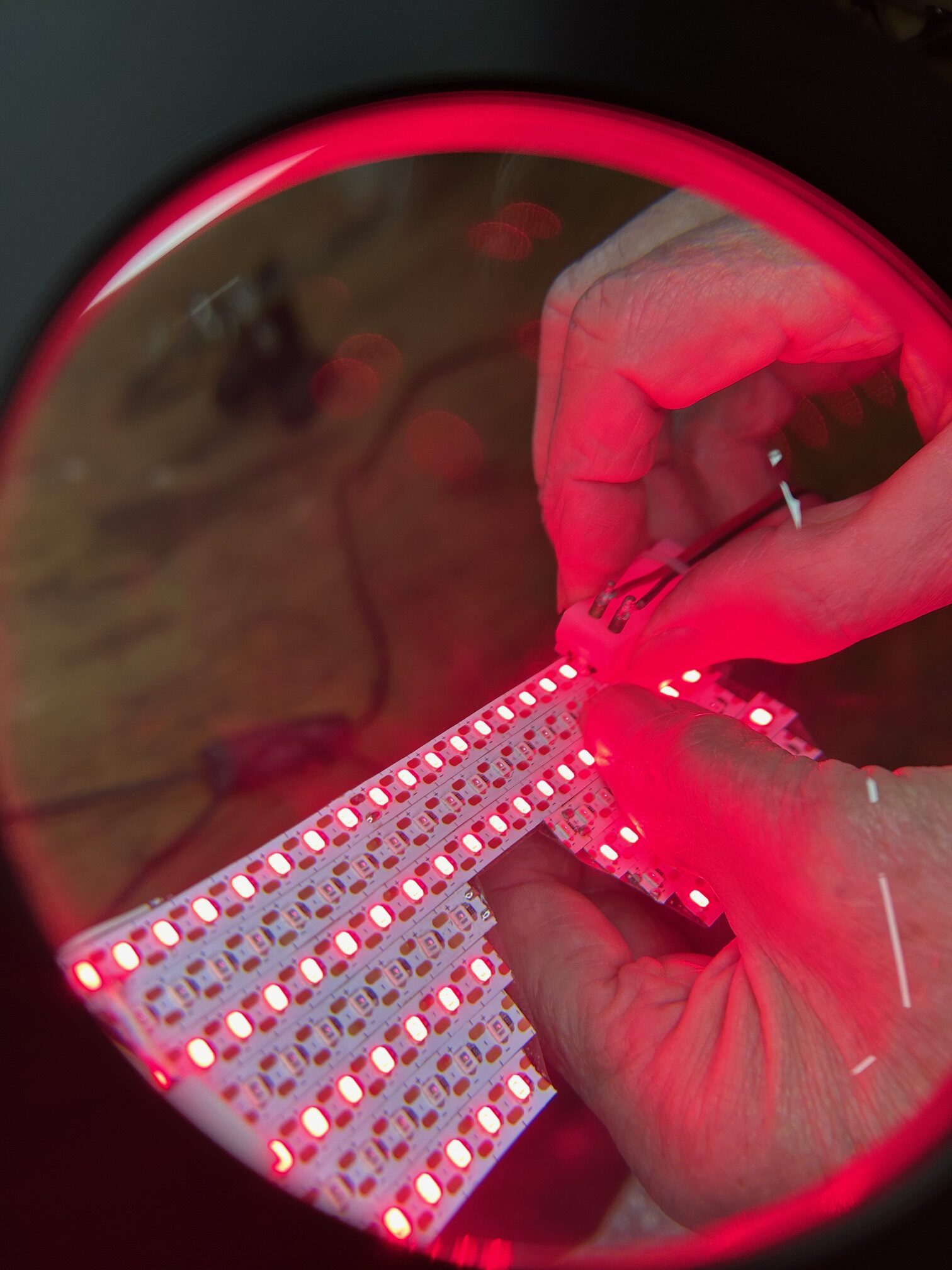
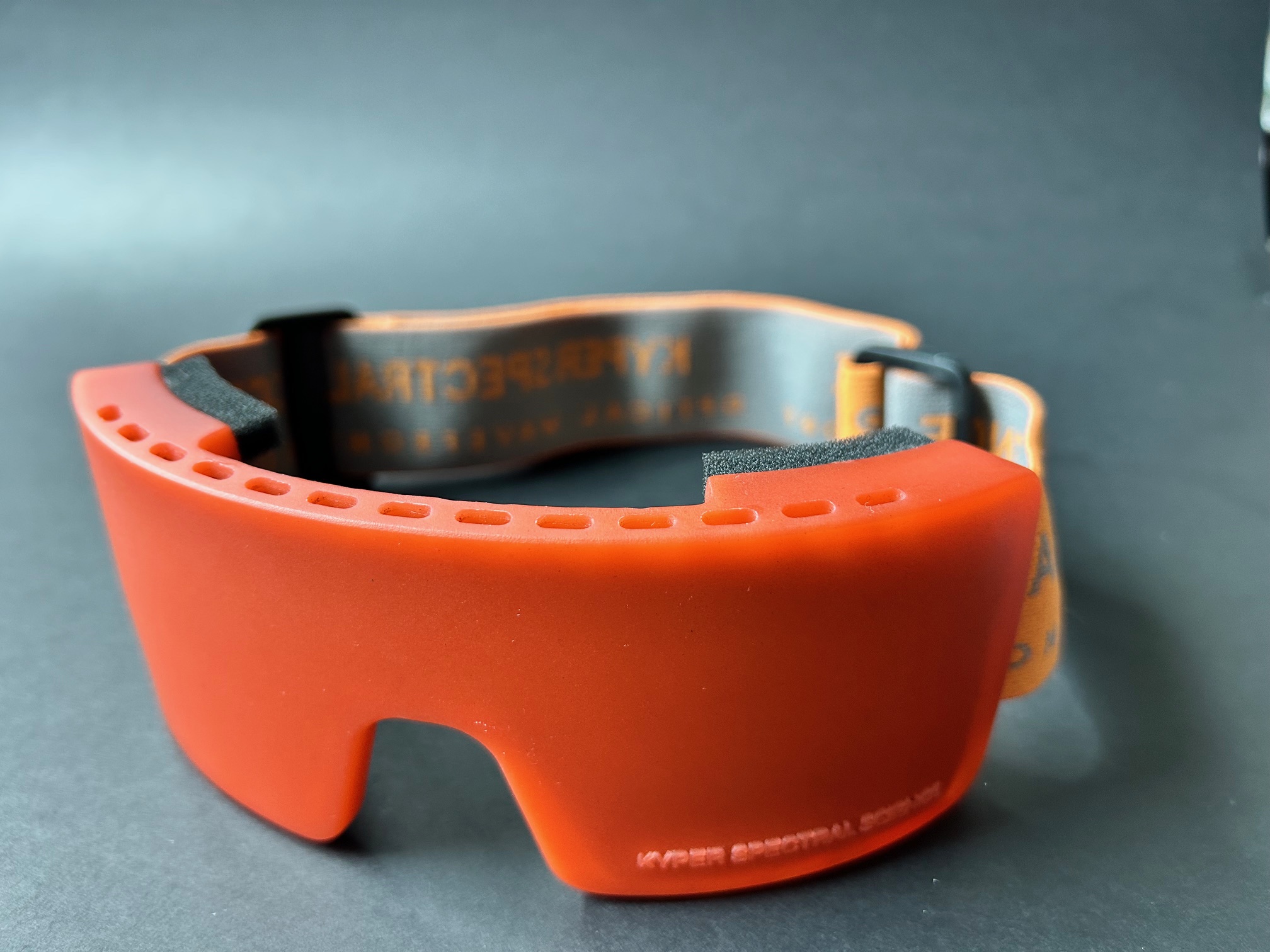
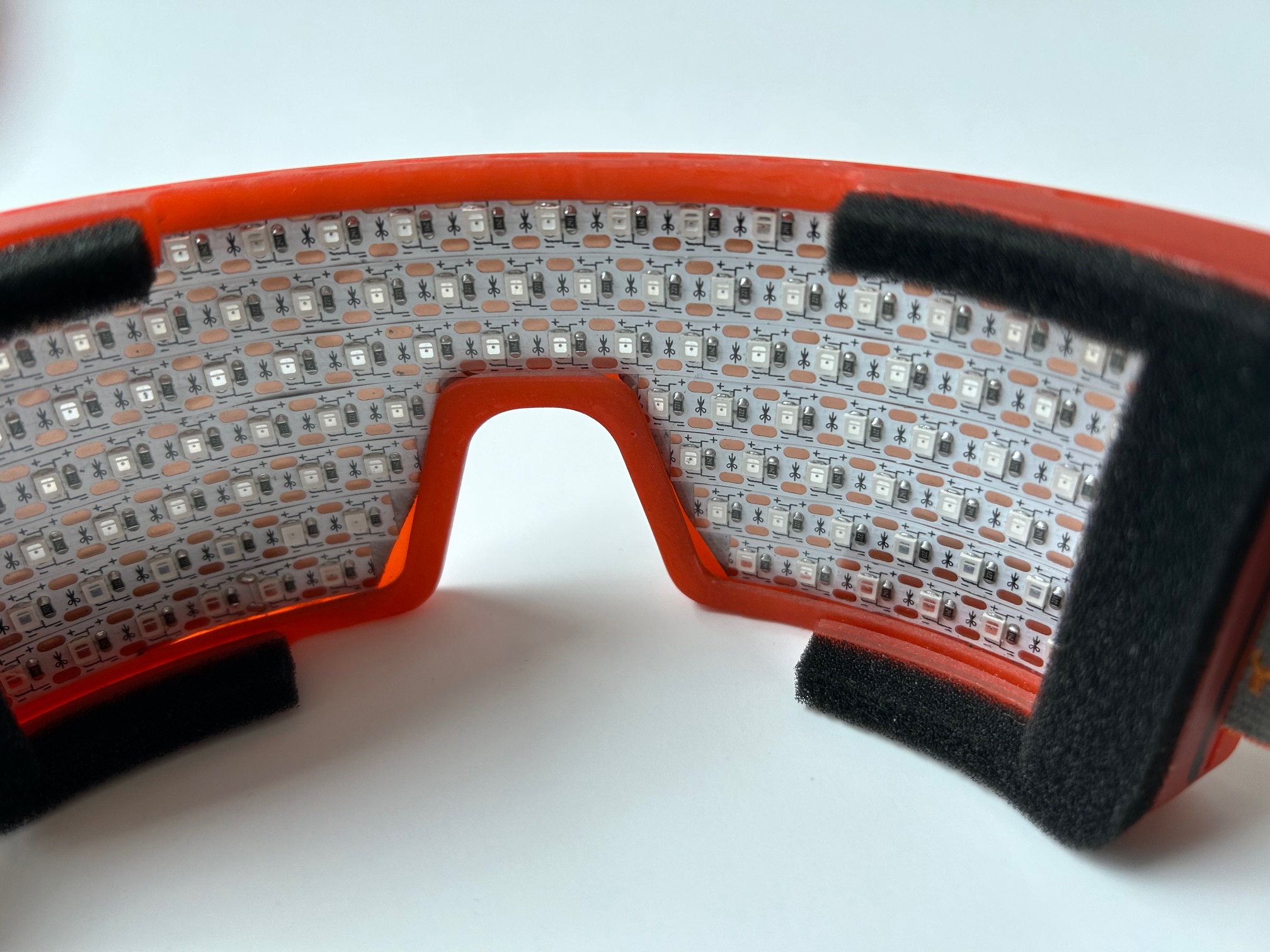
Borchman’s analysis of thermal mechanisms in MGD treatment provides context for understanding how photobiomodulation devices that incorporate thermal effects, including intense pulsed light, may exert therapeutic benefit through both photothermal and photochemical pathways in meibomian gland dysfunction.
Read full article here
Editor’s note: Borchman 2019 elucidates biophysical mechanisms of heat therapy for MGD. For clinical IPL applications combining thermal and photobiomodulation effects, see Toyos 2015 and Solomos 2021. Case-based evidence appears in Stonecipher 2019. For multiwavelength anti-inflammatory approaches, see Goo 2023.
Related Articles
- Clinical Outcomes of IPL for MGD and Ocular Rosacea – Toyos 2015
- MGD: PBM and IPL as Rescue Treatment – Solomos 2021
- PBM for Chalazia: A Sample Case Summary – Stonecipher 2019
- Anti-Inflammatory Effect of Multi-Wavelength LED – Goo 2023
- PBM Low-Level Light Therapy in Dry Eye – Park 2022
Key Takeaways
- Therapeutic heating must reach 40-45°C to effectively reduce meibum viscosity and restore gland secretion
- Many conventional warm compress applications fail to achieve or maintain therapeutic temperatures
- Meibum phase transition temperatures explain why sustained controlled heating outperforms brief applications
- Review provides biophysical rationale for device-based heat delivery in MGD treatment
Study Overview
| Study Type: | Review (biophysical mechanisms) |
| Treatment Modalities: | Warm compresses, heated masks, IPL therapy |
| Therapeutic Temperature: | 40-45°C sustained heating required |
| Focus: | Meibum lipid phase transitions and viscosity reduction |
| Primary Outcome: | Biophysical rationale for optimized heat-based MGD treatments |
Full Citation
Borchman D. (2019). The optimum temperature to heat meibum to improve its quality and dry eye parameters. Eye Contact Lens, 45(5):298-303. View Publication