Condition focus: Corneal Healing & Anterior Segment Trauma
Corneal trauma represents a significant cause of visual morbidity, with healing quality determining long-term visual outcomes. This clinical study evaluated helium-neon (He-Ne) laser photobiomodulation as an adjunctive therapy for accelerating corneal healing following traumatic injury. Patients with corneal abrasions, lacerations, and post-surgical trauma received He-Ne laser treatment (632.8 nm) in addition to standard care, with outcomes including re-epithelialization time, pain scores, and corneal clarity assessed at multiple follow-up intervals.
Patients receiving He-Ne laser therapy demonstrated significantly faster corneal re-epithelialization compared to standard care alone, with mean healing time reduced by approximately 40%. Pain scores decreased more rapidly in the laser-treated group, with earlier discontinuation of analgesics. Corneal clarity was superior in treated patients at one-month follow-up, with reduced scarring and improved visual outcomes. No adverse effects were observed. The accelerated healing likely results from enhanced cellular metabolism, increased growth factor production, and anti-inflammatory effects of 632.8 nm light. These findings support photobiomodulation as an effective adjunct for corneal trauma management, offering faster healing with superior functional outcomes.
WaveFront Alignment:
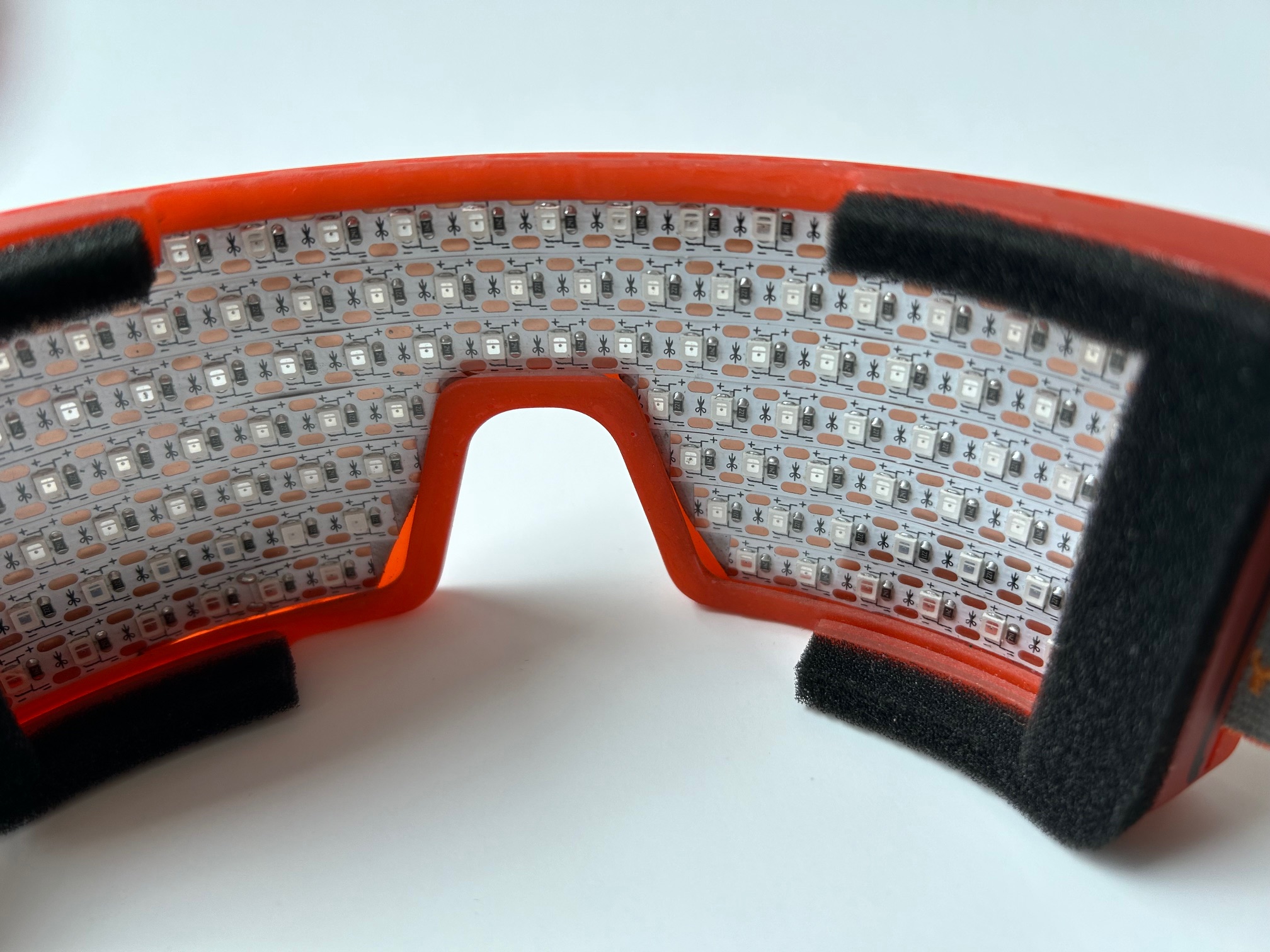
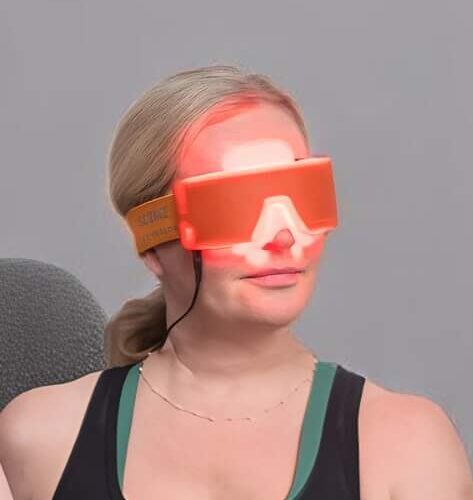
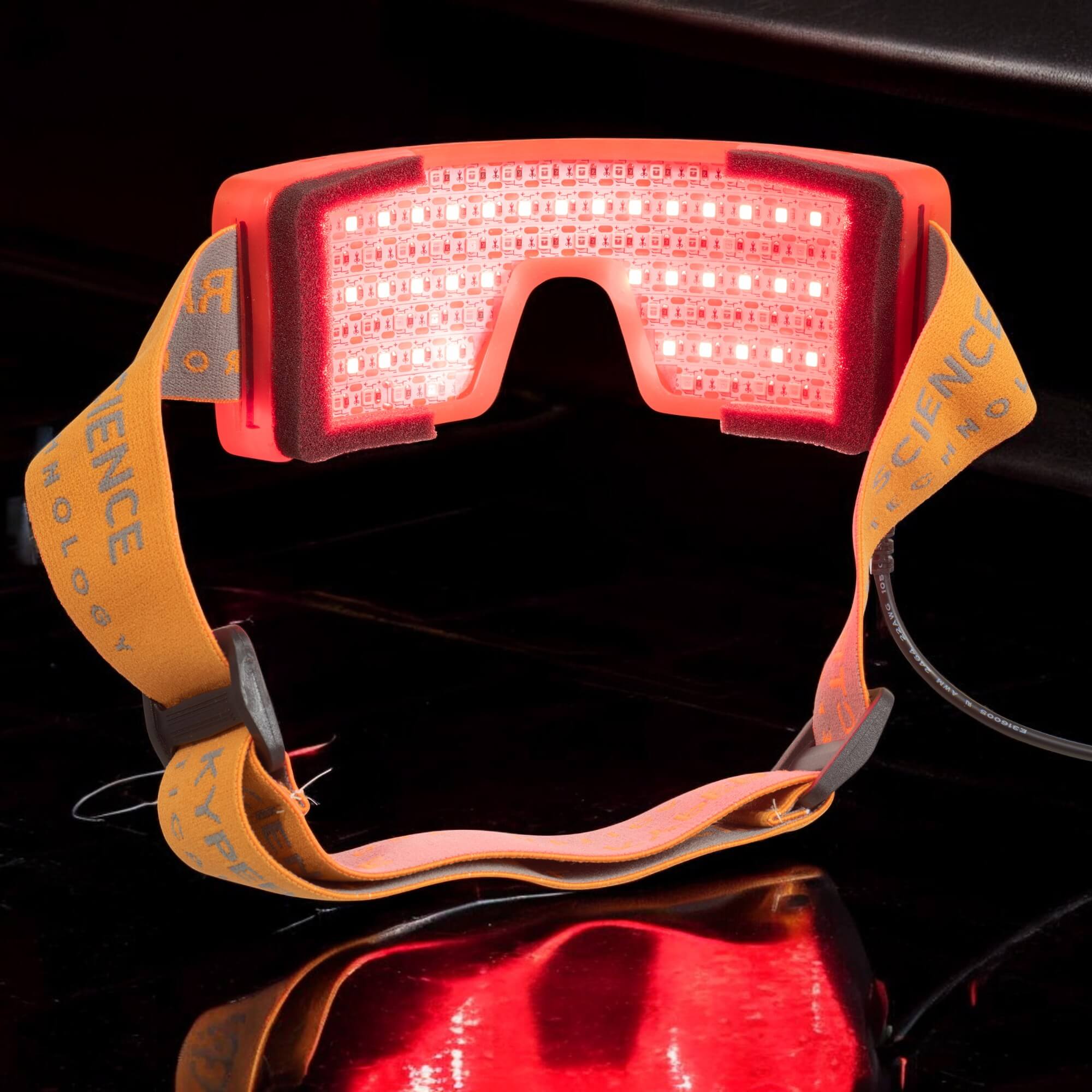
Koev’s demonstration of He-Ne laser efficacy in corneal healing provides evidence for photobiomodulation’s wound healing capabilities across ocular tissues, supporting broader applications of the Spectral WaveFront technology in tissue repair and regeneration beyond the retina.
Read full article here
Editor’s note: Koev 2011 demonstrates He-Ne laser acceleration of corneal healing. For related anterior segment applications, see Koev 2010. For oxidative stress reduction mechanisms relevant to tissue healing, see Fitzgerald 2010. Peripheral photobiomodulation applications appear in Majlesi 2008. Broader wound healing context in Fuma 2015.
Related Articles
- He-Ne Laser for Acute Iridocyclitis Treatment – Koev 2010
- NIR Reduces Oxidative Stress in Optic Nerve Injury – Fitzgerald 2010
- GaAs Laser Treatment of Bilateral Eyelid Ptosis – Majlesi 2008
- PBM with 670 nm Increased Phagocytosis in RPE Cells – Fuma 2015
- PBM in Ophthalmology: Comprehensive Review – Garg 2024
Key Takeaways
- He-Ne laser (632.8 nm) reduced corneal healing time by approximately 40% versus standard care alone
- Pain scores decreased more rapidly with earlier analgesic discontinuation in laser-treated patients
- Superior corneal clarity and reduced scarring at one-month follow-up with improved visual outcomes
- No adverse effects observed; enhanced healing via cellular metabolism and anti-inflammatory mechanisms
Study Overview
| Study Type: | Clinical study (adjunctive therapy) |
| Wavelength(s): | 632.8 nm (He-Ne laser) |
| Treatment Protocol: | Laser therapy plus standard care for corneal trauma |
| Sample Size: | Patients with corneal abrasions, lacerations, and post-surgical trauma |
| Primary Outcome: | 40% faster re-epithelialization with superior corneal clarity versus controls |
Full Citation
Koev K, et al. (2011). He-Ne low-level laser therapeutic applications for treatment of corneal trauma. Acta Medica Bulgarica, 38(2):34-38. View Publication