Condition focus: Eyelid Ptosis & Neuromuscular Recovery
Eyelid ptosis following botulinum toxin type A injection represents a challenging complication with limited treatment options and typical resolution times of several weeks to months. This case report evaluated gallium-arsenide (GaAs) laser photobiomodulation for accelerating recovery from botulinum-induced bilateral ptosis. A patient who developed severe bilateral eyelid ptosis after cosmetic botulinum toxin injection received GaAs laser treatment to the affected levator palpebrae muscles with daily clinical assessment of eyelid position and function.
Following initiation of GaAs laser therapy, the patient demonstrated rapid improvement in eyelid elevation with near-complete resolution within two weeks, significantly faster than the typical 8-12 week spontaneous recovery period. Eyelid position measurements showed progressive improvement with each treatment session. The acceleration of neuromuscular recovery suggests that photobiomodulation enhanced nerve terminal regeneration and neuromuscular junction reinnervation. This case demonstrates photobiomodulation’s potential to accelerate recovery from neuromuscular complications, offering a non-invasive intervention for botulinum toxin-related ptosis and potentially other conditions involving neuromuscular dysfunction.
WaveFront Alignment:
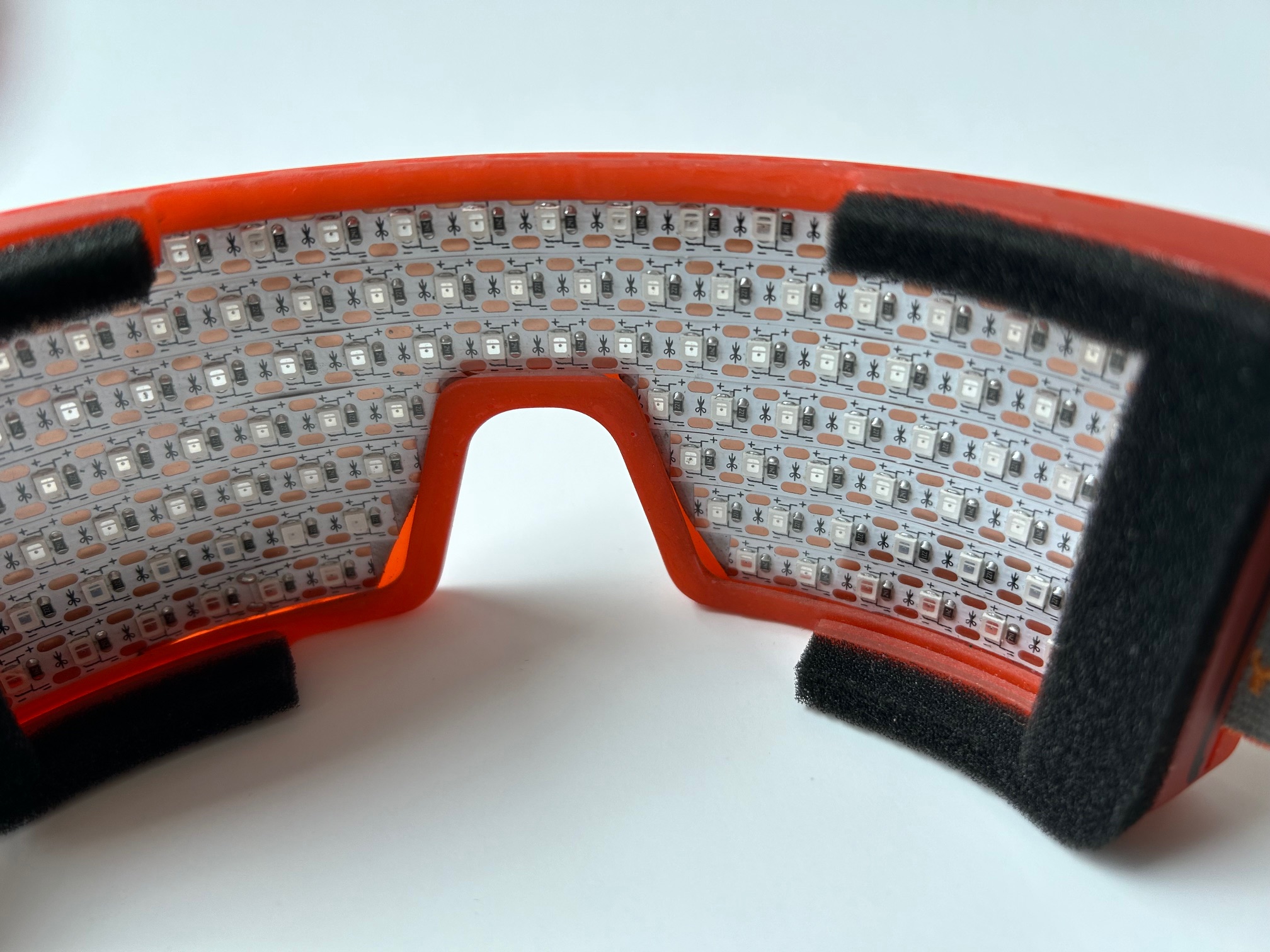
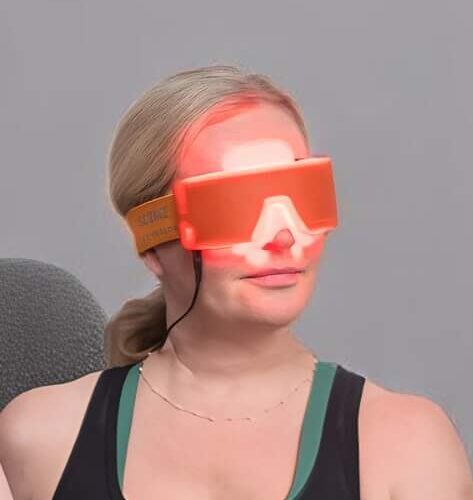
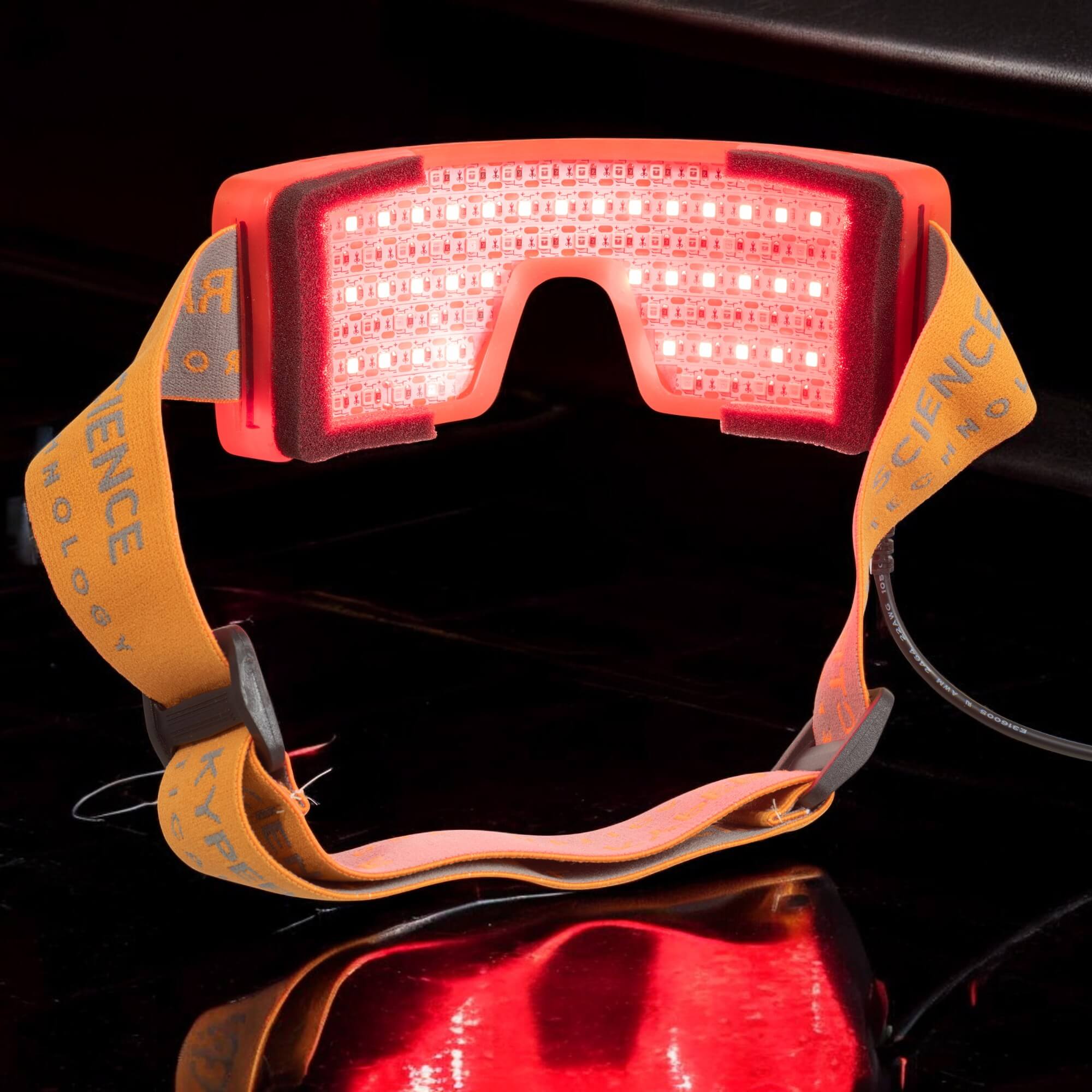
Majlesi’s demonstration that GaAs laser accelerates neuromuscular recovery provides evidence for photobiomodulation’s effects on nerve regeneration, supporting broader applications of the Spectral WaveFront technology in conditions involving neural tissue repair and functional restoration.
Read full article here
Editor’s note: Majlesi 2008 demonstrates GaAs laser efficacy in accelerating neuromuscular recovery from ptosis. For related peripheral applications of photobiomodulation, see Mii 2007 and Shurygina 2009. For anterior segment applications, see Koev 2010 and Koev 2011.
Related Articles
- Increases in Central Retinal Artery Blood Flow – Mii 2007
- Effect of Infrared Laser on Orbital Blood Circulation – Shurygina 2009
- He-Ne Laser for Acute Iridocyclitis – Koev 2010
- He-Ne Laser for Corneal Trauma Treatment – Koev 2011
- PBM in Ophthalmology: Comprehensive Review – Garg 2024
Key Takeaways
- GaAs laser therapy accelerated recovery from botulinum-induced bilateral ptosis to two weeks versus typical 8-12 weeks
- Progressive improvement in eyelid elevation with each treatment session
- Findings suggest enhanced nerve terminal regeneration and neuromuscular junction reinnervation
- Demonstrates photobiomodulation potential for neuromuscular complications and nerve regeneration
Study Overview
| Study Type: | Case report |
| Wavelength(s): | GaAs laser (gallium-arsenide) |
| Treatment Protocol: | Laser therapy to levator palpebrae muscles with daily assessment |
| Sample Size: | 1 patient with bilateral botulinum-induced ptosis |
| Primary Outcome: | Near-complete ptosis resolution in two weeks versus typical 8-12 week recovery |
Full Citation
Majlesi G, et al. (2008). GaAs laser treatment of bilateral eyelid ptosis due to complication of botulinum toxin type A injection. J Cosmet Laser Ther, 10(1):54-56. View Publication