Condition focus: Age-Related Macular Degeneration (AMD) & Photoreceptor Health
This pilot study evaluated functional and structural outcomes following daily exposure to 670 nm light in adults aged ≥55, including those with intermediate AMD and healthy aging controls. Thirty-one participants with intermediate AMD and eleven healthy older adults were enrolled. A handheld 670 nm device delivered approximately 40 mW/cm² (4.8 J/cm² over 2 minutes). Visual function—best-corrected visual acuity, low-luminance acuity, scotopic thresholds, and rod-intercept time—was assessed at baseline and 1, 3, 6, and 12 months.
In the normal-aging group, scotopic thresholds improved by 1.77 dB (p = 0.03), while no other clinically significant functional or structural changes were observed. In intermediate AMD, no improvement in visual or anatomical metrics was seen across the 12-month period despite good adherence. This study indicates that 670 nm PBM may influence aspects of rod-mediated function in older adults without AMD, but appears to have limited effect once disease has progressed to intermediate AMD.
WaveFront Alignment:
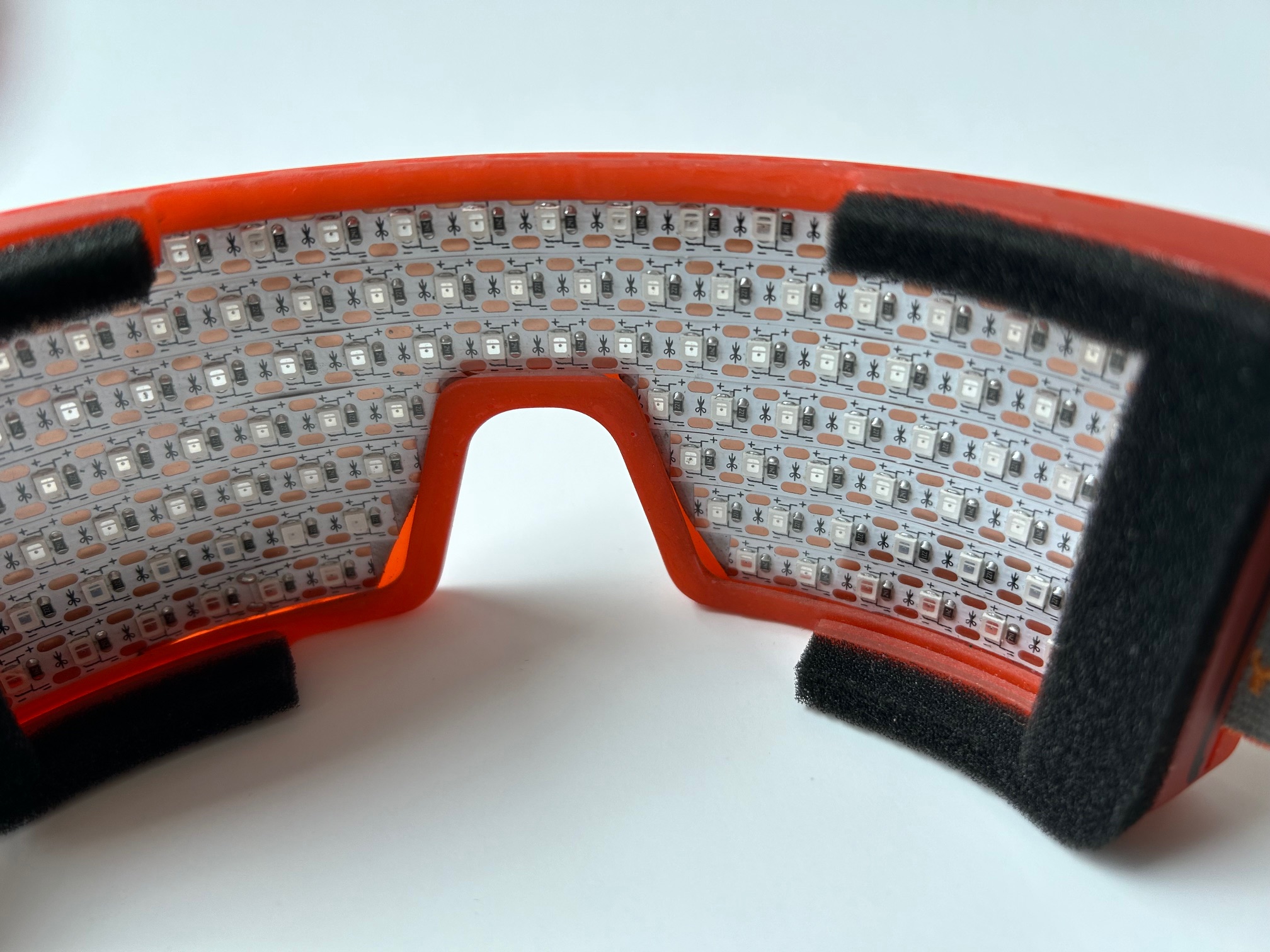
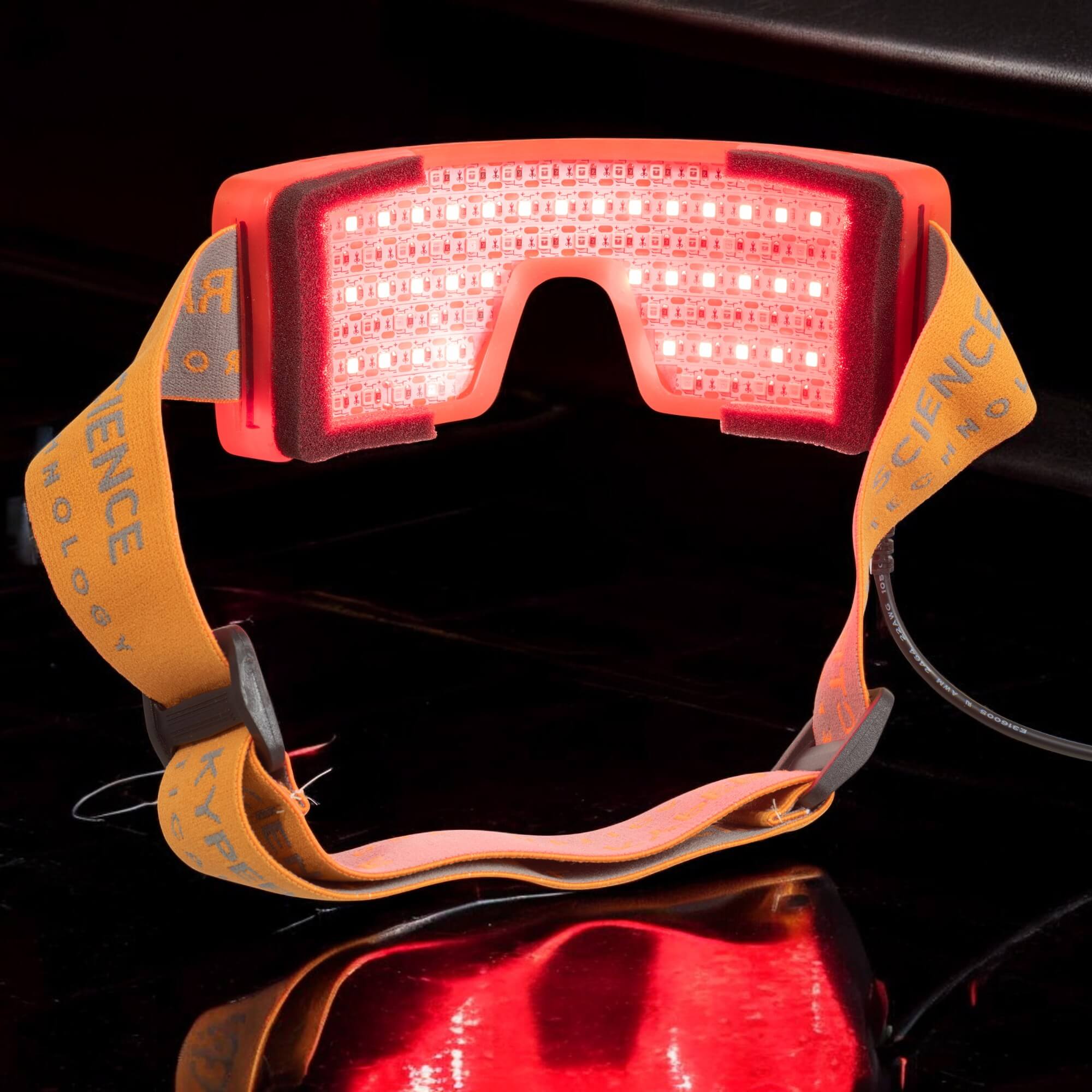
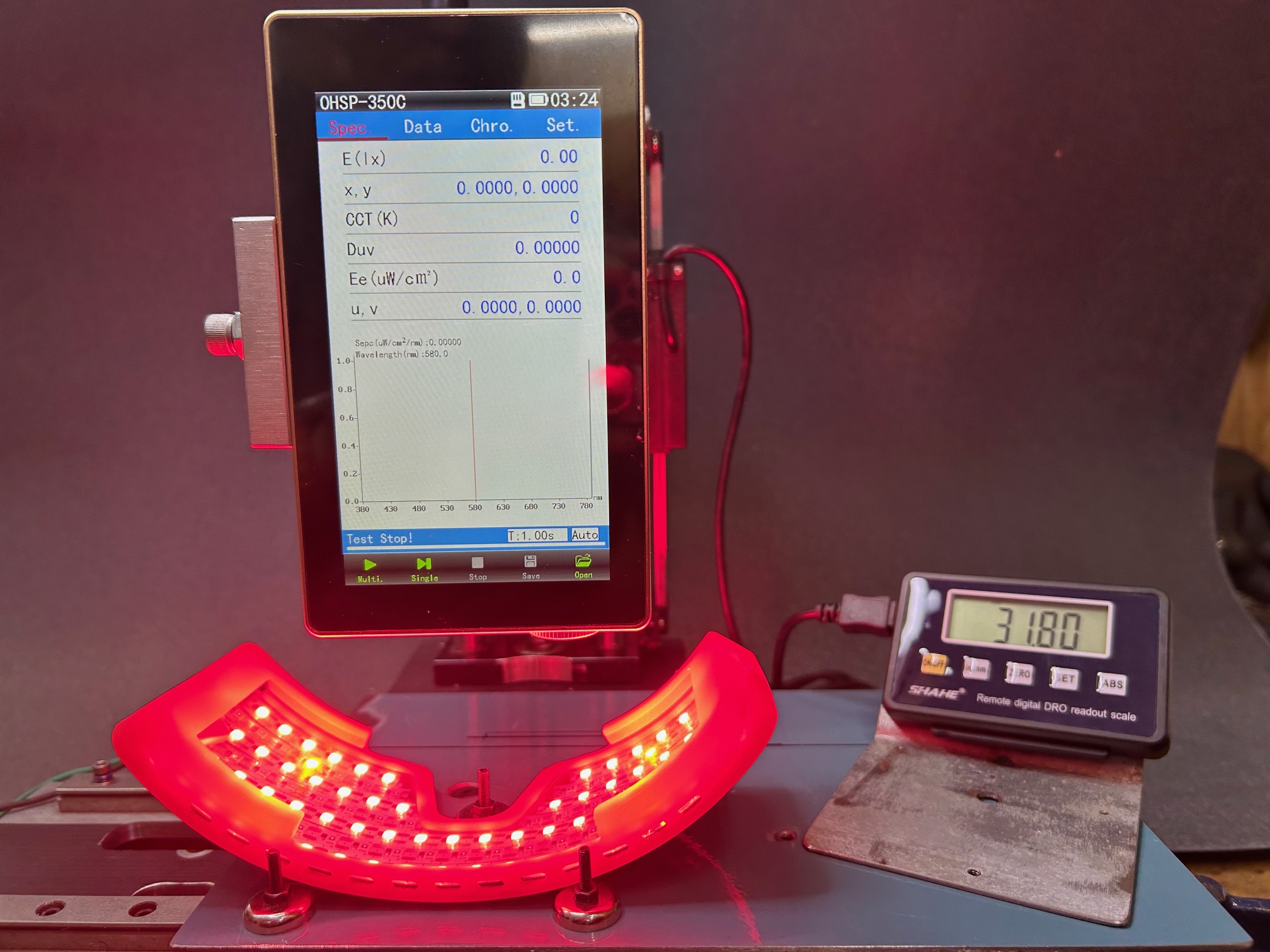
The Spectral WaveFront delivers 670 nm alongside 810 nm in a non-thermal geometry designed to support mitochondrial efficiency and oxidative balance. The Grewal findings reinforce wavelength-specific retinal effects in aging photoreceptors, consistent with preclinical reports of mitochondrial and rod-function rescue at similar wavelengths.
Editor’s note: The rod-function changes observed in healthy aging are directionally consistent with preclinical photoreceptor protection reported in Albarracin 2011 and the mitochondrial metabolic rescue demonstrated in Eells 2003. For perceptual performance effects after brief 670 nm exposure, see Shinhmar 2021. Clinical drusen reduction with multiwavelength PBM is detailed in Merry 2017. For wavelength and energy comparison with the Spectral WaveFront’s 670/810 nm parameters, refer to our WaveFront Evidence Alignment.
Related Articles
- Single 670nm Exposure: Weeklong Colour Contrast Sensitivity Improvements – Shinhmar 2021
- PBM Protects Photoreceptors from Light-Induced Degeneration – Albarracin 2011
- Therapeutic PBM for Methanol-Induced Retinal Toxicity – Eells 2003
- Photobiomodulation Reduces Drusen Volume in Dry AMD – Merry 2017
- Is Multiwavelength PBM Effective and Safe for AMD? – Jackson 2023
Key Takeaways
- 670 nm PBM improved scotopic thresholds by 1.77 dB in healthy aging adults over 12 months
- No functional or structural improvements were observed in intermediate AMD participants
- Rod-mediated dark adaptation may be more responsive to PBM intervention before AMD onset
- The study reinforces the safety of daily 670 nm exposure in older adults with good adherence
Study Overview
| Study Type: | Pilot clinical trial |
| Wavelength(s): | 670 nm |
| Treatment Protocol: | Daily exposure; 40 mW/cm², 4.8 J/cm² over 2 minutes; 12 months |
| Sample Size: | N=31 intermediate AMD; N=11 healthy aging controls |
| Primary Outcome: | Scotopic threshold improvement of 1.77 dB in healthy aging group (p=0.03) |
Full Citation
Grewal DS, Jayasundara KT, Rufai SR, et al. (2020). Evaluating pilot data on the effects of 670 nm photobiomodulation in healthy ageing and age-related macular degeneration. Eye (London), 34(7):1419-1426. View Publication