Condition focus: Foundational Research & Safety
Building on early safety investigations of ophthalmic laser therapy, this experimental study systematically evaluated the biological effects of low-intensity infrared laser irradiation on ocular tissues. Using animal models, researchers examined dose-dependent responses across multiple ocular structures including retina, lens, cornea, and anterior segment tissues. The study employed infrared wavelengths with varying power densities and exposure durations to characterize therapeutic windows and identify potential adverse effects.
Findings demonstrated that infrared laser irradiation at low intensities produced beneficial cellular responses including enhanced metabolic activity and improved tissue repair mechanisms without causing thermal or photochemical damage. Histopathological examination revealed no structural alterations at therapeutic doses, while biochemical markers indicated increased cellular energy production and reduced inflammatory mediators. The study established critical dose-response relationships showing that effects were highly dependent on power density and exposure time, with therapeutic benefits observed within specific parameter ranges. These results provided additional safety validation for infrared laser applications in ophthalmology and expanded understanding of optimal dosimetry for clinical translation.
WaveFront Alignment:
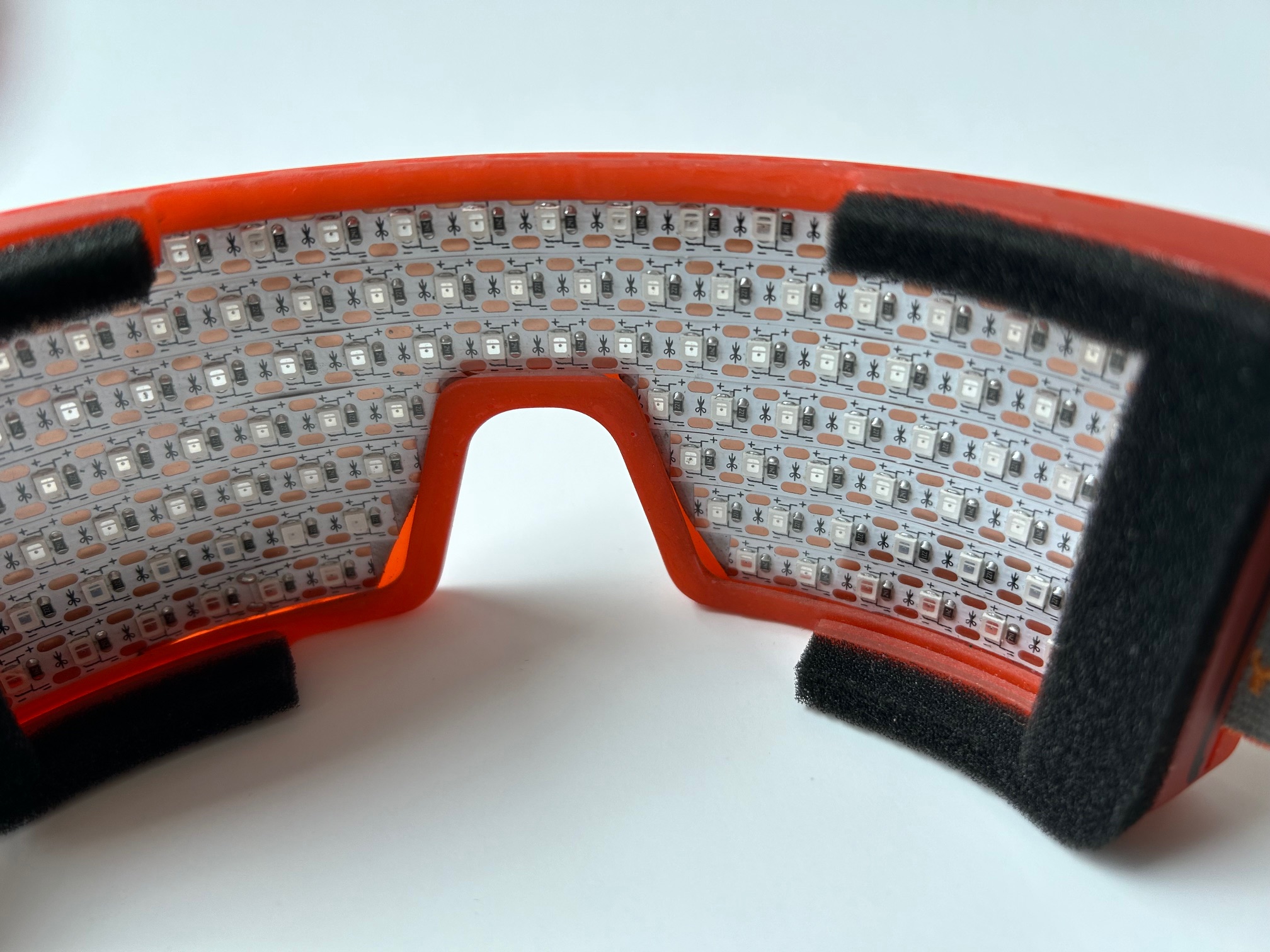
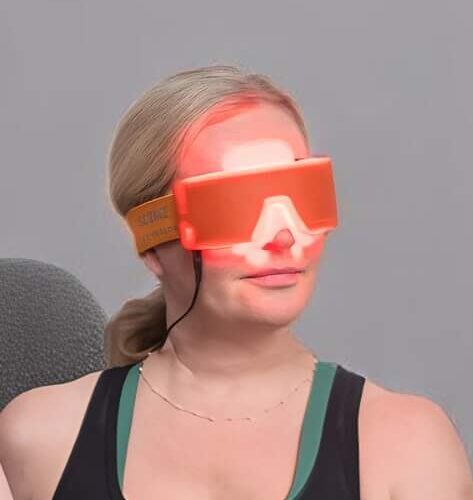
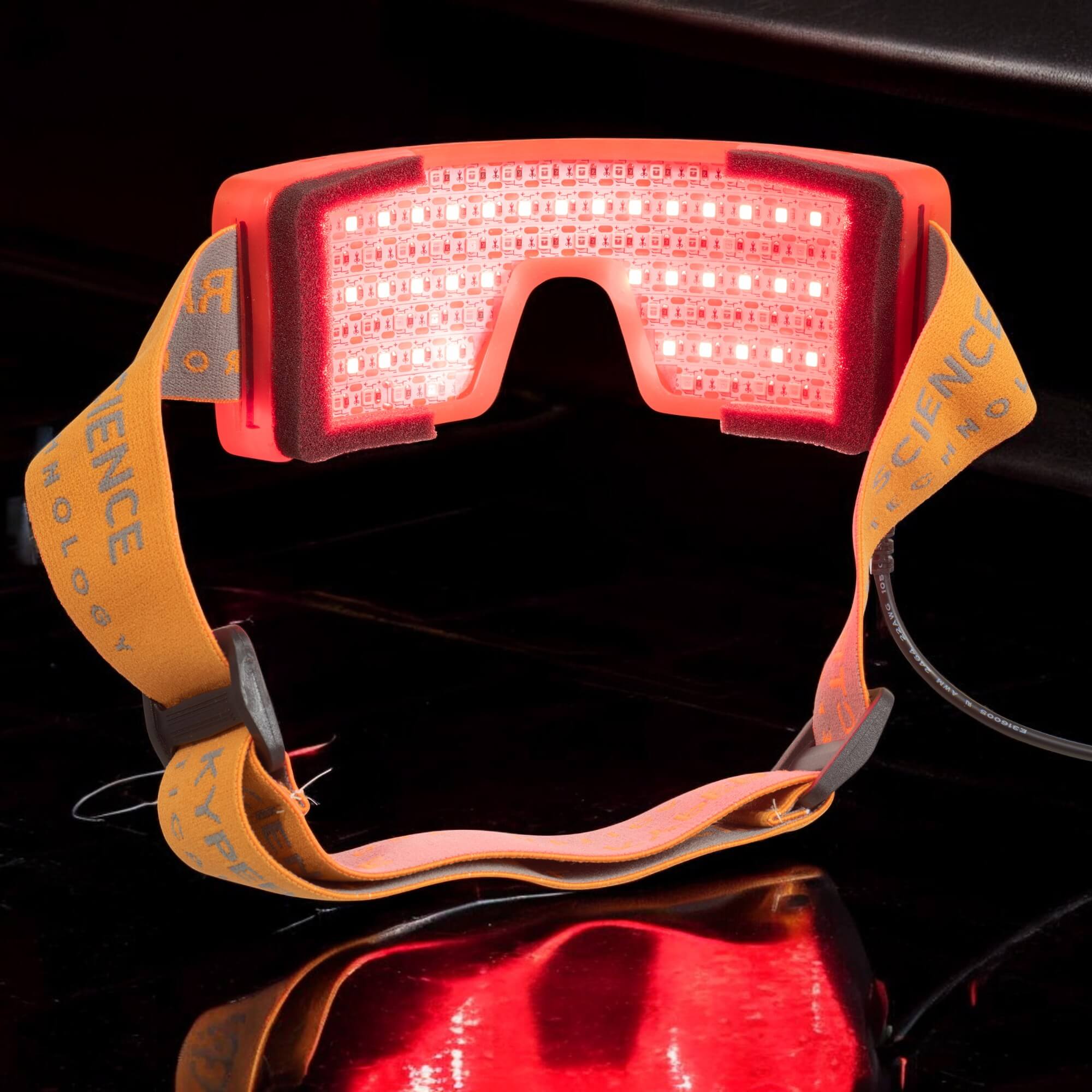
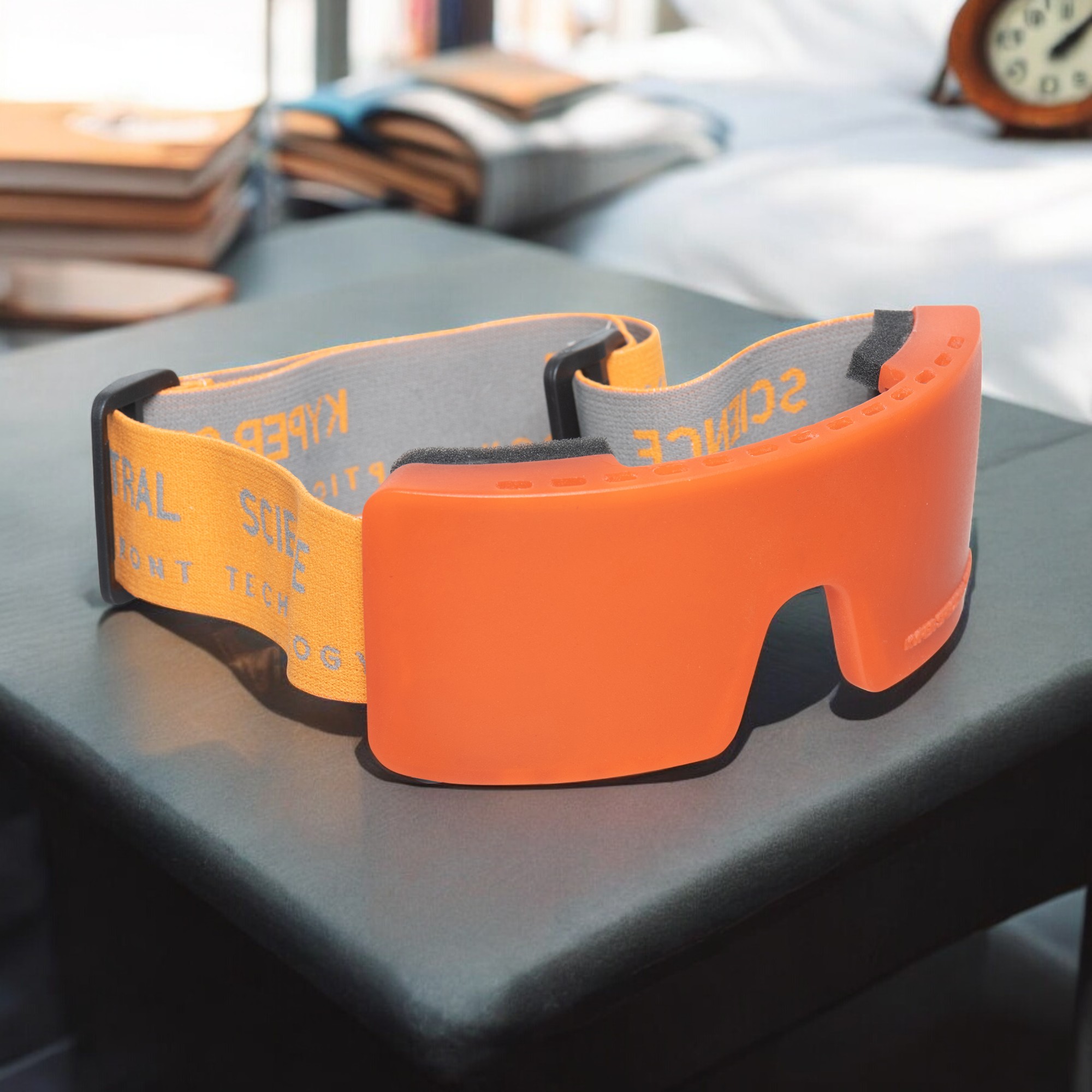
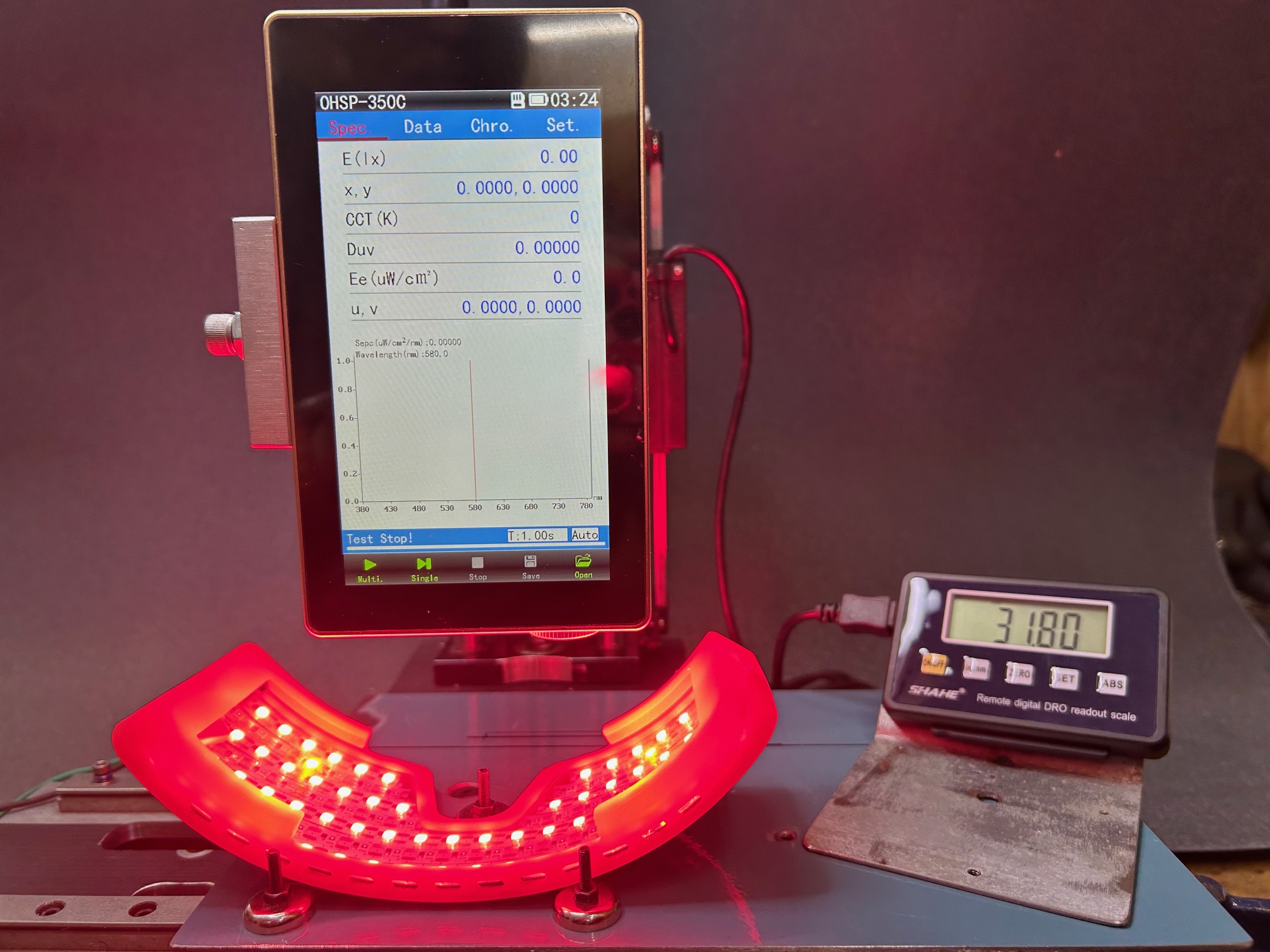
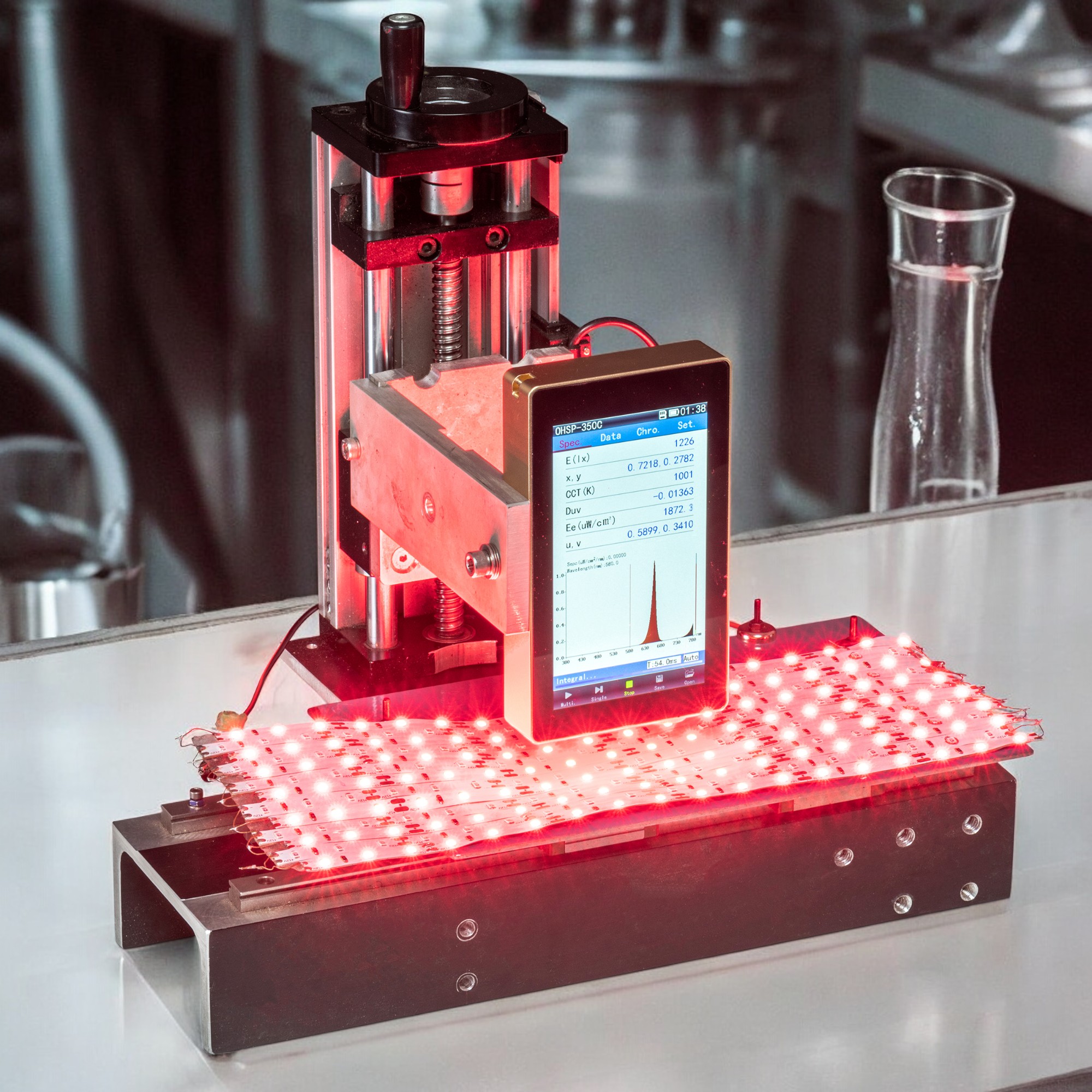
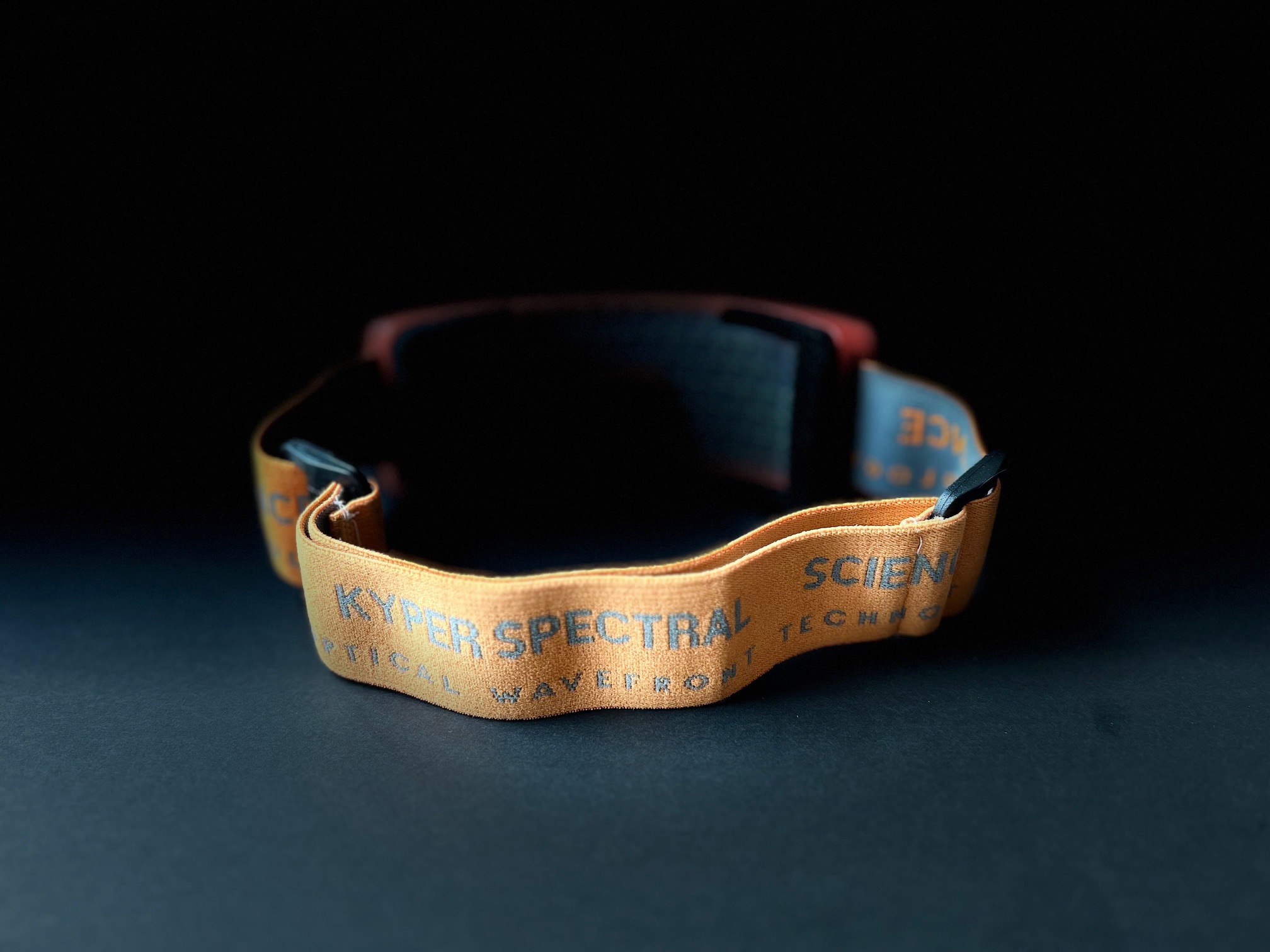
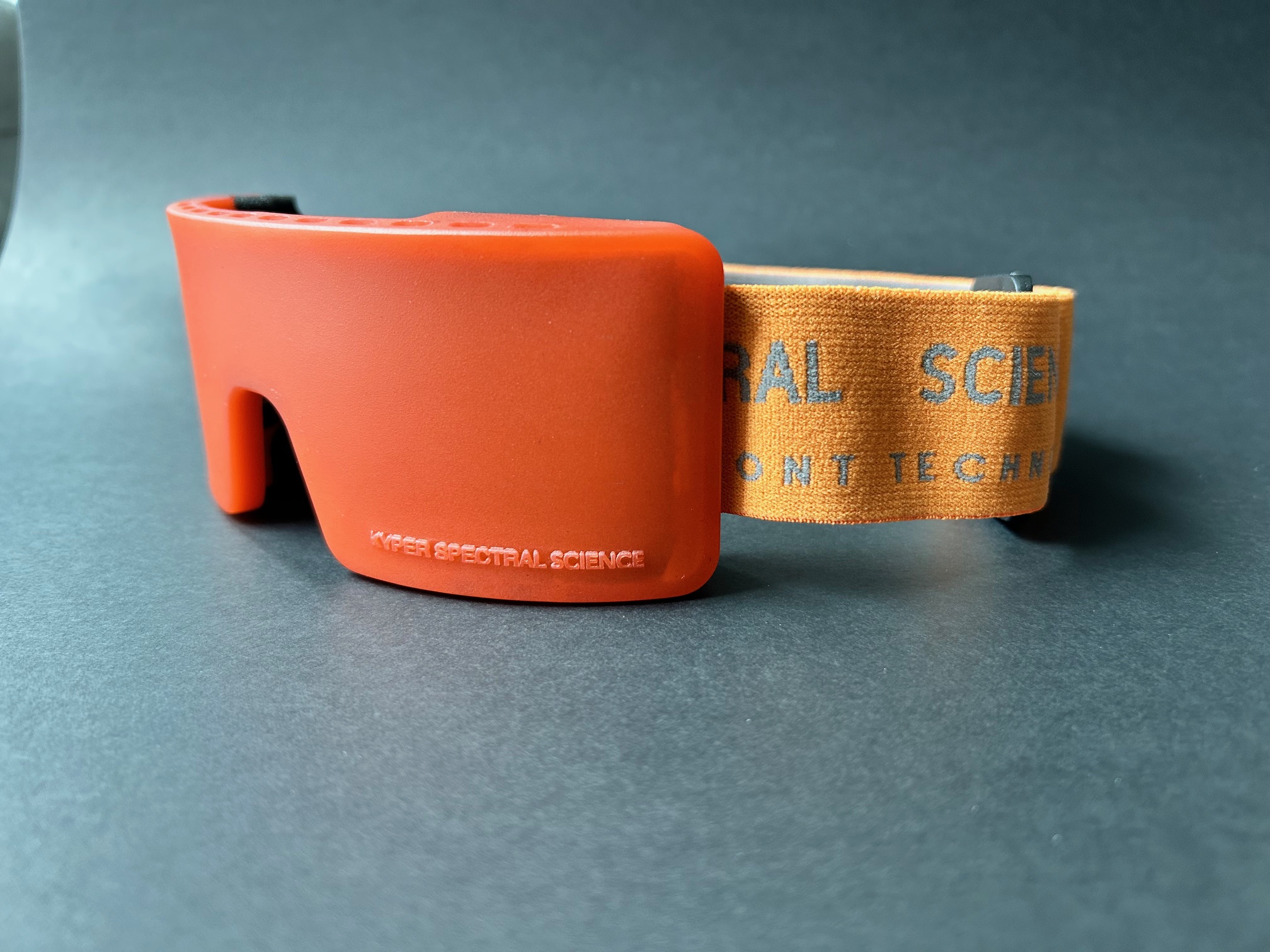
Prokofeva’s dose-response characterization of infrared laser effects provides supporting evidence for the Spectral WaveFront’s near-infrared wavelength parameters and confirms the importance of precise power density control for achieving therapeutic benefit without tissue damage.
Read full article here
Editor’s note: Prokofeva 1996 extends foundational safety data for infrared laser therapy. For earlier safety work, see Belkin 1994. Clinical applications appear in Ivandic 2008 and Koev 2018. Mechanistic context in Beirne 2017 and Gkotsi 2014.
Related Articles
- Ophthalmic Effects of Low Energy Laser Irradiation – Belkin 1994
- Low-Level Laser Therapy Improves Vision in AMD – Ivandic 2008
- Five-Year Follow-Up of LLLT in AMD – Koev 2018
- Photostimulation of Mitochondria for Retinal Neurodegeneration – Beirne 2017
- Recharging Mitochondrial Batteries in Old Eyes – Gkotsi 2014
Key Takeaways
- Low-intensity infrared laser produced beneficial cellular responses without thermal or photochemical damage
- Histopathological examination confirmed absence of structural alterations at therapeutic doses
- Dose-response relationships established: therapeutic benefits within specific power density and exposure ranges
- Study provided critical safety validation and dosimetry guidance for infrared laser ophthalmology applications
Study Overview
| Study Type: | Experimental study (safety and dose-response) |
| Wavelength(s): | Infrared wavelengths |
| Treatment Protocol: | Varying power densities and exposure durations across ocular tissues |
| Sample Size: | Animal models with histopathological and biochemical assessment |
| Primary Outcome: | Established therapeutic windows and safety parameters for infrared laser therapy |
Full Citation
Prokofeva GL, et al. (1996). Effects of low-intensity infrared laser irradiation on the eye: an experimental study. Vestn Oftalmol, 112(1):19-22. View Publication