Condition focus: Retinal Pigment Epithelium & Oxidative Stress
Blue light exposure has emerged as a significant concern in modern society due to increased screen time and LED lighting, with particular implications for retinal pigment epithelium health. This study investigated the molecular mechanisms by which blue light induces oxidative stress and autophagy dysregulation in RPE cells. Using cultured human RPE cell lines, researchers exposed cells to varying intensities and durations of blue light, measuring reactive oxygen species production, autophagy markers, and cell viability.
Results demonstrated that blue light exposure dose-dependently increased ROS generation in RPE cells, leading to mitochondrial dysfunction and impaired autophagic flux. Excessive autophagy activation was followed by autophagy impairment, contributing to RPE cell death. The study identified specific molecular pathways including AMPK/mTOR signaling dysregulation and lysosomal dysfunction as key mediators of blue light toxicity. These findings provide mechanistic insight into how excessive blue light exposure may contribute to age-related macular degeneration pathogenesis, and importantly, suggest that interventions enhancing mitochondrial function and reducing oxidative stress—such as red and near-infrared photobiomodulation—may counteract blue light damage to the RPE.
WaveFront Alignment:
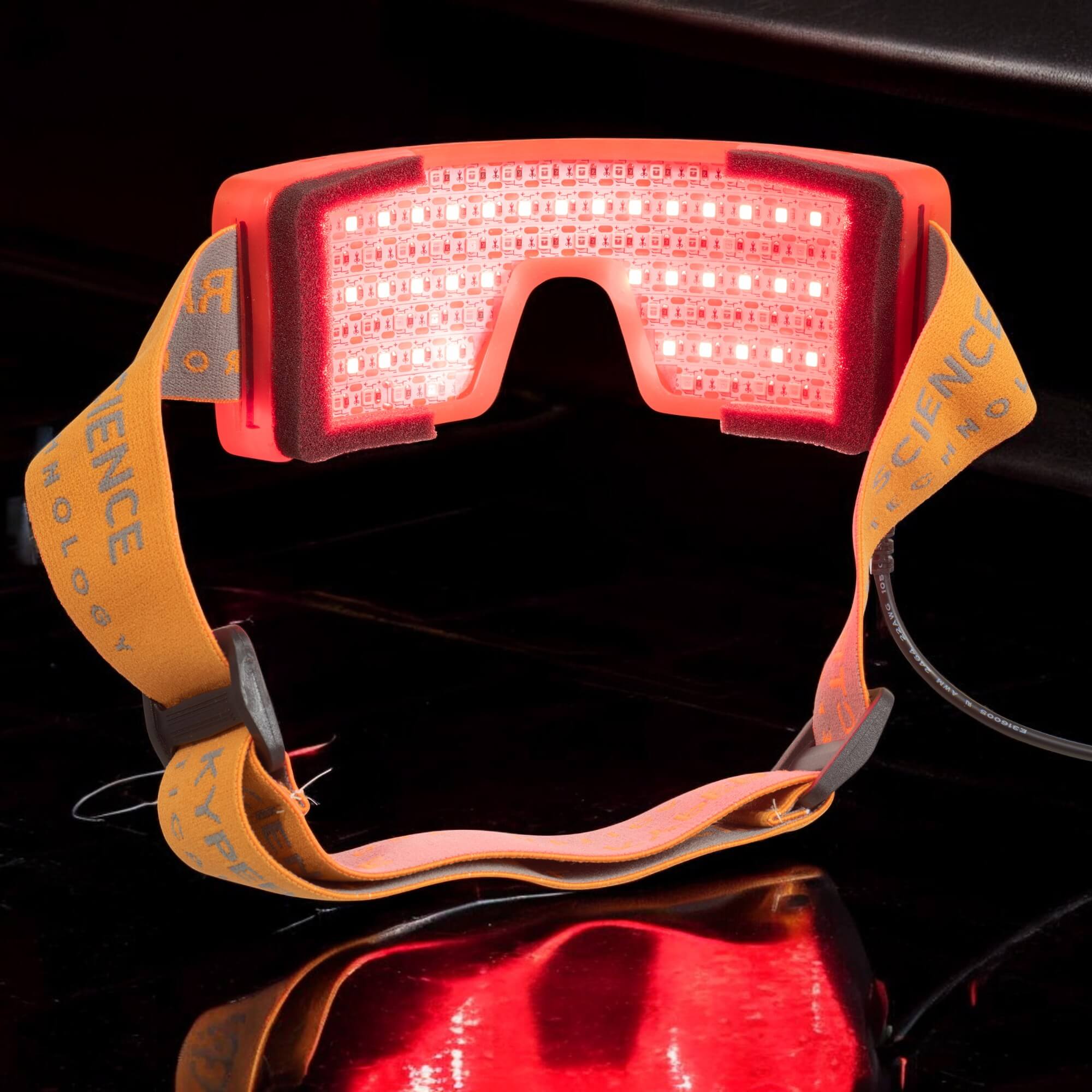
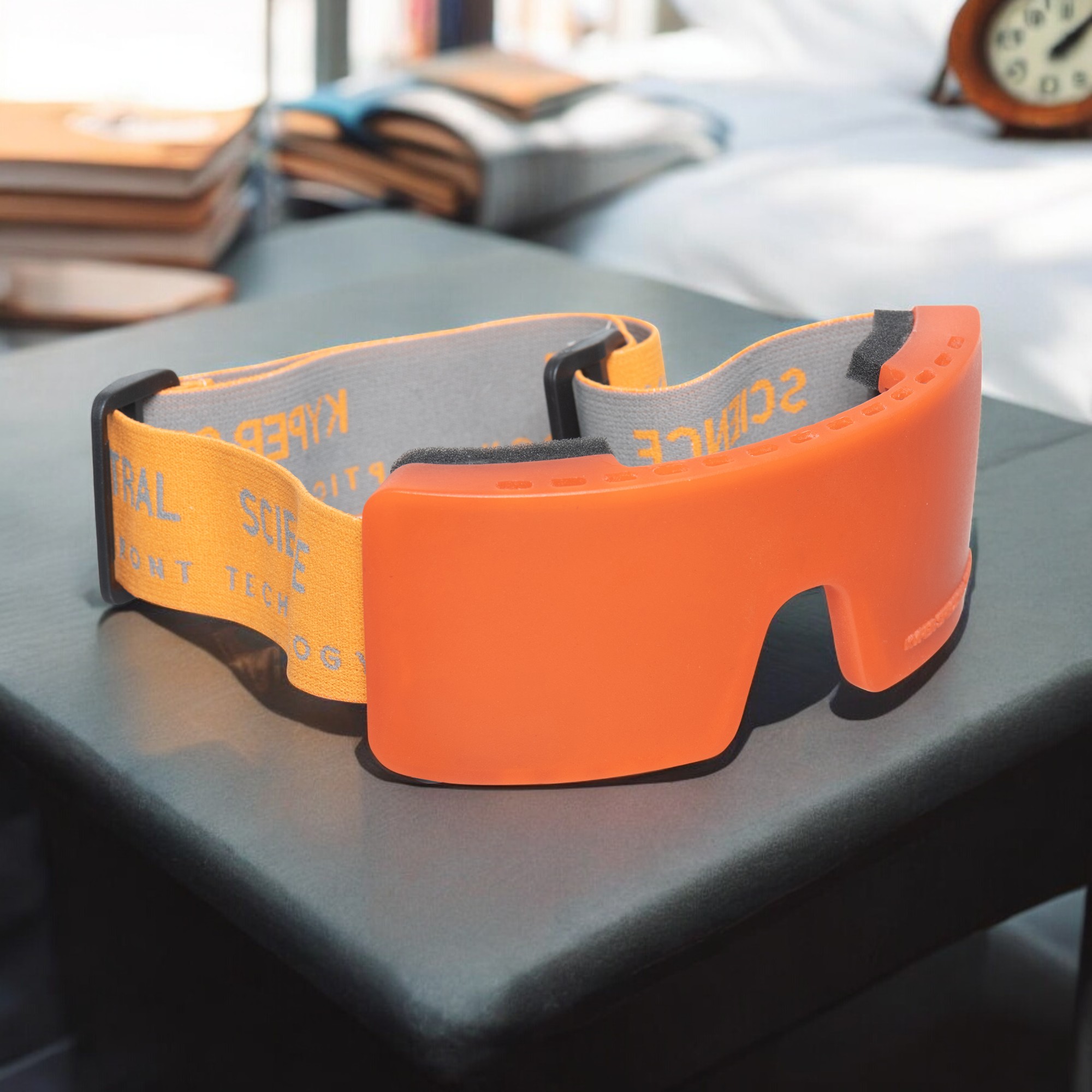
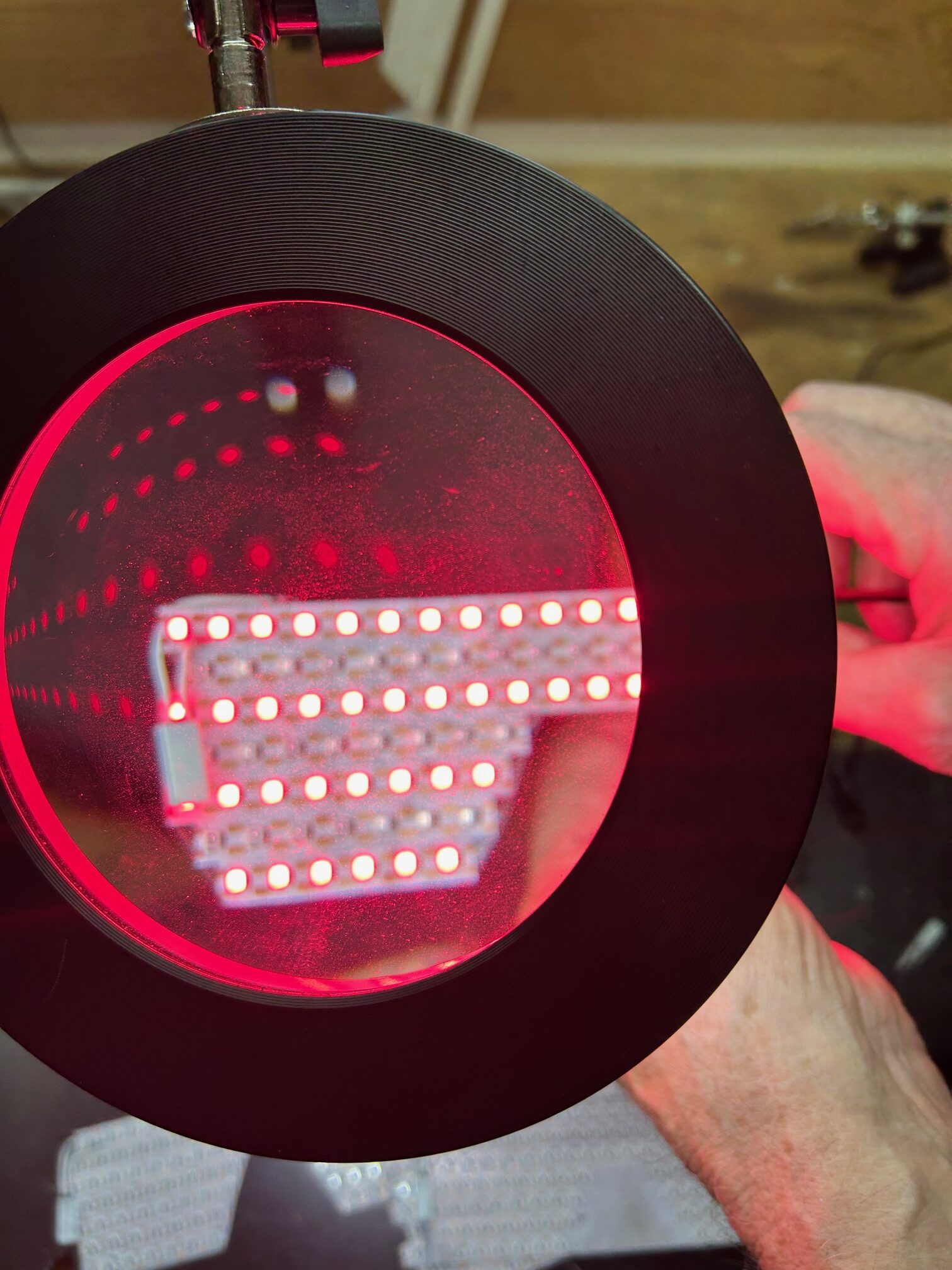
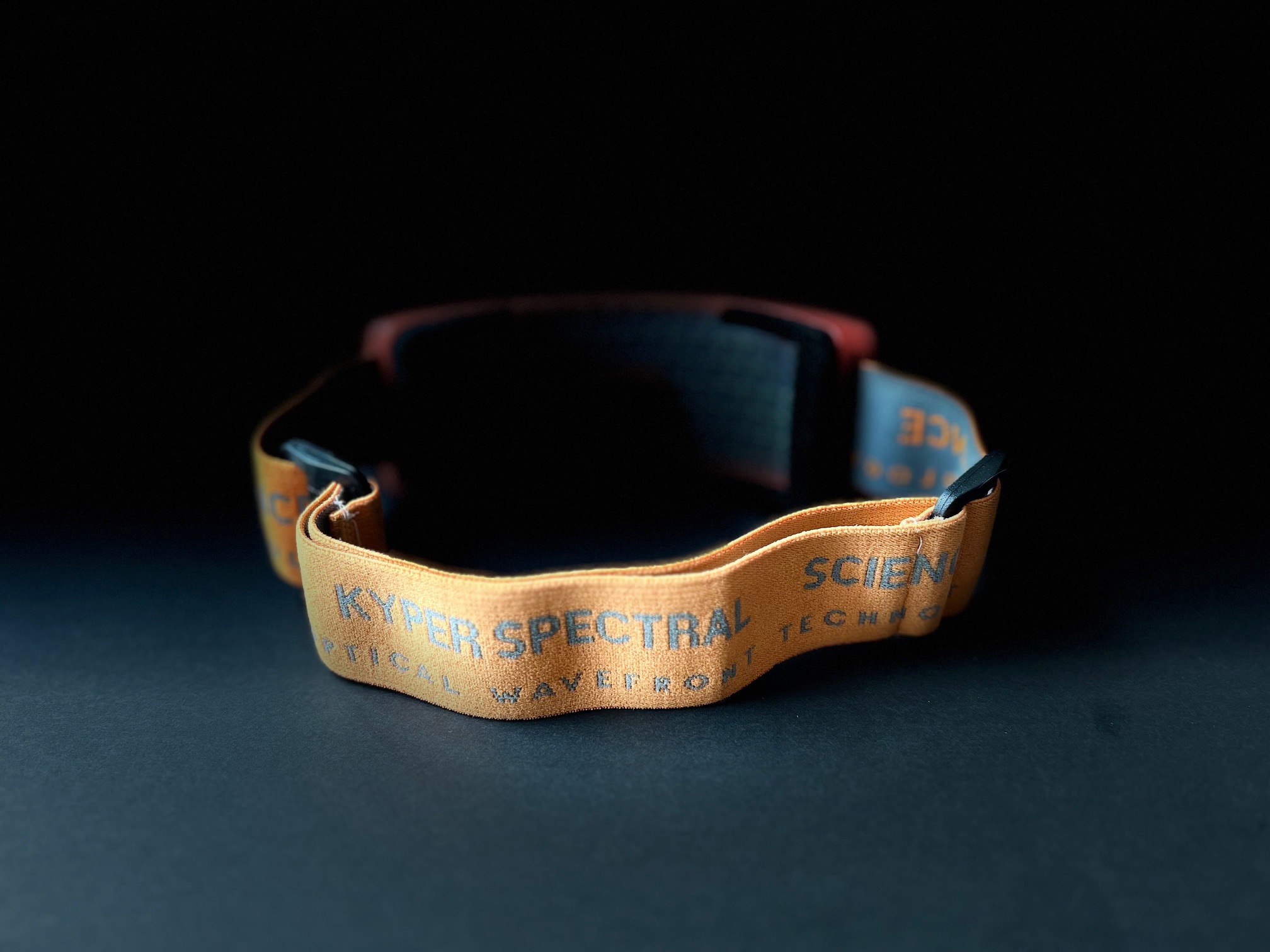
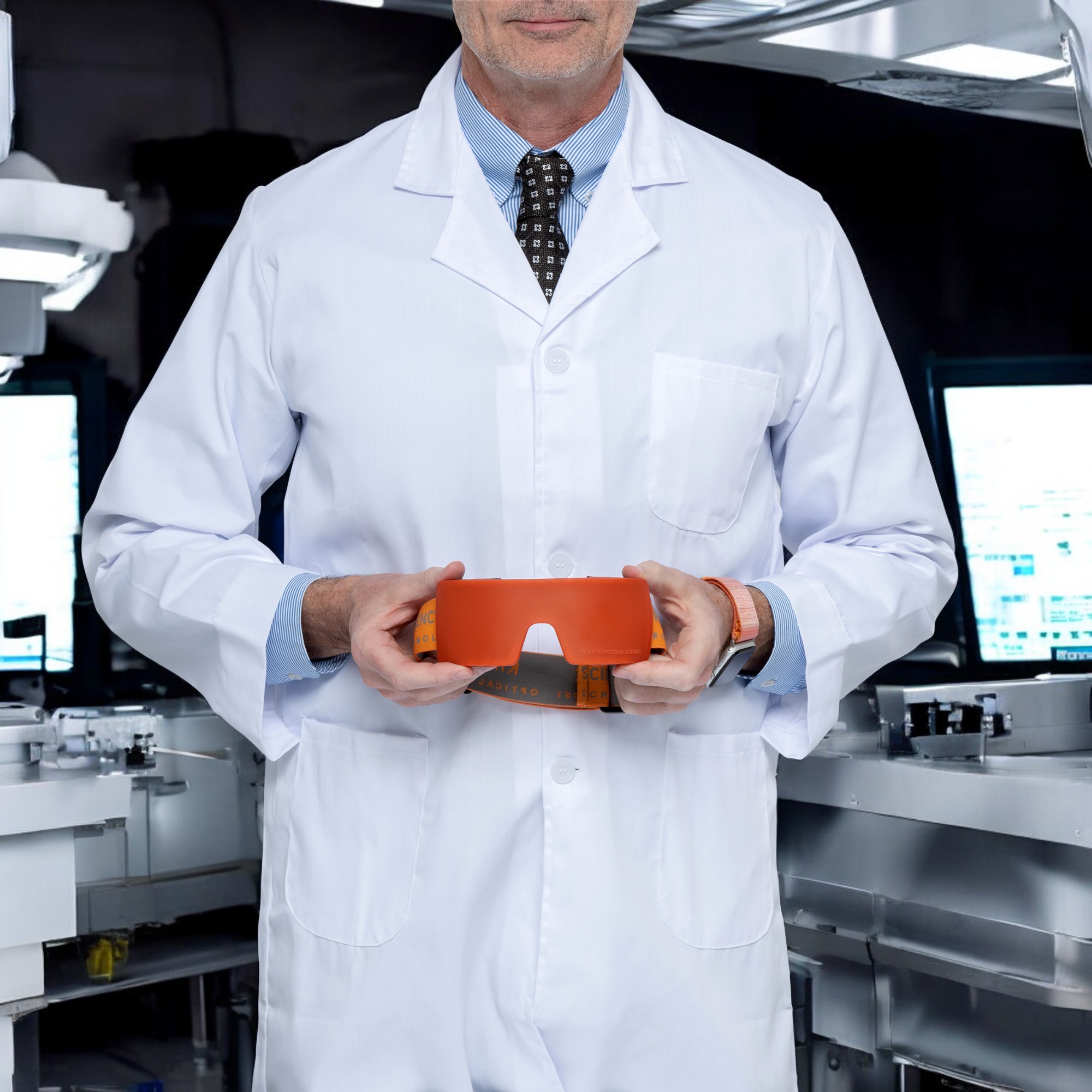
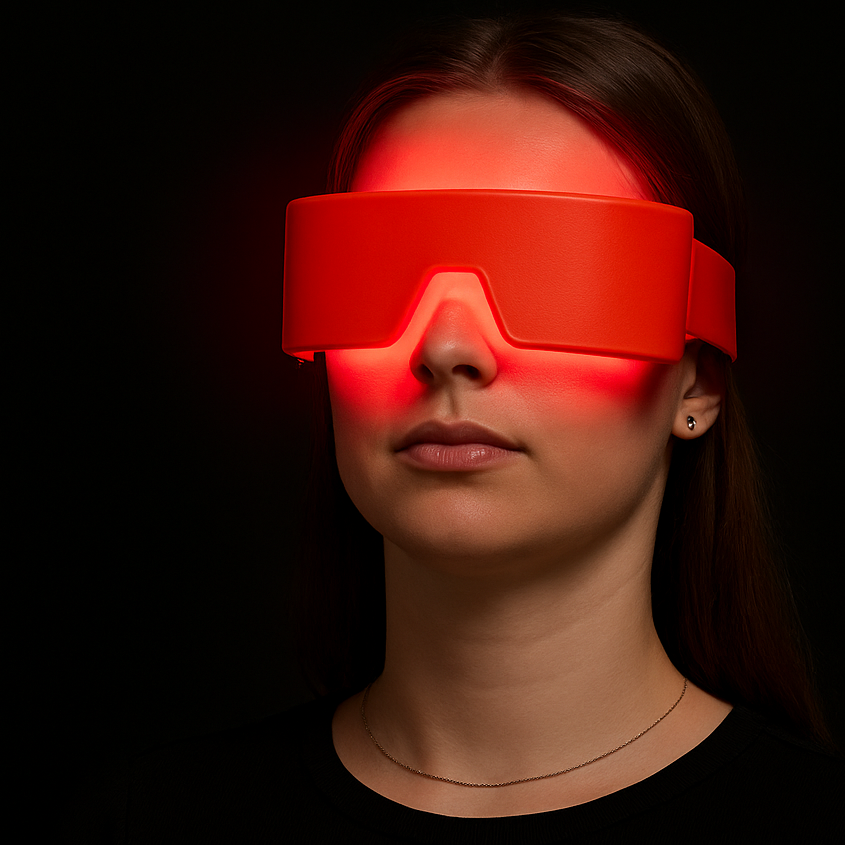
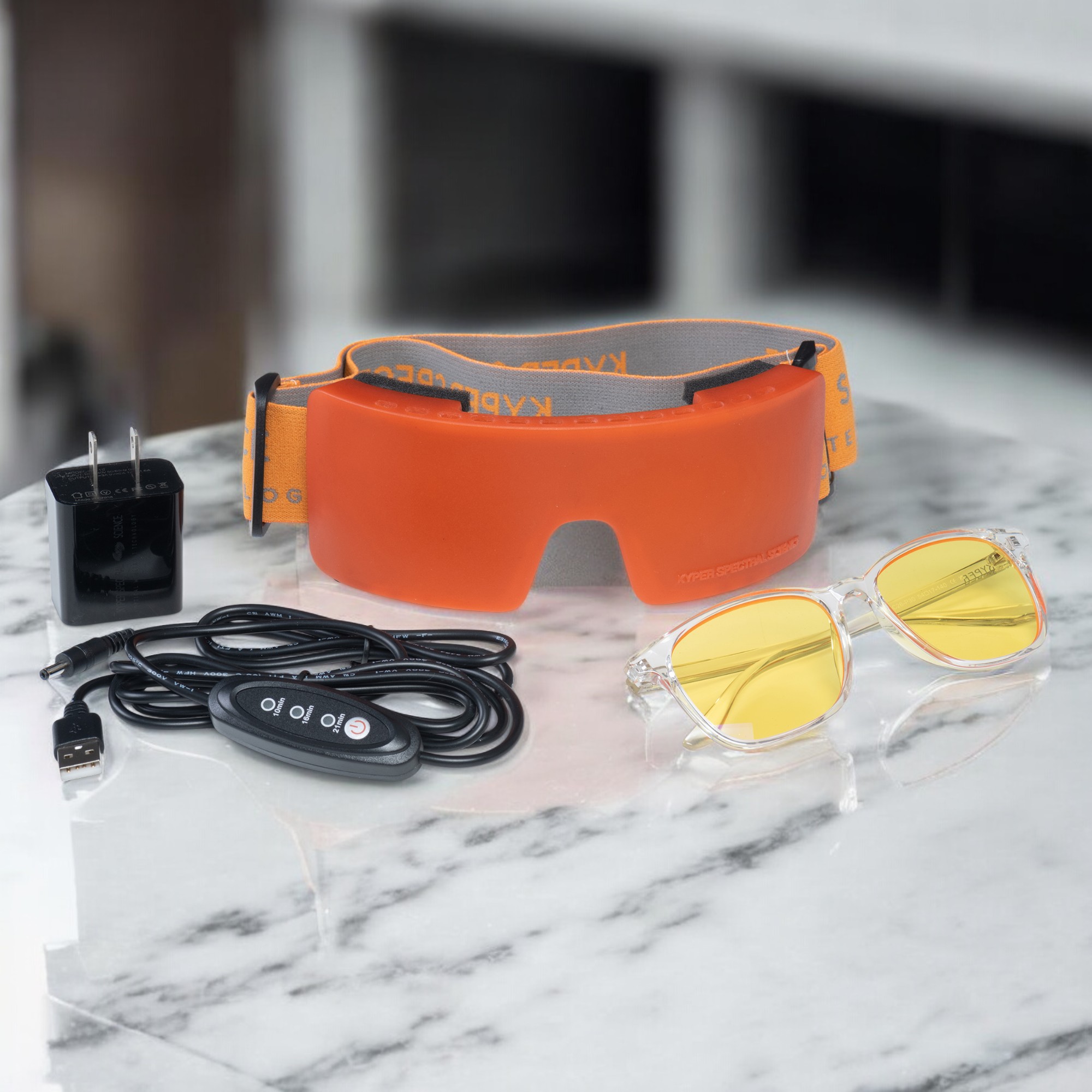
Cheng’s characterization of blue light-induced oxidative stress and mitochondrial dysfunction provides mechanistic rationale for the Spectral WaveFront’s red and near-infrared wavelengths, which have demonstrated protective effects against oxidative damage and enhanced mitochondrial function in RPE cells.
Read full article here
Editor’s note: Cheng 2021 elucidates blue light toxicity mechanisms in RPE cells. For protective photobiomodulation evidence, see Nunez-Alvarez & Osborne 2019 and Osborne 2016. For related p53 pathway mechanisms, see Fietz 2023. Mitochondrial protection context in Feher 2006 and Gkotsi 2014.
Related Articles
- Blue Light Exacerbates and Red Light Counteracts Negative Insults – Nunez-Alvarez & Osborne 2019
- Visual Light Effects on Mitochondria – Osborne 2016
- Blue Light Damage and p53 – Fietz 2023
- Mitochondrial Alterations of RPE in AMD – Feher 2006
- Recharging Mitochondrial Batteries in Old Eyes – Gkotsi 2014
Key Takeaways
- Blue light exposure dose-dependently increased ROS generation and mitochondrial dysfunction in RPE cells
- Excessive autophagy activation followed by impairment contributed to RPE cell death
- AMPK/mTOR signaling dysregulation and lysosomal dysfunction identified as key toxicity mediators
- Findings provide mechanistic rationale for protective interventions enhancing mitochondrial function
Study Overview
| Study Type: | In vitro mechanistic research |
| Wavelength(s): | Blue light exposure (toxic effects) |
| Treatment Protocol: | Cultured human RPE cells with varying blue light intensities and durations |
| Sample Size: | In vitro cell culture models |
| Primary Outcome: | Blue light induces oxidative stress, autophagy dysregulation, and RPE cell death |
Full Citation
Cheng Y. (2021). Blue light induces mitochondrial DNA damage and oxidative stress in RPE cells. Photochem Photobiol, 97(4):837-848. View Publication