Condition focus: Retinal Ganglion Cell Protection & Light Toxicity
Modern light environments expose retinas to increased blue light from LED screens and artificial lighting, raising concerns about potential retinal damage, while red and near-infrared light have demonstrated neuroprotective properties. This study systematically compared blue light toxicity versus red light protection in retinal ganglion cells using both in situ retinal explants and R28 cell culture models. Retinal tissues and cells were exposed to varying intensities of blue (400-500 nm) and red (630-700 nm) light, with cell viability, oxidative stress markers, mitochondrial function, and apoptotic signaling assessed.
Results demonstrated that blue light dose-dependently induced retinal ganglion cell death through excessive reactive oxygen species generation, mitochondrial membrane potential collapse, and activation of apoptotic pathways. In contrast, red light exposure provided significant protection against multiple toxic insults including oxidative stress, glutamate excitotoxicity, and rotenone-induced mitochondrial dysfunction. When blue and red light were applied together, red light significantly counteracted blue light toxicity, preserving cell viability and mitochondrial function. Mechanistic analysis revealed that red light enhanced mitochondrial ATP production, increased antioxidant enzyme expression, and stabilized mitochondrial membranes. The protective effects were wavelength-specific with optimal benefits at 630-670 nm. These findings establish opposing effects of blue versus red light on retinal ganglion cells, supporting red light photobiomodulation as a potential countermeasure to blue light-induced retinal stress in modern environments.
WaveFront Alignment:
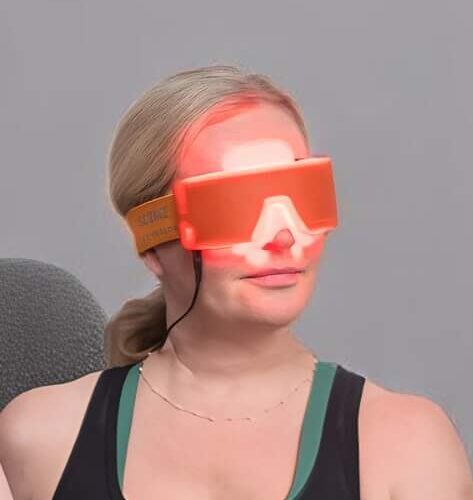
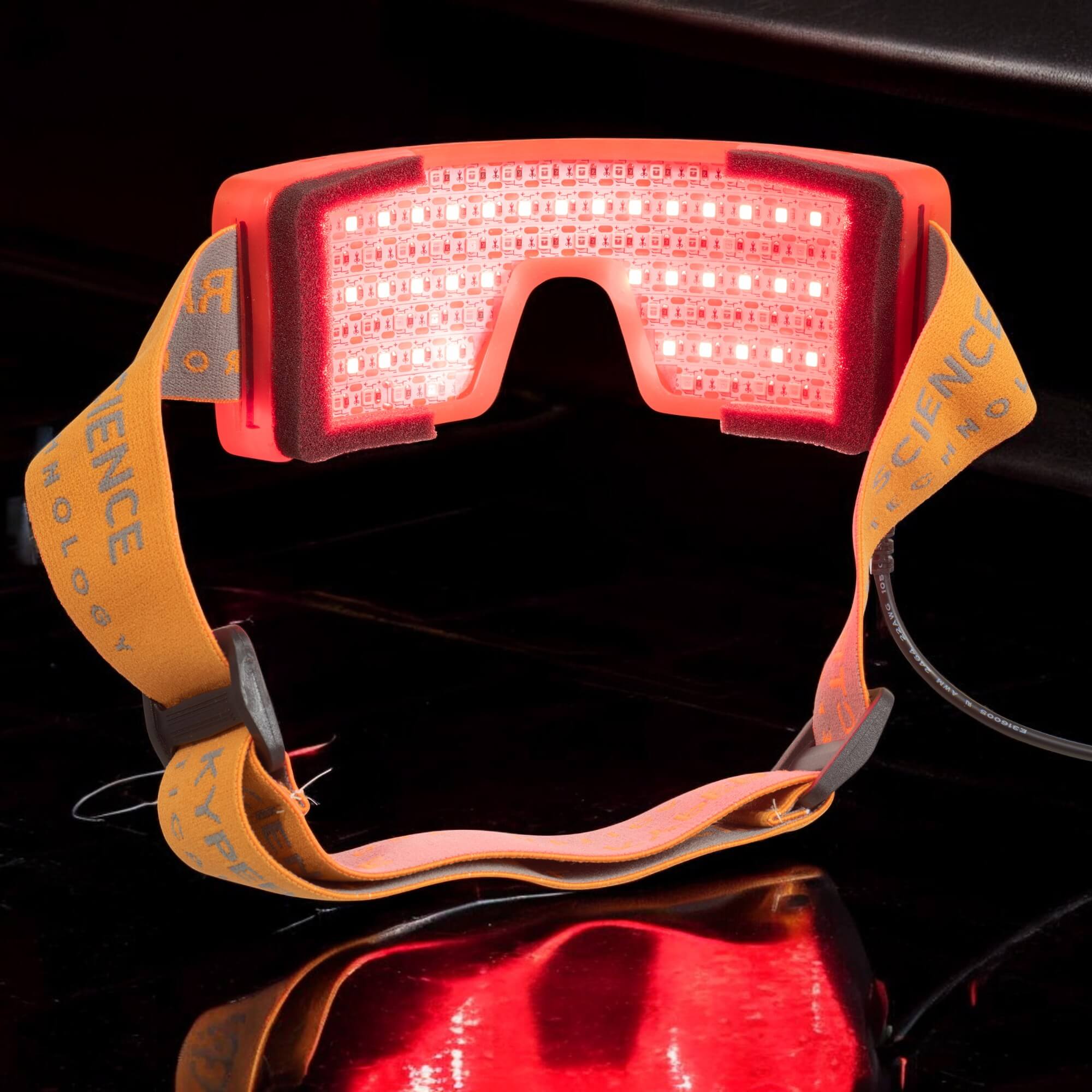
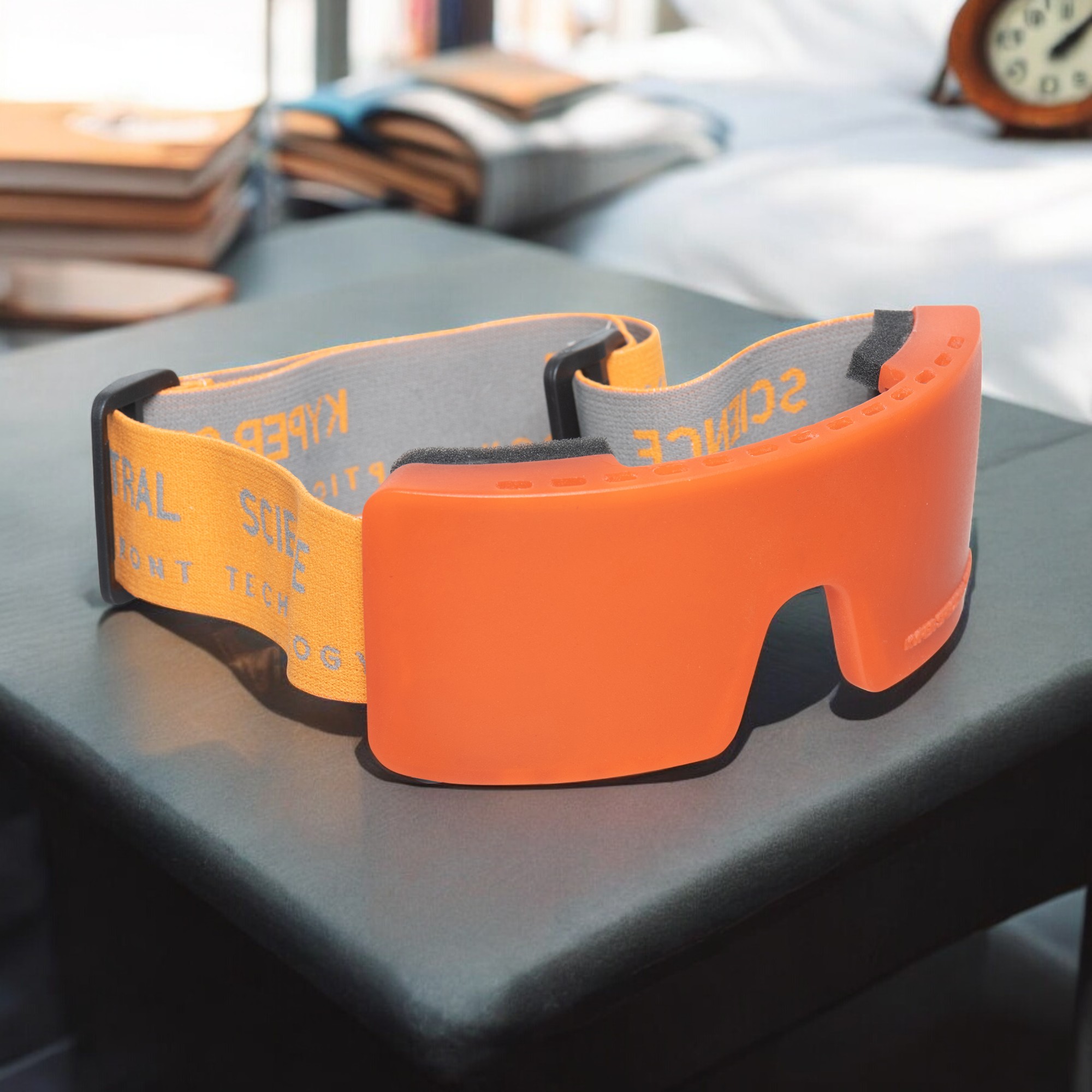
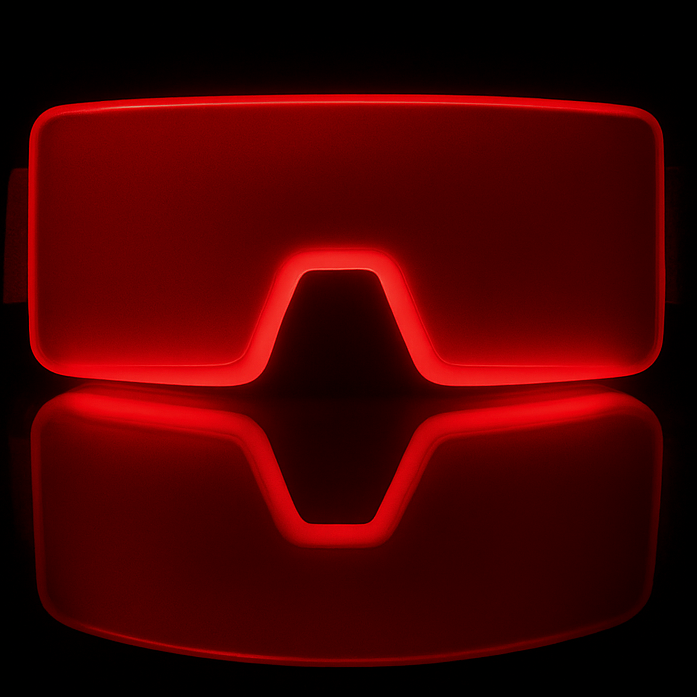
Nunez-Alvarez’s demonstration that red light counteracts blue light toxicity in retinal ganglion cells validates the Spectral WaveFront’s protective potential against modern environmental light stress, supporting applications for individuals with high screen exposure or blue light-associated retinal vulnerability.
Read full article here
Editor’s note: Nunez-Alvarez 2019 demonstrates red light protection against blue light toxicity in RGCs. For related blue light damage mechanisms, see Cheng 2021 and Fietz 2023. Broader light effects on mitochondria appear in Osborne 2016. Mitochondrial protection mechanisms in Beirne 2017 and Fitzgerald 2010.
Related Articles
- Blue Light, Oxidative Stress, and Autophagy in RPE – Cheng 2021
- Blue Light Damage and p53 – Fietz 2023
- Visual Light Effects on Mitochondria – Osborne 2016
- Photostimulation of Mitochondria for Retinal Neurodegeneration – Beirne 2017
- NIR Reduces Oxidative Stress in Optic Nerve Injury – Fitzgerald 2010
Key Takeaways
- Blue light dose-dependently induced RGC death through ROS generation and mitochondrial dysfunction
- Red light (630-670 nm) provided significant protection against oxidative stress, glutamate toxicity, and mitochondrial damage
- Red light counteracted blue light toxicity when applied together, preserving cell viability and mitochondrial function
- Protective mechanisms included enhanced ATP production, increased antioxidant enzymes, and stabilized mitochondrial membranes
Study Overview
| Study Type: | In vitro and ex vivo mechanistic research |
| Wavelength(s): | Blue light (400-500 nm) vs Red light (630-700 nm) |
| Treatment Protocol: | Light exposure in retinal explants and R28 cell cultures with toxicity challenges |
| Sample Size: | In situ retinal tissues and cultured RGC models |
| Primary Outcome: | Red light counteracted blue light toxicity with wavelength-specific neuroprotection at 630-670 nm |
Full Citation
Nunez-Alvarez C, Osborne NN. (2019). Blue light exacerbates and red light counteracts negative insults to retinal ganglion cells in situ and R28 cells in vitro. Neurochem Int, 125:187-196. View Publication