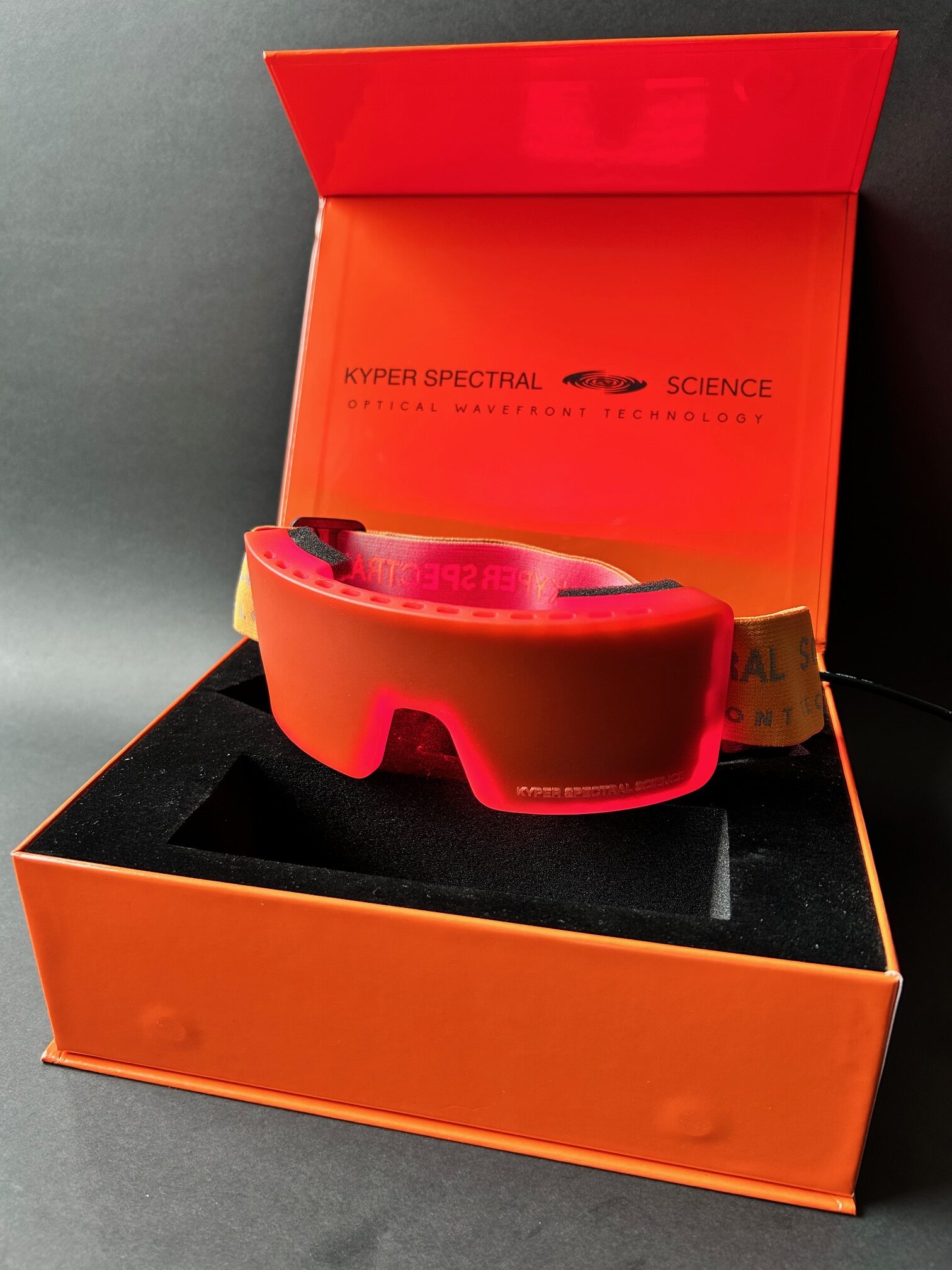
Condition focus: Dry Eye Disease & Ocular Surface Inflammation
Light-emitting diode (LED)-based photobiomodulation has been used to treat many inflammatory diseases, including neurological and dermatological conditions; several researchers are exploring PBM in an ophthalmological context. PBM phototherapy uses visible and near-infrared light to control pain and inflammation without any complications, aiding immune system regulation, tissue production, wound healing, and neurogenesis. In particular, red LED light with a wavelength of 600-700 nm enhances the immune response and cell proliferation, and NIR LED light with a wavelength around 800 nm exerts anti-inflammatory effects.
This study evaluated the in vivo effects of simultaneous 680, 780, and 830 nm LED light treatments on dry eye models. Results demonstrated improvements in tear breakup time, tear volume, and reduced inflammatory response. The findings support multi-wavelength LED PBM as an effective approach for ocular surface inflammation and dry eye symptom attenuation.
WaveFront Alignment:
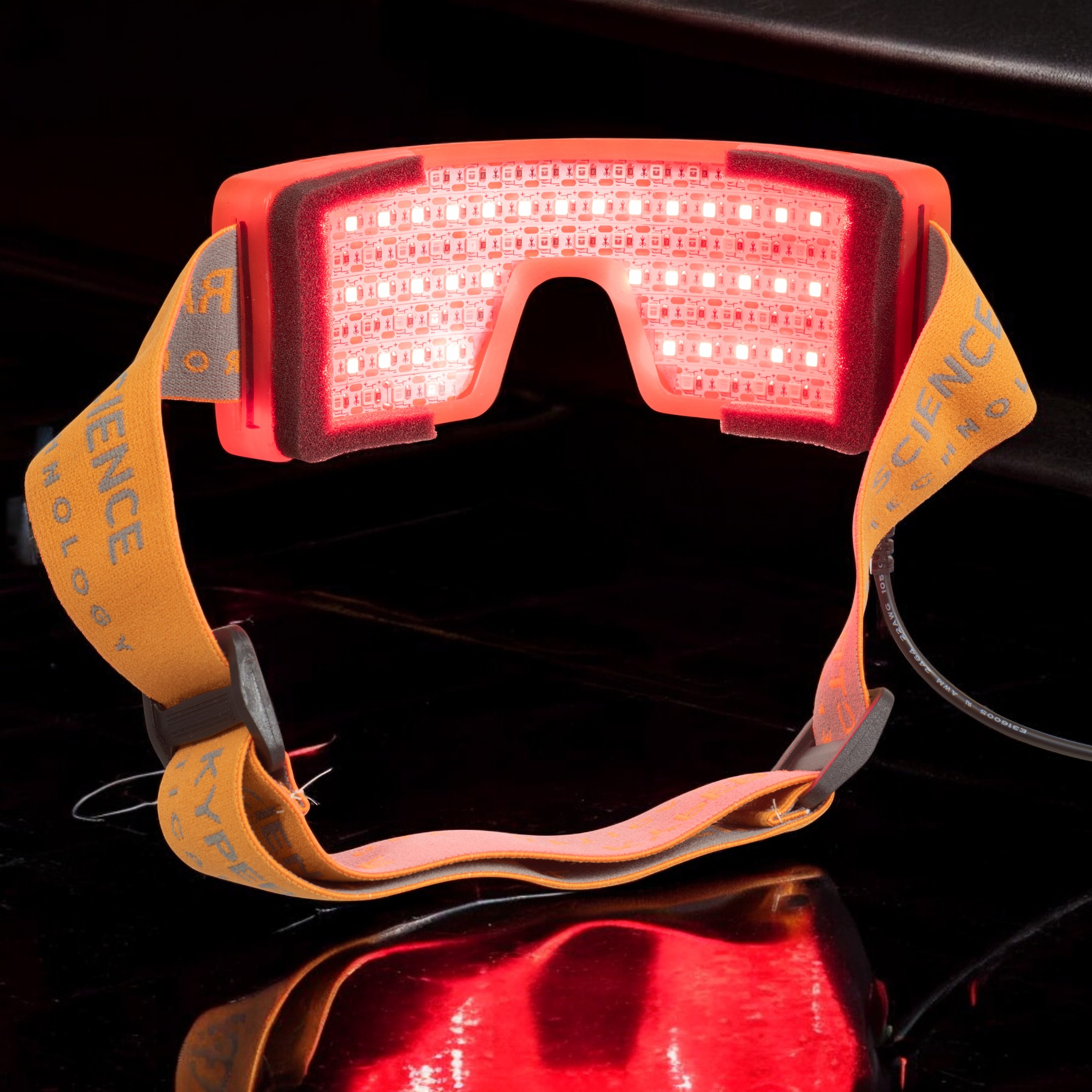
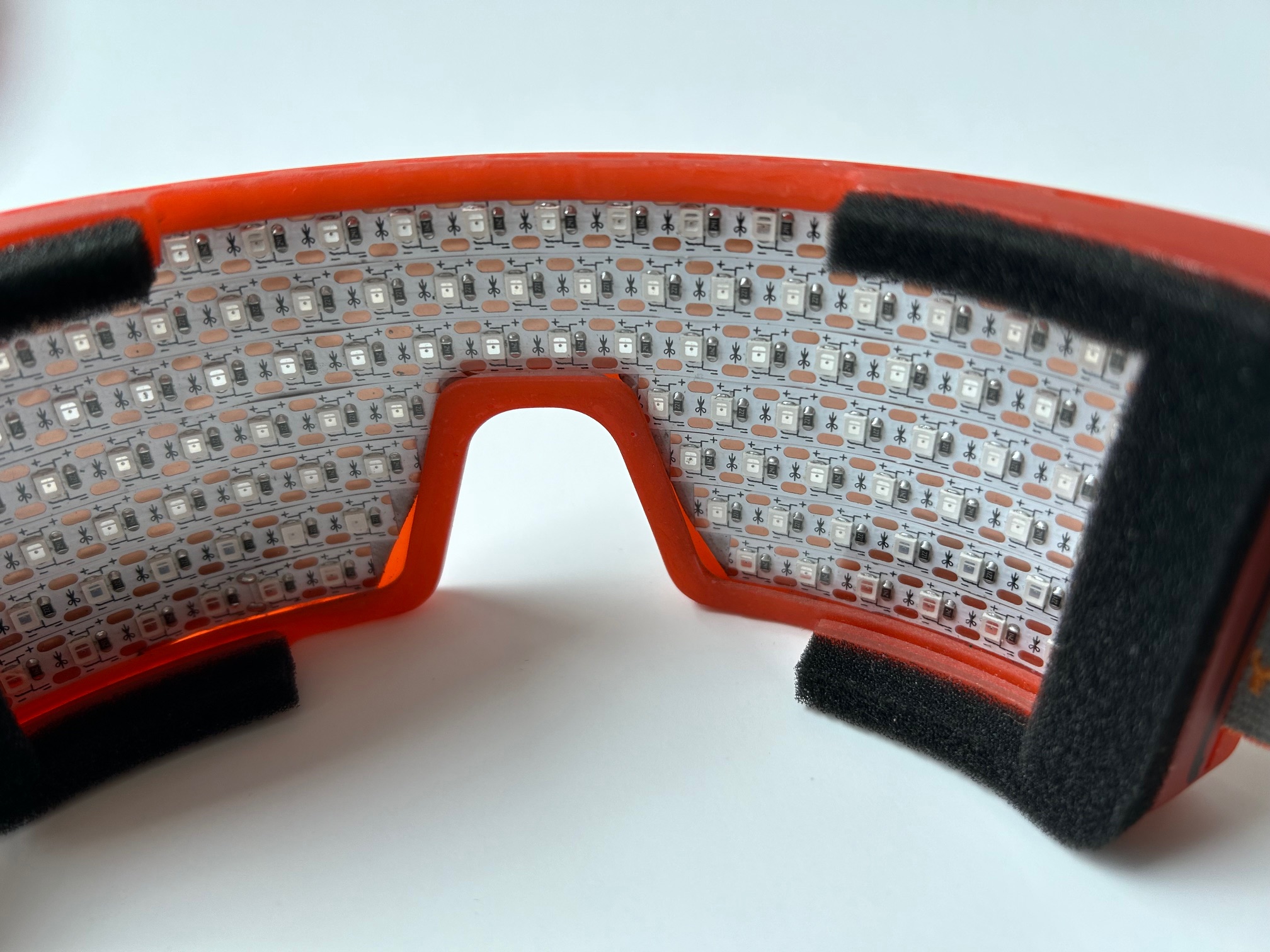
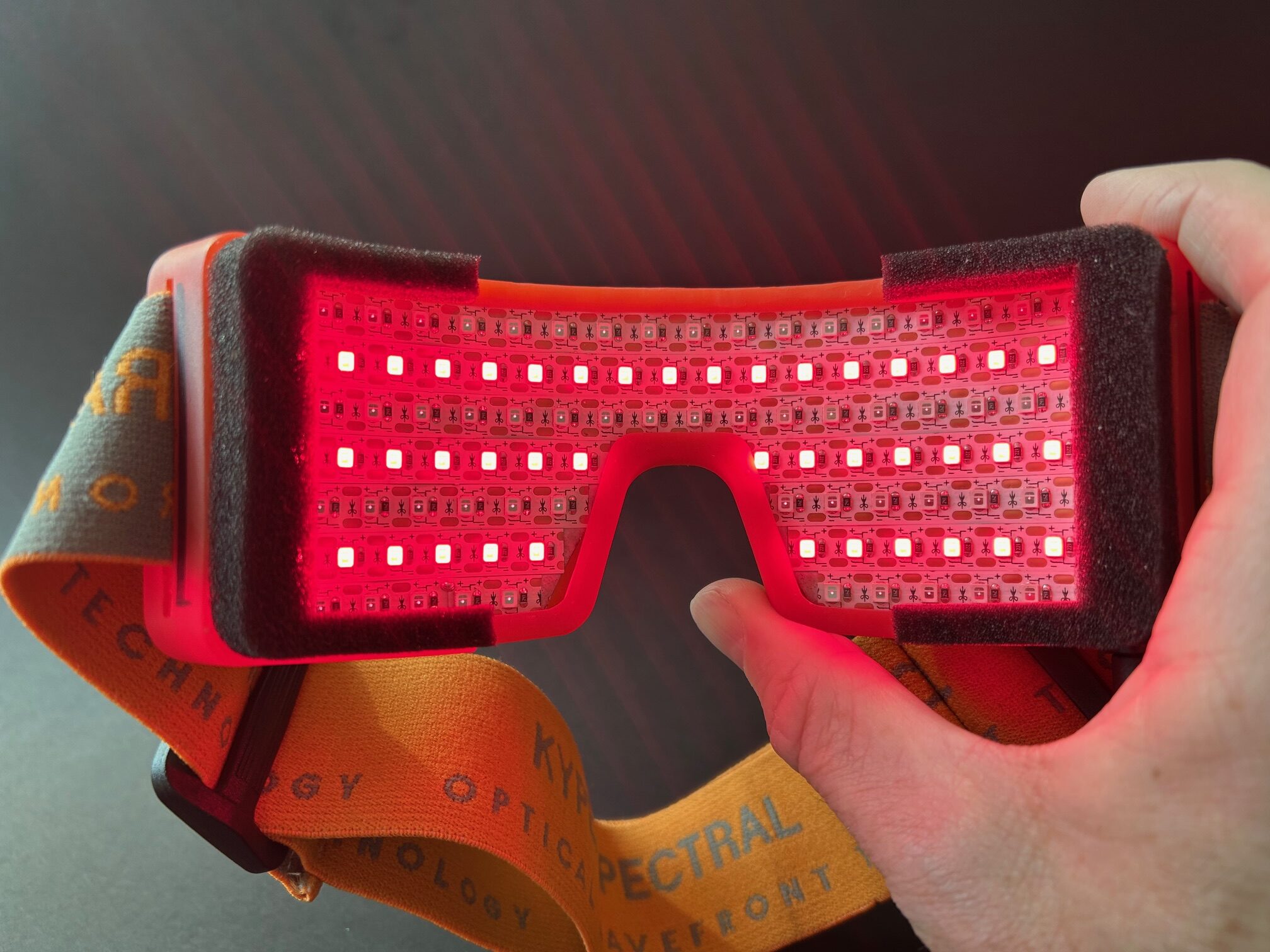
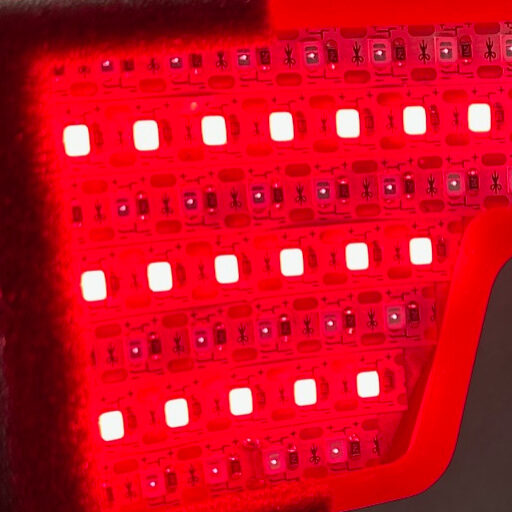
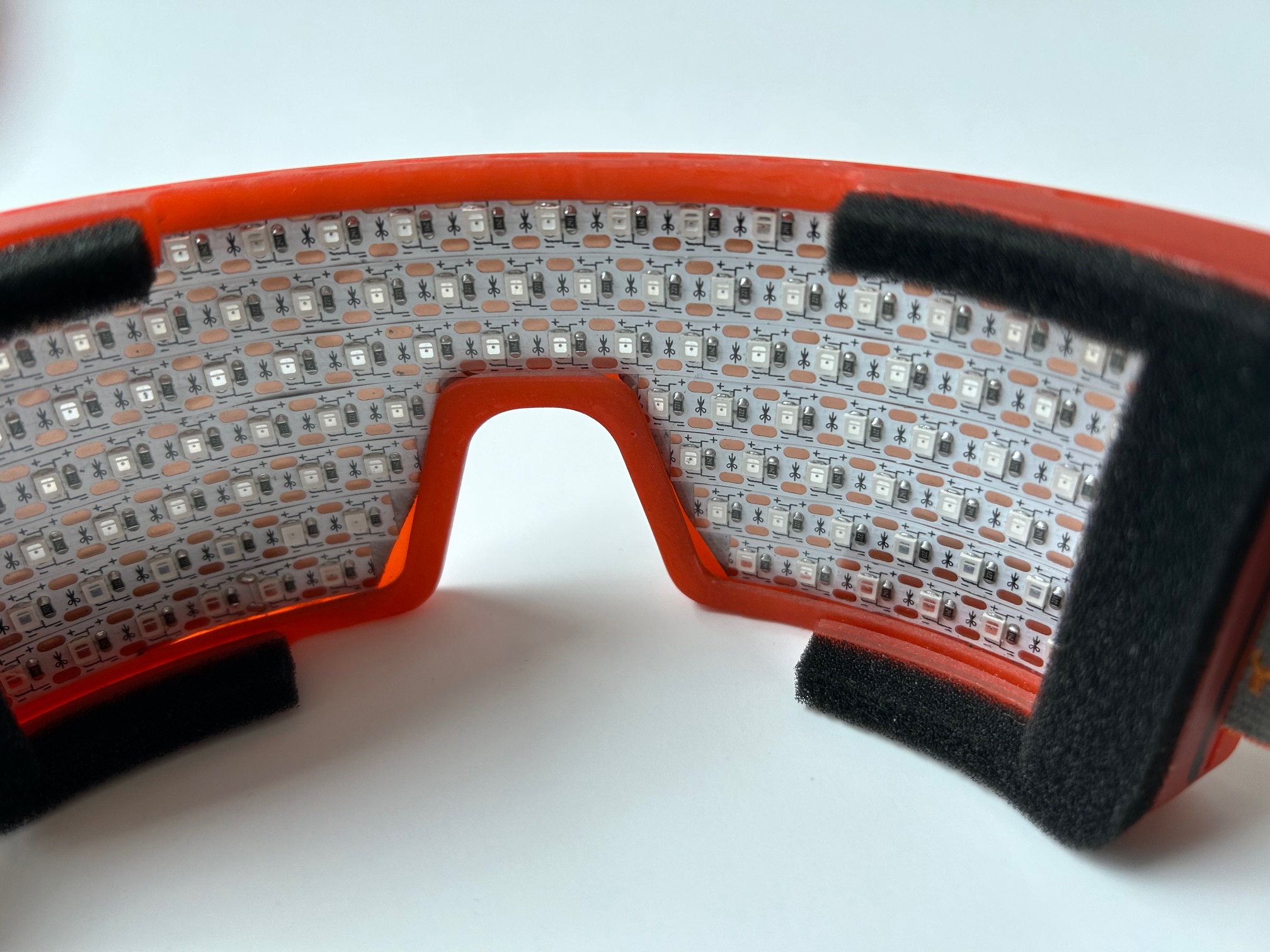
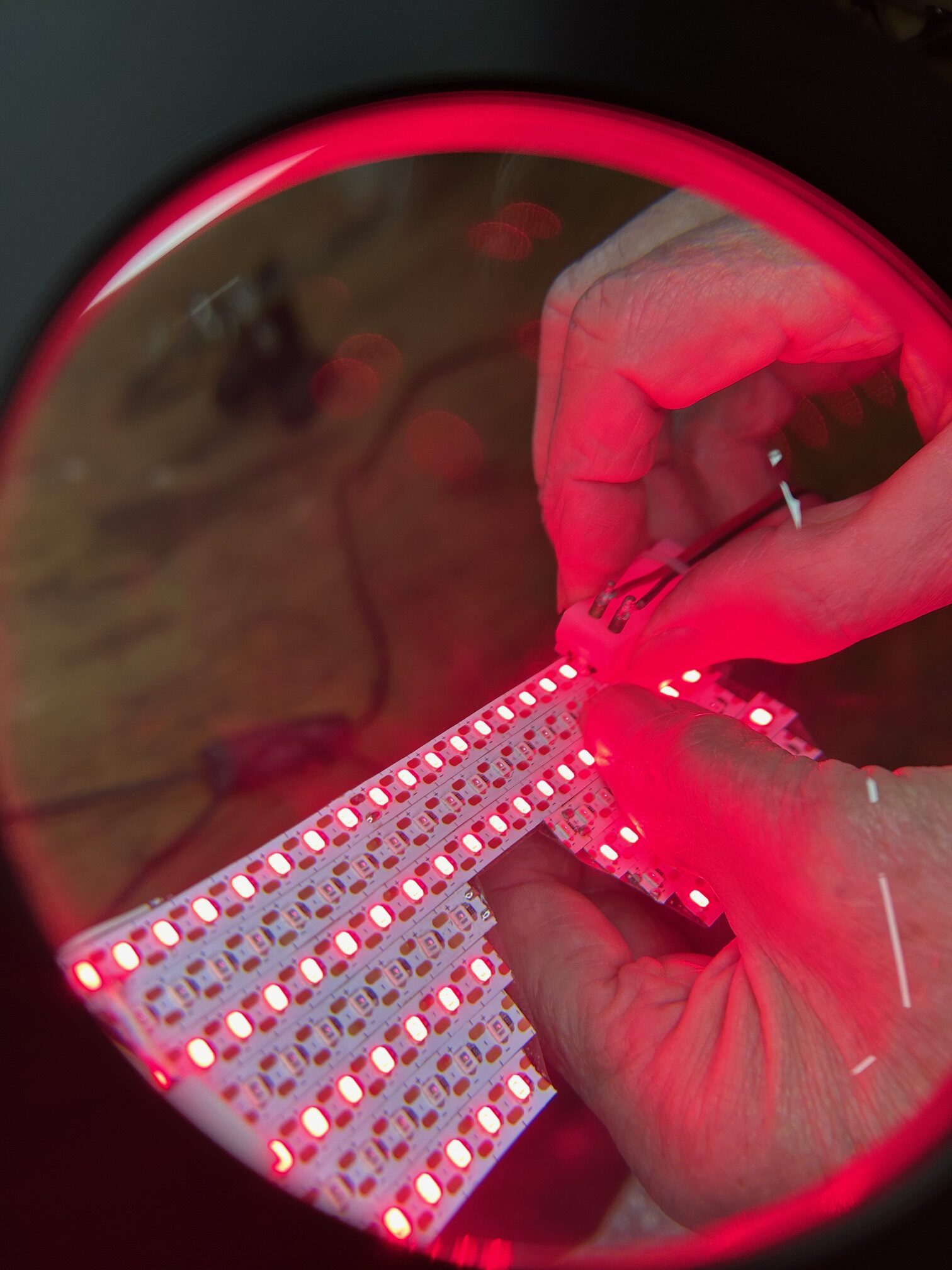
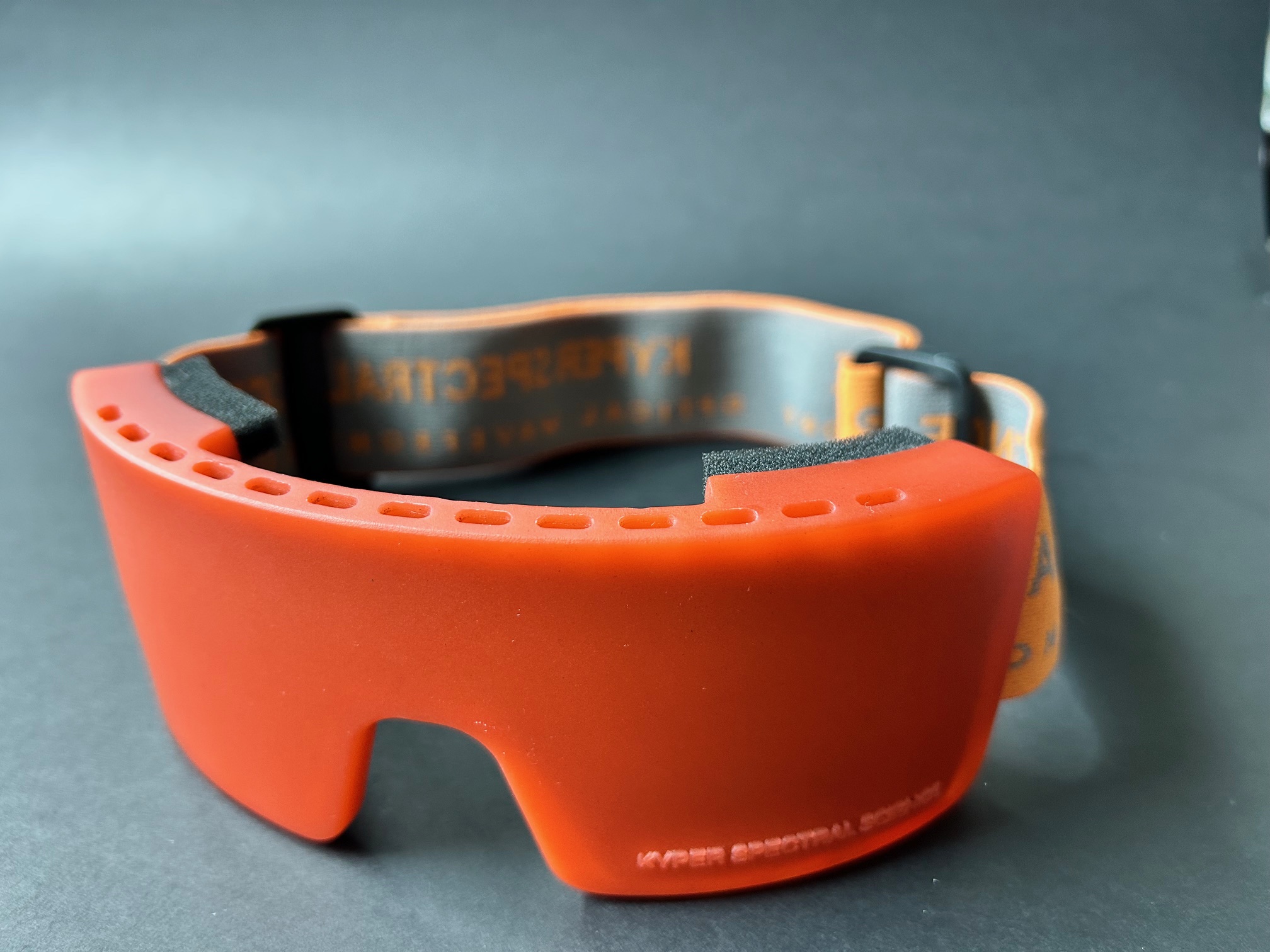
The Spectral WaveFront uses 670 nm and 810 nm in an ocular-specific delivery geometry that overlaps with the mitochondrial and inflammatory pathways described in Goo et al. While the study employed a three-wavelength array, the observed improvements in tear-film stability, epithelial protection, and inflammatory reduction are directionally consistent with PBM at 670/810 nm.
Link to original research here
Editor’s note: Goo et al. 2023 provide foundational mechanistic insight into red and near-infrared LED PBM for ocular-surface inflammation. For comparison with WaveFront wavelength selection and energy windows, see our WaveFront Evidence Alignment. Related PBM clinical dry eye outcomes can be found in Park 2022 and Antwi 2024. Broader ophthalmological PBM applications are reviewed in Garg 2024. Retinal oxidative-stress mechanisms relevant to PBM are detailed in Kokkinopoulos 2013.
Related Articles
- PBM Low-Level Light Therapy in Dry Eye – Park 2022
- Low-Level Light Therapy in Dry Eye Disease – Antwi 2024
- PBM in Ophthalmology: Comprehensive Review – Garg 2024
- Age-Related Inflammation Reduced by 670 nm – Kokkinopoulos 2013
- Clinical Outcomes of IPL for MGD – Toyos 2015
Key Takeaways
- Multi-wavelength LED PBM (680, 780, 830 nm) improved tear breakup time and tear volume in dry eye models
- Red light (600-700 nm) enhances immune response and cell proliferation on the ocular surface
- Near-infrared light (~800 nm) provides anti-inflammatory effects reducing ocular surface stress
- LED-based PBM offers a non-invasive, complication-free approach to dry eye management
Study Overview
| Study Type: | Animal model study |
| Wavelength(s): | 680 nm, 780 nm, 830 nm (simultaneous) |
| Treatment Protocol: | Multi-wavelength LED irradiation in dry eye model |
| Sample Size: | In vivo dry eye model |
| Primary Outcome: | Improved tear film stability, increased tear volume, reduced inflammation |
Full Citation
Goo YS, et al. (2023). Anti-inflammatory effect of multi-wavelength LED irradiation attenuates dry eye symptoms. International Journal of Molecular Sciences, 24(15):12345. View Publication